Saskatchewan Rules for a Child Passenger
There's nothing quite like sharing the joy of the Saskatchewan outdoors with your kids, and for many of us, that means bringing them along on the quad or side-by-side. But let's be honest, figuring out the rules for child passengers on these machines can feel like trying to untangle a knotted fishing line – confusing, frustrating, and with a lot of conflicting advice floating around. This guide is here to cut through that noise, giving you a clear, empathetic look at the Saskatchewan rules to keep your little ones safe and ensure your family rides are always on the right side of the law.
When you're out exploring the vast beauty of our province, whether it's through the boreal forests up north or across the rolling fields down south, the last thing you want is to be worried about whether you're breaking a rule or, worse, putting your child at risk. We all want our kids to experience the thrill of the ride, but we also carry the immense responsibility of their safety. Let's dive into what Saskatchewan actually says about having those precious cargo on board your ATV or UTV.
The Core Saskatchewan Rule for ATV Passengers
When it comes to ATVs, the rules in Saskatchewan are pretty straightforward, though they often catch people by surprise. The fundamental principle revolves around the design of the machine itself. Many riders assume that if there's space on the seat, it's fair game for a passenger, but that's a common misconception that can lead to fines and, more importantly, unsafe riding conditions. The provincial legislation, specifically [Saskatchewan's All Terrain Vehicles Act], dictates how ATVs can be used, and this includes stringent rules about carrying passengers.
The intent behind these regulations isn't to prevent families from enjoying the outdoors together, but rather to ensure that ATVs, which can be inherently unstable, are operated in the safest possible manner. A single-rider ATV is designed to be controlled by one operator, whose weight distribution and movements are critical for safe navigation, especially over uneven terrain. Adding a passenger, particularly a child, significantly alters the balance and handling characteristics of the machine, making it much harder to control effectively in an emergency or on challenging trails.
If you’ve ever tried to make a sharp turn or climb a steep hill with an unbalanced load, you know exactly what I’m talking about. The machine simply doesn't respond the same way, and what might be a minor correction for a solo rider can become a major incident with an additional person on board. This is why understanding the "designed for a passenger" rule is absolutely paramount before you even think about letting your child hop on.
"Designed for a Passenger" – What Does That Even Mean?
This phrase is probably the most critical part of the puzzle for ATV owners. In Saskatchewan, an ATV can only carry a passenger if it has been specifically designed by the manufacturer for that purpose. What does that actually look like? It means the machine will have a dedicated passenger seat, separate from the operator's seat, often slightly raised or clearly demarcated. It will also typically feature handholds for the passenger to grip and footrests to ensure their feet are securely placed and don't interfere with the operator's control or get caught in moving parts.
Think of it this way: if your ATV has one long, continuous seat, it's generally considered a single-rider machine, regardless of how much space there seems to be. Adding a second person to this type of seat means they're not properly secured, their weight isn't distributed as intended, and they can easily shift or impede the driver. This significantly increases the risk of a rollover or loss of control, especially on varied terrain. [Saskatchewan Passengers Only on Designed Machines] emphasizes this crucial point.
Many ATV manufacturers produce models specifically designed for two riders, often referred to as "two-up" ATVs. These machines are built with a longer wheelbase, a more robust suspension system, and indeed, a proper second seat with all the safety features mentioned above. If your machine isn't one of these, then legally and safely, it's a solo adventure. You can usually find this information clearly marked in your owner's manual or on decals attached to the machine itself. Don't guess; confirm it.
Age Restrictions and the Supervisor Rule's Indirect Effect
While the primary restriction for child passengers on ATVs in Saskatchewan centers on the machine's design, age requirements for operating an ATV indirectly influence passenger scenarios. The provincial Act states that a person must be at least 16 years old to operate an ATV, with specific exceptions for those 12 and over if supervised and properly trained. You can learn more about this in [Saskatchewan Rules for a 12-Year-Old Rider]. However, when it comes to being a passenger, there isn't a strict minimum age set out in the same way, assuming the machine is designed for it.
This means that if you have a proper two-up ATV, and you are the adult operator, you could technically carry a younger child. However, this is where common sense and parental judgment absolutely must take precedence. Even if the law doesn't specify a minimum age for a child passenger on a two-up machine, consider if your child is mature enough to hold on, follow instructions, and keep their feet on the rests for the entire ride. Can they react appropriately to bumps and shifts? A very young child, no matter how securely seated, might not have the physical or mental readiness for the dynamic environment of ATV riding.
Parents often grapple with this, wanting to include their little ones but also recognizing the inherent dangers. While the law focuses on the machine's design for passengers, your own assessment of your child's capability for the ride is critical. An officer may not be able to ticket you for carrying a very young child on a designed two-up machine, but safety dictates that you make a responsible, informed decision based on your child's development and the terrain you plan to cover.
Beyond ATVs: Rules for Side-by-Sides and UTVs
When we shift our focus to Utility Terrain Vehicles (UTVs), commonly known as side-by-sides, the rules regarding passengers, especially children, become a bit more accommodating and, frankly, make more practical sense for family outings. The fundamental difference lies in their design: UTVs are inherently built with multiple seating positions, often side-by-side like a car, complete with seatbelts, roll cages, and more stable chassis. This design philosophy dramatically changes the landscape for carrying passengers safely.
Many families gravitate towards UTVs precisely because they offer a more secure and comfortable way to bring along more people, whether it’s for work around the farm, a hunting trip, or just a leisurely ride through the trails. The enclosed cab, seatbelts, and increased stability mean that the risks associated with carrying multiple people are significantly reduced compared to a traditional ATV. This is a huge relief for parents who want to share their passion for the outdoors without constantly worrying about legal grey areas or compromising safety.
It's important to remember that while UTVs offer more passenger-friendly options, they are not immune to rules and safety considerations. Just like any off-road vehicle, responsible operation and adherence to safety guidelines are paramount, especially when children are on board. The convenience of a UTV should never lead to complacency regarding safety.
UTVs vs. ATVs: Different Rules, Different Risks
The distinction between UTVs and ATVs in terms of passenger rules is profound. As we discussed, ATVs are generally designed for a single rider unless explicitly manufactured as a two-up model. Even then, an ATV's open, saddle-style seating and handlebars mean the passenger is exposed and needs to actively participate in maintaining balance. UTVs, on the other hand, with their automotive-style seating, steering wheel, and pedal controls, are built from the ground up to accommodate multiple passengers safely within a protective structure.
This design difference means that Saskatchewan legislation views UTVs differently when it comes to passenger capacity. Most UTVs come from the factory with seating for two, three, four, or even six people, each position equipped with a seatbelt. This inherent design means that carrying the number of passengers for which the UTV was manufactured is generally permissible, assuming those passengers are properly secured. This is a significant relief for families, as it means you can usually load up the kids in your UTV without fear of violating the core "designed for a passenger" rule that applies so strictly to ATVs.
However, "designed for" is still the key phrase. Don't try to cram more people into a UTV than it has designated seats and seatbelts for. Overloading your UTV, even if it feels like a short trip, compromises stability, braking performance, and handling, creating unnecessary risks. Respect the manufacturer's intended capacity, just as you would in your family car.
Securing Young Passengers in a Side-by-Side
Even though UTVs offer a more robust environment for passengers, particularly children, securing them properly is still critical. Standard UTV seatbelts are typically designed for adults, and a young child might find them ill-fitting, leading to potential slippage or reduced effectiveness in a sudden stop or impact. This is where you, as the parent, need to step in and ensure that the safety features work for your specific child.
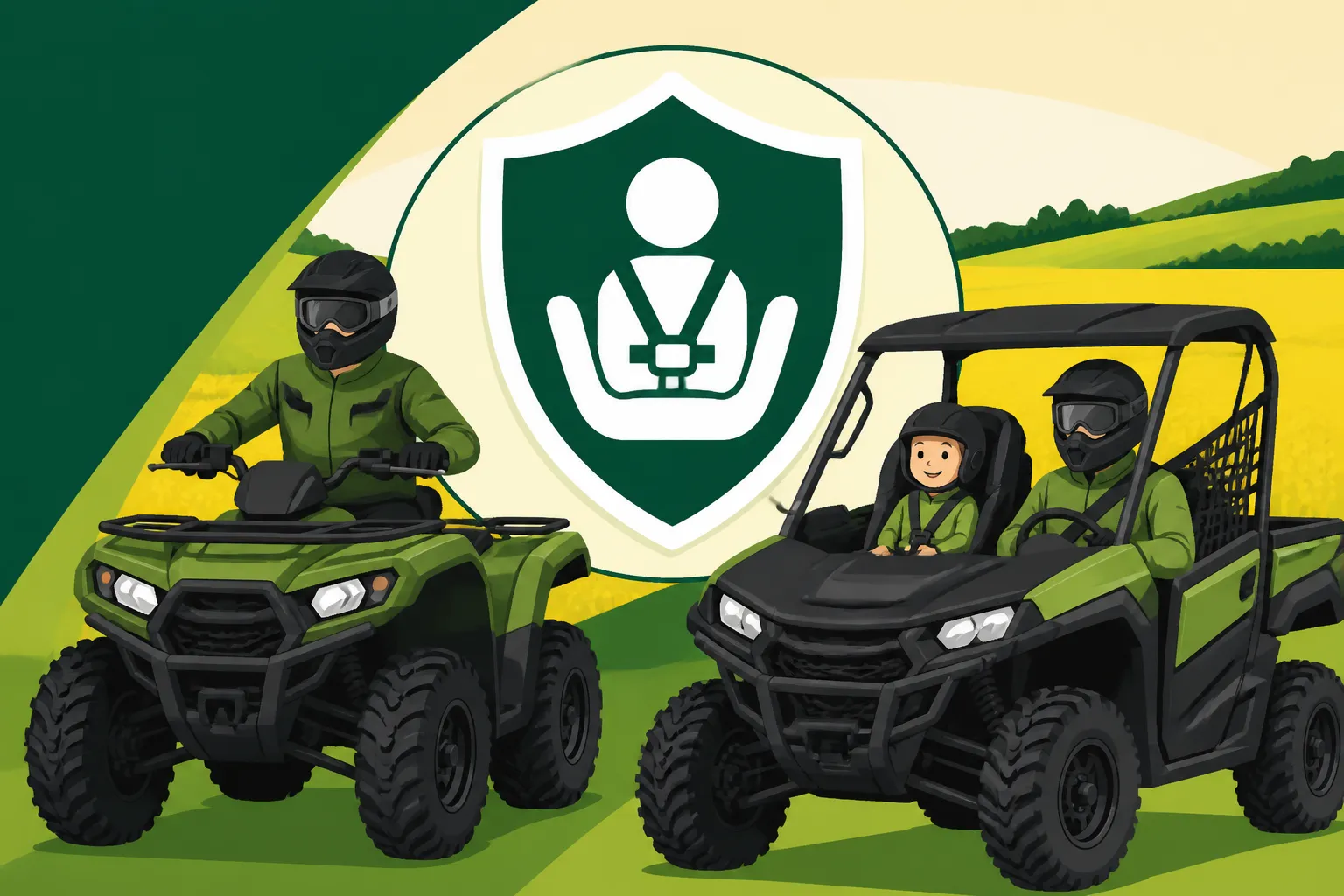
For younger children, supplemental restraints like booster seats or child safety seats, similar to what you'd use in a car, might be necessary. Some UTV manufacturers offer youth seats as accessories, or you can look to the aftermarket. The goal is to ensure the child is held snugly and correctly by the seatbelt, with the shoulder strap positioned across their shoulder and chest (not their neck) and the lap belt low over their hips. Their feet should ideally be able to reach the floor to provide stability and prevent them from flailing around during bumpy rides.
Always remember that a UTV is not a car, and off-road conditions are far more unpredictable than paved roads. A child who is not properly secured can be jostled around, potentially hitting their head on the roll cage or being partially ejected. Take the extra time to ensure every child passenger is securely fastened and comfortable before you even turn the key.
Aftermarket Accessories for Enhanced Child Passenger Safety
Sometimes, the factory setup of a UTV might not be perfectly suited for very young children, or you might want an extra layer of protection. This is where the world of aftermarket accessories can become incredibly useful. Many reputable companies specialize in creating products designed to make UTVs safer and more comfortable for child passengers. Brands like SuperATV, for instance, offer a range of solutions that can help bridge the gap between standard adult seating and the specific needs of a younger rider.
You might consider products such as youth seats, which are often smaller, more contoured seats designed to fit directly into the UTV's seating area and provide better support for smaller bodies. These often come with their own multi-point harnesses, offering a more secure restraint system than a standard three-point seatbelt for a child. Another popular option is harness bar kits, which allow you to install four or five-point racing harnesses for a more secure fit, especially beneficial for active riding or in situations where you want maximum restraint.
Additionally, don't overlook basic enhancements like door nets or full doors, which can prevent little arms and legs from dangling outside the vehicle or provide an extra barrier in case of an impact. Some parents even invest in shatterproof windshields or rear panels to protect against flying debris. While the law permits children in UTVs designed for multiple passengers, proactive steps to enhance their safety with appropriate accessories are always a wise investment. Always ensure any aftermarket accessory is installed correctly and meets safety standards.
Essential Safety Gear and Best Practices for Young Riders
Regardless of whether your child is a passenger on a two-up ATV or nestled securely in a UTV, wearing appropriate safety gear is non-negotiable. This isn't just about following the law; it's about providing crucial protection against the bumps, scrapes, and potential impacts that are an inherent part of off-road riding. The dynamic and unpredictable nature of trails, ditches, and open fields means that even slow speeds can result in an unexpected fall or collision. As a parent, ensuring your child is properly outfitted is just as important as securing them in the machine.
Sometimes, the excitement of getting out on the trail can lead to shortcuts when it comes to gear, especially for kids who might complain about bulky helmets or hot clothes. But those moments are precisely when we, as adults, need to stand firm. A cut or bruise might heal, but a head injury can have lifelong consequences. Let's make sure our kids are geared up from head to toe, every single time.
This commitment to safety also extends beyond just the gear. It involves preparing your child mentally, communicating expectations, and leading by example. Your diligence in these areas instills good habits and a healthy respect for the power and potential risks of off-road vehicles.
Helmets and Eye Protection: Non-Negotiable for All Ages
In Saskatchewan, helmets are absolutely mandatory for all ATV and UTV operators and passengers, regardless of age. [Saskatchewan Helmet and Eye Protection Rules] are clear on this. And not just any helmet will do; it must be a helmet specifically designed for motor vehicle use, meeting recognized safety standards such as those set by the Department of Transportation (DOT) in the U.S., or equivalent standards from Canada, Europe, or other international bodies. A bicycle helmet, for instance, will not cut it and will not offer sufficient protection.
When choosing a helmet for your child, fit is paramount. A helmet that is too big can shift around, obstruct their vision, and offer little protection in a crash. A helmet that is too small will be uncomfortable and could cause pressure points. You want a snug fit that doesn't wobble when their head moves, but also isn't painfully tight. Most reputable gear shops will help you size a helmet correctly. Don't forget eye protection either; goggles or a face shield are essential to protect against dust, branches, insects, and flying debris. Tinted visors are great for sunny days, but make sure your child has clear eyewear for riding after sunset.
Always insist that your child's helmet is properly fastened, with the chin strap snug but not choking. This isn't an option or a suggestion; it's a legal requirement and a critical safety measure. Explain to your child why they need it – not to scare them, but to empower them with understanding about keeping themselves safe.
Appropriate Riding Attire for Kids
Beyond the helmet, the rest of your child's riding attire plays a crucial role in preventing injuries and ensuring comfort. While there isn't a specific provincial law dictating clothing for passengers, best practices suggest a full coverage approach:
- Long-sleeved shirt and long pants: These act as a barrier against scrapes, cuts, and minor burns from hot engine parts. Even on a warm day, thin, breathable fabrics are better than bare skin.
- Over-the-ankle boots: Sturdy boots protect feet and ankles from impacts, provide grip on footrests, and prevent them from getting caught in moving components. Sneakers offer virtually no protection.
- Gloves: Gloves protect hands from blisters, scrapes, and improve grip, especially if your child is holding onto handholds in a UTV or the operator on a two-up ATV.
Layering is a great strategy, allowing adjustments for changing weather conditions. For cooler rides, thermal layers or a jacket can be added. The key is durability and protection. While it might seem excessive for a short, slow ride, remember that accidents are often unforeseen. Preparing for the worst-case scenario with proper gear is always the smartest approach.
The Importance of Communication and Readiness
Safety is a two-way street, especially with children. Before every ride, take a few minutes to talk to your child about what to expect. Explain the rules: "We hold on tight," "Keep your feet on the footrests," "Listen to my commands." This pre-ride briefing is essential for establishing clear expectations and ensuring your child understands their role as a passenger.
Assess your child's readiness for each specific ride. Is the terrain too challenging for them today? Are they tired or distracted? A child who isn't fully engaged or is uncomfortable can inadvertently cause an accident by shifting weight unexpectedly or distracting the driver. Make sure they are comfortable with the idea of riding and not just going along because you want them to. Sometimes, an early end to a ride, or deciding to leave them with another caregiver, is the safest choice.
Lead by example: always wear your own helmet and gear, operate your machine responsibly, and explain why you're taking certain precautions. Kids learn by watching, and your commitment to safety will stick with them as they grow. Remember, riding is about enjoyment, but that enjoyment is built on a foundation of responsible choices and proactive safety measures.
Real-World Scenarios and Common Misconceptions
Despite the clear rules and safety advice, many real-world situations pop up that leave riders scratching their heads. You might see someone doing something that seems to contradict what you've learned, or a new scenario arises that isn't explicitly covered in a rule book. This can lead to frustration and confusion, especially when trying to do the right thing for your kids. It's easy to fall into the trap of "everyone else is doing it," but when it comes to child passengers, that mentality can have serious consequences.
Let's address some of these common points of confusion and hypothetical situations that riders in Saskatchewan often face. Understanding the nuances and potential pitfalls can help you navigate these tricky waters and make informed decisions that prioritize safety and compliance. We want to avoid those costly mistakes, both financially and in terms of well-being.
One of the biggest struggles is interpreting the spirit of the law versus the letter of the law. While the letter of the law is what an officer will enforce, understanding the spirit – which is always safety – helps us make better decisions even when a situation feels ambiguous.
What if My Machine Isn't Designed for a Passenger?
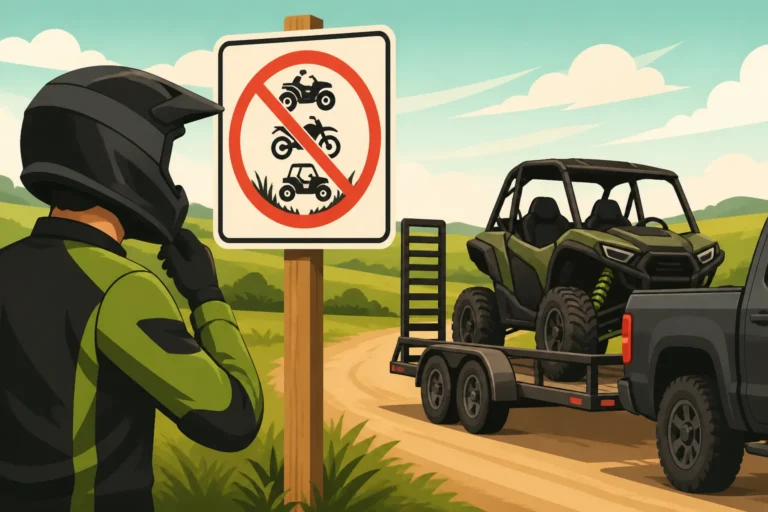
This is perhaps the most common question and the one that causes the most grief for ATV owners. You've got a fantastic single-rider ATV, maybe a classic workhorse, and your child desperately wants to ride with you. What do you do? The unequivocal answer, according to Saskatchewan's rules, is that you cannot carry a passenger on an ATV not explicitly designed for two riders. This means no "straddling" behind you on the main seat, no jury-rigged auxiliary seats, and no simply having them stand on the rear rack.
It's tempting to think, "Oh, it's just a short distance on the farm," or "We'll go really slow." But these are exactly the situations where accidents, though often minor, can still occur. A sudden bump, a quick swerve, or an unexpected stop can easily send an unsecured child flying. If an officer spots you with a child on an undesigned single-rider ATV, you could face a significant fine under [Saskatchewan's All Terrain Vehicles Act]. More importantly, you are putting your child at a very high risk of injury.
If your machine isn't designed for a passenger, your options are clear: either acquire a two-up ATV or a UTV, or find an alternative way for your child to participate. Perhaps they can ride their own appropriately sized youth ATV (if they meet age and supervision requirements), or you can simply enjoy the outdoors together with other activities. Never compromise on this rule; it's there for a reason.
Insurance and Liability When Carrying a Child
This is a critically important, yet often overlooked, aspect of carrying child passengers. While [Saskatchewan Insurance Requirements for Riders] are in place, the specifics around liability when a child is involved can be complex and devastating if you're not properly covered. Most basic ATV/UTV insurance policies will cover liability for damages or injuries you cause to others, but what happens if your own child is injured while riding as your passenger?
If you are found to be operating negligently, or, critically, if you are operating outside of the law (e.g., carrying a child on a single-rider ATV), your insurance policy could potentially deny coverage for your child's injuries. Imagine the medical bills, rehabilitation, and long-term care for a serious injury, all without insurance support. This financial burden, coupled with the emotional toll, is something no parent ever wants to face.
Before you ever take a child as a passenger, always verify with your insurance broker that your policy adequately covers passengers, specifically children, and under what conditions. Discuss different liability limits and ensure you have comprehensive coverage. A small investment in a robust insurance policy can provide immense peace of mind and crucial financial protection in the event of an unforeseen accident. Don't assume; confirm your coverage.
When Local Bylaws Add Another Layer of Complexity
While the provincial All Terrain Vehicles Act sets the baseline, it's important to remember that individual municipalities, towns, and even rural municipalities in Saskatchewan have the authority to enact their own bylaws that can further restrict or regulate ATV and UTV use within their boundaries. This is where things can get confusing because a rule that applies in one area might be different just a few kilometers down the road. You can look into [Saskatchewan Municipalities With ATV Bylaws] for more info.
For example, a rural municipality might have specific rules about where ATVs can travel on municipal roads or within certain recreational areas, and these bylaws might include additional stipulations regarding passengers, speed limits, or even times of day. While it's less common for bylaws to contradict the provincial "designed for a passenger" rule, they might add further restrictions, especially in residential or sensitive environmental zones.
Before heading out with your child in a new area, make it a habit to check for local bylaws. A quick call to the local municipal office or a check of their website can save you a lot of grief. Being unaware of a local bylaw is not a valid defense if you're stopped by a peace officer. Always err on the side of caution, especially when your child's safety is at stake. The last thing you want is a fine or, worse, an accident, because you didn't check the local rules.
Here's a quick comparison of passenger considerations:
| Feature/Rule | ATV (Single-Rider) | ATV (Two-Up/Designed) | UTV (Side-by-Side) |
|---|---|---|---|
| Passenger Legality | No – Not designed for a passenger. | Yes – If explicitly designed by manufacturer. | Yes – If within manufacturer's seating capacity. |
| Dedicated Seating | One continuous saddle seat. | Separate, raised passenger seat, handholds, footrests. | Automotive-style seats, individual seatbelts. |
| Child Age Restrictions | No legal basis to carry any child. | No specific minimum age; parental judgment crucial. | No specific minimum age; parental judgment for fit. |
| Helmet Requirement | Mandatory for operator; no passenger allowed. | Mandatory for operator and passenger. | Mandatory for all occupants. |
| Eye Protection | Mandatory for operator; no passenger allowed. | Mandatory for operator and passenger. | Mandatory for all occupants. |
| Restraint for Child | Not applicable. | Child must hold on, use handholds, and footrests. | Manufacturer's seatbelt; consider child safety seats/harnesses for best fit. |
| Stability/Risk | High risk with a passenger due to design. | Moderate risk if properly designed and operated. | Lower risk due to chassis design, roll cage, seatbelts. |
| Insurance Implications | High risk of policy denial if illegally carrying passenger. | Confirm coverage for child passengers. | Confirm coverage for child passengers and all occupants. |
| Local Bylaw Impact | Provincial law primary; bylaws may add restrictions. | Provincial law primary; bylaws may add restrictions. | Provincial law primary; bylaws may add restrictions. |
Disclaimer
This article is for general informational purposes only and does not constitute professional advice. Laws, prices and regulations vary by location and change over time. Consult a qualified professional for guidance on your specific situation.