Saskatchewan Rules for Riding With a Dog
The open prairies and boreal forests of Saskatchewan offer an unparalleled sense of freedom for ATV and UTV enthusiasts. Many of us naturally want to share these experiences with our canine companions, picturing our trusty co-pilot enjoying the wind in their fur. However, bringing a dog along on a quad or side-by-side isn't as simple as just letting them hop on board, and many riders fret about both their pet's safety and whether they're even allowed to do so. This guide will help you understand the practicalities, safety measures, and considerations for responsibly and safely riding with your dog in Saskatchewan.
The Legal Landscape: Is It Okay to Ride With Your Dog on an ATV in Saskatchewan?
It's a common question, and one that often leads to a lot of head-scratching. Unlike helmet laws or age restrictions for ATV operators, Saskatchewan’s All Terrain Vehicles Act is pretty quiet when it comes to specific rules about carrying animals on your quad or UTV. This lack of explicit regulation can be a bit of a double-edged sword: on one hand, it means there isn't a provincial bylaw saying "no dogs allowed," but on the other, it leaves a lot of interpretation up to the rider regarding responsible pet ownership.
The absence of specific ATV-related dog laws doesn't mean it's a free-for-all. General animal welfare and public safety principles still apply. Think about it this way: if a peace officer sees a dog in distress, or if your animal causes a disturbance or an accident due to being improperly secured, you could still face consequences under broader animal protection acts or even municipal bylaws concerning pets. The core idea is that you, as the owner and operator, are responsible for ensuring your dog's safety, preventing harm to others, and avoiding animal cruelty.
What this really boils down to is common sense and careful planning. You won't find a specific section in [Saskatchewan's All Terrain Vehicles Act] that says "dogs must wear goggles" or "dogs must be in a crate." However, you are expected to operate your machine safely and responsibly, and that extends to any passengers, furry or otherwise. If your dog is loose, distracting you, or at risk of falling off, that clearly falls outside the realm of safe operation.
Ensuring Your Dog's Safety and Comfort on a Saskatchewan ATV Ride
Okay, so the province doesn't have a "dog-riding permit" to buy, but that just puts more responsibility on us to keep our pets safe. Taking your dog on an ATV or UTV ride requires more than just letting them jump in; it demands careful consideration of their well-being, proper gear, and even a bit of training. The goal isn't just to allow them to come along, but to ensure they actually enjoy the experience and remain safe throughout.
The Right Gear for Your Canine Co-Pilot
Just like you wouldn't hit the trails without your helmet and eye protection, your dog needs appropriate gear to protect them from the elements and potential hazards. The type of gear will depend heavily on your dog's size, temperament, and the type of machine you're riding (ATV vs. UTV).
- Eye Protection (Doggles): This might sound silly to some, but it's crucial. Dust, debris, branches, and even insects can cause serious eye injuries at speed. Dog goggles (often called "Doggles") protect their eyes from these irritants. Ensure they fit snugly but comfortably and introduce them gradually at home before hitting the trails.
- Paw Protection (Boots): Saskatchewan trails can be rough, with sharp rocks, thorns, hot pavement, or even freezing ground. Dog boots protect their paw pads from abrasions, punctures, and temperature extremes. Again, introduce them slowly and ensure a proper fit.
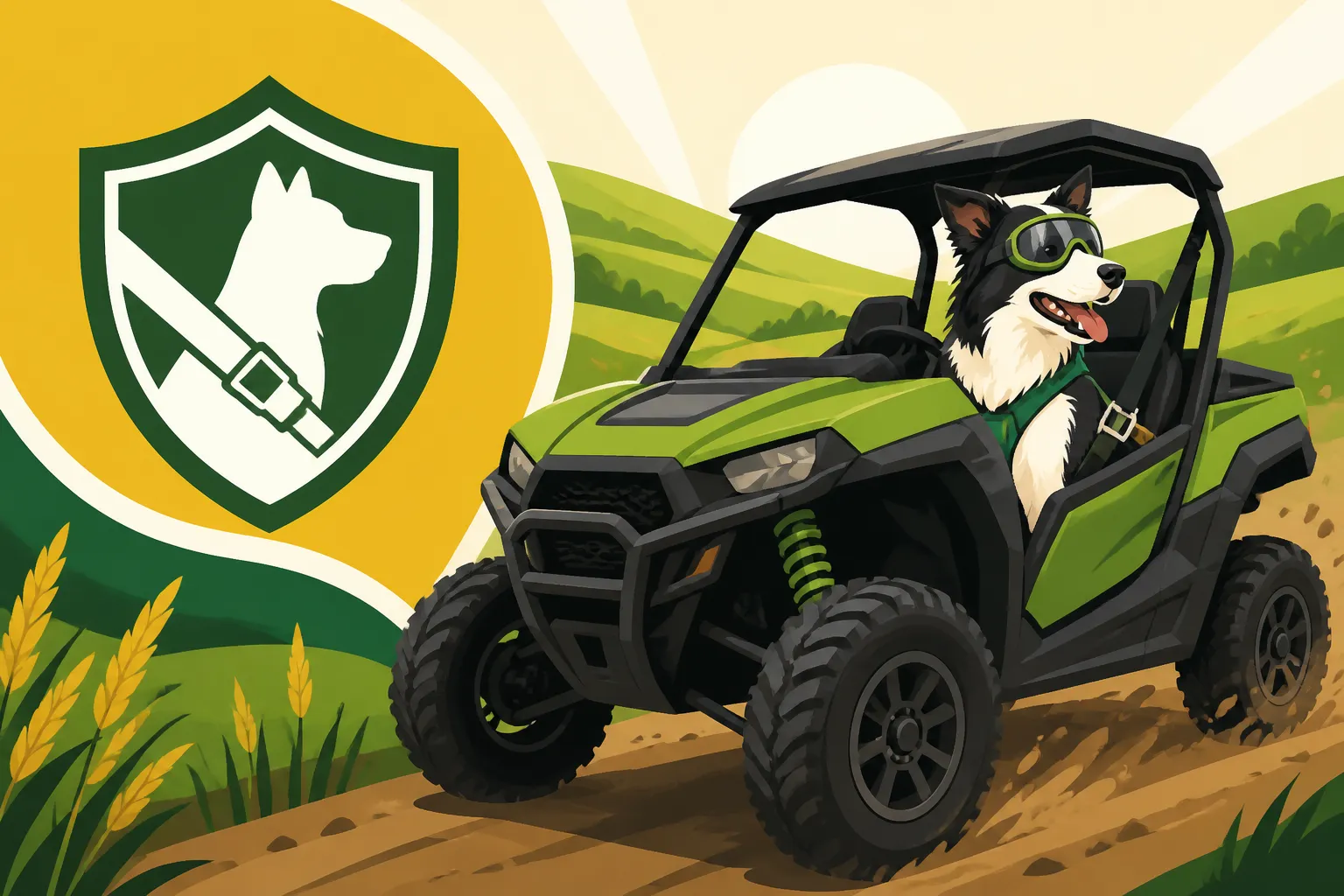
- Harness and Securement: Never, ever let your dog ride unrestrained on an ATV. A sudden bump, turn, or emergency stop could send them flying. For UTVs, a secure harness that clips into a seatbelt system is ideal. For ATVs, a sturdy, well-ventilated crate or a purpose-built dog platform with secure tie-downs is essential. This isn't just about preventing them from jumping off; it's about containing them safely in case of an unexpected incident or even a rollover.
- First-Aid Kit: Accidents happen, and having a dedicated pet first-aid kit is a must. Include items like antiseptic wipes, bandages, paw wax, tweezers (for splinters or ticks), pain relief (as recommended by your vet), and any specific medications your dog requires. It's also a good idea to know basic pet first aid.
When considering securement, think about the options available. For a UTV, a well-ventilated, hard-sided crate strapped into the cargo bed or even a soft crate secured in a passenger seat (if it doesn't obstruct the driver) can work. For ATVs, some riders fabricate platforms that attach to the racks. However, commercially available cargo boxes, perhaps from a brand like SuperATV, can be adapted with proper ventilation and secure strapping to safely transport smaller dogs. Remember, the key is security – nothing that can easily tip, slide, or become dislodged.
Health Considerations and Acclimation
Not every dog is cut out for ATV riding, and it’s important to be realistic about your pet's suitability. Young puppies, very old dogs, or those with existing health conditions (like arthritis, respiratory issues, or anxiety) might find the experience stressful or even harmful.
- Veterinary Check-Up: Before embarking on regular rides, consult your veterinarian. They can assess your dog's overall health and advise if ATV riding is appropriate, especially considering the vibrations, noise, and potential physical demands.
- Gradual Introduction: Don't just throw your dog into the deep end. Start with short, slow rides around your yard or property. Let them get used to the engine noise, the vibrations, and being secured. Reward positive behaviour with treats and praise. Gradually increase the duration and speed as they become more comfortable.
- Temperature Tolerance: ATVs and UTVs offer little natural shade. On hot Saskatchewan summer days, your dog can quickly overheat. On cold days, they can get hypothermia. Be mindful of the weather and choose appropriate riding times. Carry plenty of water and know the signs of heatstroke or frostbite in dogs.
- Noise Sensitivity: The roar of an engine can be frightening for some dogs. Observe your dog's reaction during the introduction phase. If they show extreme anxiety or fear, it might be best to leave them at home. Some dogs might benefit from dog-specific ear protection, though this needs careful introduction and monitoring.
Remember, your dog's comfort and safety are paramount. If they're not enjoying it, or if it poses a risk to their health, then it's not worth it. [Saskatchewan Machines Used Only on Family Land] might be a good place to practice these initial rides in a controlled environment.
Best Practices for a Happy Trail Dog in Saskatchewan
Even with the right gear and a healthy, acclimated dog, there are still best practices that will make your riding experience smoother and more enjoyable for everyone involved. Think of it like planning for any other passenger – anticipate their needs and plan accordingly.
Hydration and Breaks
This is absolutely non-negotiable. Dogs can dehydrate quickly, especially when exposed to wind, sun, and excitement.
- Plenty of Water: Carry much more water than you think you'll need, both for your dog to drink and potentially to cool them down if they get too warm. A collapsible water bowl is a smart addition to your pack.
- Frequent Stops: Plan regular breaks, especially on longer rides. These aren't just for you to stretch; they're for your dog to relieve themselves, drink water, cool down, and sniff around. A good rule of thumb is every hour or two, depending on the heat and intensity of the ride.
- Snacks: High-value treats can be great motivators and provide a little energy boost during breaks.
Trail Etiquette and Wildlife Encounters
Riding with a dog means you have an extra responsibility to other trail users and to the local wildlife. Saskatchewan is teeming with animals, and your dog’s presence can have a significant impact.
- Leash Laws: When you dismount or take a break, always keep your dog on a leash, especially if you're in a public area or anywhere near potential wildlife. This is not only for their safety but also to prevent them from disturbing other people, livestock, or wildlife. Even the most well-behaved dog can be tempted by a scent. You'll often find that many [Saskatchewan Provincial Park Machine Rules] will require dogs to be leashed.
- Respect Wildlife: An unleashed dog can chase deer, rabbits, birds, or even larger animals like moose or bears. This is not only dangerous for your dog but also highly disruptive to wildlife and potentially illegal if it constitutes harassment. Be aware of your surroundings, especially in areas known for [Saskatchewan Wildlife on the Trail].
- Waste Management: Just like at home, clean up after your dog. Carry waste bags and pack out everything you pack in. Leaving dog waste on the trail is unsightly, unhygienic, and shows disrespect for the environment and other trail users.
- Noise and Other Riders: While your ATV/UTV makes noise, a barking dog can be particularly irritating to others trying to enjoy nature. Try to manage excessive barking, especially when passing other riders or when you stop near campgrounds.
| Aspect | Recommendation | Why It Matters |
|---|---|---|
| Eye Protection | Doggles, securely fitted | Prevents injury from dust, debris, and branches |
| Paw Protection | Dog boots for varied terrain | Protects pads from cuts, abrasions, heat, and cold |
| Securement | Crate, harness & seatbelt, or secured platform | Prevents falls, distractions, and injury in case of sudden stops or rollovers |
| Hydration | Ample water supply, collapsible bowl | Prevents dehydration, especially in heat and wind |
| Breaks | Frequent stops (every 1-2 hours) | Allows for relief, stretching, drinking, and cooling down |
| Leash | Always on leash when dismounted or in public areas | Prevents wildlife harassment, interactions with other people, or getting lost |
| Waste Bags | Carry and pack out all waste | Maintains trail hygiene and respect for nature and other users |
| Acclimation | Gradual introduction to noise, vibrations, and gear | Reduces stress and fear, ensures dog enjoys the experience |
| Vet Check | Prior to regular riding | Confirms dog's health suitability for the activity |
| Weather Check | Consider temperature and sun exposure | Prevents heatstroke or hypothermia |
What to Consider Before Taking Your Dog on a Quad Ride
Before you even load up the machine, there are some fundamental questions you should ask yourself. Riding with a dog adds a layer of complexity to any outing, and being honest about these considerations will help you decide if it's truly a good idea for your specific situation.
Machine Type and Space
The kind of off-road vehicle you own plays a huge role in how safely and comfortably you can transport your dog.
- ATV (All-Terrain Vehicle): These are generally less ideal for dogs due to limited space and inherent instability. A dog riding on an ATV rack, even in a secured carrier, is exposed to more vibrations, dust, and a higher risk of injury if the machine tips or crashes. If you must use an ATV, a robust, securely strapped crate on a rear rack is the only truly safe option, and it's usually only suitable for smaller dogs. Consider a tough, weather-resistant cargo box, potentially from a manufacturer like SuperATV, that can be properly ventilated and secured to your rack.
- UTV (Utility Task Vehicle / Side-by-Side): UTVs are significantly better for dog transport. They offer enclosed cabs, seatbelts, and more stable cargo beds. Your dog can ride in the passenger footwell (if it doesn't interfere with your driving), in a secure crate in the cargo bed, or even in a dog-specific seat that integrates with the vehicle's design. The added stability and protection of a UTV cab make for a much safer and more comfortable ride for your furry friend. When thinking about [Saskatchewan Rules for a Side-by-Side Driver], remember that overall safe operation extends to canine passengers too.
Always prioritize space and security. Never have your dog loose in a way that can obstruct your view, interfere with controls, or distract you while driving.
Your Dog's Temperament and Training
This is perhaps the most critical factor. Not all dogs are suited for ATV adventures.
- Calm Demeanour: An ideal trail dog is calm, not easily spooked by loud noises, sudden movements, or new environments. A dog that is prone to barking, panicking, or trying to jump out will create a dangerous situation for everyone.
- Good with Strangers and Other Dogs: On public trails, you're likely to encounter other riders, hikers, and their dogs. Your dog should be well-socialized and able to remain calm and non-reactive when meeting new people or animals. This ties directly into [Saskatchewan Trail Etiquette Locals Expect].
- Basic Obedience: A dog that understands and consistently responds to basic commands like "sit," "stay," "leave it," and "come" is essential. These commands can be life-saving in unexpected situations, such as an encounter with wildlife or other vehicles.
- Tolerance for Being Secured: If your dog hates being crated or secured, forcing them into this situation for an ATV ride will be a miserable experience for them and potentially dangerous for you. Work on crate training or harness acclimation well in advance.
If your dog is naturally anxious, highly reactive, or doesn't have solid obedience, a noisy, fast-moving ATV ride is probably not the best activity for them. It's okay to admit that your dog prefers the couch to the quad!
Trip Length and Terrain
Finally, think about the specific trip you're planning. A quick run on [Saskatchewan Rules for Riding a Ditch] near home is very different from a full-day expedition into the bush on [Saskatchewan Crown Land Riding Explained].
- Short vs. Long Rides: Shorter rides (under an hour) are a good starting point and generally easier on your dog. Longer rides require more planning for breaks, water, food, and managing fatigue.
- Terrain Type: Smooth gravel roads are easier than rough, rocky, or muddy trails. Intense off-roading with steep inclines, sharp turns, and jarring bumps can be very uncomfortable and even harmful for a dog, especially if they are not securely braced. Consider the vibrations and jostling your dog will experience.
- Weather Conditions: As mentioned earlier, extreme heat or cold makes any ride more challenging for a dog. Humidity can also exacerbate heat issues. Always check the forecast and adjust your plans accordingly.
Taking the time to consider these factors will not only keep your dog safe but also ensure that bringing them along actually enhances your experience rather than adding stress. Remember, our goal as responsible pet owners and riders is to create positive, safe memories, not to push our limits or compromise our pet's well-being.
Disclaimer
This article is for general informational purposes only and does not constitute professional advice. Laws, prices and regulations vary by location and change over time. Consult a qualified professional for guidance on your specific situation.