Saskatchewan Rules for Riding in Regina
Many ATV and UTV enthusiasts dream of cruising through their local streets or quickly popping to the store on their machine, especially in a city like Regina. However, the reality of riding your off-road vehicle within city limits can be a confusing maze of provincial laws and municipal bylaws, often leading to frustration and potential penalties. This guide will cut through the confusion, explaining exactly what you can and cannot do with your ATV or UTV in Regina, and offering clear guidance on where to legally enjoy your ride.
The Harsh Reality of Riding ATVs in Regina's Urban Landscape
It's a common misconception that if you own an ATV or UTV, you can simply ride it wherever you please, especially if you're just trying to get from point A to point B within your city. Unfortunately, for those of us living in Saskatchewan's capital, Regina, the freedom of off-road riding typically stops right at the city limits. The rules here are much stricter than what you might experience on a sprawling farm or a remote bush trail, and understanding these distinctions is key to avoiding trouble. Many riders get frustrated because the provincial legislation governing ATVs is quite permissive in rural settings, but municipal authorities have significant power to create their own rules for urban spaces. This often creates a disconnect between what riders assume is allowed and what the local regulations actually permit.
When you're out on the trails or exploring rural areas, you're primarily dealing with the provincial All Terrain Vehicles Act, which outlines things like age requirements, helmet laws, and insurance mandates. But the moment you bring your machine into an incorporated municipality like Regina, a whole new layer of legislation comes into play: the city's bylaws. These local rules can, and often do, override or significantly restrict the general provincial allowances for off-road vehicles. It’s not just about common sense or perceived safety; it's about specific laws written by the city council to manage traffic flow, noise, safety, and property use within a densely populated area. Ignoring these can lead to fines and inconvenience, which is the last thing any rider wants.
Provincial Laws vs. Municipal Bylaws in Urban Areas
Saskatchewan's provincial [Saskatchewan's All Terrain Vehicles Act] sets the foundational rules for operating ATVs and UTVs across the province. It defines what an ATV is, outlines general safety requirements like helmets and eye protection, and specifies rules for carrying passengers. Crucially, it also mandates liability insurance for all operators, a non-negotiable requirement no matter where you ride. However, this provincial act largely focuses on the operation of the machine itself, and less on where it can be operated, particularly within urban centres. This is where municipalities step in.
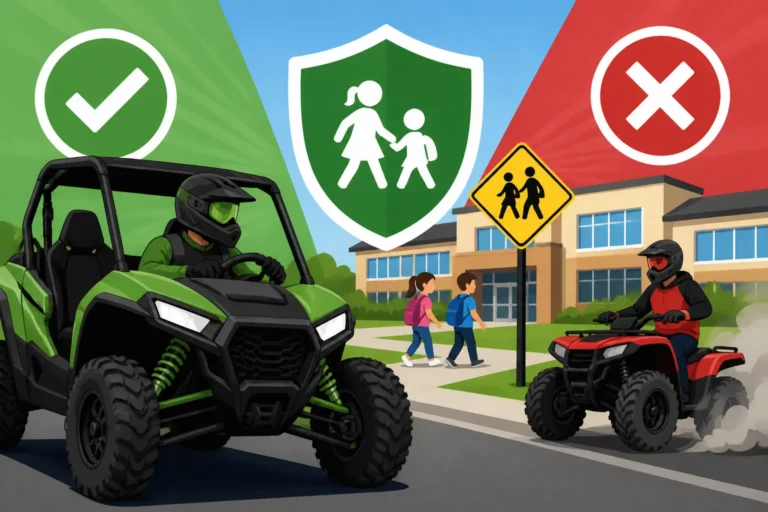
Cities, towns, and villages in Saskatchewan have the authority to enact their own bylaws governing the use of ATVs and UTVs on municipal land, roads, and public spaces. These bylaws are designed to address the specific concerns of urban living, such as noise complaints, pedestrian safety, traffic congestion, and property damage. For Regina, this means the city council has passed specific legislation that dictates where and when off-road vehicles can be operated within its boundaries. Often, these bylaws prohibit ATVs and UTVs from being operated on city streets, sidewalks, parks, and other public property, except in very limited circumstances such as for municipal work or emergency services. It’s a stark contrast to the more open rules you might find in less populated areas or on private land.
Why Regina is Different from Rural Saskatchewan
The vast open spaces of rural Saskatchewan offer a very different riding experience compared to the bustling streets and residential neighbourhoods of Regina. In many rural municipalities, or on private land, you have much more freedom to operate your ATV. Farmers might use their quads extensively on their land, and recreational riders might explore trails or ride along ditches (under specific provincial guidelines, of course). This often leads new residents or visitors to Regina to assume similar rules apply within the city, which is a big mistake.
Regina, like most major cities, prioritizes public safety and order within its urban environment. The infrastructure simply isn't designed to accommodate off-road vehicles on its paved roads and sidewalks. Imagine the chaos if ATVs were freely zipping through downtown traffic or across Wascana Centre! The city's bylaws reflect this need for structured use of public spaces. They are put in place to protect pedestrians, manage vehicular traffic, reduce noise disturbances, and maintain the integrity of public parks and green spaces. This is why you'll find strict prohibitions on ATV use in urban settings, even if your machine meets provincial safety standards. [Saskatchewan Municipalities With ATV Bylaws] are common, and each city's rules can be quite unique, so always check local regulations before you ride.
Understanding Regina's Specific ATV Bylaws and Restrictions
If you're an ATV or UTV owner in Regina, it’s imperative to understand the city's specific bylaws. The general provincial legislation might allow for certain types of ATV operation, but local rules will almost always take precedence within municipal boundaries. Many riders find this frustrating because they've invested in a machine designed for freedom and exploration, only to find their options severely limited in their own hometown. It's not about being anti-ATV; it's about managing a diverse urban environment where different types of vehicles and activities need their own designated spaces. Ignorance of these bylaws is not a defence, and peace officers are empowered to enforce them rigorously.
The City of Regina has clear guidelines regarding the operation of off-road vehicles, including ATVs and UTVs, within its corporate limits. While I cannot quote the exact bylaw numbers or fine amounts (as these change), the spirit of the legislation is generally prohibitive for recreational use on public property. This means you typically cannot ride your ATV on streets, highways, sidewalks, boulevards, public parks, sports fields, or any other public land within the city. The few exceptions are usually very specific, such as for municipal work or emergency services where special permits have been obtained. For the average rider looking to just go for a spin, Regina’s public spaces are largely off-limits.
Prohibited Areas and Rare Exceptions in Regina
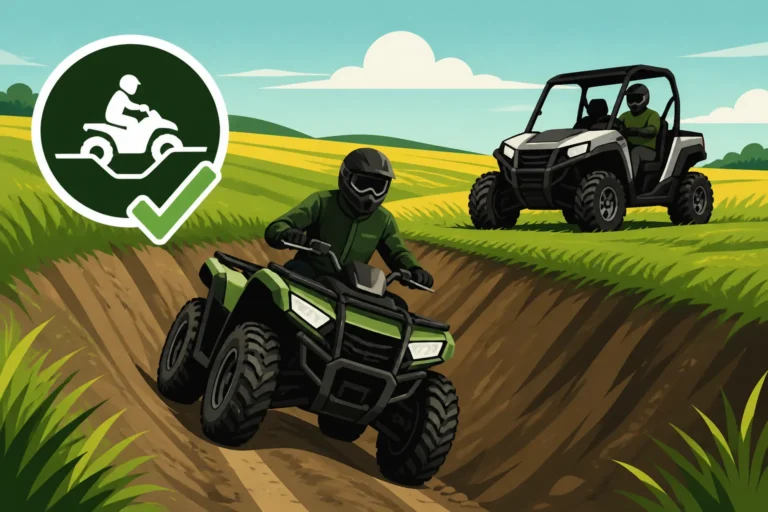
Generally speaking, almost all public property within the City of Regina is off-limits for ATV and UTV operation. This includes the obvious places like major thoroughfares such as Victoria Avenue, Ring Road, or Albert Street, but also extends to residential streets, back alleys, and even unpaved areas like green spaces and public easements. Even if a particular area looks like a suitable dirt track, if it’s on city-owned land or public access, it’s likely prohibited. This can be a tough pill to swallow for riders who might have moved from rural areas where ditch riding or using gravel roads is common. [Saskatchewan Ditch Riding and the 2-Metre Rule] is a provincial guideline, but within Regina, municipal bylaws will almost certainly override this on any city-maintained ditches.
There are very limited exceptions to these prohibitions. Typically, these exceptions are for individuals or entities performing official duties. For example, city workers using ATVs for park maintenance, utility crews accessing remote infrastructure, or emergency services responding to incidents might be authorized to operate machines in otherwise restricted areas. In some cases, a special event permit might allow for temporary, controlled ATV use, such as for a parade or a specific demonstration, but these are rare and require extensive prior approval from the city. For personal, recreational use, planning to ride in Regina is generally a non-starter. You really need to consult [Saskatchewan Bylaw Lookups Before You Ride] to understand the specific wording and any potential updates to Regina's rules.
Penalties for Non-Compliance in Regina
Disregarding Regina’s ATV bylaws can lead to significant consequences. When a peace officer, which includes members of the Regina Police Service, encounters an ATV or UTV being operated illegally within city limits, they have the authority to issue tickets and, in some cases, even seize the machine. The fines associated with bylaw infractions can be substantial, and they are separate from any provincial traffic infractions you might also incur if, for instance, you were caught riding on a paved road without the proper licensing or equipment. These penalties are in place to deter unsafe or disruptive behaviour and to uphold the city's regulations concerning public safety and nuisance.
Beyond monetary fines, there's the inconvenience and potential cost of having your machine impounded. If your ATV is seized, you’ll typically be responsible for impoundment fees, storage fees, and any administrative costs associated with getting your machine back. This can quickly add up, turning a quick illegal ride into a very expensive lesson. Moreover, any incident involving an unregistered or improperly operated vehicle could complicate insurance claims or civil liability if there's an accident. While Saskatchewan doesn't have a provincial ATV registry, proof of ownership, such as a bill of sale, and valid insurance are always crucial. [Saskatchewan Fines Capped at $1,000] is the provincial maximum for some offences under the ATV Act, but municipal bylaws can have their own fine schedules. Make sure you always carry [Saskatchewan Insurance Proof on the Trail] and any ownership documents.
Finding Legal and Enjoyable Riding Opportunities Near Regina
Given the stringent regulations within Regina’s city limits, the best approach for ATV and UTV enthusiasts is to seek out legal riding opportunities outside the city. Saskatchewan boasts vast landscapes and numerous areas where off-road vehicle use is permitted and encouraged, often offering far more enjoyable and challenging terrain than any urban street ever could. Planning a trip to a designated trail system or a rural area where riding is explicitly allowed is not only safer and legal but also provides a much more fulfilling experience for you and your machine. This means embracing the trailering lifestyle and knowing where to unload your machine for a proper adventure.
Finding good riding spots often involves looking to provincial parks with designated trails, Crown land where permits might be required, or private land with explicit permission from the owner. This shift from urban commuting to dedicated recreational riding is a key part of the ATV lifestyle in Saskatchewan. You might even consider joining a local ATV club, as these organizations often have agreements with landowners or maintain designated trail systems, providing structured and legal riding options. They are also a fantastic way to meet fellow enthusiasts and learn about new trails.
Permitted Riding Areas Outside City Limits
While Regina’s urban core is off-limits, there are excellent options within a reasonable drive. [Saskatchewan Riding Areas Within an Hour of Regina] might not be abundant for official, maintained trails, but exploring nearby rural municipalities or provincial parks is often the best bet. For instance, Moose Mountain Provincial Park, located a couple of hours southeast of Regina, offers a designated 47-kilometre multi-use trail system, perfect for ATVs and UTVs. While it's not an hour drive, it's a prime example of a legal, well-maintained place to ride. Always check park websites or local municipal offices for specific rules and any necessary permits before you go.
Another significant option is Crown land. While much of Saskatchewan's Crown land is accessible for various uses, specific regulations can apply to ATV operation, especially concerning sensitive ecosystems, wildlife habitats, or during fire bans. Always research the specific Crown land area you plan to visit and understand any restrictions. Getting [Saskatchewan Crown Land Access Rules] straight before you load up is essential. Remember, responsible riding means respecting the land, wildlife, and other users. This means staying on designated trails, practicing 'tread lightly' principles, and leaving no trace. Equipping your machine with durable parts from reputable suppliers like SuperATV can enhance its reliability for tackling diverse terrain, making your adventures safer and more enjoyable, especially when you're far from civilization.
Essential Gear for Responsible Riding Beyond the City
When you're heading out to the trails, whether it's a provincial park or a remote Crown land area, having the right gear is non-negotiable for safety and compliance. It’s not just about the thrill of the ride; it’s about being prepared for anything the Saskatchewan wilderness throws at you. First and foremost, a CSA-approved helmet and proper eye protection are mandatory province-wide. Don't skimp on these; your head and eyes are priceless. Beyond that, sturdy boots, long pants, and a long-sleeved shirt offer protection from branches, mud, and minor tumbles. Many riders also invest in gloves and chest protectors, especially for more aggressive riding.
Beyond personal protective equipment, think about your machine's readiness and emergency supplies. A basic tool kit, tire repair kit, and a small air compressor can save a day of riding if you get a flat. A winch is practically essential for bush riding or crossing muddy sections, especially if you're exploring [Saskatchewan Muskeg and Machines]. GPS navigation or a good old-fashioned map and compass are vital in areas with no cell service. And never forget a first-aid kit, some water, and perhaps a high-energy snack. Organizations like SuperATV offer a huge range of accessories, from winches and skid plates to lighting upgrades, which can significantly improve your machine's capability and safety for serious off-road adventures, ensuring you're ready for whatever the trail demands. [Saskatchewan Helmet and Eye Protection Rules] are minimums; consider going above and beyond.
Hauling Your Machine to a Legal Riding Spot
Since riding in Regina is largely out of the question, knowing how to safely and legally transport your ATV or UTV to a permissible riding area is crucial. Most riders use an open utility trailer or a specialized ATV trailer. When [Hauling a Machine to a Provincial Park] or any other destination, ensure your trailer is properly hitched, the machine is securely tied down using appropriate straps, and all lights are working. Overloading your vehicle or trailer is not only illegal but extremely dangerous. Always double-check your tires, bearings, and hitches before you depart, especially for longer drives.
When you arrive at your chosen riding spot, look for designated staging or unloading areas. These are typically marked and provide ample space for safely preparing your machine without obstructing others or damaging the environment. Many provincial parks, for example, have specific parking lots for trailers and off-road vehicles. Avoid driving off the main access roads to unload, as this could lead to unintended trespassing or damage to sensitive areas. Remember, you're a guest on the land, and leaving the area cleaner than you found it is part of responsible riding etiquette. Plan your route, check conditions, and arrive ready for a great day on the trails, leaving the urban restrictions of Regina far behind. Don't forget that [Saskatchewan Requires a Driver's Licence] to operate your tow vehicle, and make sure your [Saskatchewan Proof of Ownership on the Trail] is easily accessible, even when you're just trailering.
Here's a quick summary table to highlight the contrast:
| Feature | Riding ATVs in Regina | Riding ATVs Outside Regina (e.g., Provincial Parks, Crown Land) |
|---|---|---|
| Legality on Public Roads | Generally prohibited by municipal bylaws | Generally prohibited on paved highways; permitted on ditches/gravel roads under specific provincial rules |
| Designated Trails | None for recreational use | Often available (e.g., Moose Mountain Provincial Park) |
| Bylaw vs. Provincial Law | Municipal bylaws take precedence; highly restrictive | Provincial All Terrain Vehicles Act is primary; specific Crown land rules may apply |
| Required Equipment | Provincial helmet, eye protection, insurance apply, but use still illegal | Provincial helmet, eye protection, insurance required; additional safety/recovery gear highly recommended |
| Enforcement | Regina Police Service, bylaw officers; fines, possible impoundment | RCMP, conservation officers; provincial fines, possible seizure |
| Typical Use Case | Limited to official/emergency use with permits | Recreational riding, hunting, utility work, farming |
Disclaimer
This article is for general informational purposes only and does not constitute professional advice. Laws, prices and regulations vary by location and change over time. Consult a qualified professional for guidance on your specific situation.