How to Prove You Own an ATV in Saskatchewan
One of the most common head-scratchers for new and experienced ATV riders alike in Saskatchewan is how on earth you're supposed to prove ownership when the province doesn't even have a formal registration system for these machines. It can feel like you're operating in a legal grey area, leaving you vulnerable if your quad is stolen or if you need to sell it down the line. This guide will walk you through the essential steps and documents you need to confidently prove your ownership of an ATV or UTV in Saskatchewan, offering peace of mind and protecting your investment.
The Unique Saskatchewan Situation: No Provincial ATV Registry
For anyone coming from other provinces or even just used to how cars and trucks are handled, the lack of a provincial ATV registry in Saskatchewan can be genuinely confusing. You might even find yourself asking a dealer, "Do You Need to Register an ATV in Saskatchewan?" only to be met with a shrug. This isn't an oversight; it's simply how the system has evolved, or rather, hasn't evolved, for all-terrain vehicles. This unique approach means that the traditional methods of proving ownership—like a vehicle registration card or a title—simply don't exist here for quads.
Understanding Saskatchewan's Approach to ATVs
Saskatchewan has chosen a different path for ATVs compared to most other provinces. Instead of a centralized provincial registry that tracks ownership and issues plates or decals, the focus is placed on the operator's responsibilities and the safe operation of the machine. The provincial government has laid out clear guidelines in [Saskatchewan's All Terrain Vehicles Act] regarding age restrictions, helmet use, and where you can and cannot ride, but conspicuously absent is any requirement for a provincial registration or title. This can be fantastic for reducing red tape for riders, but it also places a greater burden on individuals to maintain their own proof of ownership. Without a government-issued document to fall back on, riders need to be diligent in keeping their personal records in order.
The Contrast with Snowmobiles
To add another layer to the confusion, Saskatchewan does register snowmobiles. This often leads to new ATV owners assuming their quad should also be registered. Snowmobiles are governed under separate legislation, and a [Saskatchewan Snowmobile Registration Runs $150 a Year], complete with a physical decal that must be displayed. This difference highlights the provincial government's distinct treatment of these two types of recreational vehicles. Because snowmobiles operate differently and often on designated trail systems, the province deemed a registration system necessary for funding and identification. For ATVs, however, that particular requirement was never implemented, leaving many riders in the lurch when it comes to formal proof. [Saskatchewan Registers Snowmobiles, Not ATVs] is a crucial distinction to remember.
Your Core Proof of Ownership: The Bill of Sale
In the absence of a provincial title or registration, the humble bill of sale becomes your absolute most critical document for proving ATV ownership in Saskatchewan. Think of it as your machine's birth certificate and ownership deed all rolled into one. Whether you're buying a brand-new quad from a dealership or picking up a well-used utility machine from a farm gate, a comprehensive and accurate bill of sale is non-negotiable. Without it, you might find yourself in a very difficult position should any questions arise about who truly owns the ATV. It's not just a receipt; it's your legal declaration of transfer.
What Makes a Valid Bill of Sale?
A valid bill of sale isn't just a scribble on a napkin. It needs to contain specific, essential information to hold up as proper proof of ownership. This document acts as a binding contract between the buyer and the seller, legally transferring possession. The absolute minimum details it should include are:
- Date of Sale: When the transaction officially took place.
- Full Names and Contact Information: The legal names, addresses, and phone numbers of both the buyer and the seller.
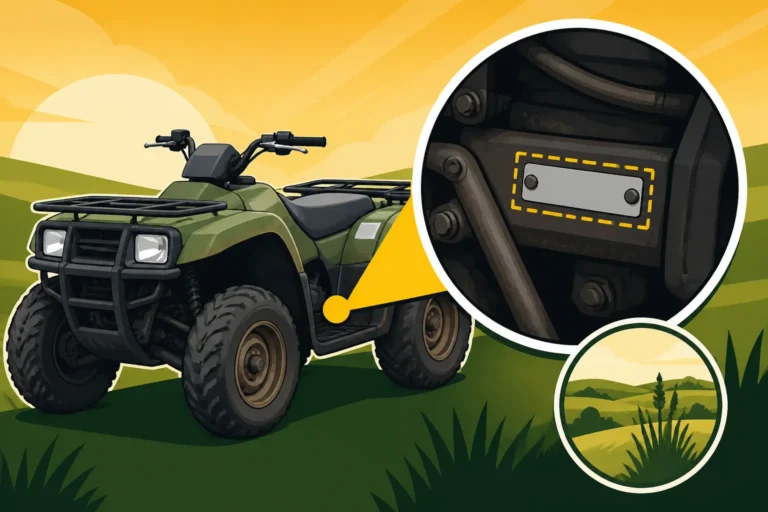
- Description of the ATV: This is where you get specific. Include the make, model, year, and crucially, the Vehicle Identification Number (VIN) or serial number. Without the VIN, the document could apply to any machine of that make and model, making it nearly useless for proving ownership of your specific quad.
- Purchase Price: The agreed-upon amount exchanged for the ATV.
- Signatures: Both the buyer's and seller's signatures, confirming their agreement to the terms.
- "As Is" Clause (Recommended for private sales): Clearly state that the machine is sold "as is, where is" without warranty. This protects the seller and informs the buyer.
Many people find it helpful to use a template to ensure all necessary fields are covered. Resources like LawDepot offer customizable bill of sale forms that can be adapted for ATV purchases, ensuring you don't miss any critical details. Having a professional-looking document also adds an air of legitimacy to your transaction.
The Importance of Specific Details
Beyond the basic requirements, adding more detail to your bill of sale can only strengthen your claim of ownership. For instance, if there were any unique identifiers on the ATV—like specific aftermarket accessories, modifications, or even minor damage noted at the time of sale—including these can further tie the document to that specific machine. Consider taking photographs of the ATV at the time of sale, especially photos that clearly show the VIN, and attach them or reference them in the bill of sale. This creates an undeniable visual record to accompany your written document.
For private sales, especially, getting a copy of the seller's driver's license number (and providing yours) on the bill of sale adds another layer of verification. This information helps confirm the identity of the parties involved, making it harder for someone to later dispute the sale or claim they weren't the rightful owner. Remember, [What Your Bill of Sale Needs to Cover] goes beyond just price and names.
Leveraging Online Resources for Templates
While a handwritten bill of sale is perfectly legal, using a pre-designed template provides structure and ensures consistency. Online platforms are invaluable for this. For example, LawDepot provides readily available templates for vehicle bills of sale that can be easily modified to fit an ATV purchase in Saskatchewan. These templates often include all the necessary legal language and fields, reducing the risk of errors or omissions that could undermine your proof of ownership down the line. Simply download, fill in the blanks with your specific details and the ATV's information, and print it out for signing. This small extra step can make a huge difference in clarity and legal standing.
Proving Ownership in Common Scenarios
Life throws all sorts of curveballs, and how you acquire your ATV can significantly impact the "paper trail" you'll have for proving ownership. Whether it's a shiny new machine from a dealership or a barn find with a bit of a mysterious past, understanding the documentation needed for each scenario is key to avoiding headaches later on. Without a formal registry, the onus is truly on you, the owner, to keep those records in pristine condition.
Buying from a Dealer
When you purchase a brand-new or used ATV from a licensed dealership in Saskatchewan, you typically receive a professional bill of sale or purchase agreement that outlines the transaction. This document should clearly list the dealership's information, your information, and all the specifics of the ATV, including the VIN. The dealership will also provide an invoice detailing the purchase price, any taxes (like [Saskatchewan PST at Purchase] and [Saskatchewan GST at Purchase]), and other fees. Keep both of these documents together in a safe place. Dealers are generally quite meticulous with their paperwork, so this is often the most straightforward scenario for establishing proof of ownership. They are required to keep records, which can be a valuable backup if your copies are ever lost.
Purchasing from a Private Seller
This is where things can get a bit more informal, and thus, where you need to be extra vigilant. When buying from a private seller, the bill of sale is your sole proof of ownership. It is absolutely paramount that you create one, even if the seller tries to brush it off. A simple, clear, and comprehensive [Saskatchewan Bills of Sale for a Quad] is essential. Do not rely on a casual handshake or a text message exchange. Make sure all the details mentioned earlier (names, addresses, VIN, price, date, signatures) are included. It's also a good idea to meet at a public place if possible, and perhaps even have a third party witness the exchange and sign the bill of sale as well. Consider using a template from a reputable source like LawDepot to ensure completeness and professionalism, even for a private transaction. [Saskatchewan ATV Paperwork for a Buyer] starts and ends with this document.
When You Have No Traditional Paperwork
Imagine you inherit an old quad from a family member, or perhaps you bought one years ago and the original paperwork has gone missing in a move or a flood. Proving ownership without a bill of sale can be incredibly challenging, but it's not always impossible. Your first step should be to try and reconstruct the paper trail. Can you contact the previous owner or their family? Even a sworn affidavit from them, detailing how they sold or gifted the machine to you, can be valuable.
If that's not possible, you might need to gather circumstantial evidence. Have you had the ATV insured in your name? Have you registered it with a municipality that issues plates (more on that below)? Do you have any receipts for repairs or parts purchased in your name for that specific machine? While none of these alone are definitive, a combination of such documents might help establish a history of ownership. In extreme cases, a lawyer might advise on a statutory declaration of ownership, but this should be a last resort. This is the scenario where [Saskatchewan Machines With No Paperwork] becomes a real headache.
Importing an ATV into Saskatchewan
If you're bringing an ATV into Saskatchewan from another province or even another country, your proof of ownership will initially rely on the documentation from its place of origin. This might include a provincial registration certificate, a title, or a bill of sale from the previous jurisdiction. When you cross the border, you will also receive customs documentation if it's an international import. Keep all of these documents safe. While Saskatchewan won't register your ATV, these initial documents will serve as your primary proof that you legally acquired the machine. You should then create a Saskatchewan-specific bill of sale if you ever sell it within the province, but for your own records, the import papers are paramount. [Saskatchewan Paperwork for a New Resident] means keeping what you brought with you.
Beyond the Bill of Sale: Supporting Evidence
While the bill of sale is your undisputed champion for proving ownership, it's always a good idea to have a supporting cast of documents. These supplementary records can bolster your claim, especially in situations where the bill of sale might be challenged or has gone missing. Think of them as secondary lines of defence that help paint a more complete picture of your ownership.
The Role of Insurance Policies
Having an ATV insurance policy in your name is strong circumstantial evidence of ownership. Insurance companies require proof of insurable interest, meaning you must own the machine to insure it. Your policy documents, particularly the declarations page, will list you as the policyholder and detail the ATV (make, model, VIN). If your bill of sale were ever questioned, an active insurance policy held in your name for that specific machine for an extended period could serve as powerful supporting evidence. [Saskatchewan Insurance Requirements for Riders] are critical not just for liability, but for your ownership proof. Consider getting a standalone policy from a broker rather than just relying on a general home insurance rider.
Financial Records and Loan Documents
If you financed the purchase of your ATV, your loan documents from the bank, credit union, or dealership are another excellent form of supporting evidence. These documents clearly state that you are the borrower and that the ATV (identified by its VIN) is the collateral for the loan. They establish a financial link between you and the machine, further reinforcing your claim of ownership. Even if you paid cash, bank statements or cancelled cheques showing the transaction can be useful. Keep these financial records alongside your bill of sale. [Financing an Unregistered Machine in Saskatchewan] is common, and these loan papers help solidify your claim.
What About Municipal Plates?
Some municipalities in Saskatchewan have taken matters into their own hands and developed their own local ATV permit or plate systems. Places like the District of Lakeland and the Village of Candle Lake require local registration and issue a physical plate or decal for ATVs operating within their boundaries. While these are not provincial registrations, the records kept by these municipalities can serve as another layer of proof of ownership. When you register with the municipality, you typically provide proof of your identity and often your bill of sale, linking you to the machine in their local database. So, if you live in or frequently ride in an area with a municipal plate scheme, obtaining one not only ensures local compliance but also adds another official document to your ownership portfolio. [Saskatchewan Municipal Plate Schemes] are a response to the provincial void and can be a handy tool.
In summary, while Saskatchewan doesn't offer a simple provincial registration card for your ATV, being diligent with your paperwork, especially your bill of sale, and keeping good records will ensure you can always prove your ownership when it counts.
| Document Type | Purpose | Importance in Saskatchewan (ATV) |
|---|---|---|
| Bill of Sale | Legal transfer of ownership from seller to buyer. | Crucial – Primary proof. |
| Purchase Agreement/Invoice | Details of sale from a dealer. | High – Supports bill of sale. |
| Insurance Policy | Proof of insurable interest, links owner to VIN. | High – Strong supporting evidence. |
| Loan/Financing Docs | Establishes financial link and identifies collateral. | High – Strong supporting evidence. |
| Previous Registration/Title | For imported machines, shows prior legal ownership. | High – Initial proof for imports. |
| Municipal Plate/Permit | Local record linking owner to machine, for specific areas. | Medium – Supporting, locality-dependent. |
| Repair/Maintenance Receipts | Shows ongoing care/investment by owner. | Low-Medium – Circumstantial evidence. |
| Photographic Evidence | Visual record of VIN and machine condition at sale. | Low-Medium – Augments written proof. |
Disclaimer
This article is for general informational purposes only and does not constitute professional advice. Laws, prices and regulations vary by location and change over time. Consult a qualified professional for guidance on your specific situation.