Saskatchewan Crown Land Prohibition Regulations
For many Saskatchewan ATV and UTV riders, the vast, open spaces of our province are a huge draw, offering unparalleled freedom and adventure. However, the idea of just heading out onto "Crown land" often comes with a whole lot of confusion, worry, and sometimes, even unexpected fines. It's frustrating to think you're exploring legally only to find out you've inadvertently broken a rule. This guide is here to untangle the complexities of Saskatchewan's Crown Land Prohibition Regulations, helping you understand where you can ride, where you can't, and why, so you can enjoy the trails without the headache.
Understanding Crown Land in Saskatchewan
Before we dive into the nitty-gritty of prohibitions, it's crucial to grasp what "Crown land" actually refers to here in Saskatchewan. It’s not just any undeveloped patch of ground; it's a specific designation with particular rules, often misunderstood by those new to off-road riding or even long-time residents.
Defining Crown Land
In Saskatchewan, Crown land is essentially public land, owned by the provincial government, and managed on behalf of all residents. This includes a huge variety of landscapes: vast tracts of forest in the north, marshlands, native grasslands, lakeshores, riverbanks, and even some agricultural fields leased out to farmers and ranchers. Unlike private property, which has a clear owner you can ask for permission from, Crown land's ownership is collective, and therefore, its usage is governed by specific regulations designed to protect ecological integrity, ensure sustainable use, and manage various competing interests. It's easy to assume that because it's "public" land, it's open for all activities, but that's a common misconception that can lead to trouble.
Why the Province Regulates It
The provincial government has a significant responsibility to manage Crown land for a multitude of purposes. This isn't just about recreation; it's about conservation, resource extraction (like forestry and mining), agriculture through grazing leases, and protecting sensitive ecosystems. For example, certain areas might be critical habitats for endangered species, while others might contain historically significant sites. Unregulated ATV and UTV use can lead to environmental damage, such as soil erosion, disruption of wildlife, spread of invasive species, and conflict with other land users like hikers, hunters, or those working on agricultural leases. The regulations are an attempt to balance these diverse needs and prevent misuse, ensuring that these lands remain valuable for future generations.
Different Types of Crown Land
Not all Crown land is created equal when it comes to ATV and UTV access. The regulations often depend on the specific designation of the land. For instance, provincial parks like Moose Mountain or Narrow Hills often have very specific [Saskatchewan Park Regulations for Machines] that dictate where and when you can ride, usually limiting access to designated trails. Forest lands might have different rules than active grazing leases. There are also ecological reserves, wildlife management areas, and areas set aside for Indigenous communities, all with their own unique restrictions. It’s not a one-size-fits-all situation, and understanding these distinctions is key to riding responsibly. Imagine riding through what you think is open bush only to find out it's a sensitive wildlife breeding ground; the regulations aim to prevent such unintentional harm.
The "Prohibition Regulations": What They Actually Mean
Now for the core of the matter: what exactly do these "Prohibition Regulations" say about riding your ATV or UTV on Crown land in Saskatchewan? It's important to recognize that the general stance is restrictive, with exceptions, rather than permissive with restrictions. This is a critical distinction that many riders overlook.
The General Ban on Off-Road Vehicles
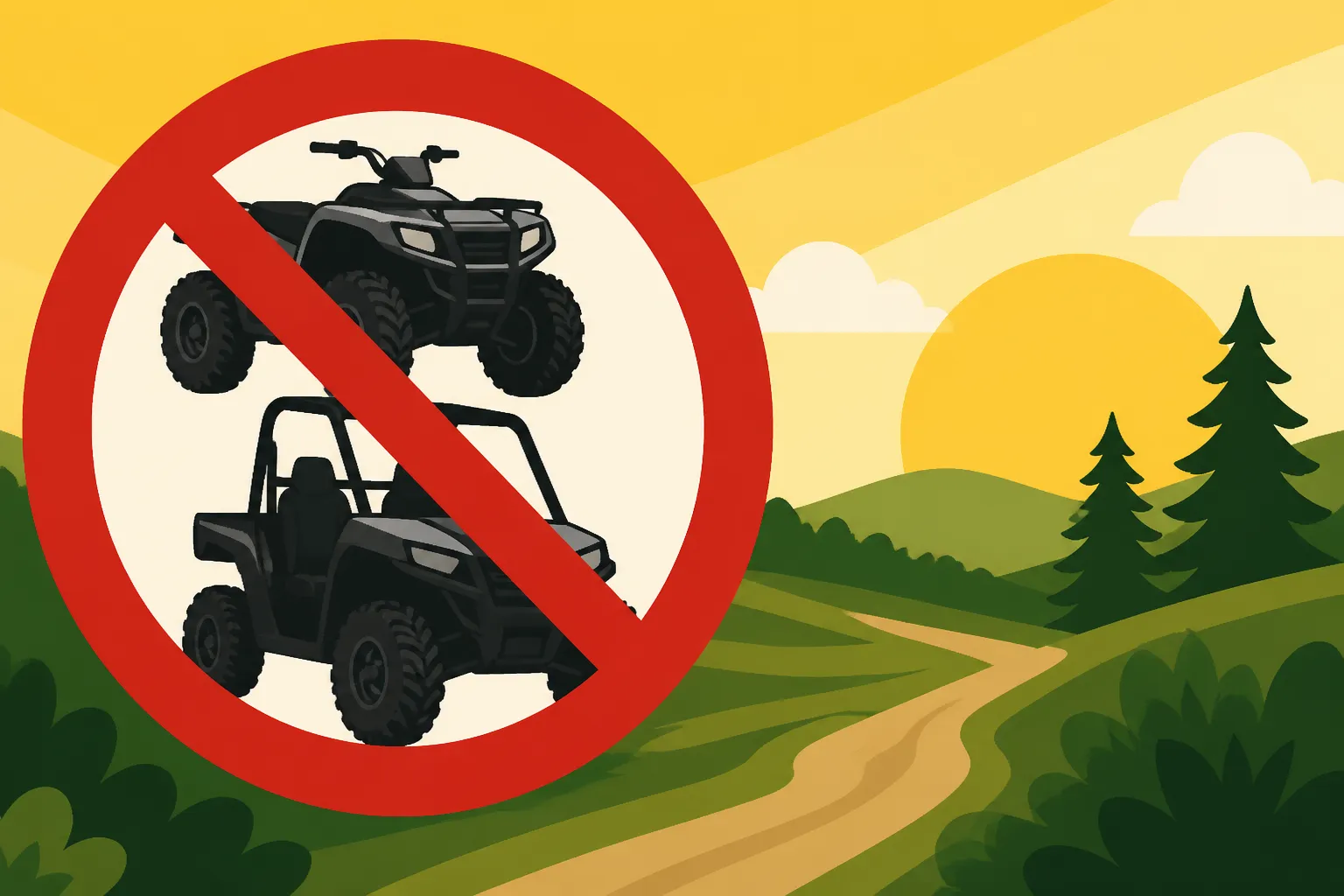
The Saskatchewan Crown Land Prohibition Regulations generally state that off-road vehicles (which include ATVs and UTVs) are prohibited from operating on specific types of Crown land, particularly those under the administration of the Ministry of Environment. This isn't a blanket ban across all Crown land in the province, but it applies to significant portions, especially forested areas, provincial forests, and other environmentally sensitive zones. The intent is clear: to minimize disturbance in areas deemed crucial for wildlife, timber production, or ecological preservation. This means you can't just pick a spot on a map that looks like Crown land and assume it's fair game for riding. The onus is on the rider to know where they are and if their machine is permitted.
Specific Exclusions and Exemptions
While the general rule is prohibitive, there are indeed situations and areas where ATVs and UTVs are permitted on Crown land. These are typically explicit exclusions or exemptions written into the regulations. For example, some regulations might permit operation for specific purposes, such as ranching or farming on leased Crown land, or for resource exploration and development. These uses are usually tied to official activities, not recreational riding. There are also areas where designated trails have been established specifically for off-road vehicle use. These trails are often developed in partnership with local clubs and the province, offering legitimate places to ride. It's a bit like having a "no swimming" sign at a lake, but then seeing a specific designated beach area where swimming is allowed.
The Administrator's Role in Orders
A key component of these regulations is the power given to an "administrator" (typically a provincial official) to issue specific [Orders That Close Crown Land to Quads]. These orders can be temporary or permanent and are often issued in response to environmental conditions, such as high fire risk during wildfire season, or to protect specific wildlife populations during nesting or calving periods. For instance, during a severe drought, an administrator might issue a temporary ban on all off-road vehicle traffic in a provincial forest to prevent sparks from igniting a wildfire. These orders are legally binding, and ignoring them can lead to significant penalties. Staying informed about these local, dynamic closures is just as important as knowing the standing regulations.
When and Where ATVs Can Be Used on Crown Land
Given the general prohibitions, it’s fair to wonder: where can you actually ride your ATV or UTV on Crown land in Saskatchewan without breaking the rules? While it requires a bit of homework, there are legitimate opportunities for responsible riders.
Designated Trails and Areas
The most straightforward answer to "where can I ride?" is on designated trails and in areas explicitly open for off-road vehicle use. These are usually established through partnerships between the provincial government and organized ATV clubs, often under specific use agreements. These trails are generally marked and maintained, providing a legal and often safer riding experience. [Saskatchewan ATV Clubs Worth Joining] often play a crucial role in advocating for, developing, and maintaining these precious few legal riding areas. You'll find these areas detailed on maps provided by the province's parks or forestry divisions, or through ATV enthusiast groups. Think of parks like Moose Mountain Provincial Park, which offers specific trails that welcome ATVs, provided you follow their specific permit requirements and rules.
Occupant Permission
Another significant exemption revolves around occupied Crown land, such as grazing leases or land where a cabin or commercial operation exists. If an individual or company holds a lease or permit for Crown land, they generally have the right to allow or disallow access to that land. This is where the concept of [Saskatchewan Grazing Lease Permission] comes into play. If you want to ride across a Crown grazing lease, you must obtain permission from the leaseholder first. It’s akin to asking permission to cross private farmland. The leaseholder has a legal interest in managing that land, and unauthorized riding can interfere with their operations, livestock, or infrastructure. Often, a simple conversation or a formal written agreement, perhaps even drafted using resources like LawDepot for clarity, can smooth things over and grant you legal access. Always respect the land and the leaseholder's wishes.
Winter Water Body Exception
One notable exception to Crown land prohibitions often applies to frozen water bodies. The [Saskatchewan Winter Water Body Exception] allows for the operation of ATVs and UTVs on the frozen surfaces of lakes and rivers that lie within or traverse prohibited Crown land areas, provided the ice conditions are safe and other regulations are followed. This is a common practice for ice fishing, accessing cabins, or simply enjoying winter recreation. However, it's critical to understand that this exception typically only applies to the surface of the ice, not the surrounding land. You can't use the frozen lake as a highway to access prohibited shorelines or adjacent bush areas. Always exercise extreme caution on ice, as conditions can change rapidly and unpredictably. No recreational pursuit is worth the risk of falling through.
Consequences of Violating Crown Land Regulations
Riding where you shouldn't on Crown land isn't just a minor infraction; it can lead to serious consequences, both financially and in terms of losing your machine. The province takes these regulations seriously, primarily to protect natural resources and prevent conflicts.
Fines and Penalties
The most immediate consequence of violating Crown land prohibition regulations is a fine. Under [Saskatchewan Fines Capped at $1,000], operators found riding in prohibited areas can face substantial monetary penalties. These fines are not trivial and are intended to deter unauthorized use. Imagine planning a fun weekend ride and then receiving a ticket for hundreds of dollars – it quickly erases any enjoyment. Repeat offenses or violations that cause significant environmental damage can lead to even higher penalties, and in some cases, legal action beyond just a simple ticket. It's a stark reminder that ignorance of the law is generally not considered an excuse.
Vehicle Seizure and Impoundment
Perhaps the most feared consequence for any rider is having their machine seized. In Saskatchewan, peace officers have the authority under the [Saskatchewan Seizure and Impoundment Rules] to confiscate ATVs or UTVs that are being operated unlawfully on Crown land. This isn't just a temporary inconvenience; getting a seized machine released can be a lengthy, costly, and bureaucratic process. You might have to pay impoundment fees, storage costs, and potentially legal fees on top of any fines. It's a situation no one wants to find themselves in, and it’s a powerful deterrent. Imagine your prized UTV, which you've invested thousands in, sitting in an impound lot for weeks or months, racking up bills. This possibility alone should make any rider double-check their route and permissions.
Owner Liability
Beyond the direct operator, the owner of the ATV or UTV can also face liability. If you lend your machine to someone who then operates it illegally on Crown land, you as the owner could be held responsible for the violation, even if you weren't present. This highlights the importance of knowing who is riding your machine and ensuring they understand and follow all relevant laws and regulations. It also underscores why, if you are obtaining permission from a landholder (perhaps a rancher for [Getting Consent From a Grazing Lease Holder]), having a clear written agreement—something a service like LawDepot can help formalize—is crucial. This formalizes who is responsible for what, protecting all parties involved from unexpected legal troubles.
Navigating Crown Land: Best Practices for ATV Riders
Riding on Crown land in Saskatchewan doesn't have to be a minefield of prohibitions and potential fines. With a bit of foresight and adherence to best practices, you can enjoy the vast beauty of our province responsibly and legally.
Checking Regulations Before You Ride
The absolute golden rule for anyone planning to ride on Crown land is to do your homework before you even load your machine onto the trailer. This means actively researching the specific area you intend to visit. Check the Ministry of Environment website, consult provincial parks' official guides, or contact local municipal offices. Many areas have specific bylaws or orders that dictate ATV use. Are there any [Saskatchewan Wildfire Closures and Riding] in effect? Is there an active fire ban that prohibits off-road vehicle use in the area? These details are dynamic and can change with little notice, especially during wildfire season. Relying on outdated information or assumptions is a recipe for trouble.
Obtaining Necessary Permissions
If you plan to ride on Crown land that is leased for agriculture (like a grazing lease), or if you need to cross private land to access a legal riding area, getting explicit permission is non-negotiable. Don't just assume silence means consent. A friendly phone call or a face-to-face chat with the leaseholder or landowner can save you a lot of grief. For Crown land that is occupied for other purposes, such as a remote cabin or a commercial trapping line, seek permission from the occupant. Sometimes, putting these permissions in writing can prevent misunderstandings down the road. Using a service like LawDepot to create a simple agreement or permission form can provide clarity and peace of mind for both you and the land user. This formal approach solidifies your right to be there and protects you from trespass accusations.
Using Technology for Navigation
In today's world, there's no excuse for getting lost or accidentally straying into a prohibited area. GPS devices, smartphone apps with topographical maps, and downloaded trail maps (often available from government websites or ATV clubs) are invaluable tools. Mark your intended route, know the boundaries of restricted areas, and monitor your position in real-time. Many riders even download [Saskatchewan ATV Trail Map Downloads] directly to their devices. A good GPS unit can show you exactly where the Crown land boundaries are, where specific leases begin, and where designated trails end, allowing you to ride with confidence. Always carry a physical map and compass as a backup, though, as electronics can fail in remote areas. Knowing your location means you can confidently adhere to [Saskatchewan Crown Land Access Rules] and avoid venturing where you shouldn't.
Future of ATV Access on Crown Land
The landscape of ATV and UTV access on Crown land in Saskatchewan is not static. It's a dynamic environment shaped by ongoing discussions, advocacy, and the evolving needs of both recreational users and conservation efforts.
Lobbying Efforts for More Access
There are ongoing efforts by various groups, including organized ATV clubs and recreational associations, to advocate for more designated riding opportunities on Crown land. These groups often work with the provincial government to identify suitable areas for trail development and to highlight the economic and recreational benefits of responsible ATV tourism. They argue that providing legitimate, managed trails can actually reduce illegal riding by giving enthusiasts clear, safe, and sanctioned places to ride. These discussions are slow and involve many stakeholders, but they represent a path forward for expanding legal access.
The Role of ATV Clubs in Trail Development
As mentioned, ATV clubs are absolutely vital in this conversation. They often spearhead trail development projects, volunteer their time for maintenance, and serve as the organized voice for riders. Many clubs in Saskatchewan work directly with the province, entering into formal agreements to manage and maintain trails on Crown land. By joining a club, riders not only gain access to group rides and local expertise but also contribute to the collective effort of creating and preserving legal riding areas. These clubs are instrumental in fostering a culture of responsible riding, promoting safety, and ensuring that the future of ATVing on Crown land in Saskatchewan is a positive one. They are the boots on the ground making a difference.
Balancing Recreation and Conservation
Ultimately, the future of ATV access on Crown land hinges on striking a sustainable balance between recreational opportunities and the imperative of conservation. The provincial government has a mandate to protect ecosystems, manage resources, and ensure the long-term health of these lands. This means that any expansion of ATV access will likely come with stringent conditions, environmental assessments, and ongoing monitoring. Riders, in turn, have a responsibility to demonstrate that they can be stewards of the land, adhering to regulations, practicing "tread lightly" principles, and supporting initiatives that promote environmental protection. It's a give-and-take relationship: by riding responsibly, respecting wildlife, and staying on designated paths, riders can build trust and open doors for future access.
Disclaimer
This article is for general informational purposes only and does not constitute professional advice. Laws, prices and regulations vary by location and change over time. Consult a qualified professional for guidance on your specific situation.