Saskatchewan ATV Paperwork for a Buyer
If you're looking to buy an ATV or UTV in Saskatchewan, you might feel a knot in your stomach when you start thinking about the "paperwork." Unlike almost every other vehicle you've ever owned, there's no provincial registration to transfer, no official title certificate, and definitely no shiny government-issued plate to attach. This can leave many buyers scratching their heads, wondering exactly what documents they need to prove ownership and stay legal. This guide will walk you through everything you need to know about purchasing an ATV in Saskatchewan, making sure you're properly equipped with the right paperwork, whether you're buying new or used, from a dealer or a private seller.
The Unique Landscape of ATV Ownership in Saskatchewan
It's a common misconception, one that throws many new and even seasoned riders for a loop: the idea that your ATV needs to be registered with the provincial government. But here in Saskatchewan, the rules for All-Terrain Vehicles (ATVs) and Utility Terrain Vehicles (UTVs) operate on a different wavelength compared to cars, trucks, and even snowmobiles. This unique approach can be a source of confusion, but once you understand the core principles, the paperwork becomes much clearer.
Why Saskatchewan Doesn't Register ATVs
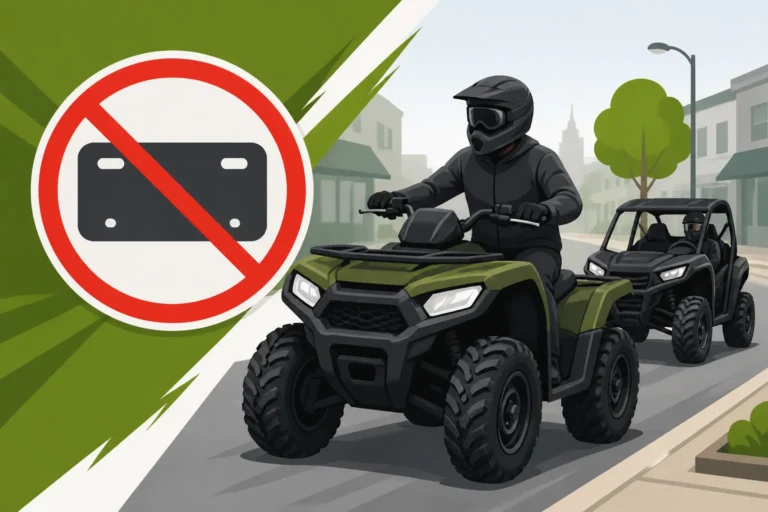
Let's get this out of the way upfront: Saskatchewan simply does not have a provincial registry for ATVs. That's right, there's no central government database where your quad's Vehicle Identification Number (VIN) is tied to your name, no annual sticker to renew, and no provincial license plate. This can be jarring, especially if you're used to the detailed registration processes for other vehicles or if you've moved here from another province where ATVs are registered. The historical reasons for this are varied, but the reality is, [Saskatchewan Does Not Register ATVs], and that fundamentally changes how you prove ownership.
This lack of registration often leads to a lot of questions and sometimes, outright frustration. People worry about theft, about proving their ownership in case of an accident, or simply about having the "right" documents. The key takeaway is that the absence of a provincial registry doesn't mean a free-for-all; it just means the responsibility for maintaining proof of ownership falls squarely on the buyer, primarily through a robust bill of sale. It's a system that relies on private documentation rather than government oversight for tracking ownership.
What "Unregistered" Truly Means for Buyers
When we say ATVs are "unregistered," it means a few things for you as a buyer. Firstly, you won't be visiting a provincial SGI office to complete any transfer paperwork. Secondly, there's no official record for law enforcement to quickly cross-reference if your machine is stolen or involved in an incident, which places a greater onus on you to keep meticulous records. This also means that checking the history of a used machine for prior owners or liens can be more challenging without a central registry.
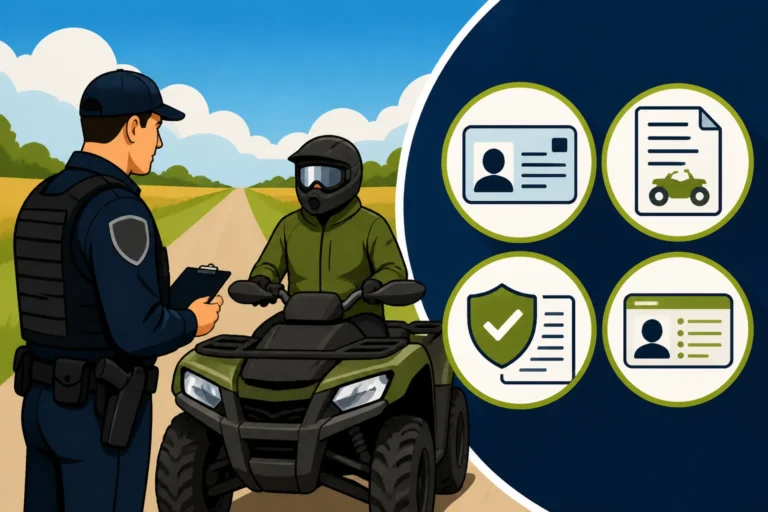
However, "unregistered" does not mean you're off the hook for rules and regulations. Far from it! You still need to carry proof of insurance, adhere to strict operating laws regarding age, helmets, and where you can ride, and be mindful of any specific municipal bylaws that might require a local permit. The "unregistered" status specifically pertains to the ownership documentation aspect, not the rules of operation. It’s crucial to separate these two concepts in your mind.
The Role of the Bill of Sale in Lieu of Registration
Given the absence of a provincial registry, the bill of sale isn't just a formality; it is the single most important document you will possess as an ATV owner in Saskatchewan. Think of it as your ATV's birth certificate, title, and registration all rolled into one. It’s the legal record that unequivocally proves you are the rightful owner of the machine. Without a properly executed bill of sale, especially for a private sale, you could find yourself in a very difficult position if your ownership is ever challenged. [Saskatchewan Bills of Sale Do the Work] of establishing legal ownership.
This document is what you'll show to an insurance company, a peace officer if requested, or use if you ever need to sell the machine yourself. It establishes a clear chain of ownership from the previous owner to you, which is paramount in a system without government registration. Many people underestimate its importance, thinking a casual handwritten note will suffice. However, a comprehensive, detailed bill of sale is your best friend and legal safeguard.
Essential Documents for Your ATV Purchase
Whether you're walking into a dealership or shaking hands over a used quad in a farmyard, the paperwork involved in an ATV purchase in Saskatchewan revolves heavily around one critical document: the bill of sale. Getting this right is not just about dotting "i"s and crossing "t"s; it's about protecting your investment and ensuring you have legitimate proof of ownership from day one.
The Importance of a Comprehensive Bill of Sale
A comprehensive bill of sale is your legal shield. It’s not just proof that money changed hands; it’s a detailed record of the transaction that includes all relevant information about the ATV, the buyer, and the seller. This document is essential for several reasons. Firstly, it provides undeniable proof that you legally purchased the ATV, which is vital for insurance purposes or if the machine is ever stolen and recovered. [How to Prove You Own an ATV in Saskatchewan] starts with a solid bill of sale.
Secondly, a good bill of sale helps protect you from potential legal disputes. If there's ever a question about the condition of the ATV at the time of sale, or if the seller misrepresented something, a detailed bill of sale can provide clarity. It can also help establish the value of the machine for tax purposes, particularly if you're bringing it into the province or if there are specific municipal taxes to consider. Think of it as laying the groundwork for a smooth ownership experience, free from future headaches.
What Your Bill of Sale Needs to Include
To be truly comprehensive and legally sound, your bill of sale should contain specific pieces of information. Don't skimp on the details; the more information, the better protected you are. Here’s a checklist of what every good ATV bill of sale in Saskatchewan should cover:
- Date of Sale: The exact day the transaction occurred.
- Buyer's Information: Full legal name, current address, and contact information.
- Seller's Information: Full legal name, current address, and contact information.
- ATV Description:
- Make (e.g., Honda, Polaris, Can-Am)
- Model (e.g., Foreman, RZR, Outlander)
- Year
- Colour
- Vehicle Identification Number (VIN): This is absolutely critical. Double-check it against the physical VIN on the machine.
- Odometer/Hour Meter Reading (if applicable): Note the mileage or hours at the time of sale.
- Any major accessories or modifications included in the sale (e.g., winch, plow, extra tires).
- Purchase Price: The agreed-upon amount in Canadian dollars.
- Payment Method: How the payment was made (cash, e-transfer, bank draft, etc.).
- Warranty/As-Is Clause: Clearly state if the ATV is being sold "as-is, where-is" with no warranty (common in private sales) or if any specific warranty applies.
- Signatures: Both the buyer and seller must sign and date the document. It's highly recommended to have a witness (or two) present, and have them sign as well, especially for private sales.
- Lien Release (if applicable): If the seller had a loan on the ATV, ensure you get a release confirming the lien has been paid off.
You can often find templates online, from resources like LawDepot, that provide a structured format for a bill of sale, ensuring you don't miss any critical fields. It’s a good idea to print two copies – one for you and one for the seller.
Dealing with Dealer Paperwork vs. Private Sales
The process for obtaining your paperwork will differ significantly depending on whether you're buying from a licensed dealer or a private individual.
Dealer Purchases:
When you buy from a reputable Saskatchewan ATV dealer, they generally handle all the paperwork meticulously. They will provide you with a professional bill of sale, often printed and detailed, which serves as your primary proof of ownership. They're also responsible for collecting and remitting provincial sales tax (PST) and federal Goods and Services Tax (GST) on your purchase. Dealers typically include a detailed breakdown of the machine, any added accessories, freight, and documentation fees. They might also offer extended warranties, financing, and insurance options. While the dealer paperwork is usually robust, it's still your responsibility to review it carefully before signing and keep your copy in a safe place. You'll also likely receive a new owner's manual and any manufacturer warranty information.
Private Sales:
Buying from a private seller requires much more diligence on your part, as you are responsible for ensuring the bill of sale is complete and accurate. This is where a customizable template from a service like LawDepot can be incredibly helpful. You'll need to draft the document yourself or work with the seller to ensure all the critical information listed above is included. For private sales, the buyer is generally responsible for self-assessing and remitting the Saskatchewan PST directly to the government, as the used goods exemption doesn't apply to ATVs. [Saskatchewan PST at Purchase] is something to be aware of even in private transactions. Without a dealer to guide you, it's vital to confirm the seller is the legal owner and to verify the VIN matches all documents. Consider asking for their ID to cross-reference with the name on any previous bill of sale they might possess.
Navigating Different Buying Scenarios
The paperwork trail can look a little different depending on the specific circumstances of your ATV acquisition. Whether it’s a used machine from a local ad, an import from out of province, or even a gift from a family member, knowing what documentation to expect and what you're responsible for collecting is key to a smooth process.
Buying a Used ATV Privately
Purchasing a used ATV from a private seller is a common route for many Saskatchewan riders. This is where the bill of sale truly shines as your definitive proof of ownership. Beyond a thorough inspection of the machine itself, your focus should heavily be on the documentation. Make sure the seller provides a clear, detailed bill of sale that includes all the information outlined previously, especially the VIN. It's not uncommon for private sellers to use a basic handwritten note, but as a buyer, insist on more detail. A template from LawDepot can be a great tool for this, allowing you to fill in all the necessary fields clearly.
Before handing over any money, ask the seller for their previous bill of sale or any other proof of ownership they might have. This helps establish a clear chain of title and confirms they are the legitimate owner. If the seller can't produce any previous paperwork, proceed with extreme caution. This could indicate a stolen machine or potential ownership disputes down the road. While there's no provincial registry to check for liens, it's always wise to ask the seller directly if there are any outstanding financial obligations on the machine.
Purchasing from an Out-of-Province Seller
Bringing an ATV into Saskatchewan from another province or even the United States adds a few extra layers to the paperwork process. The fundamental principle of a strong bill of sale remains the same – it's your primary proof of ownership. However, you'll also need to consider sales taxes and potentially customs documentation if importing from outside Canada.
- From Another Canadian Province: If you buy an ATV from Alberta, Manitoba, or any other Canadian province, you'll need the seller's bill of sale. Depending on where the ATV was purchased, it might have been registered in that province. If so, ensure you get any necessary release documents or confirmation that the registration has been cancelled or transferred out of their name. Upon bringing it into Saskatchewan, you'll generally be responsible for remitting Saskatchewan PST on the purchase price, just as you would for a private sale within the province. Keep all shipping receipts and the bill of sale handy to prove when and where you acquired it.
- From the United States: Importing an ATV from the US involves customs declarations and duties. You'll need the bill of sale from the US seller, and you'll need to formally declare the ATV at the border. Customs officials will assess any applicable duties and federal GST. Once it's cleared customs, you'll then be responsible for remitting Saskatchewan PST. Ensure you keep all customs documentation, including proof of duties and taxes paid, along with your bill of sale. This becomes part of the ATV's essential paperwork history.
Acquiring an ATV Through Gift or Inheritance
Sometimes an ATV enters your life not through a purchase, but as a gift or through inheritance. Even in these scenarios, proper documentation is paramount to establish your ownership.
- Gifted ATV: If someone gifts you an ATV, you still need a document that formally transfers ownership. A "gift bill of sale" or a formal letter of gift can serve this purpose. This document should still include all the details of the ATV (make, model, VIN, etc.) and the full names and contact information of both the giver and the recipient. It should clearly state that the ATV is being transferred as a gift, with no money exchanged. This helps to avoid any confusion regarding sales tax later on and provides you with the necessary proof of ownership.
- Inherited ATV: If you inherit an ATV as part of an estate, the executor of the estate should provide you with documentation confirming the transfer of ownership. This might be a letter from the executor, a copy of the will indicating the ATV's specific bequest, or a bill of sale from the estate to you (even if for a nominal amount). You'll also need the original owner's bill of sale or other proof of ownership to complete the chain of documentation. This can be a bit more complex, especially if multiple heirs are involved, so ensuring clear, written proof from the estate's representative is crucial. [Saskatchewan Paperwork After the Owner Dies] explains this in more detail.
Additional Considerations for New ATV Owners
Beyond the core proof of ownership, there are other important pieces of paperwork and obligations that every new ATV owner in Saskatchewan needs to be aware of. These often get overlooked in the excitement of a new machine but are critical for legal and safe operation.
Understanding Taxes on Your ATV Purchase
Regardless of whether you buy from a dealer or a private seller, new or used, taxes are generally part of the equation. In Saskatchewan, you'll encounter two main taxes:
- Provincial Sales Tax (PST): Saskatchewan applies a provincial sales tax to ATV purchases. If you buy from a dealer, they will collect the PST (and GST) at the time of sale. If you buy privately, you, as the buyer, are legally obligated to self-assess and remit the PST directly to the Saskatchewan Ministry of Finance. It's a percentage of the purchase price. Many private buyers mistakenly believe they don't owe PST on a used item, but ATVs fall into a category where this exemption does not apply. Keep your bill of sale as proof of purchase and value for PST calculation.
- Goods and Services Tax (GST): This is a federal tax. Dealers will collect GST on new and used ATVs. In private sales, GST is generally not collected unless the seller is a GST registrant (e.g., a business selling off an asset).
It's vital to budget for these taxes when planning your ATV purchase to avoid any unwelcome surprises. The combined provincial and federal tax rates can add a significant amount to your total cost.
The Role of Insurance Without Registration
While there's no provincial registration, having proper insurance for your ATV is not optional; it's a legal requirement to operate on public lands, ditches, or wherever the [Saskatchewan All Terrain Vehicles Act] applies. This is one piece of "paperwork" you must carry with you when riding.
Your insurance policy should provide at least the minimum required third-party liability coverage. This protects you financially if you're involved in an accident and cause injury or damage to another person or their property. Many riders also choose to add comprehensive and collision coverage to protect their own machine from theft, damage, or other incidents. You'll obtain this insurance through a private broker, as SGI does not provide basic plate insurance for ATVs in the same way it does for registered vehicles. [Saskatchewan ATV Insurance Requirements] are clear on this point.
| Document Type | New ATV (Dealer) | Used ATV (Private Sale) | Gifted/Inherited ATV |
|---|---|---|---|
| Bill of Sale | Provided by dealer, detailed & professional. | Drafted by buyer/seller, crucial for proof of ownership. | Gift letter or executor's transfer document. |
| Previous Bill of Sale | Not applicable (new machine). | Highly recommended to verify seller's ownership. | Essential from previous owner/estate. |
| Manufacturer's Certificate of Origin (MCO) | Provided by dealer for new machines. | Not typically available for used machines. | Not typically available for inherited machines. |
| Tax Documentation | Dealer collects PST & GST. | Buyer self-assesses & remits PST to province. GST usually not collected. | No PST/GST if truly a gift/inheritance (document carefully). |
| Proof of Insurance | Essential before riding, obtained privately. | Essential before riding, obtained privately. | Essential before riding, obtained privately. |
| Lien Release | Dealer ensures clear title (if applicable). | Important to confirm no outstanding liens from seller. | N/A (unless previous owner had a lien). |
| Customs/Import Docs | N/A (unless dealer imported). | Required if buying from outside Canada. | Required if originating from outside Canada. |
| Owner's Manual | Provided by dealer. | Ask seller for it. | Ask executor for it. |
Remember, carrying proof of your valid insurance policy on your person or on the machine itself is a non-negotiable part of riding legally in Saskatchewan. A police officer or conservation officer can request to see it at any time, and not having it can result in a ticket.
Local Municipal Permits: An Extra Layer of Paperwork
While the province doesn't register ATVs, some individual municipalities, particularly those with a significant recreational riding presence like the Resort Villages around Candle Lake or the District of Lakeland, have implemented their own local permit or plate schemes. These are not provincial registrations but rather local bylaws designed to regulate ATV use within their specific boundaries and often fund local trail maintenance.
If you plan to ride your ATV in one of these areas, you might need to visit the local municipal office to obtain a permit or plate, which typically comes with a small annual fee. This is additional paperwork that would be required in addition to your bill of sale and insurance. Make sure to check the bylaws of any municipality where you intend to ride, as the rules, fees, and requirements vary greatly. [Which Municipalities Run Their Own Plate Scheme] can help you determine if this applies to your riding plans. Don't assume that because the province doesn't require a plate, no one does! Getting caught without a required municipal permit can result in fines.
In summary, buying an ATV in Saskatchewan boils down to a few core principles: a meticulous bill of sale is your registration, insurance is mandatory, and you need to be aware of local bylaws. Armed with this knowledge and the right documents, you'll be ready to hit the trails with confidence and peace of mind.
Disclaimer
This article is for general informational purposes only and does not constitute professional advice. Laws, prices and regulations vary by location and change over time. Consult a qualified professional for guidance on your specific situation.