Saskatchewan Machines Used on a Lease
It can be incredibly frustrating to acquire an ATV or UTV, brimming with excitement for exploring Saskatchewan's vast landscapes, only to realize that navigating the rules for riding on leased land feels like trying to read a map printed in invisible ink. You know the machine is yours, but the land isn't, and figuring out who you need permission from, what kind of permission, and what rules apply can stop you dead in your tracks. This guide is here to unravel the complexities of using your machine on various types of leased land across Saskatchewan, helping you understand your responsibilities and how to ensure you're riding legally and respectfully.
Understanding Leased Land in Saskatchewan
When we talk about "leased land" in Saskatchewan, it's not a single, simple category. It encompasses a variety of arrangements where an individual or entity has the right to use land they don't own, often for specific purposes. For ATV and UTV riders, this distinction is crucial because the permissions and restrictions can vary significantly based on the type of lease and the land's underlying ownership. It's not just about getting a permission slip; it's about getting permission from the right person, under the right conditions.
Different Types of Leased Land
The most common types of leased land you might encounter as an ATV or UTV owner in Saskatchewan include agricultural leases (like grazing leases or cultivated land leases) and recreational leases (such as a cabin lease on Crown land or even a private arrangement for hunting access). Each comes with its own set of nuances that directly impact your ability to ride your machine there.
For instance, a vast amount of Saskatchewan's land is Crown land, managed by the provincial government, but a significant portion of this Crown land is leased out, primarily for agricultural purposes like cattle grazing. When land is under a grazing lease, the leaseholder has specific rights and responsibilities, but these don't necessarily extend to granting broad recreational access. They're leasing it to raise livestock, not to run an ATV park. Similarly, a private landowner might lease out a quarter section for farming, and while the farmer (the lessee) has rights to operate equipment, they might not have the authority to invite others to ride ATVs for recreation. It's always a good idea to think about the primary purpose of the lease and how your ATV use fits into that picture.
Who Holds the Authority for Access?
This is where many riders stumble. On leased land, there are typically two parties involved: the landowner (who might be the Crown or a private individual) and the lessee (the person or entity leasing the land). Both have a vested interest and potentially some control over who accesses the land and for what purpose. Generally, to ride on leased land, you need permission from the party who has control over recreational access. This is often the lessee, but sometimes the landowner's explicit permission is also required, especially if the lease agreement has specific clauses about third-party access or recreational use.
For example, if you want to ride your ATV on a Crown grazing lease, you generally need the permission of the grazing leaseholder. However, the Crown land regulations themselves still apply, and some activities might be restricted regardless of the leaseholder's permission. It’s a bit like asking your friend if you can use their car that they’re leasing—they might say yes, but you still need to follow the rules of the car rental company and the law! This dual layer of permission means you can't just assume. Always clarify who has the authority to grant you permission for the specific type of ATV use you intend.
The Legal Landscape for ATVs on Leased Land
Saskatchewan has specific legislation governing the operation of ATVs and UTVs, most notably [Saskatchewan's All Terrain Vehicles Act]. While the Act primarily focuses on safe operation, age restrictions, and equipment requirements, it also has implications for where you can and cannot ride, including on leased lands. Understanding these overarching rules is crucial before you even approach anyone for permission.
Saskatchewan's All Terrain Vehicles Act and Leased Land
The provincial Act itself doesn't explicitly differentiate between privately owned land and privately leased land when it comes to the general rules of operation. However, a key principle that underpins all land access in Saskatchewan, whether owned or leased, is the concept of trespass. The Act does not give you an inherent right to ride your ATV on any land you don't own or have explicit permission to use. This means that if you're riding on leased land without proper authorization, you could be subject to [Saskatchewan Trespass Law for Riders], even if you thought it was "just open land."
The general philosophy is that if it's not a designated public trail or explicitly opened for ATV use, you need permission. This principle applies equally to a field leased by a farmer for crops as it does to a quarter section owned outright by a rancher. The legal onus is always on the rider to ensure they have the right to be there. This is why a casual nod from someone isn't enough; you need clear, undeniable permission.
Crown Land Regulations and Lease Overlays
Many leased lands in Saskatchewan are actually Crown lands with a lease overlay. This adds another layer of regulation. While you might get permission from a grazing leaseholder, you still need to be aware of [Saskatchewan Crown Land Prohibition Regulations]. These regulations can restrict ATV use in certain areas or during specific times, regardless of any lease agreement. For example, some sensitive ecological areas on Crown land might be entirely off-limits to ATVs, even if they fall within a grazing lease.
It's a complex dance between the provincial ATV Act, the specific terms of the lease agreement, and any overlying Crown land regulations. Riders often assume that if a piece of land is "Crown land," it's open season, or that if someone holds a lease, they can grant full access. Both assumptions can lead to legal trouble. Always verify the status of the land and any specific restrictions that might apply. Consulting a local land office or even the leaseholder themselves about Crown land regulations specific to their lease area is always a smart move.
Securing Permission for Riding on Leased Land
Obtaining proper permission is not just a polite request; it's a legal necessity. Without it, you could face fines, have your machine impounded, and even create lasting animosity with landowners and leaseholders. Trust me, it's far better to spend a bit of time getting permission upfront than to deal with the headache of a trespass charge later.
The Importance of Written Consent
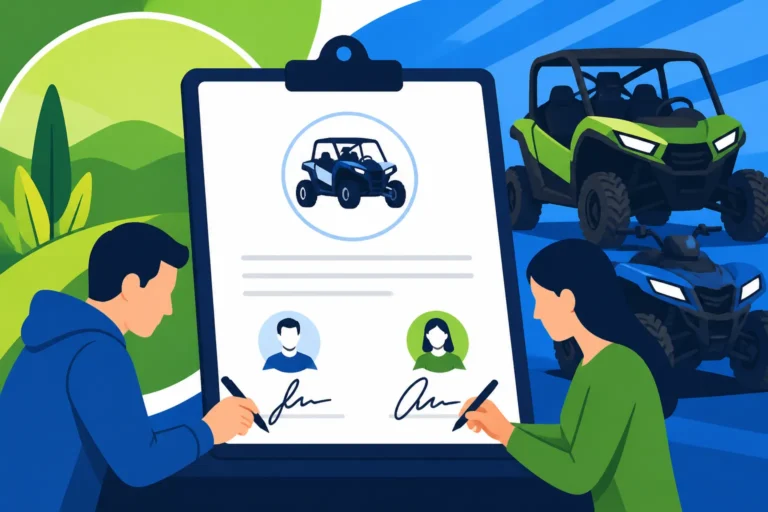
While a verbal agreement might feel sufficient, especially with friends or family, written consent is always the gold standard when it comes to riding on leased land. A written agreement clearly outlines the terms of your access, what areas you can ride, any time restrictions, and who is responsible for what. This protects both you and the leaseholder/landowner. What happens if there's an accident? Or if property is damaged? Without written proof, it becomes a "he said, she said" situation, which is never fun.
A simple letter stating permission, signed by the leaseholder or landowner, is often enough. For more complex arrangements, especially if you plan to use the land frequently or for specific purposes (like hunting), a more formal agreement might be warranted. Platforms like LawDepot offer templates for land use agreements or permission letters that can be customized to your specific needs. This can save you a lot of time and provide a professional framework for your request. Always make sure the document clearly identifies the parties involved, the specific land parcel (e.g., legal land description), the duration of permission, and any agreed-upon conditions for ATV use.
What to Include in a Permission Agreement
When drafting or requesting a permission agreement, consider including the following details:
- Parties Involved: Full names and contact information for the landowner/leaseholder granting permission and the rider(s) receiving it.
- Land Description: A clear and accurate legal land description of the property. This removes any ambiguity about where you are allowed to ride.
- Purpose of Use: State that the permission is for ATV/UTV riding for recreational purposes, or specifically for activities like [Saskatchewan Game Retrieval by Machine] if applicable.
- Duration: Specify the dates or period for which the permission is valid. Is it a one-time thing, for a specific season, or ongoing?
- Conditions: Any specific rules, such as speed limits, areas to avoid (e.g., near livestock, sensitive habitats), gate protocols, or whether passengers are permitted.
- Indemnification/Liability: While this can get complex, a simple statement that the rider assumes responsibility for their actions and potential damages can be important. This ties into [Saskatchewan Owner Liability Rules].
- Signatures and Date: Both parties should sign and date the agreement.
Having a clear, detailed agreement protects everyone. It avoids misunderstandings and provides a legal document if any issues arise. Remember, even with permission, you are still bound by the general rules of [Saskatchewan ATV Road Rules Explained] if you happen to cross a road or use a ditch to access the leased property.
Practical Considerations for Riding on Leased Land
Beyond the legalities of permission, there are practical steps you can take to ensure a smooth and responsible riding experience on leased land. These considerations protect you, your machine, and your relationship with the leaseholder and the land itself.
Respecting the Land and Its Primary Use
When you're riding on someone's leased land, remember that it's their workspace, their livelihood, or their personal space. Treat it with the utmost respect. If it's a grazing lease, be mindful of livestock. Drive slowly around cattle, and never harass or chase them. Close gates behind you, even if you found them open. Livestock escaping can lead to serious consequences for the leaseholder. If it's cultivated land, stick to tracks or designated paths and avoid driving over crops. Understanding the primary use of the land, whether it's for ranching, farming, or conservation, will guide your behaviour and help you be a responsible rider.
It's also essential to carry proof of your permission with you when you ride. A physical copy of your written consent, along with your [Saskatchewan Insurance Requirements for Riders] proof, should always be on hand. If a peace officer or the leaseholder themselves questions your presence, having your papers in order can prevent a lot of trouble. This is also important for proving [Saskatchewan Proof of Ownership Without a Registry] if any questions arise about your machine itself.
Machine Preparedness and Emergency Planning
Riding on leased land, especially in remote areas, means being prepared. Ensure your ATV or UTV is in good working order, with sufficient fuel, properly inflated tires, and all safety equipment functioning. Carry a basic toolkit, a first aid kit, and sufficient water and snacks. Cell service can be spotty in many rural parts of Saskatchewan, so don't rely on your phone for navigation or emergencies. Consider carrying a satellite messenger or letting someone know your planned route and estimated return time.
| Type of Leased Land | Common Purpose | Primary Permission Giver | Key Rider Responsibility |
|---|---|---|---|
| Crown Grazing Lease | Livestock grazing | Grazing Leaseholder (plus Crown rules) | Avoid disturbing livestock, close gates, respect Crown regulations |
| Private Agricultural Lease | Farming, crops | Farmer (Lessee) & Landowner | Stick to trails, avoid crops, no unnecessary disruption |
| Crown Recreational Lease | Cabin, hunting camp | Leaseholder (plus Crown rules) | Follow lease agreement, respect environmental rules |
| Private Recreational Lease | Hunting, cabin, trails | Landowner (and/or Lessee) | Adhere to specific use terms, avoid trespass |
When riding on a lease, especially one with livestock, be aware of the environment. Look out for fences, watering holes, and any farm equipment. It's also a good idea to know who to call in an emergency, both for yourself and if you encounter a problem on the land, like a broken fence or distressed animal. Keeping a copy of the leaseholder's contact information readily accessible is always a smart practice.
Building Relationships and Ongoing Access
The best way to ensure continued access to leased land for riding is to be an exemplary guest. Build a good relationship with the leaseholder or landowner. Communicate openly, report any issues you observe, and always leave the land better than you found it. This might mean picking up any litter, avoiding muddy areas after a rain, or simply checking in periodically.
Many long-term access arrangements are built on trust and mutual respect. If you consistently show that you're a responsible rider who values their property, you're much more likely to retain permission. Conversely, even a single instance of irresponsible riding can lead to permission being revoked for everyone. Be an ambassador for responsible ATV and UTV use, and you'll find more gates open to you in the future. Remember that for extensive access to Crown land in general, understanding [Saskatchewan Crown Land Access Rules] and [Saskatchewan Grazing Lease Access Rules] will be invaluable.
Disclaimer
This article is for general informational purposes only and does not constitute professional advice. Laws, prices and regulations vary by location and change over time. Consult a qualified professional for guidance on your specific situation.