Saskatchewan Paperwork After the Owner Dies
Dealing with the passing of a loved one is an incredibly difficult time, filled with grief and often a mountain of administrative tasks. When that loved one owned an ATV or UTV in Saskatchewan, the paperwork can feel even more confusing, especially since these machines aren't registered with the province like cars are. This guide will walk you through the steps to navigate the transfer of ownership or sale of an ATV after an owner has died, making a challenging process a little clearer.
Why ATVs Are Different in Saskatchewan Estates
One of the biggest sources of confusion when handling a deceased loved one's ATV or UTV is the common assumption that all vehicles have a provincial registration or title. In Saskatchewan, this simply isn't the case for ATVs and UTVs. Unlike snowmobiles, which have a provincial registration system, your quad doesn't have a plate, a registration document, or a provincial title that would typically be transferred through a government agency. This unique situation means that proving ownership and facilitating a transfer relies heavily on other documents, primarily a strong bill of sale.
No Provincial ATV Registry Means No Easy Transfer
It’s a common frustration many people encounter: you're trying to do the right thing, follow all the rules, and yet you can't find a provincial office to register or transfer the ATV. This isn't because you're missing something; it's because it doesn't exist. The province has made a policy decision not to register ATVs, so there's no central database to check, and no standard form to fill out for a transfer. This can feel like you're operating in a legal grey area, but rest assured, the process simply relies on different legal principles. [Saskatchewan Does Not Register ATVs] is a concept many find surprising, but it's crucial to understand when dealing with an estate.
The Bill of Sale Stands In for a Title
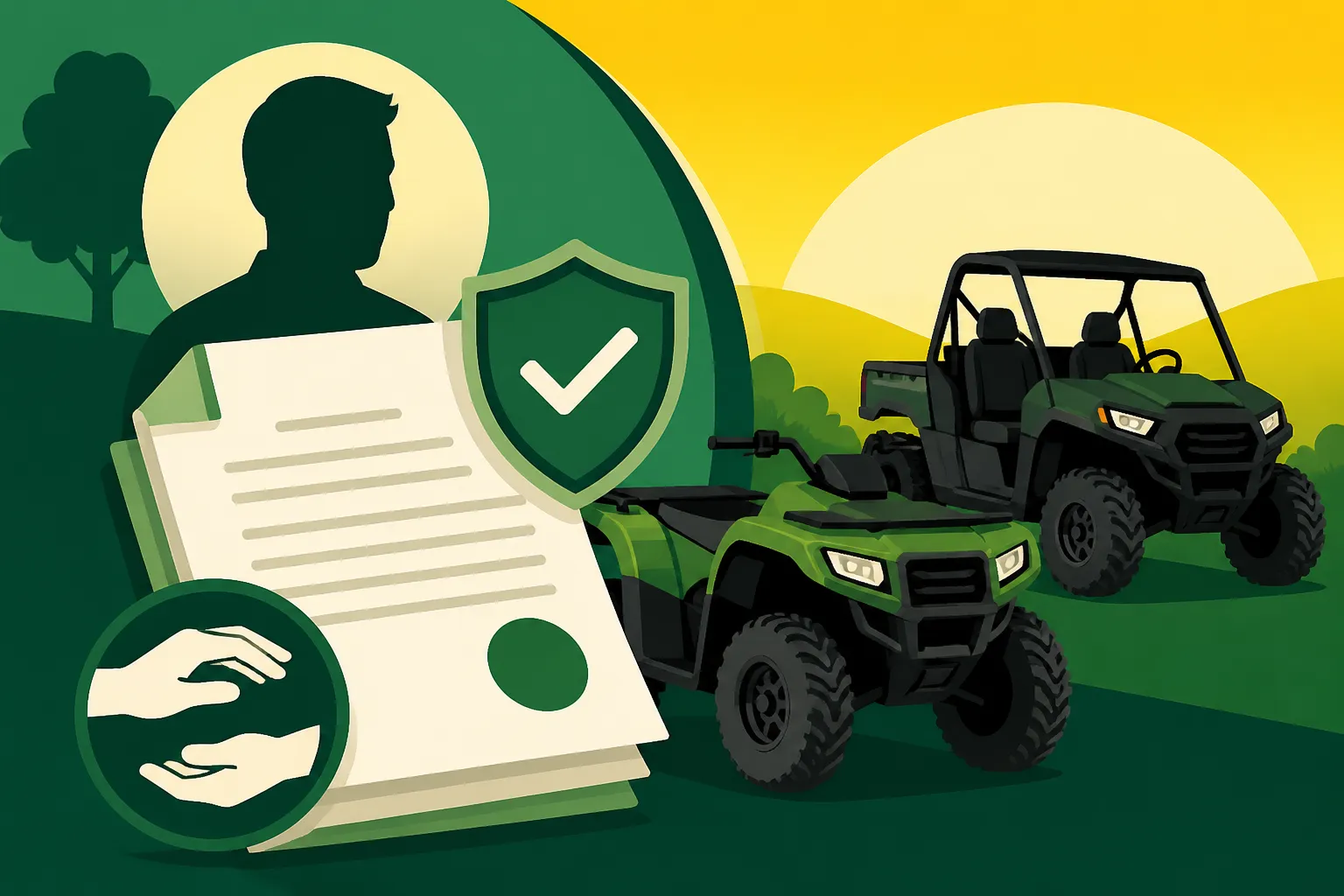
Because there's no official title document, the bill of sale becomes the foundational piece of paperwork for proving ownership. When someone buys an ATV, whether new from a dealer or used from a private seller, that bill of sale is their proof. In the unfortunate event of their passing, this document is what the executor or administrator of the estate will need to establish that the ATV truly belonged to the deceased. Without it, things can become much more complicated, almost as if you’re trying to prove ownership of any piece of personal property without a receipt. [Your Bill of Sale Stands In for a Registration] highlights the critical role this document plays.
Identifying Key Documents and Roles in the Estate
When an ATV owner passes away, the first step is to gather all relevant documents and understand who is legally empowered to act on behalf of the estate. This is where the presence or absence of a will makes a significant difference.
The Importance of a Will
If the deceased left a valid will, it generally names an executor (or executrix). This person is legally responsible for managing the deceased's estate, paying debts, and distributing assets according to the will's instructions. The will itself is a crucial document, as it grants the executor the authority to act. For an ATV, the will might specifically mention the machine, or it might be covered under a general clause for personal property. The executor's role is to ensure that assets like the ATV are handled correctly, whether that means transferring it to an heir or selling it to convert into cash for the estate. This legal authority is paramount. You might even find templates on sites like LawDepot for creating such documents, which can provide a useful framework for future planning.
What Happens Without a Will (Intestacy)
If the deceased did not have a will (a situation known as intestacy), the process becomes more complex. In this scenario, the provincial laws of intestacy dictate how assets are distributed. A court will typically appoint an administrator for the estate, often a close family member, who will then have similar responsibilities to an executor. Getting appointed as an administrator involves a court application for Letters of Administration, which can take time and add to the emotional burden. Without a will, decisions about who inherits the ATV, or if it should be sold, are determined by law, not by the deceased's wishes, which can sometimes lead to family disagreements.
Locating the Original Bill of Sale
Regardless of whether there's a will, finding the original bill of sale for the ATV is paramount. This document should detail:
- The seller's name and contact information
- The buyer's name (the deceased)
- The date of sale
- A clear description of the ATV (make, model, year, and crucially, the Vehicle Identification Number or VIN/serial number).
- The purchase price.
If the bill of sale can't be found, you might need to check bank statements or credit card records for proof of purchase, or even contact the dealer if it was purchased new. Sometimes, if the ATV was older or purchased privately many years ago, the bill of sale might be a simple handwritten note. Even these informal documents are valuable. [Saskatchewan Paperwork Without a Receipt] can be a real headache, so hunting down that bill of sale is critical.
Transferring Ownership of the ATV
Once the executor or administrator is legally established, and the bill of sale is located, the next steps depend on whether the ATV is being kept by an heir or sold.
Transferring to an Heir
If the will specifies that the ATV goes to a particular person, or if intestacy rules dictate an heir, the executor/administrator will facilitate this transfer. Since there's no provincial registry, this involves creating a new document to formally transfer ownership from the estate to the heir.
- Estate Documents: The heir will need a copy of the deceased's will (if applicable) and the Grant of Probate (for an executor) or Letters of Administration (for an administrator). These prove the legal authority of the person making the transfer.
- New Bill of Sale: The executor/administrator will then draft a new bill of sale. This document should state that the estate, represented by the executor/administrator, is selling or gifting the ATV to the heir. It should include all the ATV's details (VIN, make, model), the heir's information, and clearly state that it's an estate transfer, often for "nil" consideration if it's a gift.
- Heir's Records: The heir should keep this new bill of sale along with a copy of the original bill of sale (if available) and the estate documents as their proof of ownership. This is their primary evidence should they ever need to sell the ATV or prove ownership to an insurance company. For formalizing such documents, resources like LawDepot can be quite helpful in generating legally sound templates.
What If There Are Multiple Heirs?
If the ATV is to be shared among multiple heirs, or if they jointly decide to keep it, their names can all be included on the new bill of sale from the estate. However, it's often simpler for one person to take ownership and then work out any financial arrangements among themselves. Having [Saskatchewan Paperwork With Two Owners] can complicate future sales if all parties aren't readily available to sign.
Selling the Deceased's ATV
Sometimes, the most practical solution for an estate is to sell the ATV. This generates funds that can be used to pay estate debts or be distributed among heirs. The executor or administrator has the legal authority to sell estate assets.
Preparing the ATV for Sale
Before listing the ATV, ensure it's in good working order and presentable. Gather all available service records, owner's manuals, and any accessory documentation. Take clear, well-lit photos. Be upfront about its condition.
The Sales Process
- Listing: List the ATV through usual channels, such as online marketplaces, local classifieds, or by contacting local ATV dealers.
- Buyer Vetting: Be prepared for questions from potential buyers, especially regarding the history of the machine and why it's being sold.
- New Bill of Sale: When a buyer is found, the executor/administrator will provide them with a new bill of sale. This document must clearly state that the seller is the estate (e.g., "The Estate of [Deceased's Name], represented by [Executor's Name], Executor"). It should include:
- The full legal name of the deceased's estate.
- The full name and contact information of the executor or administrator.
- A statement that the executor/administrator is legally authorized to sell the ATV.
- The buyer's full name and contact information.
- A detailed description of the ATV (make, model, year, VIN/serial number).
- The agreed-upon sale price.
- The date of sale.
- Signatures of both the executor/administrator and the buyer.
- Proof of Authority: It is highly recommended that the executor/administrator also provide the buyer with a copy of the Grant of Probate or Letters of Administration. This provides crucial evidence to the buyer that the person selling the ATV has the legal right to do so, protecting them from future claims of improper sale. This transparency can make buyers feel more secure about purchasing an unregistered machine.
- Taxes: Remember that sales tax (PST and GST) may apply depending on whether the sale is considered "new" (from a dealer who acts on behalf of the estate to sell it) or a private sale. Generally, private sales of used goods between individuals do not incur PST in Saskatchewan, but it's always wise to confirm current regulations or consult with the estate's lawyer. [Saskatchewan Tax on a Private ATV Sale] is a topic many buyers and sellers are curious about.
Scenarios and Best Practices
Dealing with an estate is rarely straightforward. Here are some common scenarios and best practices to keep in mind.
Lost Original Bill of Sale
If the original bill of sale is lost, you'll need to gather alternative proof of ownership. This could include:
- Dealer Records: If purchased new, the dealership might have records of the sale.
- Insurance Records: The deceased's insurance company may have records of the ATV being insured in their name.
- Bank/Credit Card Statements: Proof of payment for the ATV.
- Photos/Videos: Evidence of the deceased with the ATV.
- Affidavits: Sworn statements from individuals who can attest to the deceased's ownership.
While these don't replace a bill of sale, they can help establish a chain of ownership, especially when used in conjunction with estate documents to create a new bill of sale for an heir or buyer.
Dealing with Liens
Before transferring or selling, it's crucial to check if there are any outstanding liens on the ATV. Even without a provincial registration, financial institutions can register liens against personal property in Saskatchewan. A PPSA (Personal Property Registry) search can reveal if there are any registered security interests. If there's an outstanding loan, the proceeds from the sale will typically need to be used to pay off the lien first. [Saskatchewan Liens on an Unregistered Machine] can be a nasty surprise if not checked.
Table of Key Documents for ATV Estate Handling
| Document Type | Purpose | Importance in Estate | Where to Find/Create |
|---|---|---|---|
| Will | Outlines deceased's wishes, names executor | High | Deceased's personal papers, lawyer's office |
| Grant of Probate | Court order confirming validity of will & executor's authority | High | Probate court |
| Letters of Administration | Court order appointing administrator (if no will) & their authority | High | Probate court |
| Original Bill of Sale | Primary proof of deceased's ownership of ATV | Very High | Deceased's personal papers, financial records, dealer (if new) |
| New Bill of Sale (Estate to Heir/Buyer) | Formal transfer of ownership from estate to new owner | High | Created by executor/administrator (e.g., using a template from LawDepot) |
| PPSA Search Report | Reveals any outstanding liens against the ATV | Medium | Saskatchewan Information Services Corporation (ISC) |
| Insurance Policy | Proof of insurance, historical ownership reference | Medium | Deceased's insurance provider |
Seeking Professional Advice
Estate law can be intricate, and navigating the specifics of an estate, especially without a will, can be overwhelming. It's always a good idea to consult with an estate lawyer or legal professional in Saskatchewan. They can provide guidance tailored to your specific situation, ensure all legal requirements are met, and help minimize potential complications or disputes among family members. While online resources like LawDepot can provide useful templates, a lawyer's advice is invaluable for complex situations.
Navigating the paperwork for an ATV after an owner dies in Saskatchewan requires attention to detail and an understanding of the province's unique approach to ATV ownership. By carefully handling the will, executor/administrator roles, and the crucial bill of sale, you can ensure a smooth transition, allowing everyone involved to focus on healing rather than bureaucratic hurdles.
Disclaimer
This article is for general informational purposes only and does not constitute professional advice. Laws, prices and regulations vary by location and change over time. Consult a qualified professional for guidance on your specific situation.