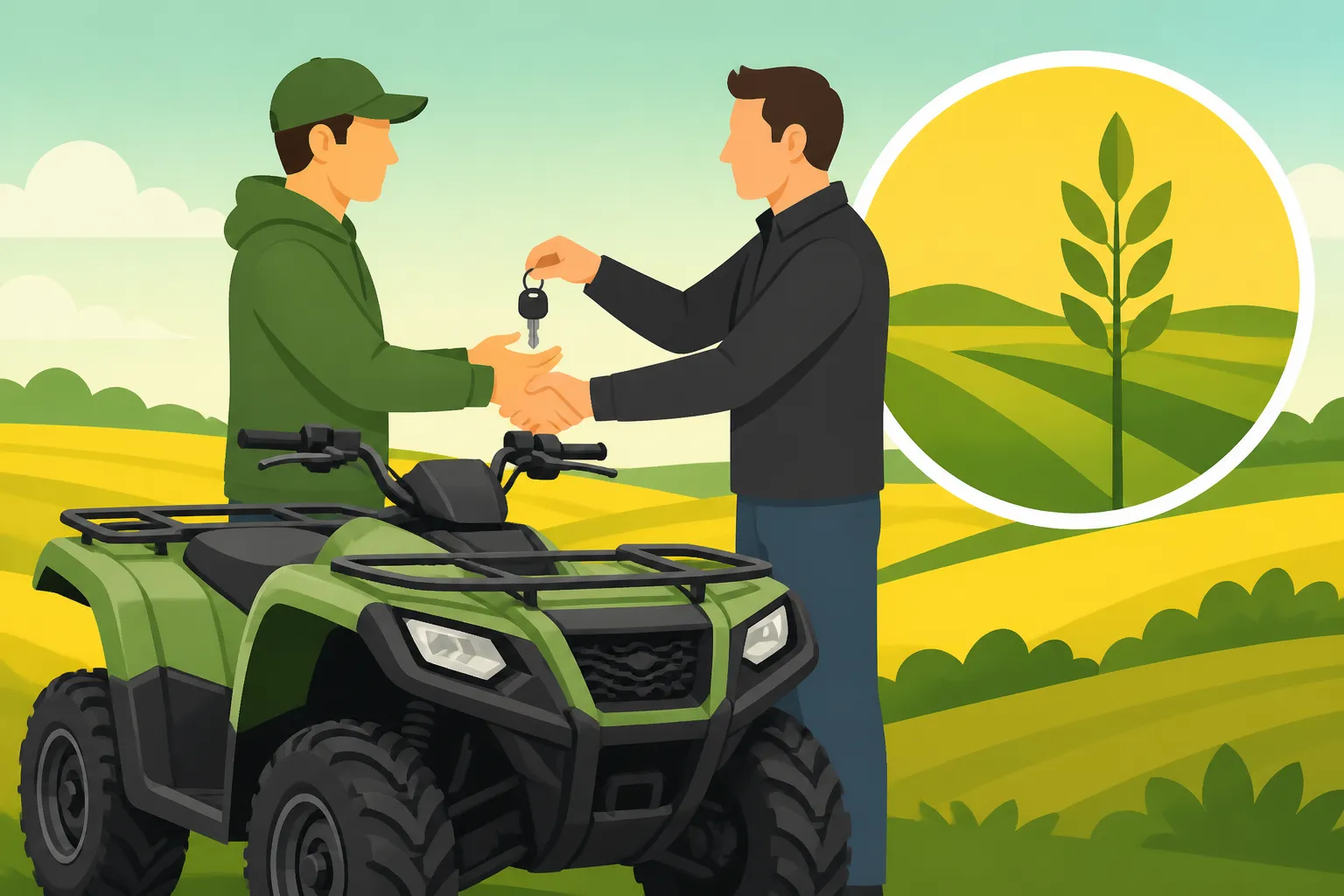
Selling a Quad Privately in Saskatchewan
Selling an all-terrain vehicle (ATV) or utility terrain vehicle (UTV) privately in Saskatchewan can feel like navigating a maze without a map, especially since our province doesn't have a central registration or titling system for these machines. You're left wondering what paperwork is actually needed, how to transfer ownership legally, and what your responsibilities are. This guide is here to cut through that confusion, providing clear, actionable steps to ensure a smooth and secure private sale for both you and the buyer.
The Saskatchewan Reality: No Provincial ATV Registry for Private Sales
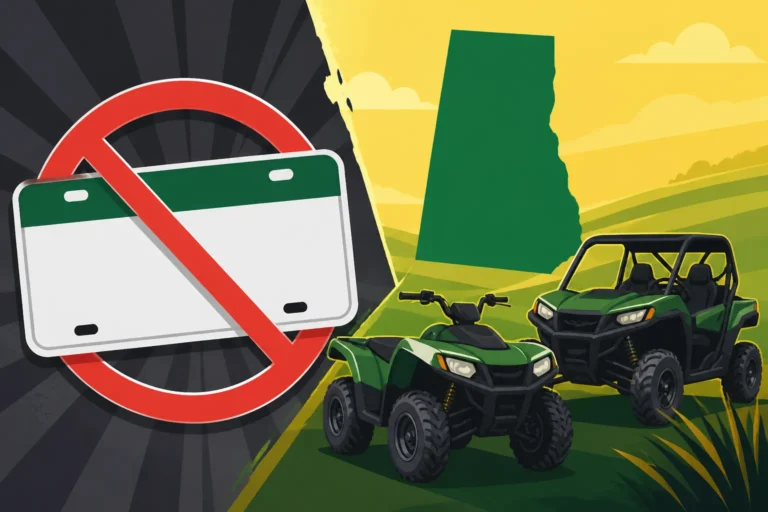
One of the biggest head-scratchers for folks new to or unfamiliar with off-road vehicles in Saskatchewan is the complete absence of a provincial registration system for ATVs and UTVs. It’s a common point of frustration for buyers and sellers alike, especially if you're used to the structured process of selling a car or even a snowmobile. You won't be heading down to a government office to sign over a title or get a new plate for a quad, and that fundamentally changes the nature of the transaction.
Why the Paperwork is Different Here
Unlike cars, trucks, or even snowmobiles in Saskatchewan, your ATV or UTV doesn't have a provincial registration document or a formal title that gets transferred from one owner to another. This means you won't be handing over a pink slip or removing a specific provincial plate when you sell your machine. It’s a system that often catches people off guard because it’s so different from what most are accustomed to. [Saskatchewan Does Not Register ATVs], and consequently, [Saskatchewan Has No ATV Plate or Decal] issued by the province. This lack of a central database can make things seem a little Wild West, but it simply means that other forms of documentation become paramount.
This unique situation puts a heavy emphasis on the sales agreement itself. Without a government-issued ownership document, the bill of sale becomes the single most important piece of paper in the entire transaction. It’s the proof that money changed hands, that the machine was transferred, and that you, as the seller, no longer hold any claim to it. Understanding this fundamental difference is the first step to a successful private sale.
What Your Bill of Sale Really Means
Given the absence of a provincial registry, your bill of sale isn't just a receipt; it’s the official record of transfer. It effectively is the ownership document in Saskatchewan for ATVs and UTVs. For the buyer, this document will be their primary evidence that they legally own the machine. It will be what they show to their insurance provider, what they might need if they ever sell it themselves, and what could be crucial if there's ever a dispute over ownership. [Your Bill of Sale Stands In for a Registration] in every practical sense.
Therefore, you cannot afford to be lax about its creation. A poorly drafted or incomplete bill of sale can lead to headaches down the road for both parties. It's not just about getting paid; it's about protecting yourself from future liability and ensuring the buyer has proper proof of purchase. A clear, comprehensive bill of sale helps prevent misunderstandings and establishes a solid legal foundation for the transaction.
Preparing Your Machine for Sale
Before you even think about writing up a bill of sale, it’s a good idea to get your ATV or UTV ready for its next owner. This isn't just about presentation; it's about transparency and maximizing your machine's appeal. Start by giving it a thorough cleaning – a clean machine always looks better in photos and in person. Address any minor issues you know about; sometimes a small repair can significantly increase perceived value.
Take plenty of clear, well-lit photos from all angles, highlighting both its best features and any cosmetic imperfections. Honesty goes a long way in building trust with potential buyers. Finally, gather any maintenance records, owner's manuals, or accessory receipts you might have. These documents can provide a buyer with confidence in the machine's history and how well it has been cared for, helping to justify your asking price.
The Cornerstone of Your Sale: A Comprehensive Bill of Sale
Since there's no official provincial title for ATVs and UTVs in Saskatchewan, the bill of sale becomes the single most crucial document in your private transaction. It’s not just a formality; it’s the legal backbone of the entire process, establishing proof of ownership for the buyer and protecting you, the seller, from future claims. Getting this document right is paramount.
Key Elements of an Air-Tight Bill of Sale
A robust bill of sale needs to be more than just a scribble on a napkin. It should clearly and unequivocally state all the essential details of the transaction. First and foremost, it needs the full legal names and contact information (address, phone number) of both the seller and the buyer. This identifies who is involved in the transfer.
Next, it must precisely identify the ATV or UTV being sold. This includes the make, model, year, and crucially, the Vehicle Identification Number (VIN). The VIN is like the machine's fingerprint; it's unique and identifies that specific unit. You should also note the odometer reading or engine hours at the time of sale. The agreed-upon purchase price, the date of the sale, and a statement that the machine is being sold "as is, where is" are also vital. [What Your Bill of Sale Needs to Cover] goes into even greater detail, but these are the absolute must-haves. Finally, both the buyer and seller must sign and date the document, and it's a very good idea to have a witness sign it as well, providing an extra layer of verification.
How to Create Your Bill of Sale
You have a few options when it comes to drafting this all-important document. You can certainly write one out by hand, ensuring all the key information is included legibly. Many people prefer to type one up on a computer, allowing for a cleaner, more professional appearance. There are also numerous online templates available that can guide you through the process, ensuring you don't miss any critical sections.
For those who want extra peace of mind, using a reputable online legal document service can be incredibly helpful. Companies like LawDepot offer customizable bill of sale templates that walk you through each field, ensuring all necessary legal components are addressed. These services can be invaluable for creating a document that is both comprehensive and legally sound, giving both parties confidence in the transaction.
Here’s a quick checklist of what absolutely needs to be on that bill of sale:
| Section | Details to Include |
|---|---|
| Seller Information | Full Legal Name, Current Address, Phone Number, Email |
| Buyer Information | Full Legal Name, Current Address, Phone Number, Email |
| Machine Details | Make, Model, Year, VIN (Vehicle Identification Number), Engine Size, Colour, Odometer Reading / Engine Hours |
| Purchase Price | Clearly stated dollar amount, written out in words and figures |
| Date of Sale | The exact date the transaction takes place |
| Terms of Sale | "As Is, Where Is" clause, confirming no warranties or guarantees from the seller |
| Signatures | Seller's Signature, Buyer's Signature, Date of Signatures |
| Witness Information | Optional but Recommended: Witness's Full Legal Name, Signature, Date (if applicable) |
Recording the Machine's Condition Accurately
It’s always a good practice to include an "as is, where is" clause in your bill of sale. This simple statement makes it clear that the buyer is purchasing the ATV or UTV in its current condition, with all its existing faults, whether known or unknown. This helps protect you, the seller, from any claims or disputes that might arise after the sale regarding the machine's condition or performance. It places the responsibility on the buyer to inspect the machine thoroughly before committing to the purchase.
While the "as is" clause is powerful, transparency is still key to a smooth transaction. If you're aware of any specific issues or defects, it's wise to disclose them to the buyer upfront. You might even consider listing major known defects directly on the bill of sale or in an accompanying document, to show good faith. This proactive approach not only builds trust but further shields you from potential accusations of misrepresentation later on. A buyer who feels fully informed is less likely to pursue recourse after the sale, regardless of how robust your legal documents are.
Navigating the Financials: Payments, Taxes, and Buyer/Seller Protection
When you're selling a significant item like an ATV or UTV, managing the financial aspects carefully is just as important as the paperwork. You want to ensure you get paid securely and completely, while also understanding your obligations regarding taxes and protecting yourself from potential fraud or disputes.
Accepting Payment Safely
One of the biggest concerns for any private seller is receiving payment securely. Cash is often the simplest and most immediate form of payment, but it can be risky if you're dealing with large sums. Always arrange to meet in a safe, public place, and consider completing the transaction at your bank, where you can immediately deposit the funds and verify their authenticity. This eliminates the risk of counterfeit money.
Bank drafts or certified cheques offer more security than personal cheques, as the funds are typically guaranteed by the issuing bank. However, even these can be forged, so it's always best to verify them directly with the issuing financial institution before releasing the machine. E-transfers are increasingly popular for convenience, but be sure to confirm the transfer is complete and the funds are in your account before handing over the keys. Be wary of buyers who offer to overpay and ask you to refund the difference; this is a common scam. Always remember that for [How to Prove You Own an ATV in Saskatchewan], the bill of sale is crucial, but so is proving you received payment for it.
Understanding Taxes on a Private ATV Sale
This is where many Saskatchewan sellers breathe a sigh of relief. Generally speaking, when you sell a used ATV or UTV in a private transaction, you as the seller are usually not responsible for collecting Provincial Sales Tax (PST). Unlike when buying from a dealer, where PST is applied at the time of purchase, the Saskatchewan government typically exempts private sales of used recreational vehicles from the seller's obligation to collect PST. The federal Goods and Services Tax (GST) also does not typically apply to private sales of used goods.
However, it's important for the buyer to understand their own responsibilities. While the seller doesn't collect PST, the buyer may have an obligation to self-assess and remit PST to the Saskatchewan Ministry of Finance, depending on specific circumstances and the value of the machine. The relevant bulletins on private sales often outline these nuances. For instance, while many used goods are broadly exempt, the rules around vehicles can sometimes differ. It’s always best for both parties to consult the latest guidance from the provincial tax authority. [Saskatchewan Tax on a Private ATV Sale] provides further context, but as the seller, your primary concern is usually ensuring your bill of sale accurately reflects the price paid, as you won't be adding tax to it.
Protecting Both Parties
Before finalizing the sale, it's crucial to protect both yourself and the buyer from potential future issues. One major concern for buyers (and therefore, a concern for you as a seller if you want to facilitate a smooth sale) is whether there are any liens on the machine. Since there's no provincial registry, a lien isn't easily visible. As a seller, you should confirm and be able to attest that the machine is free and clear of any outstanding debt. The buyer should be encouraged to perform a lien search themselves through a personal property registry search. [Saskatchewan Liens on an Unregistered Machine] can explain how these work even without a provincial registry.
If you allow a test ride, make sure you have a clear understanding of liability. It's wise to have the potential buyer sign a waiver or agreement stating they are responsible for any damage or injury incurred during the test ride. Even better, ride along with them or have them demonstrate they have appropriate insurance coverage. Never let someone test ride without confirming their experience and ensuring they are licensed and insured if they are using it on public land. A reputable legal document service like LawDepot might even offer test ride waiver templates to further protect you.
After the Handshake: What Happens Next
Once the money has changed hands and the bill of sale is signed, you might think your responsibilities are completely over. While most of the heavy lifting is done, there are still a few loose ends to consider to ensure everything is buttoned up properly for both you and the new owner.
Buyer's Responsibilities and Your Role
While your direct involvement in the paperwork largely ends with the signed bill of sale, it's helpful to understand what the buyer will need to do next, especially if they ask for advice. Their first priority will be to insure their new ATV or UTV. [Saskatchewan Insurance Requirements for Riders] mandates minimum liability coverage, so they'll need to contact an insurance broker to get a policy in place before they hit the trails or fields. Some municipalities, like Candle Lake or the District of Lakeland, have their own bylaws requiring a municipal plate or permit for riding within their boundaries, and the buyer would be responsible for acquiring one if applicable.
As the seller, you've done your part by providing a comprehensive bill of sale. You aren't responsible for ensuring the buyer gets insurance or municipal plates, but offering general information can be a nice gesture and contribute to a smooth transition. You might also want to remind them to keep their copy of the bill of sale in a safe place, as it is their only official proof of ownership in Saskatchewan.
Record Keeping for Your Peace of Mind
Even after the sale is complete, your copy of the bill of sale is a critical document to retain. Keep it in a secure location, such as a fireproof safe or a digital backup. This document serves as your official record that you no longer own the ATV or UTV, which is vital for your own protection. Should there ever be any question about the machine's ownership, or if it's involved in an incident after you've sold it, your signed bill of sale is your proof of non-ownership.
It can also be useful for tax purposes, even if no PST was collected by you, or for insurance purposes if you need to inform your insurer that you've sold a covered item. Having a clear, signed record of the transaction can save you a lot of headaches down the road. Consider making multiple copies – one physical, one digital – to ensure you always have access to this important record.
Common Seller Questions Answered
Many sellers wonder about what happens if their buyer is from outside Saskatchewan. The process for you, the seller, remains largely the same: a detailed bill of sale is paramount. However, the buyer will then be subject to the registration and tax laws of their home province or state. For instance, [Selling to an Out-of-Province Buyer in Saskatchewan] explains that they might need to register the machine in Alberta or Manitoba, which will likely involve presenting your bill of sale and paying their provincial taxes. You should not collect these taxes.
Another common question is about providing proof of previous ownership. While you don't have a title to transfer, you should have your own bill of sale from when you purchased the machine. This demonstrates a clear chain of ownership, which can be reassuring to a buyer. This is part of the broader concept of [Saskatchewan Bills of Sale Do the Work] for ownership proof. Finally, if you've done your due diligence in preparing a detailed bill of sale and ensuring payment, you can generally rest easy. The responsibility for the machine, including its operation, insurance, and any required permits, transfers fully to the new owner upon completion of the sale.
Disclaimer
This article is for general informational purposes only and does not constitute professional advice. Laws, prices and regulations vary by location and change over time. Consult a qualified professional for guidance on your specific situation.