Saskatchewan Theft Recovery Without a Registry
It's an unfortunate truth that in our vast, open province, ATVs and UTVs are a prime target for theft. When your machine goes missing, the immediate panic is real, and the confusion about what to do next is often compounded by the common misconception that there's a provincial registry for these vehicles. This guide aims to cut through that confusion, providing you with actionable steps and peace of mind for navigating theft recovery in Saskatchewan, even without a formal provincial registry.
The Unique Challenge of ATV Theft in Saskatchewan
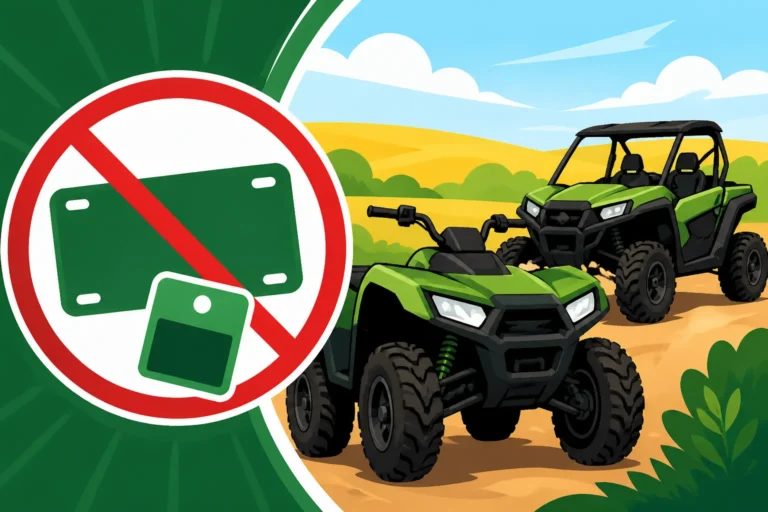
Living in Saskatchewan means enjoying incredible access to the outdoors, but it also presents unique challenges, especially when it comes to the security of our beloved ATVs and UTVs. Unlike snowmobiles or cars, there's no central provincial database tracking every quad. This lack of a formal registry means that recovering a stolen ATV isn't as straightforward as it might be for other vehicles, creating a frustrating hurdle for owners.
Why a Lack of Registration Matters for Recovery
When most people think about vehicle theft, they picture police officers running a Vehicle Identification Number (VIN) through a central database, instantly pulling up owner information, registration details, and a history of the vehicle. For cars, trucks, and even snowmobiles in Saskatchewan, this system largely works. The VIN is tied to a specific owner, making it easier to track and identify stolen property. However, with ATVs and UTVs in Saskatchewan, that provincial registry simply doesn't exist. There's no provincial plate, no sticker, and no central repository of ownership records maintained by the province. This means that when a peace officer recovers an ATV, they can't simply look up the VIN to see who it belongs to. It adds layers of complexity, making the initial identification and return process significantly more difficult. The frustration you feel when you realize this is completely valid; it's a gap in the system that many riders wish was filled.
What Paperwork Does Prove Ownership
Since there's no provincial registration, your personal paperwork becomes incredibly important. Think of these documents as your ATV's identity. The most crucial piece of evidence you have is your original bill of sale. This isn't just a casual receipt; it's a legal document that establishes a clear chain of ownership from the previous owner to you. If you bought your quad from a dealership, you'll likely have a formal sales agreement. If you bought it privately, a handwritten bill of sale is perfectly acceptable, as long as it contains key information like the date of sale, the buyer's and seller's full names and contact information, the make, model, year, and crucially, the VIN of the ATV. This is the document that stands in for a formal registration in Saskatchewan. [Your Bill of Sale Stands In for a Registration] for more details on what makes a bill of sale robust.
Beyond the bill of sale, other documents can bolster your claim. Proof of insurance, for instance, shows that you've been recognized as the owner by an insurance provider. Any repair receipts or service records bearing your name and the ATV's VIN also contribute to establishing your connection to the machine. Even old advertisements or listings from when you purchased the ATV can serve as supporting evidence. The more official and comprehensive your personal records are, the stronger your position will be if your ATV is stolen and later recovered. This is especially true when discussing [How to Prove You Own an ATV in Saskatchewan] to law enforcement or an insurance adjuster. It's all about creating an undeniable paper trail that clearly points to you as the rightful owner.
Immediate Steps After an ATV Theft
Discovering your ATV is gone is a gut-wrenching moment. Your first reaction might be a mix of anger, disbelief, and panic. While it's tempting to try and track it down yourself, the most effective path to recovery starts with taking specific, organized steps. Acting quickly can make a significant difference in the outcome.
Contacting Law Enforcement
The absolute first thing you must do is report the theft to the police. This typically means contacting your local RCMP detachment or municipal police service, depending on your location. Don't delay; the sooner the authorities are aware, the better their chances of intercepting the machine or gathering leads. When you call, be prepared to provide as much detail as possible. This includes:
- The full Vehicle Identification Number (VIN): This is paramount. Ensure you have it handy, perhaps from your bill of sale or insurance documents.
- Make, model, and year of the ATV: Be as specific as possible.
- Colour and any unique identifying features: Think about modifications, stickers, dents, custom paint jobs, or accessories like winches, unique tires, or cargo boxes. These can be crucial for identification.
- Last known location and time of theft: Provide a precise timeline.
- Your contact information: Of course, they'll need to reach you.
Even without a central registry, police enter the stolen ATV's VIN into national databases, which helps in identifying it if it crosses provincial borders or is stopped by officers elsewhere. A police report number is critical for insurance claims and any future recovery efforts. This process is detailed further in [Saskatchewan Stolen Machine Reports].
Notifying Your Insurance Company
Once you've filed a police report, your next call should be to your insurance provider. Even if your ATV isn't registered provincially, you should have liability insurance for riding on public lands, and many riders carry comprehensive coverage that includes theft. Provide them with the police report number and all the details you gave to law enforcement. Your insurance company will guide you through their claims process, which will almost certainly require proof of ownership. This is where your meticulously kept bill of sale and other documents become your best friend. They'll want to verify that you are indeed the policyholder and the rightful owner of the stolen machine. Without the proper documentation, your claim could be significantly delayed or even denied, adding financial stress to an already difficult situation. It’s a good idea to understand [Saskatchewan Insurance Claims Without a Plate] before you need to.
Spreading the Word Locally and Online
While law enforcement and your insurance company are doing their part, you can also be proactive. The power of community and social media in Saskatchewan is immense.
- Social Media: Post details about your stolen ATV on local Facebook groups, community pages, and even provincial ATV enthusiast forums. Include clear photos, the make, model, year, and VIN (though some advise against posting the full VIN publicly to prevent fraudulent use, you can offer it to those with legitimate leads). Ask people to share the post. The more eyes looking, the better.
- Local Contacts: Reach out to local ATV dealerships, repair shops, and even pawn shops in your area and surrounding communities. Provide them with a description and the VIN. Sometimes, stolen machines are brought in for repairs or sold quickly, and a vigilant business owner might spot it.
- Online Marketplaces: Keep an eye on online marketplaces like Kijiji, Facebook Marketplace, and other classified sites. Thieves often try to sell stolen goods quickly. If you spot your ATV, do not attempt to recover it yourself. Immediately contact the police with the listing information.
Being vocal and utilizing your networks can significantly increase the chances of your ATV being spotted and reported. Every set of eyes helps in [Searching for a Stolen Quad Without a Registry].
Proactive Measures to Deter Theft and Aid Recovery
While we hope it never happens, being prepared for the worst is the best defence. Since Saskatchewan lacks a provincial ATV registry, the onus is largely on the owner to protect their investment and ensure they have the necessary documentation for recovery. Thinking ahead can save you immense heartache and potential financial loss.
Securing Your ATV
Thieves are often opportunists, looking for the easiest target. Making your ATV a harder target can go a long way in deterring theft.
- Secure Storage: Whenever possible, store your ATV in a locked garage, shed, or a secure compound. Leaving it openly accessible, even on your property, is an invitation for trouble.
- Physical Deterrents: Invest in high-quality locks. A heavy-duty chain and padlock securing your ATV to an immovable object (like a concrete anchor, sturdy post, or even another large, heavy vehicle) can make it incredibly difficult for thieves to simply roll it away. Wheel clamps and disc brake locks can add further layers of security.
- Kill Switches: Installing a hidden kill switch that interrupts the ignition or fuel system can render the ATV inoperable, even if a thief manages to bypass other security measures.
- GPS Trackers: Consider a GPS tracking device. These small units can be discreetly installed on your ATV and allow you to track its location in real-time via a smartphone app. If your ATV is stolen, this technology can be invaluable for law enforcement in locating and recovering it quickly. While there's a recurring cost for the service, the peace of mind and increased chance of recovery can be well worth it. This is a vital piece of the puzzle, especially when planning for [Saskatchewan Machines Stored Over Winter].
Documenting Your Machine Thoroughly
The more comprehensive your records, the better your chances of recovery and proving ownership. This isn't just about having a bill of sale; it's about a complete "identity kit" for your machine.
- Photographs and Video: Take numerous clear photos of your ATV from all angles, including close-ups of the VIN, engine number, any unique accessories, modifications, or identifying marks (like scratches or decals). A short video walk-around can also be incredibly helpful. Store these photos and videos in a secure cloud location, not just on your phone, in case your phone is also stolen or damaged.
- Detailed Description: Write down a detailed description of your ATV, noting its make, model, year, colour, engine size, and every accessory you've added. Keep a list of serial numbers for major components if possible.
- VIN Etching: Consider having the VIN etched onto various parts of your ATV. This makes it harder for thieves to simply grind off the original VIN plate and re-stamp it, as the etched numbers would still be present on other components. [Photographing the VIN at a Saskatchewan Sale] is a great start, but ongoing documentation helps even more.
- LawDepot for Bills of Sale: Ensure you have a robust bill of sale from the initial purchase. Services like LawDepot offer excellent templates that ensure all necessary information is included, leaving little room for ambiguity. This is crucial for verifying ownership. When you're buying a machine, [Checking a Serial Number Twice Before You Pay] is an important step to ensure the VIN matches all paperwork.
The Value of a Comprehensive Bill of Sale
In a province without a formal registry, your bill of sale isn't just a receipt; it's your primary proof of ownership. A poorly executed bill of sale can create headaches and delays if your ATV is stolen.
- Essential Information: A good bill of sale should clearly state the full names and contact information (including addresses and phone numbers) of both the buyer and the seller. It must include the date of the transaction and the agreed-upon price. Most importantly, it needs the complete and accurate Vehicle Identification Number (VIN) of the ATV, along with its make, model, and year.
- Signatures and Witnesses: Both parties should sign and date the document. While not always mandatory, having a witness (or two) sign the bill of sale can add an extra layer of legitimacy, especially in private sales.
- Condition and As-Is Clause: It's also wise to include a statement about the condition of the ATV at the time of sale, often an "as-is" clause for private transactions, to protect both parties.
- Using Templates: If you're buying privately, consider using a professional template. Websites like LawDepot provide legally sound bill of sale templates that ensure you cover all your bases. This removes the guesswork and ensures you have a document that will stand up to scrutiny if needed. You can learn more about [What Your Bill of Sale Needs to Cover] in a separate post. Remember, a detailed and accurate [Saskatchewan Bills of Sale for a Quad] is your best friend in a theft scenario.
Here’s a quick overview of key ownership evidence:
| Document/Action | Importance for Theft Recovery | How It Helps Without a Registry |
|---|---|---|
| Bill of Sale | Crucial. Primary legal proof of ownership. | Establishes chain of custody; police/insurance rely on it. |
| Insurance Policy/Cards | Strong supporting evidence of your ownership. | Proves you have a financial interest and that you declared ownership. |
| Photographs/Video | Helps identify unique features, condition. | Visual proof for police reports, social media sharing. |
| VIN Etching | Deters re-stamping; aids in identification if VIN is altered. | Provides multiple points of identification beyond the main VIN plate. |
| Service/Repair Records | Links your name to the ATV's VIN over time. | Reinforces continuous ownership and maintenance history. |
| GPS Tracker Data | Highly effective for real-time location. | Directly assists law enforcement in pinpointing location of stolen ATV. |
Navigating the Recovery Process and Potential Pitfalls
Even with all the preventative measures and immediate actions taken, the recovery process can be complex. Understanding what happens if your ATV is found, and how to navigate situations with missing paperwork, can help you manage expectations and prepare for potential challenges.
What Happens if Your ATV is Found
The moment you get that call from the police saying your ATV has been located is a huge relief. However, the process isn't always as simple as just picking it up.
- Police Custody: Your ATV will likely be in police custody or impounded. You'll need to work with the investigating officer to arrange for its release. This will almost certainly require you to produce your iron-clad proof of ownership, such as your bill of sale and possibly your insurance documents. This demonstrates to the authorities that you are the rightful owner. For more information on this, see [Saskatchewan Release of a Seized Machine].
- Condition of the Machine: Be prepared for the possibility that your ATV may not be in the same condition as when it was stolen. It could have sustained damage, had parts stripped, or been modified. Document any damage with photos before you take possession.
- Insurance Implications: If you've already filed an insurance claim and received a payout, the ATV technically belongs to the insurance company. They will then handle its retrieval and decide whether to sell it for salvage or recondition it. If you haven't received a payout, your insurance company will work with you on repairs or a total loss settlement, depending on the damage.
Dealing with Unclear Ownership
This is where the lack of a provincial registry really stings. If your paperwork is lost, incomplete, or never properly generated in the first place, proving ownership can become a significant hurdle.
- Lost Bill of Sale: If you've lost your original bill of sale, try to contact the person or dealership you bought it from to request a copy or a new, notarized statement of sale. This might be difficult if years have passed or the seller is no longer reachable. [Saskatchewan Paperwork Without a Receipt] can be a real headache.
- No Paperwork at All: This is the toughest scenario. If you truly have no bill of sale or other supporting documents, proving ownership becomes a matter of circumstantial evidence. This might involve sworn affidavits from witnesses to the purchase, photographs showing you with the ATV over a long period, or consistent service records under your name. The police and insurance companies will be very cautious in these situations, as they need to ensure they are not returning stolen property to someone who isn't the rightful owner. These cases often involve significant delays and can even result in the ATV being sold at auction if ownership cannot be definitively established. This underscores the critical importance of keeping impeccable records and avoiding purchases without proper paperwork, as discussed in [Saskatchewan Machines With No Paperwork].
When a Municipal Plate Might Help
While there's no provincial ATV registry, some rural municipalities and resort villages in Saskatchewan have their own local bylaws that require ATVs to be registered with the municipality and display a local plate. Examples include the District of Lakeland or the Village of Candle Lake.
- Local Tracking: If your ATV was registered with one of these municipalities and it gets stolen within or near that jurisdiction, the local plate can provide a small layer of additional identification for local law enforcement. It means there's a local record of ownership tied to that specific machine and plate number.
- Limited Scope: It's crucial to understand that these municipal plates are local initiatives only. They do not feed into a provincial or national database. If your ATV is stolen and travels beyond that municipality's jurisdiction, the plate's usefulness for tracking diminishes significantly. It will not appear on a national stolen vehicle check. However, for local recoveries, it's certainly better than nothing.
- Not a Replacement for Provincial Registration: Think of it as a helpful local add-on, not a substitute for a comprehensive provincial registration system. It might aid local police, but it won't solve the broader issue of lacking a central provincial registry for all ATVs. Nevertheless, it's an interesting local solution that [Municipal Plates Fill the Gap the Province Left] by not having a provincial registry. If you live in or frequently ride in such an area, it's worth considering these [Saskatchewan Municipal Plate Schemes].
Disclaimer
This article is for general informational purposes only and does not constitute professional advice. Laws, prices and regulations vary by location and change over time. Consult a qualified professional for guidance on your specific situation.