Reporting a Lost Quad Plate at the Village Office
Losing an ATV plate, especially in Saskatchewan, can feel like a unique kind of headache, leaving you wondering who to even call since there isn't a provincial registry for quads. It’s a frustrating situation that many riders face, but thankfully, this guide will walk you through exactly how to report a lost municipal ATV plate to your village or rural municipality office and get back on the trails with peace of mind.
Why Losing a Municipal ATV Plate is a Specific Headache in Saskatchewan
When you misplace or lose a quad plate in Saskatchewan, it’s not the same as losing a vehicle plate. There’s no provincial motor vehicles office to call, no central database to update, and that can lead to a lot of confusion. Understanding why this process is different is the first step to getting your replacement sorted.
The Absence of a Central Registry
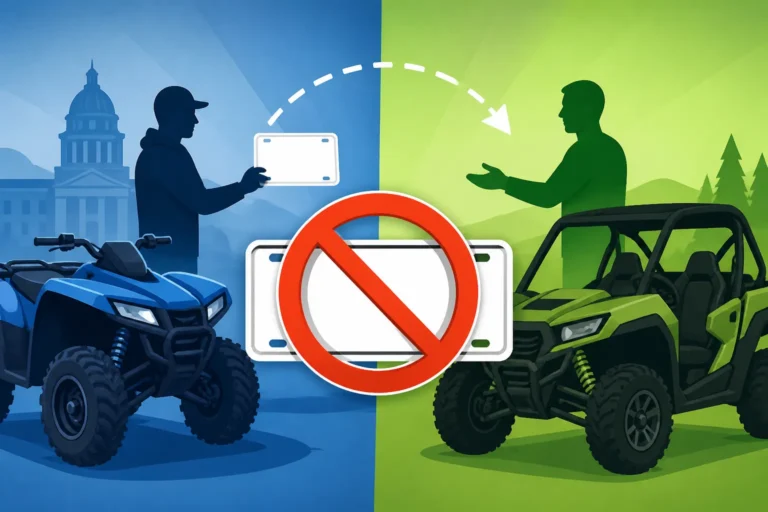
Unlike snowmobiles, which have a provincial registration system, ATVs in Saskatchewan do not have a province-wide registration or licensing program. This means that when you ride your quad, there’s no provincial plate or decal issued by the province itself. The registration you might have is issued at a local level, by a specific village, town, or rural municipality (RM) that has chosen to implement its own bylaws regarding ATV use. This local system is designed to manage off-road vehicles within their specific jurisdictions, often for safety, traffic control, and to fund local trail development.
This lack of a central registry means that the usual provincial channels you’d go through for a lost vehicle plate simply don't apply. You can't just hop online to a provincial portal or call a province-wide hotline. Your starting point is always the local office that issued the plate in the first place. This is a common point of confusion for new residents or those used to other provinces' systems. For more on this, you might find [Why Saskatchewan Never Built a Quad Registry] informative.
The Importance of Local Plates
While the provincial government doesn't issue ATV plates, these municipal plates are far from arbitrary. They are crucial for several reasons specific to the communities that issue them. Firstly, they signify that you are legally permitted to operate your ATV on designated municipal roads, ditches, or trails, according to local bylaws. Without one, you could be in violation of local rules, even if you’re riding responsibly. Secondly, the fees collected for these plates often go directly back into the community, supporting the maintenance of local trails, signage, and other infrastructure that benefits riders. It's a localized system that directly contributes to the riding experience in that specific area.
Think of it this way: your municipal plate isn't just a piece of metal; it’s your local riding passport. Losing it means you lose that visible proof of compliance. These local plates effectively [Municipal Plates Fill the Gap the Province Left] in terms of provincial oversight, providing a mechanism for communities to manage local riding.
The Urgency of Replacement
Riding without a required municipal plate can lead to penalties. If you're stopped by a peace officer in a municipality that requires a plate, and you can't produce it, you could face a fine. While the exact amount will vary depending on the specific municipal bylaw, it’s certainly something you want to avoid. The fines can be significant, and the hassle of dealing with a citation is never enjoyable. It's not just about the monetary cost; it's about the inconvenience and the potential for your riding day to be cut short.
Therefore, as soon as you realize your Saskatchewan quad plate is missing, it’s important to act quickly. Ignoring it and hoping for the best is a risky approach. Getting a replacement promptly ensures you remain compliant with local regulations and can continue to enjoy your ATV without unnecessary stress. For details on potential penalties, refer to [Saskatchewan Fines for Riding Without a Plate].
Step-by-Step: Reporting and Replacing Your Lost Plate
Navigating the process of replacing a lost municipal ATV plate requires a bit of detective work and direct communication with the local authorities. Here's a breakdown of what you need to do to get a new plate on your quad.
Your First Call: The Village Office or RM
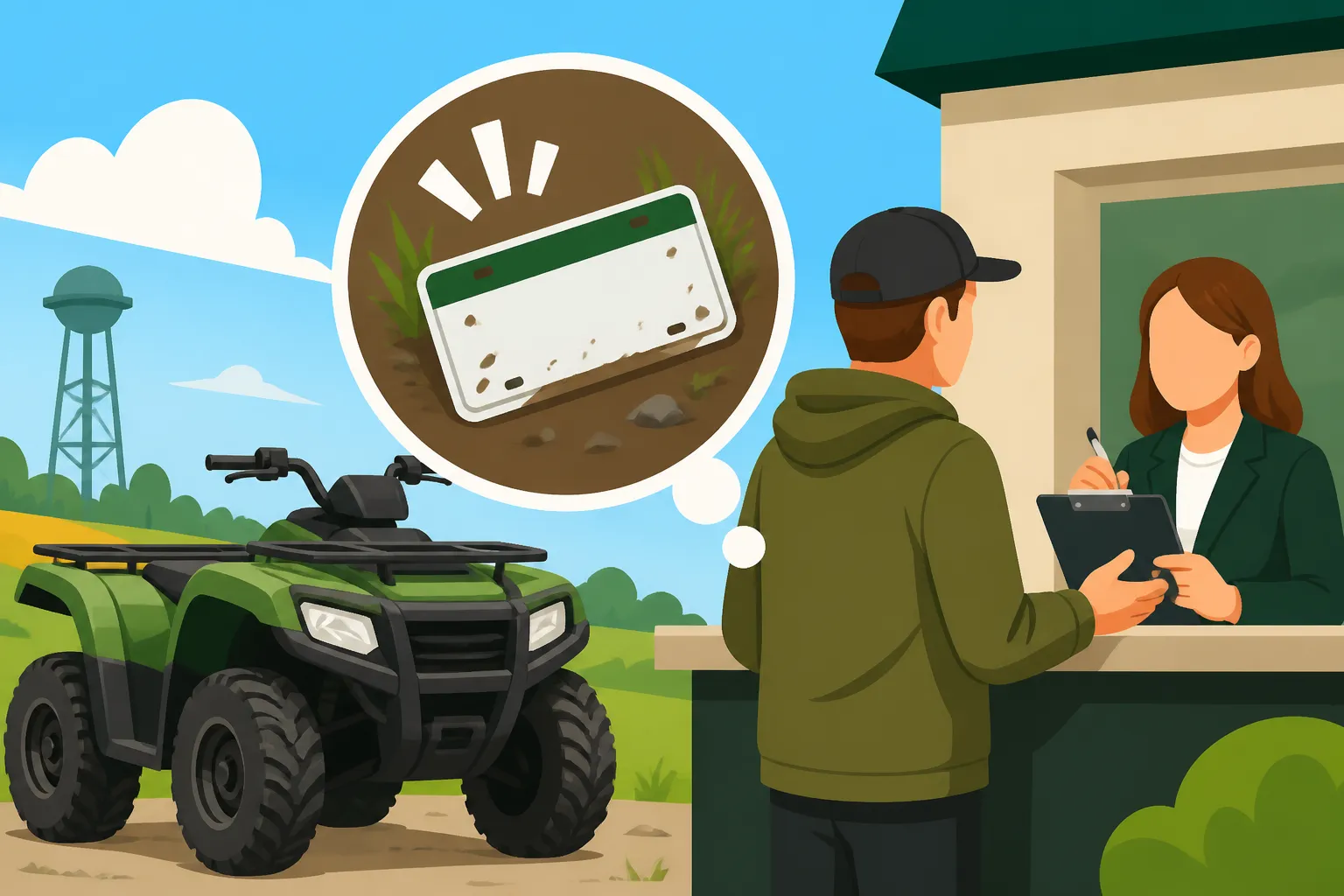
The moment you discover your plate is missing, your first action should be to contact the administrative office of the village, town, or rural municipality that issued it. This is not a task for the RCMP or provincial highways department; it's a local matter. You'll want to have some key pieces of information ready when you call or visit:
- Your Name and Contact Information: Obvious, but essential for them to identify you as the plate holder.
- The Plate Number (if you remember it): Even a partial memory can help them locate your records.
- Your ATV's Vehicle Identification Number (VIN): This is paramount. The VIN is the unique identifier for your machine and will be on your original bill of sale and stamped on the quad itself. It helps the office verify ownership and link the plate to the correct machine.
- The Date and Circumstances of the Loss: When and where did you last see it? Did it fall off while riding? Was it stolen? This information, while not always strictly required, can sometimes help with their internal record-keeping.
Be prepared for them to ask detailed questions to verify your identity and ownership. Remember, they are the sole authority for these local plates, so they'll need to be thorough.
Documentation and Proof of Ownership
Since there's no provincial registration or title for ATVs in Saskatchewan, your proof of ownership is absolutely critical when dealing with a lost plate. The primary document that establishes your ownership is a bill of sale. When you initially obtained your municipal plate, you would have provided this document to the office. They will likely need to verify it again when you request a replacement.
Ensure you have your original bill of sale handy, or at least a clear copy. This document details the transfer of ownership from the previous owner (or dealer) to you, including the VIN, purchase date, and agreed-upon price. It is your legal record of ownership. If, for some reason, you don't have a bill of sale or it's missing, you'll need to work with the municipal office to figure out what alternative proof they might accept. This could be a sworn affidavit or other documentation. In some cases, if you need to create a new, legally sound bill of sale for future transactions or just to have on file, services like LawDepot can provide templates that cover all the necessary details. Having this documentation in order is fundamental, as [Saskatchewan Bills of Sale Do the Work] of proving ownership.
Understanding the Fees and Process
Once you've reported the loss and provided the necessary documentation, the municipal office will guide you through their specific replacement process. There will almost certainly be a fee for a replacement plate. This fee covers the administrative cost of issuing a new plate and helps maintain the local program. While specific amounts aren't fixed provincially, you can expect it to be a modest charge. Don't expect it to be as high as renewing a full vehicle registration, but it's not usually free either.
The replacement plate itself will typically be identical to your original one. The office will process your request, create a new plate, and then you’ll either pick it up or, in some cases, they might mail it to you. The turnaround time can vary, but generally, these local offices are quite efficient. It's always a good idea to ask about the expected timeframe when you report the loss.
Here’s a simplified breakdown of the common items involved:
| Item | Description |
|---|---|
| Contact Point | Your local village, town, or Rural Municipality (RM) office. |
| Required Information | Your name, contact, previous plate number (if known), ATV's VIN, date/circumstances of loss. |
| Proof of Ownership | Original or clear copy of your bill of sale, detailing VIN and transaction. A new LawDepot bill of sale might be useful if the original is missing or unclear. |
| Fees | Expect a replacement fee; inquire about the specific amount directly with the office. |
| Collection/Delivery | New plate can typically be picked up at the office or, less commonly, mailed. |
| Timeline | Varies by municipality; ask for an estimated turnaround when you report the loss. |
Understanding [Saskatchewan Municipal Plate Costs] will help you budget for the replacement fee and any associated charges.
What to Do While You Wait for a Replacement
Losing your ATV plate is a drag, and the waiting period for a replacement can leave you feeling stuck. It's important to know what you can and cannot do during this time to avoid further complications.
Riding Restrictions and Bylaw Compliance
The biggest question on every rider's mind when their plate goes missing is, "Can I still ride?" The answer depends entirely on the specific bylaws of the municipality where you intend to ride, and whether they make exceptions for a reported lost plate. In most cases, if a municipality requires a plate for ATV operation on certain roads or trails, you should assume that riding without one, even if reported missing, could lead to issues.
It's always best to err on the side of caution. If your local bylaws stipulate a plate is required for ditch riding or specific municipal routes, avoid those areas until your replacement arrives. Stick to private land where you have permission, or designated riding areas where a municipal plate isn't a prerequisite. Some municipalities might offer a temporary paper permit or a letter confirming you've reported the loss, but this isn't universal. Always ask the office if they provide such a document. If they do, carry it with you at all times when riding. Failing to adhere to local regulations could result in a fine, which no one wants. Checking [Saskatchewan Municipal Bylaws on Roads] before you ride is always a smart move.
Keeping Records and Communication
While you’re waiting for your new plate, maintaining clear records of your interaction with the municipal office is crucial. This includes:
- Date and Time of Reporting: Note when you first contacted the office about the lost plate.
- Name of the Staff Member: If you spoke to someone specific, jot down their name.
- Confirmation Numbers: If the office provides any sort of reference or confirmation number for your request, keep it safe.
- Copies of Submitted Documents: Ensure you have copies of any bills of sale or other proof of ownership you submitted.
If there's any delay in receiving your plate, these records will be invaluable for following up. Should you encounter a peace officer while riding during this interim period, being able to show proof that you've reported the loss and are awaiting a replacement (even if it's just your dated notes and a copy of your bill of sale) can sometimes help demonstrate due diligence. While it doesn't guarantee you won't get a ticket, it shows you're actively addressing the situation. For creating official-looking documents to keep on hand, LawDepot offers templates that might be useful for documenting your efforts or creating an 'intent to replace' letter.
Preventing Future Losses and Proving Ownership
A lost plate is a frustrating experience you'd rather not repeat. Taking a few proactive steps can save you a lot of hassle down the road, both in terms of securing your plate and having solid proof of ownership readily available.
Securing Your Plate and Machine
Prevention is always better than a cure. When you receive your new municipal plate, take some time to ensure it's securely fastened to your ATV. Standard screws might be enough, but consider using threadlocker or even small bolts with locknuts for extra security, especially if you ride in rough terrain where vibrations can loosen fasteners. Many riders opt for heavy-duty zip ties in addition to screws for an extra layer of protection. Think about the mounting location too; ensure it’s visible, but also consider areas less prone to snagging on branches or getting damaged if you take a spill.
Beyond the plate, consider the overall security of your machine. A lost plate could also be a sign of attempted theft. Using good quality locks, chains, and secure storage solutions can deter thieves. If your quad is stored outside, consider a GPS tracker. While a plate doesn’t prevent theft, having one securely attached means it’s less likely to detach and get lost during your adventures, and it makes it harder for a thief to remove it quickly without notice.
Maintaining Ownership Records
Your bill of sale is the cornerstone of proving ownership for your ATV in Saskatchewan, especially since there's no provincial registration. Treat it like gold. When you purchase an ATV, ensure the bill of sale is comprehensive and includes:
- Date of Sale: When the transaction occurred.
- Buyer and Seller Information: Full names, addresses, and contact details for both parties.
- ATV Details: Make, model, year, and crucially, the full Vehicle Identification Number (VIN).
- Purchase Price: The agreed-upon amount.
- Signatures: Both the buyer and seller should sign and date the document.
Make multiple copies of this document. Keep one physical copy in a safe place at home, a digital scan or photo saved on your computer or cloud storage, and perhaps even a laminated copy to carry with you when you ride. Having this readily accessible can be invaluable for proving ownership not just to municipal offices, but also to insurance companies, or if you ever need to sell the machine. If your original bill of sale is lost or damaged, using a service like LawDepot to draft a new one, signed by both parties if possible, can solidify your records. This practice ties directly into [How to Prove You Own an ATV in Saskatchewan].
Photographing Your Machine and Plate
It might seem excessive, but taking clear photographs of your ATV – particularly its VIN and the attached municipal plate – can be incredibly helpful. Snap a few photos from different angles, ensuring the VIN is clearly legible. Once your new plate is mounted, take a picture of it on the machine.
These photos serve multiple purposes:
- Quick Reference: If you forget your plate number or VIN, you have an immediate visual reference.
- Proof for Law Enforcement: If questioned while riding, a photo of your VIN and plate (even if the physical one is lost) can aid verification.
- Insurance Claims: In the unfortunate event of theft, these photos provide crucial evidence for an insurance claim.
- Resale: When selling your ATV, having clear photos of the VIN and machine details can speed up the process and build buyer confidence.
Create a dedicated folder on your phone or cloud storage for these essential ATV documents and photos. This way, if you’re ever asked for proof of ownership or plate details, it’s just a few taps away.
Disclaimer
This article is for general informational purposes only and does not constitute professional advice. Laws, prices and regulations vary by location and change over time. Consult a qualified professional for guidance on your specific situation.