Why Renewing a Plate Costs Less Than Buying One
Navigating the world of ATV regulations in Saskatchewan can feel like trying to ride a quad through a slough – confusing, messy, and you're not always sure if you're going the right way. Many riders get frustrated when they hear about plates and permits, only to discover the rules aren't uniform across the province. If you're wondering why getting a brand-new municipal ATV plate often costs more than simply renewing an existing one, you're not alone. This guide will help demystify those local fees and processes, explaining the differences between initial plate acquisition and subsequent renewals in the municipalities that offer them.
Understanding Saskatchewan's Municipal ATV Plate System
Before we dive into the nitty-gritty of plate costs, it's crucial to grasp the unique regulatory landscape for ATVs here on the prairies. Unlike many other provinces, Saskatchewan has a distinct approach that often catches new residents or riders off guard.
Why No Provincial ATV Registration Exists
It’s a common misconception that all ATVs in Saskatchewan need a provincial plate, much like snowmobiles. However, the reality is that [Saskatchewan Does Not Register ATVs] at the provincial level. There's no central registry, no province-wide plate to apply for, and no provincial decal to stick on your machine. This means the province doesn't collect a general registration fee for quads, and there's no official "title" document like you might find for a car or truck. This often leads to questions like [Why Saskatchewan Never Built a Quad Registry] in the first place, leaving riders to navigate a patchwork of local rules.
This absence of a provincial system means that the paperwork for proving ownership, for instance, relies heavily on documents like a bill of sale, rather than a government-issued registration certificate. For private sales, having a clear, comprehensive bill of sale is paramount, and resources like LawDepot can be helpful for drafting these kinds of documents, ensuring all necessary details are covered.
The Role of Local Municipalities
While the province largely steps back from ATV registration, some local governing bodies, particularly rural municipalities, towns, and villages, have taken matters into their own hands. These are the places where you might encounter an ATV plate or permit requirement. These municipal plates are not province-wide; they are specific to the jurisdiction that issues them and typically allow you to operate your ATV on designated municipal roads or within specific areas.
The fees collected for these local plates often go towards maintaining local trail systems, road signage, or administrative costs associated with enforcing bylaws. This means that if you frequently ride in an area like the District of Lakeland or the Village of Candle Lake, you might need to acquire a plate from that specific municipality. Each municipality can set its own rates and rules, which is why [Saskatchewan Municipal Plate Costs] can vary. You’ll want to check with the specific municipality where you plan to ride to understand their requirements. [Which Municipalities Run Their Own Plate Scheme] is a question worth asking before you head out.
Initial Costs: The Price of Your First Municipal Plate
When you decide to get your first municipal ATV plate, whether it's for a brand new quad or a used machine you just picked up, you'll generally find that the initial cost is higher than a renewal. There are several reasons for this, all tied to the administrative effort and physical resources involved in setting you up in the system for the very first time.
Administrative Fees and Setup Charges
Think of it like opening a new account at a bank – there's always a bit more paperwork and verification needed upfront. When you apply for a new municipal ATV plate, the local government office needs to create a new file for you and your machine. This involves data entry, verifying your ownership documents, checking serial numbers, and ensuring you meet all their specific criteria for issuance.
These initial setup tasks aren't free. Municipalities often have specific administrative fees to cover the staff time and resources dedicated to this new account creation. This isn't just a simple sticker fee; it’s about onboarding you and your ATV into their local system. For instance, [Saskatchewan Lakeland Plate Fees] might include a higher initial charge to cover this administrative overhead, which isn't present when you're simply continuing an existing registration. Sometimes, the initial permit itself carries a higher price tag to factor in these one-time expenses.
The Physical Plate and Associated Costs
Another significant factor contributing to the higher cost of a new plate is the physical plate itself. Unlike a simple paper permit, many municipalities issue a durable, physical plate that needs to be manufactured, printed, and provided to you. This might seem like a small detail, but the cost of producing these plates, ensuring they meet specific size and material standards, and then stocking them, adds up.
When you renew, you're usually just renewing the permit or validity of the existing plate you already possess. There's no need for the municipality to issue you a brand new piece of plastic or metal. The cost of materials, printing, and inventory management for physical plates is absorbed into that initial "new plate" fee. If you ever have to report a [Saskatchewan Municipal Plate Replacements] due to loss or damage, you'll likely incur a fee similar to or slightly less than the initial plate fee, precisely because a new physical plate needs to be produced for you.
Paperwork and Processing Time
The process for getting a new plate often requires more comprehensive documentation. You'll likely need to provide proof of ownership, such as a bill of sale, and possibly proof of insurance. While not strictly part of the "plate cost," the time and effort you put into gathering these documents, and the municipality's time spent verifying them, are part of the overall initial investment.
For example, if you bought your ATV from a private seller, you might need a properly drafted [Saskatchewan Bills of Sale for a Quad] to satisfy the municipal office. Using a template from a service like LawDepot can help ensure you have all the necessary information, making the process smoother. The municipal staff then need to review these documents thoroughly before issuing your plate, which contributes to the processing time and, by extension, the perceived "cost" of getting that first plate. This initial vetting process is significantly more intensive than a simple renewal, where most of your information is already on file.
Renewal Savings: Keeping Your Plate Current
Once you've gone through the initial hoops and received your municipal ATV plate, the good news is that keeping it current generally becomes a much more affordable and straightforward process. Renewing your plate reflects the ongoing operational costs rather than the one-time setup expenses.
Reduced Administrative Burden for Renewals
The primary reason renewals are cheaper is the significantly reduced administrative burden on the municipality. They already have your information, your ATV's details, and a record of your plate. When you renew, they're not creating a new file; they're simply updating an existing one. This means less staff time spent on data entry, verification, and file creation.
For example, [Saskatchewan Lakeland Plate Expiry in April] means a lot of riders renew around the same time each year. The process is designed to be efficient because the municipality is already familiar with your details. You might just need to confirm your information and pay the fee. This streamlined process directly translates into lower renewal fees, as the municipality doesn't need to recoup the initial setup costs again.
Streamlined Process and Lower Fees
Many municipalities offer a simpler process for renewals, sometimes allowing you to pay online, by mail, or with just a quick visit to the local office. This efficiency benefits both the rider and the municipality. The lower administrative effort means the renewal fee can be set at a rate that primarily covers the ongoing cost of operating the plate program, rather than the initial investment in setting it up.
You'll often find that the fee for [Renewing a Lakeland Quad Plate Before April 30] is a fraction of what you paid for the brand new plate. This is a common practice across various permit and license systems – the initial outlay covers the infrastructure, while renewals cover the maintenance and ongoing validation. It’s a reflection of the reduced resources required to simply keep your existing record active.
Why Municipalities Encourage Renewal
Municipalities have a vested interest in encouraging riders to renew their plates. A robust renewal rate ensures a steady stream of revenue to support local trail initiatives, signage, and administrative oversight. It also helps maintain an accurate database of ATVs operating within their jurisdiction, which can be valuable for safety and enforcement purposes.
By making renewals cheaper and easier, they incentivize compliance, which ultimately benefits the entire riding community. A higher compliance rate means more funds for local ATV infrastructure and a safer, more organized riding environment. It's a win-win: riders save money, and the community benefits from better-managed ATV use.
Maximizing Your Savings and Staying Compliant
Understanding the cost difference between new and renewal plates isn't just academic; it's practical knowledge that can save you time and money. Here are some tips to make sure you're always getting the best value and staying on the right side of local regulations.
Don't Let Your Plate Lapse
The biggest mistake riders make is letting their municipal plate expire. If you miss the renewal deadline, you might find yourself in a situation where the municipality treats your expired plate as a "new application" if too much time has passed. This could mean you're back to square one, facing the higher initial fees and the more extensive paperwork you avoided by renewing.
Always be mindful of your plate's expiry date. Most municipalities offering plates, such as Candle Lake, will have a clear deadline, often at the end of April, as discussed in [Why Municipal Plates All Expire on April 30]. Setting a reminder on your phone or marking it on your calendar can help you avoid unnecessary costs and inconvenience. Penalties for riding an unplated machine in areas that require one, such as [Saskatchewan Lakeland Fines for No Plate], can be steep, so it's always worth staying on top of your renewals.
Essential Documents for Renewal
While renewals are simpler, it’s still wise to have certain documents handy. You'll likely need your previous permit or plate number, and possibly proof of insurance. Some municipalities might also ask for updated contact information.
It’s always a good idea to keep digital or physical copies of your essential ATV ownership documents, like your bill of sale (which you might have created with LawDepot), and proof of insurance in a safe place. Even if they aren't explicitly requested for a standard renewal, having them accessible can quickly resolve any unexpected queries from the municipal office. Being prepared ensures a smooth, quick, and cost-effective renewal process, allowing you to get back on the trails with minimal fuss.
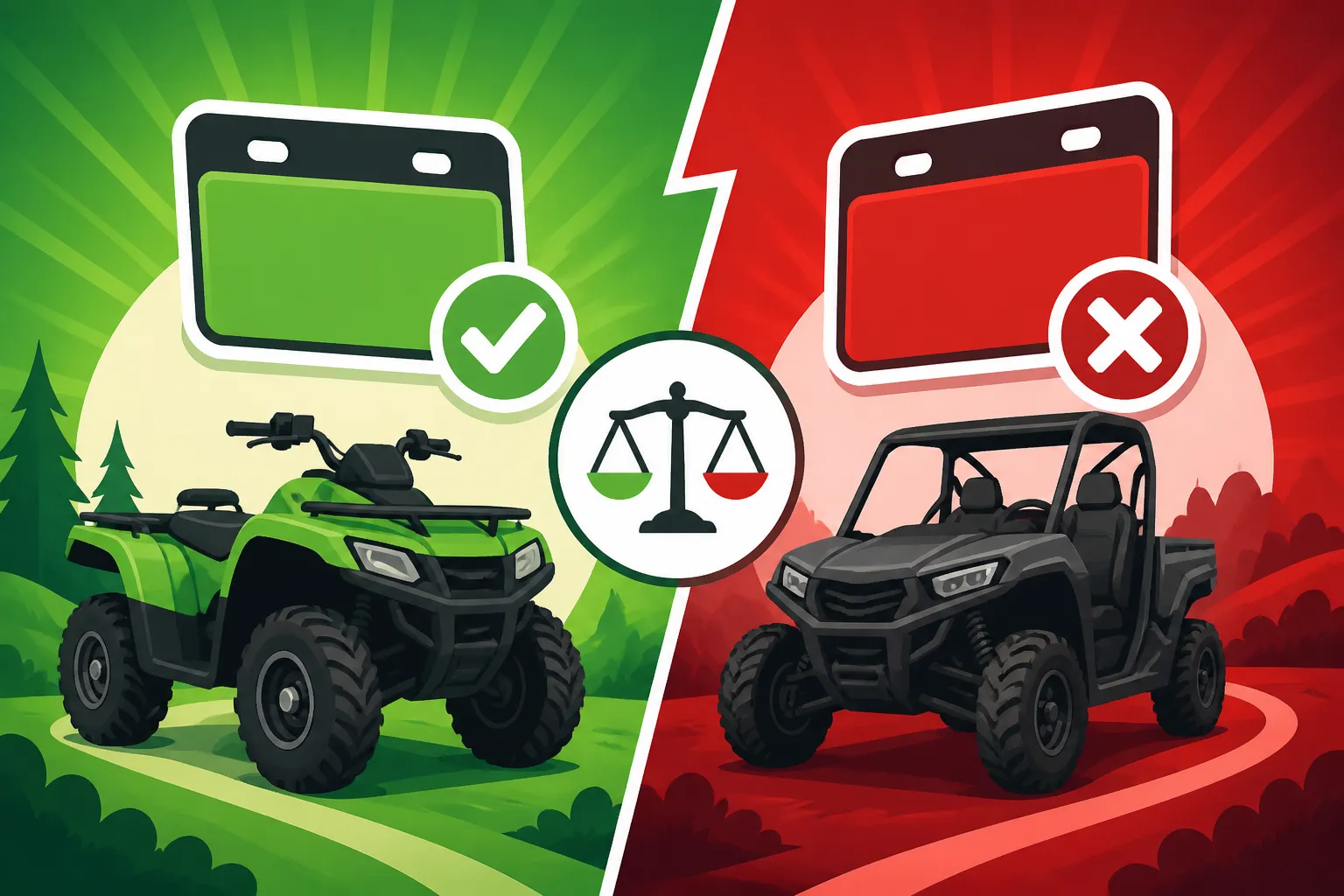
Table: Comparing New vs. Renewal Municipal ATV Plate Costs
To give you a clearer picture, here's a general comparison of what typically goes into the cost for a new municipal ATV plate versus a renewal. Remember that specific fees and procedures will vary by municipality.
| Feature | New Municipal ATV Plate | Renewal of Municipal ATV Plate |
|---|---|---|
| Administrative Fees | Higher, covers initial setup, data entry, file creation. | Lower, covers file update and continued validity. |
| Physical Plate Cost | Included, covers manufacturing and issuance of a new plate. | Not typically included, assumes existing plate is in use. |
| Proof of Ownership | Often required (e.g., bill of sale), rigorously verified. | Less frequent, usually only if ownership details change. |
| Processing Time | Potentially longer due to initial verification. | Generally quicker and more streamlined. |
| Overall Cost | Higher initial outlay. | Lower, ongoing annual fee. |
| Purpose | Establishes your ATV in the municipal system. | Maintains active status of an existing registration. |
| Example Scenario | Buying a quad and getting your first plate for a new riding area. | Continuing to ride your quad in the same municipality year after year. |
Conclusion: Plan Ahead for Savings
Understanding the difference between the cost of a new municipal ATV plate and a renewal is all about recognizing the administrative efforts involved. Initial fees cover the setup and physical issuance, while renewals capitalize on existing records to offer a more streamlined, cost-effective process. By being aware of your municipality's specific rules and renewal deadlines, you can save yourself both money and hassle, ensuring your quad is always ready for your next adventure across the vast and beautiful Saskatchewan landscape.
Disclaimer
This article is for general informational purposes only and does not constitute professional advice. Laws, prices and regulations vary by location and change over time. Consult a qualified professional for guidance on your specific situation.