Why a Municipal Plate Cannot Be Transferred
It can be incredibly frustrating to navigate the world of ATV ownership in Saskatchewan, especially when you find out that a municipal plate you just got your hands on, or are about to sell with a machine, simply isn't transferable. Many riders assume that a plate is a plate, like a car's license plate, and it just follows the vehicle. But in our province, particularly with municipal plates for quads, that's just not how it works. This guide will meticulously break down why municipal ATV plates are tied to the original owner and machine, not transferred, and what this means for both buyers and sellers in the Prairies.
Understanding Municipal Plates in Saskatchewan
Before we dive into why these plates aren't transferable, it's crucial to understand their very purpose and nature. Saskatchewan is unique in Canada because, provincially, we do not register ATVs. While snowmobiles have a provincial registration system with fees and insurance bundled in, quads are left to a patchwork of local regulations. This can lead to a lot of confusion for riders, especially those new to the province or used to systems in other jurisdictions.
The Provincial Gap and Local Solutions
The provincial government in Saskatchewan, through [Saskatchewan Does Not Register ATVs], has never implemented a province-wide registration or licensing system for all-terrain vehicles. This leaves a significant gap, particularly for municipalities and rural areas that want to manage ATV use within their own boundaries. Imagine a busy resort village in the summer, with dozens of quads zipping around. Without some form of local identification and accountability, it would be chaos for local enforcement and nearly impossible to track machines or fund local trail maintenance.
This is where municipal plates come in. Communities like Candle Lake, the District of Lakeland, and others have stepped up to create their own local registration or permitting systems. These aren't mandated by the province; rather, they are the result of local councils and rural municipalities enacting their own bylaws to address a local need. They decided to take action, establishing systems that often involve a small fee to acquire a plate or decal, which then allows riders to operate within specific areas under certain conditions. It's a pragmatic solution to a provincial void, providing a means for identification and, crucially, for collecting funds that often go directly back into local trail development and maintenance. [Municipal Plates Fill the Gap the Province Left] is a testament to this grassroots effort.
What a Municipal Plate Actually Represents
So, what exactly is one of these municipal plates? It's not a provincial registration in the traditional sense, like a vehicle registration from Saskatchewan Government Insurance (SGI). Instead, think of it more like a local permit. When you apply for a municipal plate, you're essentially applying for permission to operate your specific ATV within that municipality's jurisdiction, subject to their bylaws. The plate itself is often a simple piece of metal or a sticker, issued by the local village office or municipal administration.
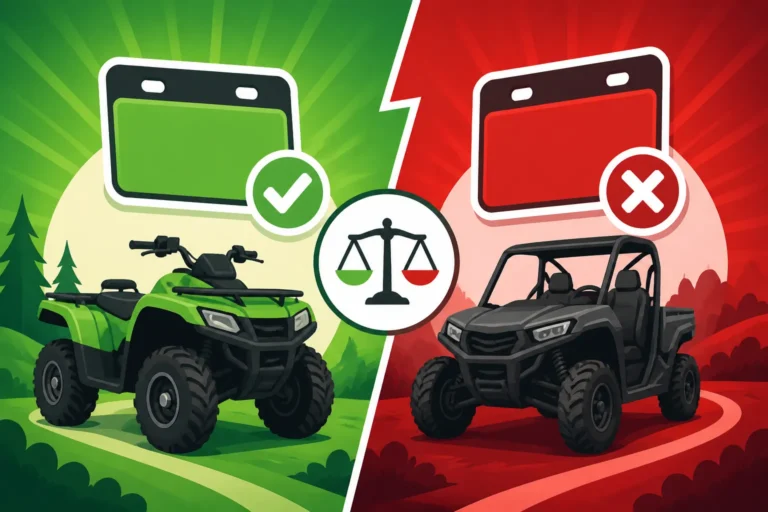
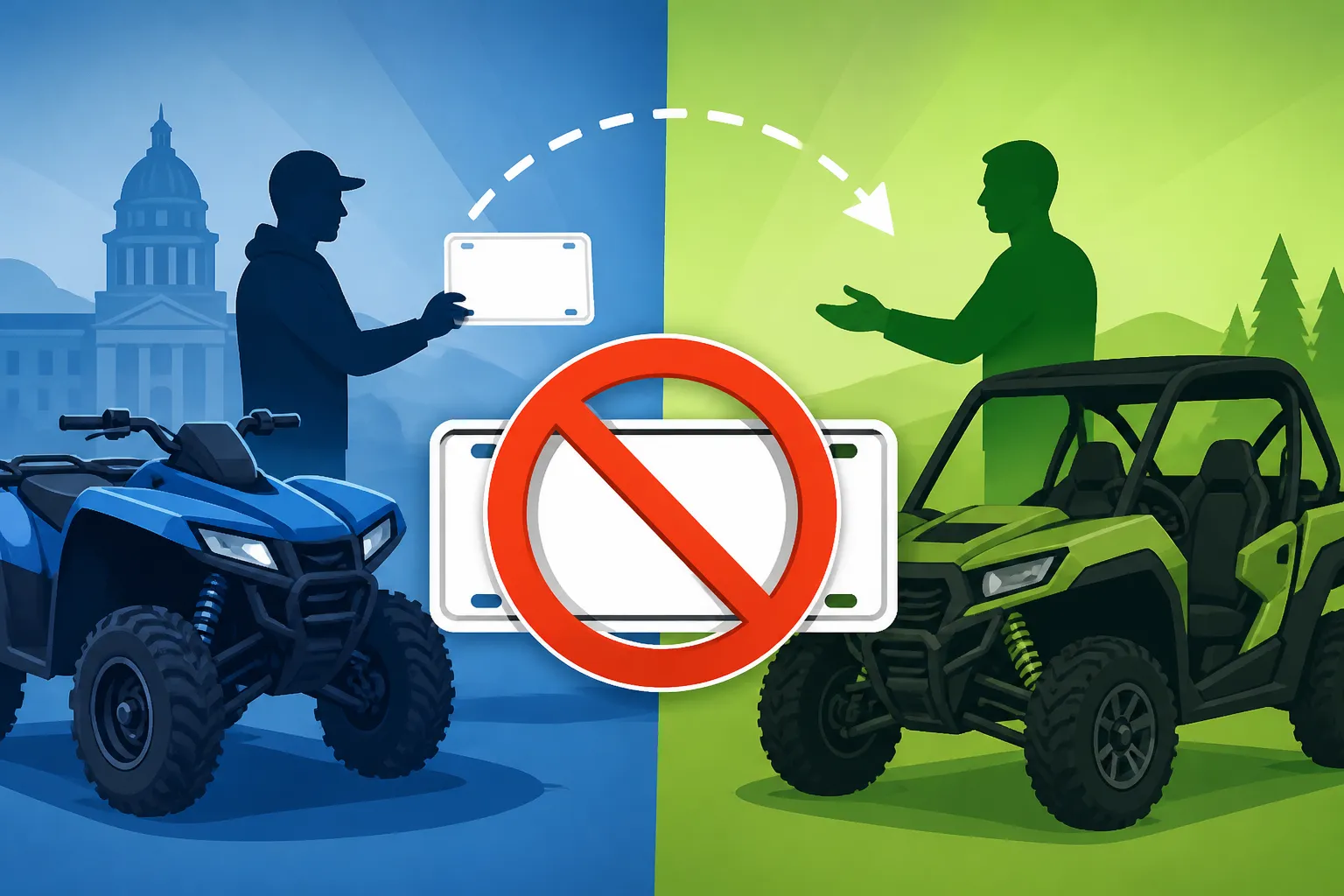
The key distinction here is that these plates are issued by a local authority under local bylaws, not under a provincial statute like [Saskatchewan's All Terrain Vehicles Act]. This means their rules and limitations are defined by the specific municipality that issues them. They're designed to identify the machine and, more importantly, the owner who obtained the permit, within that local context. It's less about creating a transferable title of ownership and more about granting temporary, revocable permission to a particular individual for their machine. This fundamental difference is at the heart of why a municipal plate simply cannot be transferred from one person to another.
The Non-Transferability Explained
This is often the sticking point that catches people by surprise. You've just bought a used quad, and the seller hands you a shiny municipal plate, perhaps from Candle Lake or the District of Lakeland, assuming you can just keep using it. Or, conversely, you're selling your machine and wonder if the plate adds value or simplifies things for the buyer. The answer, unfortunately, is a resounding no when it comes to transferability.
The "Owner-Specific" Nature of the Permit
When a municipality issues an ATV plate, it's not simply registering the machine itself; it's issuing a permit to a specific individual to operate that machine within its boundaries. Think of it like a fishing license – that license is tied to you, not transferable to someone else, even if they use your fishing rod. Similarly, a municipal ATV plate is typically tied to the person who applied for it, linked to their name, address, and the specific Vehicle Identification Number (VIN) of their quad.
The bylaws governing these plates are usually very clear on this. They are designed to create a direct link between the local government, the permit holder, and the machine. If an incident occurs, or if there's a need to identify the operator, the municipality wants to know exactly who they issued that permit to. Transferring a plate would break this chain of accountability. It would mean that a plate issued to "John Doe" could suddenly be used by "Jane Smith" without the municipality's knowledge or approval, bypassing their administrative process and the fees associated with obtaining a new permit. This would undermine the entire purpose of their local registration scheme, which is to track who is operating ATVs within their jurisdiction.
Bylaws Are Not Like Provincial Statutes
The reason for this owner-specific approach is deeply rooted in how municipal bylaws function compared to provincial or federal statutes. Provincial legislation, like that governing motor vehicles or even snowmobiles in Saskatchewan, often includes provisions for transferring ownership and associated registrations or titles. These are complex, multi-layered systems designed to handle vast populations and ensure consistent rules across a wide geographic area.
Municipal bylaws, on the other hand, are tailored for local needs and are generally simpler in their administrative framework. They are created by local councils to address specific community issues and often prioritize local control and direct accountability. Implementing a transferable plate system would require a much more complex administrative apparatus for tracking ownership changes, verifying new owners, and potentially dealing with liens or other legal claims—a system that most smaller municipalities are simply not equipped to handle, nor is it within their typical mandate. [Saskatchewan Rural Municipality Rules] often reflect this emphasis on local, direct governance rather than complex, transferable registries. The purpose is not to create a transferable property right, but to regulate local use.
Practicalities for Sellers and Buyers
For sellers, this means that the municipal plate you have on your quad is essentially null and void the moment you sell the machine. You cannot pass it along to the new owner, nor should you attempt to. The plate serves its purpose for your ownership within that municipality, and with the sale, your connection to that specific permit ends. Attempting to transfer it could lead to confusion or even penalties for the new owner if they are caught operating with a plate that isn't legitimately theirs.
For buyers, this is equally important. If you're purchasing a used ATV that comes with a municipal plate, understand that you cannot simply keep that plate on the machine and continue riding. You will need to apply for your own new plate from the relevant municipality if you intend to ride within their jurisdiction. This means filling out the application, providing your details, the machine's VIN, and paying the required fee. It's a fresh start with each change of ownership. This distinction is vital for avoiding unexpected fines or complications down the road.
Steps for Sellers and Buyers When a Plate Exists
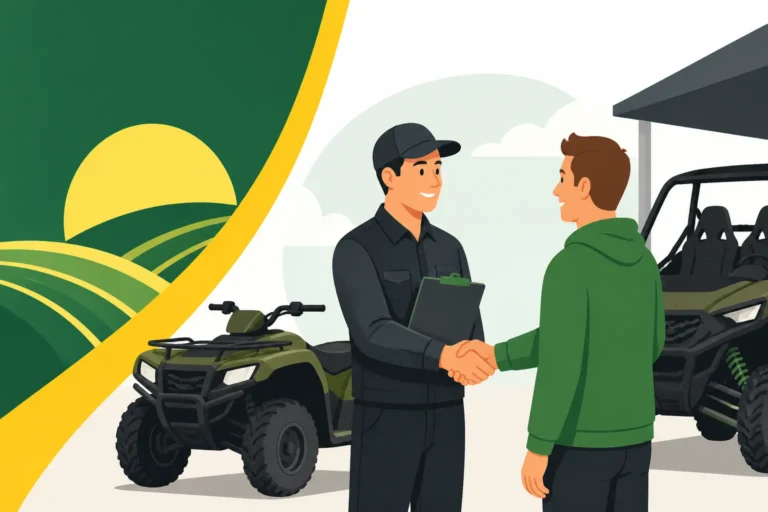
Knowing that a municipal plate isn't transferable changes how both sellers and buyers need to approach a quad sale, especially if a machine has been operating in a municipality that issues these permits. It's not as simple as handing over a set of keys and a bill of sale; there are a couple of extra steps to ensure a smooth transition.
What a Seller Must Do with Their Old Plate
As a seller, once you've made the decision to part with your ATV, your municipal plate becomes obsolete for that machine. The best practice is to remove the plate from the quad. You can often return it to the issuing municipal office. This serves a couple of purposes: it formally severs your connection to that particular permit, and it prevents any confusion if the new owner tries to use it. Many municipalities appreciate the return of plates as it helps them keep their records current and reduces the number of old, invalid plates floating around.
If you don't return it, at a minimum, discard it responsibly. Do not, under any circumstances, allow the buyer to leave with your old plate on the machine. This protects you from any potential liability if the new owner misuse the plate, and it ensures the buyer understands they need to secure their own permit if they plan to ride in that municipality. Think of it as tidying up your administrative affairs before handing over the keys. [Surrendering a Municipal Plate When You Sell] is a good practice that most municipalities would encourage.
What a Buyer Needs to Do for a New Plate
For the buyer, the process is straightforward: if you plan to operate the quad within a municipality that requires a plate, you need to obtain a new one in your own name. This means contacting the specific village office or rural municipality that governs the area where you intend to ride. For example, if you're buying a quad that was previously used near Candle Lake and you plan to ride it there, you'd contact the Village of Candle Lake.
The typical process for a new buyer involves:
- Contacting the Municipality: Find out their specific requirements, application forms, and fees.
- Providing Documentation: You'll generally need proof of ownership (like a bill of sale), your personal identification, and the quad's VIN.
- Paying the Fee: There will be a fee to issue the new plate. This fee often contributes directly to local trail maintenance and administration.
- Displaying the Plate: Once issued, display the plate or decal on your ATV according to the municipality's instructions.
It’s always a good idea to complete this process promptly after purchase, especially if you plan to ride in that area soon. Getting your own plate ensures you're riding legally and responsibly. [What to Bring to Get Your First Quad Plate] outlines the common documents and information you'll need.
The Importance of a Solid Bill of Sale
Regardless of whether a municipal plate is involved, the most critical piece of paperwork in any private ATV sale in Saskatchewan is a comprehensive bill of sale. Since [Saskatchewan Has No Title to Transfer] for ATVs, the bill of sale acts as your primary proof of ownership. This document is essential for both the seller and the buyer, establishing a clear record of the transaction.
A good bill of sale should include:
- The full names and contact information of both buyer and seller.
- The date of the sale.
- A detailed description of the ATV, including make, model, year, and crucially, the Vehicle Identification Number (VIN).
- The agreed-upon purchase price.
- A statement that the vehicle is sold "as-is, where-is" (if applicable).
- Signatures of both parties.
Having a robust bill of sale is not just good practice; it's a necessity. It protects the buyer by proving legitimate ownership and helps the seller document the transfer of the machine. It's also the document you'll need to present to a municipality when applying for your new plate. Services like LawDepot can provide excellent templates for a thorough bill of sale, ensuring all the necessary details are captured. This protects both parties and makes future interactions, like applying for a new municipal permit or dealing with insurance claims, much smoother. Without a provincial registry, [Saskatchewan Bills of Sale Do the Work] of establishing ownership, and having one properly filled out, perhaps using a template from LawDepot, is paramount. This document, not a municipal plate, is your proof that you legally own the machine.
Disclaimer
This article is for general informational purposes only and does not constitute professional advice. Laws, prices and regulations vary by location and change over time. Consult a qualified professional for guidance on your specific situation.