Why Plate Revenue Funds Local Trails
It can be incredibly frustrating for ATV and UTV riders in Saskatchewan when you hear about other provinces having dedicated trail networks funded by provincial registration fees, only to realize that Saskatchewan operates quite differently. Many riders scratch their heads wondering how trails are developed and maintained here, especially since the province itself doesn't issue plates or registration for quads. This guide will walk you through the unique system in Saskatchewan, explaining why local municipal plate revenue has become a crucial lifeline for funding and maintaining the trails we all love to ride.
The Unique Saskatchewan Landscape: No Provincial ATV Registry, No Provincial Funds
Riders across Saskatchewan often feel like they're in a bit of a bureaucratic limbo when it comes to ATV registration and trail funding. Unlike our neighbours in Alberta or Manitoba, Saskatchewan has taken a distinct path, one that places much of the responsibility—and opportunity—at the local level. It’s a system that can be confusing at first glance, but understanding its roots helps clarify why local plate revenue is so vital.
Why Saskatchewan Doesn't Register ATVs Provincially
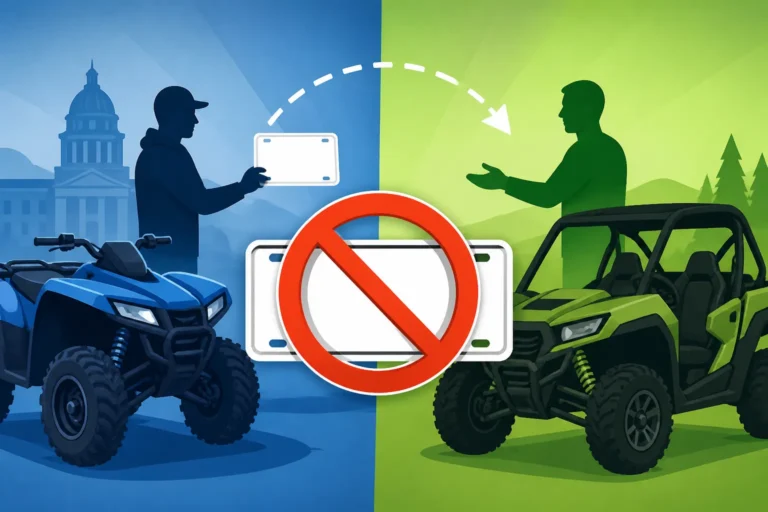
One of the biggest head-scratchers for new and experienced riders alike is the simple fact that Saskatchewan does not register ATVs. You can search high and low, but you won't find a provincial office or online portal where you can get a license plate or official registration for your quad. This approach dates back to the very origins of [Saskatchewan's All Terrain Vehicles Act], which outlines rules for operation but deliberately sidestepped a centralized registration system. This means there's no province-wide database of ATV owners, no provincial plates, and consequently, no provincial fees collected for registration. It’s a stark contrast to how snowmobiles are handled, which are provincially registered and come with a fee that supports trail systems. This difference in treatment between two very similar recreational vehicles can be a source of confusion and, at times, frustration for the ATV community. Without that provincial mechanism, a significant funding source for trail development and maintenance simply doesn't exist at the provincial level.
The Gap in Provincial Funding for ATV Trails
The absence of a provincial ATV registration system creates a tangible void when it comes to funding dedicated trail infrastructure. If the province isn't collecting fees from ATV owners, it's not dedicating specific funds from those fees back into ATV trails. This leaves a significant gap that often falls to volunteer clubs, private landowners, and most importantly, local municipalities to fill. Imagine trying to build and maintain kilometres of trails, put up signage, and ensure safety without a consistent, dedicated revenue stream. It’s a monumental task, and for many years, it meant that ATV trail development was largely piecemeal, relying heavily on the goodwill and elbow grease of passionate local riders. This is precisely why organizations like the Saskatchewan All Terrain Vehicle Association (SATVA) and many dedicated riders advocate for a provincial solution, recognizing that [Why SARM Wants the Province to Issue Plates] is about creating a sustainable future for riding.
Local Solutions: Municipalities Stepping Up for Riders
Given the provincial vacuum, it's the cities, towns, and rural municipalities across Saskatchewan that have truly stepped up to create local solutions. These local initiatives are born out of a desire to provide safe, organized riding opportunities for their residents and visitors, while also managing the impacts of ATV use within their boundaries. The key to their success often lies in local permit or plate schemes, which directly tie revenue generation to local trail funding.
How Municipalities Implement Plate or Permit Schemes
Since there's no provincial plate, some forward-thinking municipalities have introduced their own local permit or plate schemes. These aren't provincial registrations, but rather local bylaws that require ATVs operated within their jurisdiction, especially on designated municipal trails or roadways, to display a special local plate or permit. For instance, you might find communities like the District of Lakeland and Candle Lake have implemented such systems. When a municipality decides to create one of these schemes, they're essentially saying, "If you want to ride here, you contribute to the local infrastructure that makes that riding possible." These local plates or permits are typically issued annually and come with a fee. This is a direct response to [Municipal Plates Fill the Gap the Province Left] by creating a localized funding mechanism. The process for obtaining these can vary slightly from one municipality to another, but generally involves visiting the local municipal office, providing proof of ownership—often just a bill of sale, as there's no provincial title—and paying the required fee. [Saskatchewan Municipal Plate Schemes] are a testament to how local governments are finding creative ways to manage and enhance ATV recreation.
The Direct Link: Plate Fees to Local Trail Development
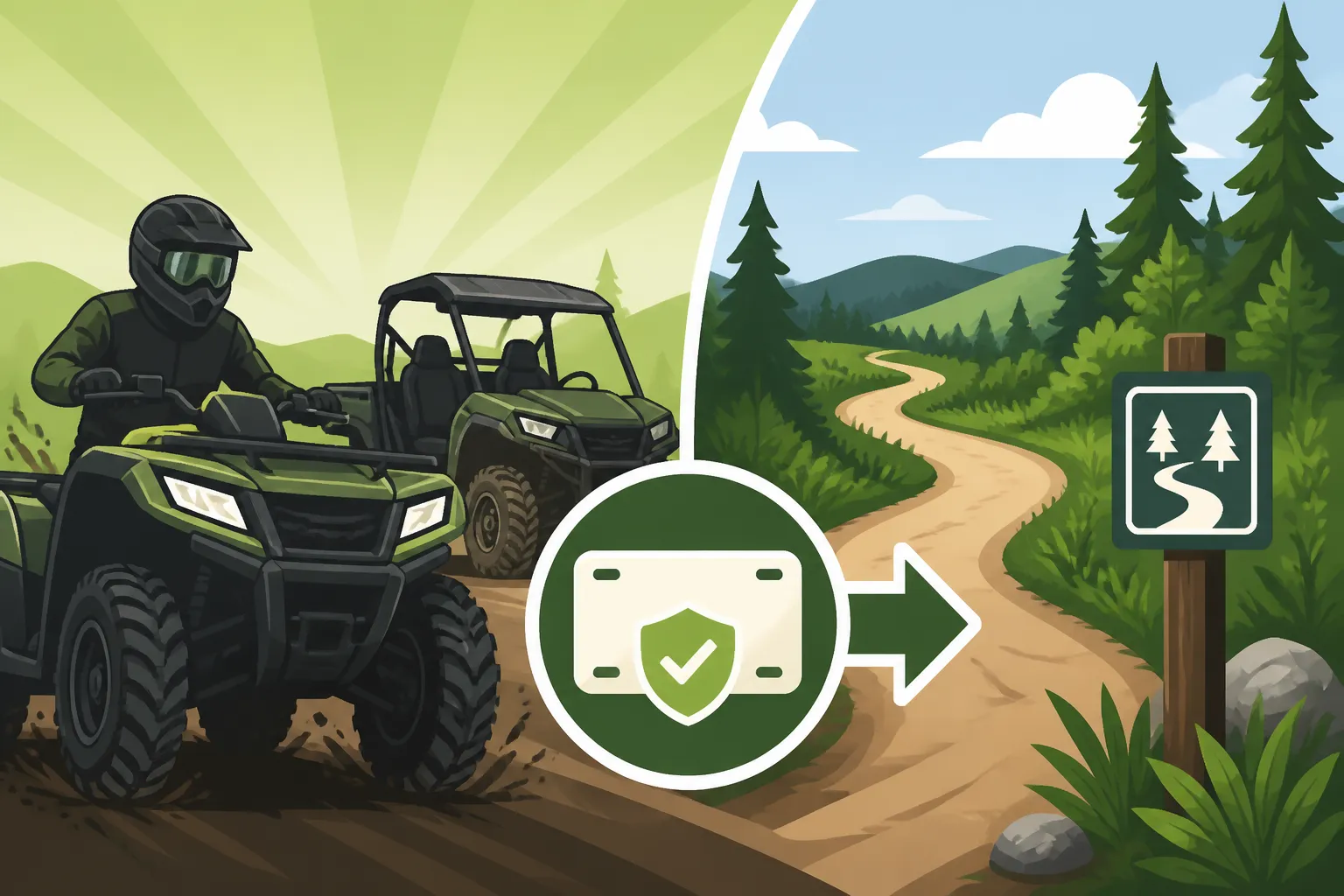
Here's where the rubber meets the trail, literally. When you purchase a municipal plate or permit, that money doesn't disappear into a general provincial fund. Instead, it stays right within that municipality, specifically earmarked for ATV-related initiatives. This often means funding the development, maintenance, and expansion of local ATV trails. The revenue from these plates allows municipalities to:
- Purchase materials: Think gravel for trail bases, lumber for bridges, or signage to mark routes and warn of hazards.
- Fund equipment use: While volunteers might do the labour, specialized equipment like graders or excavators might be needed, and these funds can help cover rental costs.
- Support local clubs: Often, these funds are directly channeled to local ATV clubs who are the boots on the ground, doing the heavy lifting of trail work. The plate revenue provides them with a consistent, reliable source of income to support their efforts.
- Develop mapping and information: Clear maps and information about local trails are crucial, and plate revenue can help fund these communication efforts.
This direct connection is why riders in these specific areas can often see a visible difference in the quality and availability of trails. When municipalities take the initiative, they are directly investing in the riding experience.
The Tangible Impact: What Local Revenue Achieves
The money collected through municipal plates and permits does more than just fill a ledger; it actively shapes the riding landscape in Saskatchewan. It transforms ambitious plans into reality, creating safe, enjoyable, and sustainable places for riders to explore. Without these local efforts, the vast majority of our organized trail riding opportunities would simply not exist.
Funding Trail Maintenance and Expansion
The most immediate and visible impact of municipal plate revenue is on trail maintenance and expansion. Anyone who rides knows that trails aren't a "build it and forget it" proposition. They require constant attention: clearing downed trees after storms, filling in washouts, repairing culverts, maintaining bridges, and refreshing signage. These aren't minor tasks; they require resources, time, and money. When you pay for a municipal plate, you're directly contributing to these ongoing efforts. For example, communities with established plate schemes can budget for:
- Regular grading: Keeping trails smooth and safe for various types of machines.
- Brush clearing: Preventing trails from becoming overgrown and impassable.
- Signage updates: Ensuring riders know where they are, what rules apply, and where hazards might be.
- Bridge and culvert repairs: Essential for safely crossing waterways and preventing erosion.
Beyond maintenance, these funds also enable expansion. As rider numbers grow, or as new areas become accessible, municipalities can use plate revenue to survey, plan, and build new sections of trail, connecting existing networks or opening up entirely new riding experiences. This forward-looking investment is crucial for the long-term health and appeal of ATV riding in Saskatchewan. Many local groups, when setting up formal agreements for trail access or management, find that reliable documentation is key, and services like LawDepot can be useful for drafting landowner agreements or organizational bylaws to manage these funds effectively.
Supporting Rider Safety and Community Initiatives
Beyond the physical trails, municipal plate revenue also plays a critical role in supporting broader rider safety and community initiatives. These funds can be leveraged to promote responsible riding, educate the public, and even contribute to emergency response infrastructure related to trail use. Think about the peace of mind knowing that trails are regularly inspected, or that there's a local group actively working to ensure safe passage.
Here's how this revenue contributes to safety and community:
- Safety signage: Funds can provide clear, consistent signage regarding speed limits, helmet requirements, and other operational rules unique to the local area.
- Mapping and navigation tools: Detailed maps, often available through municipal offices or local clubs, help riders stay on designated trails and avoid trespassing, a common concern for landowners.
- Community outreach and education: Money can support local workshops on ATV safety, environmental stewardship, or responsible trail etiquette, fostering a culture of respect among riders.
- Partnerships with emergency services: While not directly funding emergency services, a well-managed trail system supported by fees can improve access for emergency responders and provide clearer navigation points in case of an incident.
The collective impact of these efforts is a safer, more organized, and more enjoyable riding environment for everyone. It also helps build a stronger relationship between the riding community, local landowners, and municipal authorities, fostering a shared sense of responsibility for the trails.
Rider Responsibilities and Benefits in a Local System
Understanding that the provincial government doesn't register ATVs and that local municipalities are stepping up is the first hurdle. The next is recognizing your role as a rider within this system. It's not just about paying a fee; it's about being an active participant in sustaining the trails we all value.
Understanding Your Local Municipality's Rules
When you plan to ride in a specific area of Saskatchewan, especially one known for its trails, it's absolutely crucial to do your homework on the local municipal bylaws and permit requirements. Don't assume that what applies in one rural municipality will apply in another. Some municipalities might have a plate scheme, others a simple permit, and still others might not have any specific requirements beyond the provincial [Saskatchewan's All Terrain Vehicles Act] stipulations. Ignoring these local rules can lead to fines or conflict with local residents and authorities.
Here’s a quick checklist of what to look for:
- Is a municipal plate or permit required? Check the local municipal website or call the office before you trailer your machine. [Saskatchewan Permit Questions Riders Ask] often revolve around these specifics.
- What are the designated riding areas? Many municipalities with plate schemes will have specific trails or roads where ATVs are permitted. Riding off-limits areas can lead to trespassing charges.
- Are there specific speed limits or operating hours? Local bylaws can impose stricter rules than provincial legislation, especially within hamlets or near residential areas.
- What are the fines for non-compliance? Knowing the consequences helps reinforce the importance of adherence.
Being proactive in understanding and following these local rules not only helps you avoid legal trouble but also demonstrates respect for the community that is actively trying to provide riding opportunities.
| Municipality Example | Plate/Permit Requirement | Primary Use of Revenue | Key Benefit for Riders |
|---|---|---|---|
| District of Lakeland | Annual Plate Fee | Trail Maintenance & Expansion | Access to well-maintained trails |
| Candle Lake | Annual Permit Fee | Local Trail Development | Designated riding routes |
| Other RMs | Variable/None | N/A | Depends on local volunteer efforts |
Note: Specific fees, rules, and designations vary. Always check with the relevant municipal office directly.
The Collective Benefit of Supporting Local Efforts
When you purchase a municipal plate or permit, you're not just buying a sticker for your quad; you're investing in the future of ATV riding in that community. Your contribution, combined with that of other riders, becomes a powerful force for good. It allows the municipality and local clubs to build better trails, ensure rider safety, and demonstrate the responsible side of the ATV community. This collective support helps to:
- Validate the need for trails: Strong participation in permit programs shows local governments that there's a demand for ATV recreation, encouraging continued investment.
- Strengthen relationships: When riders comply with local rules and contribute financially, it builds trust between the riding community and local residents, landowners, and authorities. This can lead to more opportunities, like gaining access to [Saskatchewan Crown Land Riding Explained] through formal agreements or expanding existing [Saskatchewan Club Trails on Crown Land].
- Create pride in local infrastructure: When riders contribute, they feel a greater sense of ownership and pride in the trails they help create and maintain.
- Support volunteer efforts: Many local clubs rely on volunteers to do the physical work. Plate revenue provides the essential financial backing to make those volunteer hours truly effective, covering costs for tools, fuel, and supplies. When these clubs formalize their operations to manage funds and projects, they might use reliable tools like LawDepot to establish proper internal governance documents and agreements.
Ultimately, by understanding and participating in these local plate and permit schemes, riders become an integral part of the solution, helping to shape a more organized, enjoyable, and sustainable future for ATV and UTV recreation across Saskatchewan.
Disclaimer
This article is for general informational purposes only and does not constitute professional advice. Laws, prices and regulations vary by location and change over time. Consult a qualified professional for guidance on your specific situation.