Why a Supervisor Can Be Ticketed for a Rider
It's a common scene in Saskatchewan: a proud parent or guardian watches a younger rider, maybe a teen, confidently navigate their ATV or UTV across a field or down a rural trail. There's a natural assumption that the person actually on the machine is the one responsible for its operation. However, when it comes to off-road vehicles in our province, that's not always the case, especially when a supervisor is involved. This guide will walk you through the specific rules in Saskatchewan that can hold a supervisor accountable – even ticketed – for a rider's actions, ensuring you understand your responsibilities whether you're supervising your own child or a friend's.
Understanding Saskatchewan's Supervisor Rule for ATV and UTV Riders
The world of off-road vehicle laws can feel like a labyrinth, especially here in Saskatchewan where our rules sometimes deviate from what you might expect in other provinces. One area that frequently catches people off guard is the concept of a supervisor and their direct responsibility for younger riders. It's not just about general oversight; it's a very specific legal designation.
The foundation for these rules lies squarely in [Saskatchewan's All Terrain Vehicles Act]. This legislation sets out who can ride, where they can ride, and crucially, the conditions under which a younger rider can operate a machine. The Act defines an "all terrain vehicle" quite broadly, encompassing most quads and side-by-sides, and it's quite clear about the age restrictions involved. Generally, you need to be 16 years of age or older to operate an ATV or UTV without direct supervision on land that isn't solely your own property or part of a defined exemption like farming. This means that if your younger rider is out enjoying the trails or even a grid road, special rules apply.
There are specific exceptions, and these are where the supervisor role becomes paramount. For instance, [Saskatchewan's Exception for Riders 12 and Over] allows a person aged 12 to 15 years to operate an ATV, but only if they are under the direct supervision of an adult who meets certain criteria. This isn't just a suggestion; it's a legal requirement designed to ensure safety. The supervisor must be an adult, at least 18 years old, and perhaps most importantly, they must hold a valid driver's licence that they've possessed for at least 365 days. This detail, often referred to as [Saskatchewan's 365-Day Supervisor Rule], highlights that the province expects experienced individuals to be in charge when younger riders are operating these powerful machines. It’s about ensuring that the person responsible for guiding the youth has a solid background in safe vehicle operation themselves.
When Does a Supervisor Become Legally Liable for a Rider's Actions?
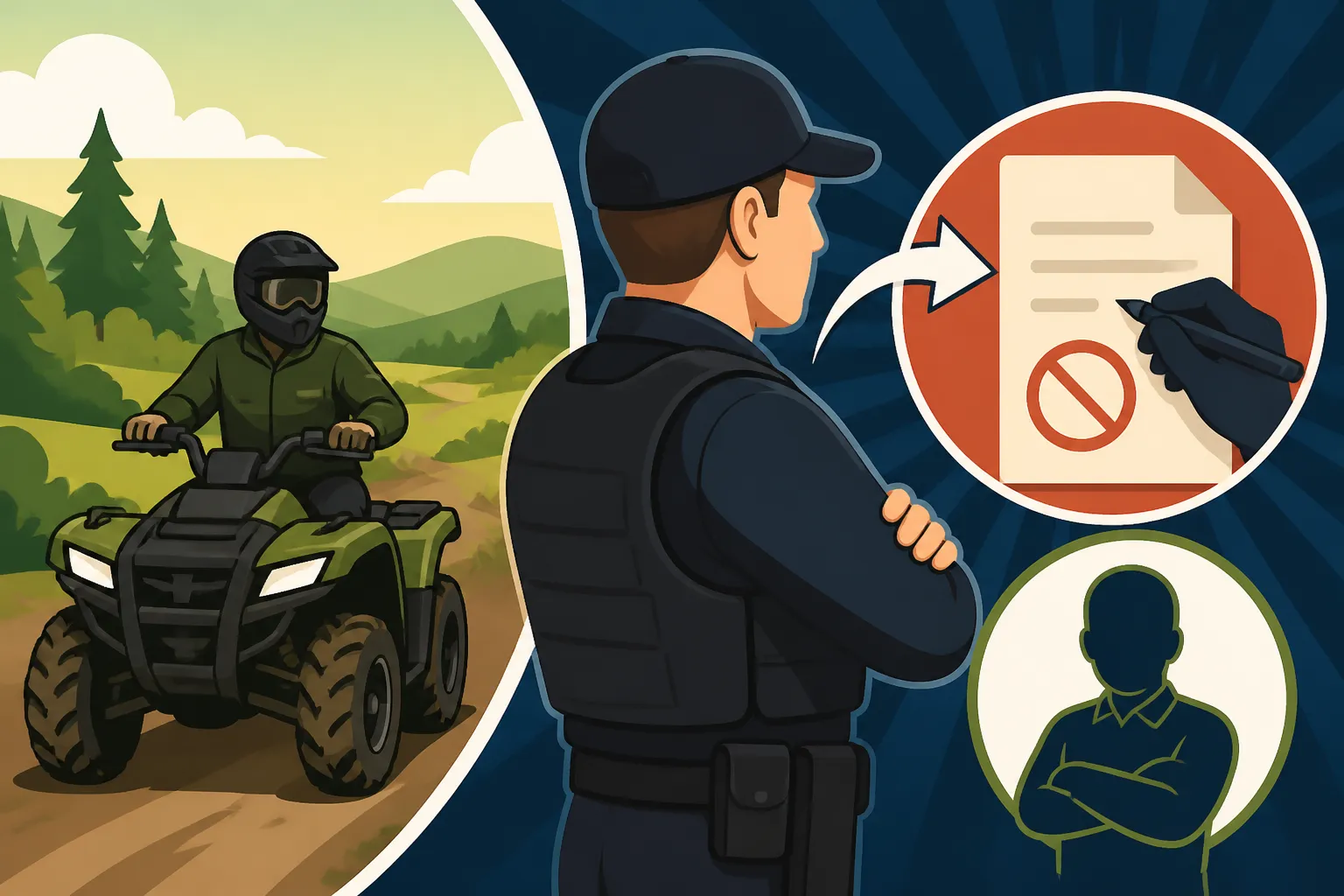
This is where the rubber meets the road, so to speak. Many people assume that if a younger rider is behind the handlebars, they are the one who will face consequences if a rule is broken. However, Saskatchewan's Act has a very specific clause that shifts the legal burden. When an individual aged 12 to 15 is operating an ATV under the supervision of an adult as required by the Act, [The Act Treats the Supervisor as the Operator]. This is a critical distinction that many people aren't aware of until it's too late. It means that, for all legal intents and purposes under the All Terrain Vehicles Act, the adult supervisor is considered the one operating the machine, even if they're sitting on a different quad a few feet away.
Think about it this way: if a peace officer observes a 14-year-old rider, being supervised, commit an infraction like not wearing a helmet, or riding in an area prohibited by a local bylaw, the ticket will be issued to the supervisor, not the young rider. This can extend to a whole host of violations. If the youth is riding too fast, the supervisor could be ticketed for speeding. If the machine isn't equipped with proper lighting for dusk or night riding, and the youth is operating it, the supervisor could face fines related to inadequate equipment. It’s a comprehensive transfer of responsibility, making the supervisor the primary point of accountability for any breach of the Act or its regulations.
This also means that ensuring the machine itself is safe and compliant falls partly on the supervisor's shoulders. While the rider controls the machine, the supervisor is responsible for allowing them to operate a machine that meets safety standards. For instance, if you've added aftermarket parts to your ATV or UTV, like a new windshield, mirrors, or lighting, you need to ensure they meet regulations. Companies like SuperATV offer a wide range of accessories that can enhance safety and visibility, but it's crucial for the supervisor to ensure these additions don't inadvertently create non-compliance. For example, ensuring proper [Saskatchewan Lighting Requirements on a Machine] are met, especially if riding after dark, becomes the supervisor's responsibility when a youth is operating.
The Supervisor's Comprehensive Duties and Responsibilities
Being a supervisor in Saskatchewan for a youth operating an ATV or UTV isn't a passive role; it's an active and legally binding responsibility. The Act demands that the supervisor provides "direct supervision," which implies more than just being in the general vicinity. It means being close enough to observe the rider's actions, intervene if necessary, and ensure that all rules and safe operating practices are being followed. This level of engagement is crucial because, as we've established, the law views you as the operator.
Firstly, as mentioned, the supervisor must hold a valid driver's licence and have held it for at least [The Supervisor Needs a Licence Held 365 Days]. This isn't just a formality; it signifies a baseline of experience and knowledge of road rules and general vehicle operation that the province deems necessary for someone overseeing an ATV operator. This requirement implicitly suggests that the supervisor should be capable of understanding and enforcing the rules of the road and trail.
Secondly, the supervisor is responsible for ensuring the youth complies with all aspects of [Saskatchewan ATV Road Rules Explained] and other regulations. This includes helmet use ([Saskatchewan Helmet and Eye Protection Rules]), speed limits ([Saskatchewan's 80 km/h Speed Limit]), and rules about riding on highways, ditches, and Crown land. If the youth is riding in a municipality with specific bylaws, the supervisor must ensure compliance with those, too. For instance, if a local bylaw prohibits ATV use on certain streets, and the youth rides there, the supervisor is liable. The supervisor should also know about [Saskatchewan's Minimum Insurance Requirement] and ensure the machine the youth is riding has it. Carrying [Proof Carried on the Machine] is a good practice for both the supervisor and the youth to demonstrate compliance if stopped by an officer.
There's also an interesting alternative for youth: a safety training course. [How a Safety Course Replaces a Supervisor] allows a young person aged 12 to 15 who has successfully completed an ATV safety course approved by the administrator to operate an ATV without direct supervision. In this scenario, the youth themselves are then considered the operator, relieving the supervisor of direct liability for their operation. However, until that certificate is obtained, the supervisor's duties are absolute.
Finally, beyond direct tickets, supervisors need to be aware of the broader [Saskatchewan Owner Liability Rules]. Even if you aren't directly supervising a youth, if you permit someone to operate your ATV and they cause damage or injury while breaking the rules, you as the owner could still face liability. This "reverse onus" rule means that the owner often has to prove they weren't negligent in allowing the operation. This is why having robust [Saskatchewan Insurance Requirements for Riders] is not just a good idea, but a necessity, covering liability in case of an accident.
Consequences of Supervisor Liability and How to Mitigate Risks
When a supervisor is ticketed for a rider's infraction, the consequences can range from financial penalties to potential impacts on their driving record, depending on the severity and nature of the offence. The [Saskatchewan Fines Capped at $1,000] are no small matter, and they serve as a serious deterrent. For simple infractions like a youth not wearing a helmet or exceeding a speed limit, the supervisor is the one facing the monetary penalty. This can quickly add up, especially if there are multiple violations.
Beyond the immediate financial hit, the implications can be more far-reaching. Since the Act treats the supervisor as the operator, depending on the specific charge, a violation could potentially appear on their driving record. While ATV offences are typically distinct from conventional traffic violations, repeat offences or serious infractions could lead to further scrutiny. It underscores the importance of taking the supervisory role seriously and actively preventing any infractions. For instance, if a supervisor is deemed to have been riding while their licence was disqualified, they could face serious penalties under [Saskatchewan Disqualified Driver Offences].
One of the most crucial mitigation strategies is ensuring adequate insurance coverage. As the de facto operator, the supervisor's liability exposure is significant. While [Saskatchewan's Minimum Insurance Requirement] provides a baseline, many riders choose to carry additional coverage to protect against higher liability claims. Incidents can happen quickly, and having comprehensive [Saskatchewan Liability Claims After a Crash] in place can be the difference between a minor headache and a major financial burden. A good policy will cover property damage, injury, and legal costs if an accident occurs while a youth is under your supervision.
Furthermore, equipping the ATV or UTV with proper safety features can significantly reduce the risk of incidents that lead to tickets. For example, ensuring the machine has highly visible [Saskatchewan Lighting Requirements at Night] can prevent issues during dawn, dusk, or night riding. Aftermarket products from reputable brands like SuperATV can offer enhanced visibility and protection, such as brighter LED light bars or durable full-windshields, which not only improve safety for the rider but also demonstrate a commitment to compliance. Regularly checking that essential components, like brakes and tires, are in good working order is also a supervisor's implicit responsibility.
Ultimately, preventing a ticket for a supervisor comes down to proactive engagement and a thorough understanding of the rules. It means not just being present, but being actively involved in guiding, educating, and enforcing safe riding practices for the youth under your care.
Here’s a summary of potential scenarios and who gets ticketed:
| Rider's Action / Situation | Who is on the Machine (Ages 12-15) | Supervisor (Adult, 365-day licensed) Present | Who is Ticketed & Why |
|---|---|---|---|
| Riding without a helmet | Youth (14) | Yes | Supervisor – Act treats supervisor as operator. |
| Exceeding speed limit on a grid road | Youth (15) | Yes | Supervisor – Responsible for rider's operation. |
| Riding in a prohibited municipal park | Youth (12) | Yes | Supervisor – Ensured youth adheres to local bylaws. |
| Machine lacks proper lighting after sunset | Youth (13) | Yes | Supervisor – Responsible for compliant equipment. |
| Rider does not have an approved safety certificate | Youth (14) | No (rider riding alone) | Rider's Parent/Guardian – Permitted unlawful operation. |
| Rider (11 years old) operating an ATV | Child (11) | Yes (any adult) | Supervisor – Child is too young to ride at all. |
| Rider (12) with safety certificate, riding alone | Youth (12) | No (riding alone) | Rider (or no ticket if compliant) – Rider is operator. |
| Supervisor does not have a valid driver's licence | Youth (13) | Yes (but no valid licence) | Supervisor – Fails to meet supervisor requirements. |
Remember, understanding these rules isn't just about avoiding a fine; it's about fostering a culture of safety and responsibility in our thriving Saskatchewan ATV and UTV community.
Disclaimer
This article is for general informational purposes only and does not constitute professional advice. Laws, prices and regulations vary by location and change over time. Consult a qualified professional for guidance on your specific situation.