Goggles or a Shatterproof Shield
One of the most common oversights for new ATV and UTV riders in Saskatchewan, and frankly, experienced ones too, is just how crucial eye protection truly is. You're out there enjoying the vast landscapes, whether it's the northern bush or the open prairies, and it's easy to forget about something as seemingly simple as what covers your eyes until that first branch whips past or a cloud of dust engulfs you. This guide is all about cutting through the confusion, clearly explaining why wearing either goggles or a shatterproof shield isn't just a good idea, but a vital part of staying safe and legal on the trails and ditches of our beautiful province.
Why Eye Protection Is Non-Negotiable in Saskatchewan
Riding an ATV or UTV offers an incredible sense of freedom and adventure, but it also comes with inherent risks, many of which can be mitigated with the right gear. In Saskatchewan, the law explicitly addresses the need for eye protection, a rule born out of practical necessity and a deep understanding of the hazards off-road riders face. This isn't just a suggestion; it's a fundamental safety requirement that protects your most precious sense.
The Law's Clear Stance on Rider Safety
The province of Saskatchewan takes rider safety seriously, and while it might not always feel like there's a provincial office looking over your shoulder, the regulations are there for a reason. When it comes to eye protection, the spirit of the [Saskatchewan's All Terrain Vehicles Act] is unequivocally clear: you need to keep your eyes safe. This means that whether you’re cruising down a grid road or navigating challenging terrain, adequate eye protection is a must-have, not an optional accessory. It's about minimizing the chances of injury from the myriad of small, fast-moving objects that can become projectiles when you're moving at speed.
Think about it from a common-sense perspective. Imagine an unexpected stone flicked up by your own tire, or even by a friend riding ahead of you. These aren't just minor irritations; they can be serious hazards. The law understands that the environment in which ATVs and UTVs operate is unpredictable, full of dust, grit, and natural obstacles. Therefore, mandating eye protection is a proactive measure to prevent accidents and injuries. It ensures that every rider is equipped to maintain clear vision and protect their eyes from unforeseen impacts, helping you focus on the ride and the stunning [Saskatchewan Riding Areas Reachable in a Day] around you.
The Real-World Dangers Without Proper Eye Protection
It's easy to dismiss eye protection as a minor detail, but anyone who has spent time on a quad or side-by-side knows just how quickly things can go wrong. Without proper goggles or a shatterproof shield, you're exposing your eyes to a barrage of potential threats that can range from annoying to truly debilitating. A sudden gust of wind can whip up a blinding cloud of dust on a dry gravel road, completely obscuring your vision and forcing an emergency stop, or worse, sending you swerving into an obstacle. Imagine cruising through the dense bush up north, perhaps near [Saskatchewan Riding Near Nipawin], and a low-hanging branch snaps back and strikes you directly in the eye. That's not just going to sting; it could cause severe, permanent damage.
Then there are the less obvious, but equally dangerous, elements: insects, small stones, mud splatters, and even just prolonged exposure to wind can dry out your eyes, reducing your ability to see clearly and react quickly. A simple splash of mud from a puddle can cause momentary blindness, which at speed, is an accident waiting to happen. These real-world scenarios aren't theoretical; they happen every day to riders who underestimate the importance of their gear. Investing in good eye protection isn't about complying with a rule; it's about protecting your vision, ensuring you can enjoy your rides safely, and avoiding a trip to the emergency room.
Goggles: Your Go-To for Off-Road Adventures
For many dedicated ATV and UTV enthusiasts, particularly those who frequent the more rugged trails and challenging terrains, a good pair of goggles is as essential as the helmet itself. They offer a unique combination of protection and adaptability that makes them a favourite for serious off-road riding.
Features That Make Goggles Ideal for ATV Riding
Goggles are specifically designed to meet the demands of aggressive off-road riding, offering features that standalone glasses simply cannot. Their primary advantage lies in their ability to create a sealed barrier around your eyes. This seal is crucial for keeping out fine dust, mud, sand, and other debris that gets kicked up constantly on trails. When you're tackling conditions like the [Saskatchewan Muskeg and Machines] up north, or navigating a dusty dry farm track, this sealing capability becomes absolutely invaluable. A high-quality pair of goggles will have a comfortable foam lining that conforms to your face, preventing particles from sneaking in.
Beyond sealing, modern ATV goggles incorporate sophisticated ventilation systems to combat fogging, a common frustration for riders. Anti-fog coatings on lenses, combined with strategic vents, help maintain clear vision even when you're working up a sweat. Lenses themselves come in a variety of tints, from clear for night riding or overcast days to dark tints for bright sunny conditions, and even photochromatic lenses that adjust to changing light. Many riders also appreciate the wide field of vision offered by goggles, which allows for better peripheral awareness, critical when you're spotting obstacles or navigating tight turns. Brands like SuperATV, while primarily known for UTV accessories and parts, represent the broader market of specialized gear where quality, durability, and rider-focused design are paramount, and you'll find similar dedication in top goggle manufacturers. The adjustable strap ensures a secure fit over any helmet, making them a versatile choice for any adventure.
Proper Goggle Care and Maintenance
To ensure your goggles provide optimal protection and last through countless rides, proper care and maintenance are key. After each ride, especially if you've encountered dust, mud, or rain, take the time to clean them. Always rinse the lenses with clean water first to remove any abrasive particles before wiping them. Using a soft microfiber cloth specifically designed for lenses is crucial; paper towels or abrasive fabrics can scratch the delicate anti-fog and anti-scratch coatings, compromising your vision and the goggle's lifespan. Avoid harsh chemicals, opting instead for mild soap and water if needed.
Periodically, check the foam lining for wear and tear, and inspect the strap for elasticity and any damage. A stretched-out strap won't hold the goggles securely, and compromised foam can allow debris to enter. Many riders find anti-fog treatments or a pinlock insert system to be beneficial, especially on cooler days or in humid conditions. Store your goggles in a protective bag or case to prevent scratches when they're not in use, keeping them away from direct sunlight or extreme temperatures. Knowing when to replace your goggles is also important – significant scratches, degraded foam, or a non-elastic strap means it's time for an upgrade. A well-maintained pair of goggles ensures you always have the clearest possible vision, making your ride safer and more enjoyable, whether you're traversing [Saskatchewan Trail Mileage Totals] or just exploring your local area.
Shatterproof Shields: Integrated Helmet Protection
While goggles excel in specific challenging conditions, many riders opt for the integrated convenience and comprehensive coverage offered by a shatterproof shield built into their helmet. These shields provide a different kind of protection, often favoured for their ease of use and seamless design.
The Convenience and Coverage of a Shield
Shatterproof shields are commonly found on full-face and modular helmets, offering a fantastic solution for eye protection that's always there when you need it. The most obvious advantage is convenience: with a flick of the wrist, you can raise or lower your shield, making quick adjustments for ventilation, communication, or a momentary break from the elements. There's no separate item to remember or adjust, as it's an integral part of your helmet. This seamless design often means a wider, uninterrupted field of view compared to some goggle designs, which can be particularly beneficial for maintaining situational awareness on trails or when observing the vastness of the [Saskatchewan Crown Land Riding Explained].
These shields come in various forms, from crystal-clear for maximum visibility to tinted or mirrored options for sunny days, effectively acting as built-in sunglasses. Many helmets also offer easy-change shield systems, allowing you to swap out tints based on the day's conditions, just as you might swap lenses on a pair of goggles. The "shatterproof" aspect isn't just a marketing gimmick; it refers to the material's impact resistance, designed to withstand blows from debris without splintering or shattering into dangerous pieces. This makes them a robust and reliable choice for protecting your eyes from wind, dust, insects, and small projectiles, offering a streamlined experience especially if you're riding a UTV that already has a windshield, further enhancing your overall protection, akin to how SuperATV provides durable accessories for these machines.
Ensuring Your Shield Meets Safety Standards
When choosing a helmet with an integrated shield, the term "shatterproof" is a crucial indicator of its safety capabilities, but it's important to understand what truly backs that claim. The shield's ability to withstand impact and not shatter into sharp fragments is paramount. This capability is usually part of the overall helmet certification process. When you see certifications like DOT (Department of Transportation), ECE (Economic Commission for Europe), or Snell on your helmet, it means the entire helmet system, including the shield, has met rigorous safety standards. These tests often involve impact resistance, penetration resistance, and ensuring the shield provides clear, distortion-free vision.
Maintenance for shields is similar to goggles: always clean them with clean water first to remove abrasive grit before wiping with a soft, clean microfiber cloth. Many shields come with anti-scratch and anti-fog coatings, but these can be damaged by harsh chemicals or improper cleaning. For consistent fog-free vision, some shields are compatible with Pinlock inserts, which create an insulating air layer to prevent condensation. It's also vital to inspect your shield regularly for deep scratches, cracks, or any other damage that could compromise its integrity. Even a minor crack can weaken the shield and make it less effective in an impact. Replacing a damaged shield is a small price to pay for maintaining optimal safety and visibility on your rides, ensuring you're ready for any challenge the [Saskatchewan ATV Trails: Crown Land and Ditches] might throw your way.
Making the Right Choice: Goggles vs. Shield
Deciding between goggles and a shatterproof shield isn't about one being inherently "better" than the other; it's about what best suits your riding style, the conditions you typically encounter, and your personal comfort. Both options offer robust eye protection, but their strengths lie in different areas, making the choice a personal one that impacts your overall riding experience.
Terrain, Weather, and Personal Preference
The type of terrain you ride most often will heavily influence whether goggles or a shield is more appropriate. For riders who love aggressive trail riding, especially in dusty, muddy, or heavily wooded areas, goggles often come out on top. Their tight seal prevents debris from entering, and their often more robust construction can handle the knocks and scrapes of the bush. If you're navigating deep ruts or splashing through water on trails near [Saskatchewan Riding Near Candle Lake], the superior sealing of goggles can keep your vision clear when a shield might let in splatters. Many riders find the increased airflow of goggles preferable for high-exertion riding, though this can vary with design.
On the other hand, a helmet with an integrated shield offers unparalleled convenience for riders who prefer longer touring, less extreme trails, or simply want an all-in-one solution. They're excellent for protecting against wind fatigue and insects on open stretches, and the ability to quickly flip the shield up for a breath of fresh air or to chat with fellow riders is a big plus. Riders operating UTVs, which often have a windshield, might find an integrated helmet shield provides sufficient additional protection and convenience. Ultimately, personal preference plays a huge role; some riders simply find goggles more comfortable or prefer the aesthetic, while others value the integrated simplicity of a shield. Some even combine approaches, wearing goggles under an open-face helmet for versatility.
Legal Compliance and Officer Expectations
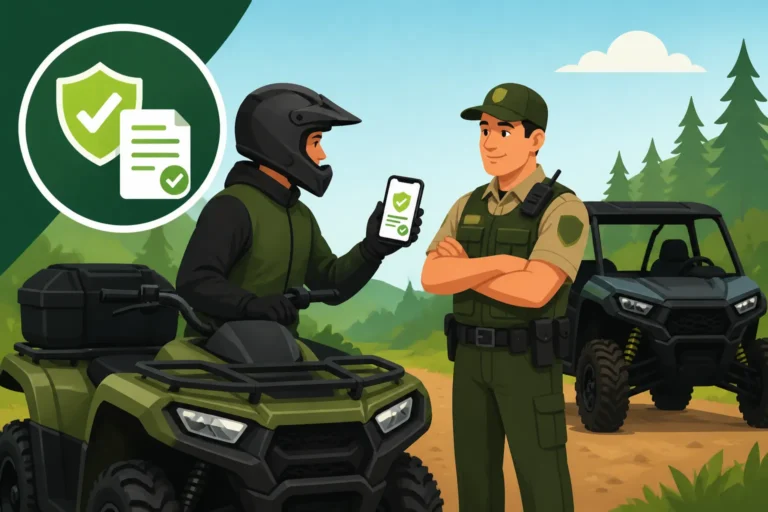
Regardless of your personal preference or riding conditions, legal compliance in Saskatchewan is non-negotiable. The good news is that both properly worn goggles and a shatterproof shield that is part of a certified helmet are generally accepted forms of eye protection under the province's ATV regulations. An officer pulling you over for an equipment check, perhaps while you're riding legally on a [Saskatchewan Grid Road], isn't going to distinguish between the two as long as your chosen method effectively protects your eyes. The key is that the eye protection must be worn and functional.
What an officer will be looking for is clear visibility. Your goggles or shield shouldn't be excessively scratched, dirty, or fogged to the point where they impair your vision. They need to be securely fitted, not dangling loosely or pushed up onto your helmet. The aim of the law is to ensure you can see clearly and react safely to your surroundings, minimizing risks to yourself and others. So, whether you strap on a pair of high-performance goggles or pull down a full-face shield, make sure it’s in good condition and being used as intended. Understanding these [Saskatchewan Equipment Checks by Officers] will help ensure your rides are always safe and complaint.
| Feature / Consideration | Goggles | Shatterproof Shield |
|---|---|---|
| Primary Advantage | Superior seal against dust, mud, and debris | Convenience, wide field of view, integrated design |
| Best For | Aggressive off-road, mud, heavy dust, bush | Touring, less extreme trails, convenience, UTVs |
| Fog Resistance | Good (ventilation, anti-fog coatings) | Good (anti-fog coatings, Pinlock systems) |
| Versatility | Interchangeable lenses for light conditions | Interchangeable shields/tints for light, quick flip |
| Comfort | Can be hot, good fit over glasses | Often more airflow, less pressure on face |
| Helmet Type | Open-face, dual-sport | Full-face, modular, dual-sport |
| Maintenance | Clean lenses, check foam/strap | Clean shield, inspect for scratches/cracks |
| Cost | Varies, often replaceable lenses | Included with helmet, replacement shields vary |
Disclaimer
This article is for general informational purposes only and does not constitute professional advice. Laws, prices and regulations vary by location and change over time. Consult a qualified professional for guidance on your specific situation.