Saskatchewan ATV Helmet Law
Riding an ATV or UTV across Saskatchewan's beautiful, rugged terrain offers unparalleled freedom and adventure. Yet, this freedom comes hand-in-hand with serious responsibilities, particularly concerning rider safety. Many off-road enthusiasts find themselves scratching their heads over the precise legal requirements for helmets and eye protection, often wondering if their favorite half-helmet or stylish shades are truly up to snuff. This guide aims to clear up all the confusion surrounding Saskatchewan's ATV helmet law, detailing who needs to wear one, what standards they must meet, and why these rules are paramount for your safety and the safety of those riding with you.
The Foundation: Saskatchewan's ATV Helmet Law Explained
Let's dive right into the heart of the matter: the law itself. Saskatchewan takes ATV and UTV safety seriously, and that includes mandatory helmet and eye protection rules designed to minimize the risk of serious injury. It's not just a suggestion; it's a legal requirement that applies to nearly everyone operating or riding on these machines. Understanding these rules is your first step towards safe and legal riding.
Who Needs to Wear a Helmet?
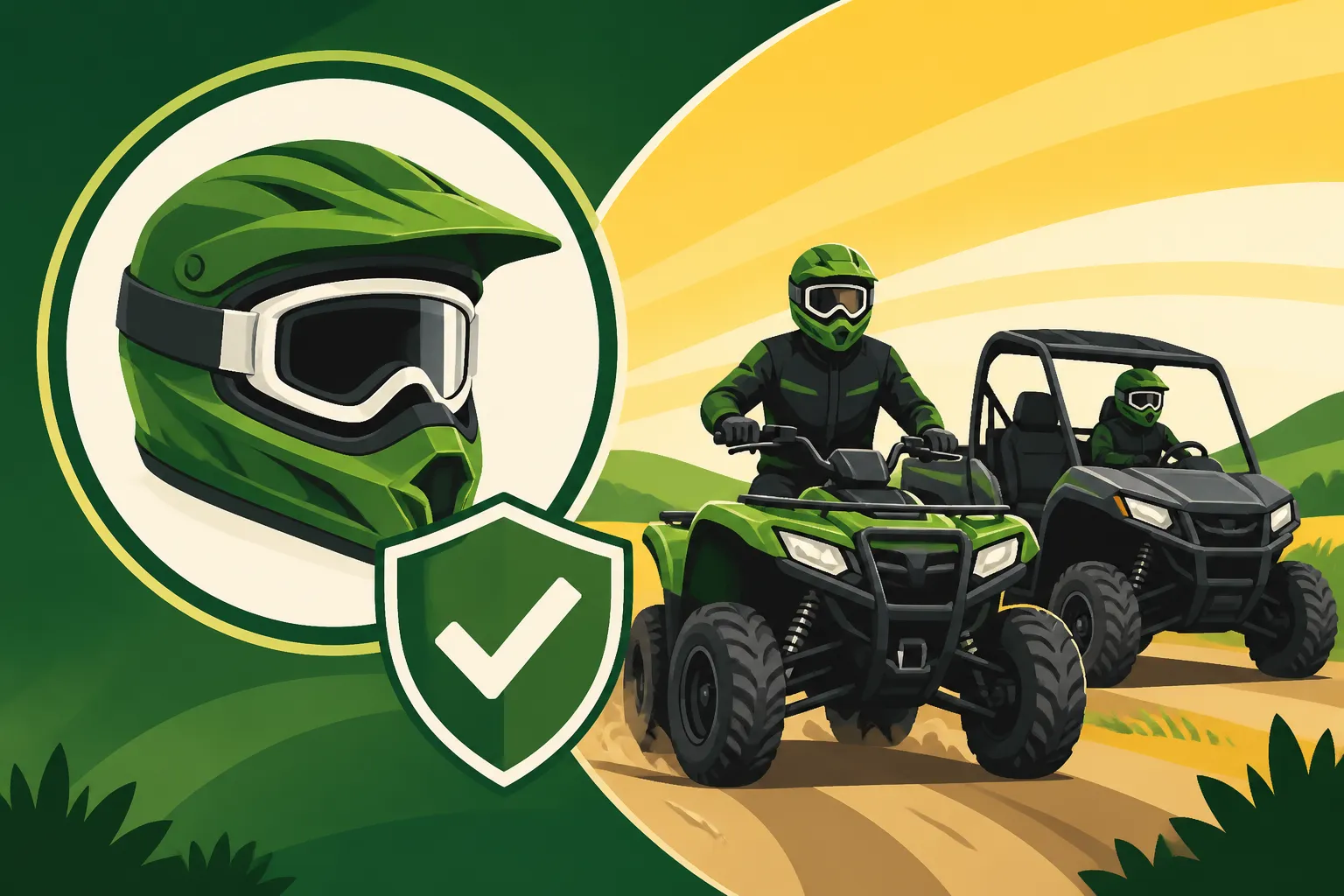
This is where many riders get confused, especially with varying regulations in other jurisdictions. In Saskatchewan, the rule is pretty straightforward: every person operating or riding as a passenger on an all-terrain vehicle must wear a helmet. There are very few exceptions, and it's safer to assume you always need one. This includes adult operators, adult passengers, and especially youth riders. There isn't an age at which you suddenly "graduate" from needing a helmet; it's a universal safety measure for everyone on board.
For instance, if you're taking your child for a supervised ride, not only do they need a helmet that fits properly, but you, as the operator, do too. This extends to side-by-sides (UTVs) as well. Even if your UTV has a roof or a windshield, the law generally doesn't differentiate in terms of helmet requirements unless explicitly stated in a municipal bylaw for specific roads, which is rare. The provincial act is quite clear on this. Think of it this way: if you're on a machine designed for off-road travel, your head needs protection. It's a key part of [Saskatchewan Helmet and Eye Protection Rules].
Acceptable Helmet Standards
Not just any old helmet will do the trick. The All Terrain Vehicles Act specifies that a helmet must conform to certain safety standards to be considered legal. This is crucial because a helmet that doesn't meet these standards might not provide adequate protection in a crash, and could even lead to a ticket. Generally, approved helmets are those designed for motor vehicle use and meet recognized international or national safety certifications.
The most commonly accepted standards you'll see are:
- CSA (Canadian Standards Association): This is a Canadian standard, ensuring the helmet meets specific rigorous testing requirements for impact and penetration resistance.
- DOT (Department of Transportation): This is a United States standard, also widely recognized and accepted in Canada. DOT certification means the helmet has passed specific tests for impact attenuation and retention.
- Snell (Snell Memorial Foundation): This is a private, non-profit organization that develops even more stringent safety standards for helmets. A Snell-certified helmet often exceeds DOT requirements and is considered top-tier in terms of protection.
When you're shopping for a helmet, always look for the certification sticker or label, usually found on the back of the helmet or inside the lining. If you can't find one, or if it looks suspicious, it's best to look for another helmet. Don't risk your safety or a fine with uncertified gear. This adherence to standards is part of what makes certain equipment acceptable under [Saskatchewan Helmet Standards Accepted].
Mandatory Eye Protection Requirements
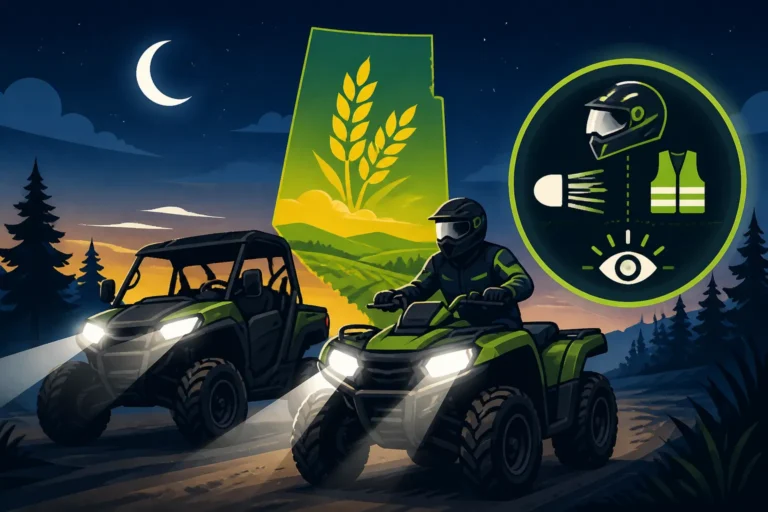
Your eyes are just as vulnerable as your head when you're out riding. Flying debris, dust, insects, branches, or even mud kicked up by another rider can cause serious eye injuries or momentarily impair your vision, leading to an accident. Because of these very real dangers, Saskatchewan law also mandates that all operators and passengers must wear adequate eye protection.
What constitutes "adequate" eye protection? The law generally specifies that it must be a shatterproof material that provides a clear, unobstructed field of vision. This typically means:
- Goggles: Specifically designed for off-road use, these are often preferred by many ATV riders because they seal well around the eyes, preventing dust and debris from getting in. Many come with interchangeable lenses for different light conditions.
- Face Shield: A clear, shatterproof face shield attached to a full-face helmet. These offer excellent protection and convenience.
Regular sunglasses, while offering some UV protection, often don't provide the necessary impact resistance or full coverage to qualify as legal eye protection. They can also fly off during a sudden bump. Even if your UTV has a windshield, if your head is exposed to the elements, you still need proper eye protection. This is an important detail many riders overlook. For riders out there exploring accessories for their UTVs, even a high-quality aftermarket windshield from a brand like SuperATV, while fantastic for deflecting wind and larger debris, doesn't always replace the need for personal eye protection, especially if you have an open cab or are riding in extremely dusty conditions. Make sure to choose gear specifically designed for powersports to meet [Saskatchewan Eye Protection Requirements].
Beyond the Bylaw: Why Helmets Are More Than Just a Rule
While the legal aspect of helmet use is clear, it's equally important to understand the profound safety reasons behind these regulations. Helmets aren't just a hurdle to jump over; they are your most vital piece of safety equipment, providing a critical layer of protection that can be the difference between a minor incident and a life-altering tragedy.
The Science of Impact Protection
A helmet is an engineering marvel designed to absorb and distribute impact forces, protecting the most critical part of your body: your brain. When you suffer a blow to the head, the helmet works in several ways:
- Hard Outer Shell: This shell (often made of fiberglass, carbon fiber, or polycarbonate) spreads the force of an impact over a larger area, preventing objects from penetrating and concentrating force on a single point.
- Impact-Absorbing Liner: Beneath the shell is usually a layer of expanded polystyrene (EPS) foam. This is the unsung hero of the helmet, designed to crush and deform upon impact, slowing down your head's movement and extending the time over which the impact occurs. This reduction in deceleration forces is crucial for preventing concussions and more severe traumatic brain injuries.
- Comfort Padding: This soft padding holds the helmet snugly and comfortably on your head, ensuring it stays in place during a crash and preventing it from shifting.
- Retention System (Chin Strap): This is what keeps the helmet on your head! A properly fastened chin strap ensures the helmet remains in position to do its job during an impact.
Ignoring this science is a gamble you don't want to take. Even a seemingly minor fall from an ATV or UTV can result in severe head trauma if your head strikes a rock, the ground, or even the machine itself. The brain is incredibly delicate, and its ability to recover from injury is limited. That's why every time you swing a leg over your quad or buckle into your side-by-side, securing a certified helmet should be as automatic as starting the engine.
Common Riding Scenarios and Helmet Necessity
It's easy to think, "I'm just going for a quick, slow ride around the farmyard," or "I know this trail like the back of my hand, nothing will happen." But accidents don't discriminate based on speed, familiarity, or perceived risk.
Consider these common scenarios:
- Farm Use: Even if you're using your ATV for agricultural work, say, checking fences or hauling feed, a sudden rut, an unexpected animal, or a momentary lapse in attention can lead to a tip-over. The ground on a farm isn't any softer than a forest trail when you hit it with your head.
- Ditch Riding: Many Saskatchewan riders enjoy ditch riding, but even at lower speeds, ditches can have hidden obstacles, unexpected drops, or soft spots that can throw you off balance. [Saskatchewan Rules for Riding a Ditch] highlight the need for caution, and a helmet is part of that vigilance.
- Off-Trail Exploration: Venturing into dense bush or uncharted territory means unpredictable terrain. Tree branches, hidden stumps, and sudden changes in elevation are all potential hazards that can lead to an abrupt stop or overturn.
- Riding with Others: Even if you're a cautious rider, the actions of others can impact you. A fellow rider kicking up a rock, an unexpected stop in front of you, or a misjudgment by another operator can put you at risk.
In all these cases, and countless others, a helmet provides that essential layer of protection. There's a reason why [Saskatchewan Equipment Checks by Officers] often include ensuring riders have proper safety gear. They know that safety equipment saves lives and prevents injuries.
UTVs and the Helmet Question
The rise of UTVs, or side-by-sides, has added a layer of nuance to the helmet discussion. With roll cages, seatbelts, and sometimes even doors or full windshields, many UTV owners wonder if helmets are still truly necessary. The answer, provincially, is a resounding yes. The All Terrain Vehicles Act includes UTVs within its definition of an "all-terrain vehicle," meaning the helmet and eye protection rules apply equally.
While a roll cage offers significant protection against crushing injuries in a rollover, it doesn't prevent your head from impacting the cage itself, or from striking the ground if you are partially ejected or the machine flips in an unusual way. Seatbelts are crucial for keeping you inside the vehicle, but in a violent crash or rollover, your head can still be subjected to extreme forces and strike interior components.
Think of it like a car crash: cars have seatbelts, airbags, and reinforced frames, but head injuries are still a major concern. UTVs, by their nature, are designed for off-road travel where conditions are far less predictable than paved roads. A helmet helps mitigate the specific head injury risks associated with these dynamic environments. For many UTV riders, a good quality helmet from a brand like SuperATV that specializes in off-road accessories can be a crucial addition, offering protection specifically designed for the demands of rough terrain. It's important to remember [Saskatchewan Rules for a Side-by-Side Driver] still include helmet use.
Choosing Your Lifeline: Selecting the Right Gear
Selecting the right helmet and eye protection isn't just about buying the first one you see. It's about finding gear that fits correctly, meets safety standards, and suits your specific riding needs. This investment is perhaps the most important one you'll make for your off-road adventures.
Finding the Perfect Fit
A helmet can only do its job if it fits properly. A helmet that's too loose will shift around, obstructing your vision and potentially coming off during a crash. One that's too tight will be uncomfortable, distracting, and might even cause headaches, tempting you to take it off.
Here's how to ensure a proper fit:
- Measure Your Head: Use a soft tape measure to find the circumference of your head, just above your eyebrows and ears. Compare this measurement to the manufacturer's sizing chart.
- Try It On: The helmet should feel snug all the way around your head, with no pressure points. It should not be painfully tight, but you should feel even pressure.
- Check for Movement: With the chin strap fastened, try to move the helmet from side to side and up and down. Your scalp should move with the helmet, and there should be minimal independent movement. If it slides around, it's too big.
- Field of Vision: Ensure the helmet doesn't obstruct your peripheral vision.
- Chin Strap: The strap should be snug under your chin, forming a 'V' under your ears, without being uncomfortably tight or loose enough to allow the helmet to come off if pulled.
Remember, helmet padding will compress slightly over time, so a new helmet should feel quite snug. Don't buy a helmet that feels too big, hoping you'll "grow into it" or that extra padding will fix the issue. For a child, resist the urge to buy a helmet they can "grow into." Their helmet must fit perfectly now to offer protection. If a child is riding, understanding [Saskatchewan Rules for a 12-Year-Old Rider] also means ensuring they have correctly fitting protective gear.
Goggles, Shields, and Tint: Eye Protection Deep Dive
Just like helmets, eye protection needs to be chosen carefully to be effective and legal.
| Eye Protection Type | Best Use Case | Key Features | Legal Compliance |
|---|---|---|---|
| Off-Road Goggles | ATV/UTV trail riding, dusty conditions, mud | Flexible frame, wide field of view, shatterproof lens, anti-fog coatings, strap to fit over helmet | High – Excellent coverage and impact resistance. |
| Full-Face Helmet Visor | General ATV/UTV use, integrated with helmet | Clear, shatterproof, often anti-scratch/anti-fog, can be flipped up | High – Integrated protection. |
| Safety Glasses/Spectacles | Light duty, secondary protection only | Z87+ rated, impact resistant, side shields | Low – Often insufficient coverage, can fly off. Not generally adequate by itself. |
| Sunglasses | Not for primary eye protection | UV protection, various tints | None – Lacks impact resistance and full coverage. |
It's crucial to select goggles or a face shield that are also shatterproof and offer UV protection. For those riding in varying light conditions, consider goggles with interchangeable lenses (clear for low light, tinted for bright sun) or photochromatic lenses that adjust automatically.
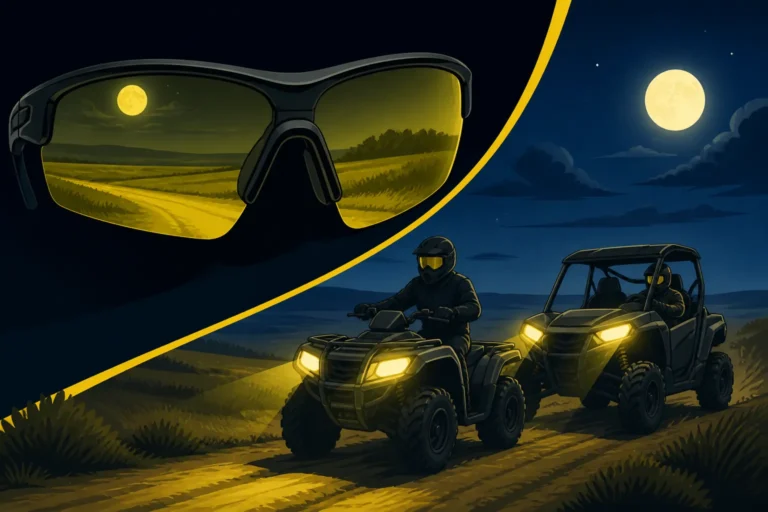
A common oversight is riding at night with tinted eye protection. [Saskatchewan Tinted Eyewear at Night] specifically addresses this, stating that eye protection must be clear after sunset. Tinted visors or goggles will severely reduce your visibility in low light, creating a dangerous situation. Always carry clear lenses or choose eyewear that offers clear vision for night riding.
Maintenance and Replacement: Keeping Your Gear Safe
Your safety gear isn't a one-and-done purchase. Like any piece of equipment, it requires care and has a lifespan.
- Clean Regularly: Dirt, dust, and sweat can degrade helmet padding and affect the clarity of your goggles/shield. Use mild soap and water for cleaning, following manufacturer's instructions.
- Inspect for Damage: After every significant bump or fall, or even just regularly, inspect your helmet for cracks, dents, or signs of wear. Even a minor drop from a table can compromise a helmet's structural integrity, especially its internal foam.
- Replace After Impact: This is non-negotiable. If your helmet takes any significant impact, even if it looks fine on the outside, its internal EPS liner may have compressed. Once compressed, that area can no longer absorb energy effectively in a subsequent crash. Replace it immediately.
- Replace Periodically: Even without a crash, helmets degrade over time due to UV exposure, sweat, and general wear and tear. Most helmet manufacturers recommend replacing a helmet every 3 to 5 years. Check the manufacturer's recommendations for your specific helmet.
Neglecting these simple maintenance steps can render your protective gear useless when you need it most. It's not worth compromising your safety to save a few dollars on a new helmet.
The True Cost of Non-Compliance: Fines, Liability, and Peace of Mind
Beyond the physical risks, failing to comply with Saskatchewan's ATV helmet law carries legal and financial repercussions that no rider wants to face. These aren't just minor inconveniences; they can significantly impact your wallet, your legal standing, and your future peace of mind.
What an Officer Can Ask and What Happens Next
When you're out riding on public land, designated trails, or even along specific municipal roadways where ATVs are permitted, a peace officer has the authority to stop you and check for compliance with the All Terrain Vehicles Act. They will specifically be looking for your helmet and appropriate eye protection.
An officer might ask you to confirm your age, if you are supervising a youth, and to demonstrate that your helmet meets the required standards (by checking for the certification sticker). They are authorized to issue tickets for violations. The maximum fine under the Act can be substantial. [Saskatchewan Fines Capped at $1,000] gives you an idea of the upper limit for such offenses, and a helmet violation can certainly fall within that range. It's not just about the dollar amount; it's also about the time and hassle of dealing with a ticket, which nobody wants to do after a fun day of riding.
Moreover, if you are found operating an ATV without the mandatory safety gear, it could be seen as reckless behavior, which can escalate other charges if you're involved in an incident.
Insurance Implications and Owner Liability
This is where the financial consequences can really hit hard. While Saskatchewan does not have a provincial ATV registration system, and therefore no mandatory provincial insurance tied to registration, all riders are still legally required to carry a minimum amount of liability insurance. [Saskatchewan Insurance Requirements for Riders] are critical, and this insurance is designed to protect you financially if you're responsible for an accident that causes injury or damage to others.
However, insurance policies come with terms and conditions. If you're involved in an accident and it's found that you or your passenger were not wearing a legally compliant helmet or eye protection, your insurance claim could be denied or significantly reduced. Insurance companies view non-compliance with safety laws as a breach of your policy terms, as it demonstrably increases the risk of severe injury. Imagine a scenario where you're involved in a crash, sustain a serious head injury, and then find out your medical costs aren't covered because you weren't wearing a helmet. That's a burden no one should have to bear.
Furthermore, if you are the owner of the ATV, you could face [Saskatchewan Owner Liability Rules]. If you lend your machine to someone who then rides without a helmet and gets injured or causes damage, you, as the owner, could be held partially responsible. This is a significant risk, highlighting the importance of ensuring anyone who uses your machine is fully compliant with all safety regulations. It's not just about protecting yourself, but about protecting your friends, family, and your financial well-being.
Avoiding the Pitfalls: Best Practices for Riders
To ensure you're always riding safely and legally in Saskatchewan, here are some best practices:
- Always Wear a Certified Helmet: Make it a habit. No "short rides" without it, no exceptions.
- Don't Forget Eye Protection: Whether it's goggles or a full-face shield, keep your eyes protected from debris and impacts.
- Proper Fit is Key: Regularly check that your helmet and eye protection fit snugly and comfortably.
- Inspect and Replace: Treat your safety gear like you treat critical components on your ATV – inspect it often and replace it when compromised or expired.
- Educate Passengers: If you're carrying a passenger, ensure they understand and comply with all safety requirements, including helmet use.
- Stay Informed: Laws can change. Keep up to date with the latest regulations, especially if you plan to ride in specific municipal areas that might have their own bylaws.
- Set a Good Example: As an experienced rider, you are a role model. Show new riders, especially youth, the importance of safety gear.
Following these simple guidelines will not only keep you on the right side of the law but, more importantly, will significantly reduce your risk of serious injury, allowing you to enjoy all the incredible off-road experiences Saskatchewan has to offer with confidence and peace of mind.
Disclaimer
This article is for general informational purposes only and does not constitute professional advice. Laws, prices and regulations vary by location and change over time. Consult a qualified professional for guidance on your specific situation.