Staying 2 Metres Off the Travelled Portion
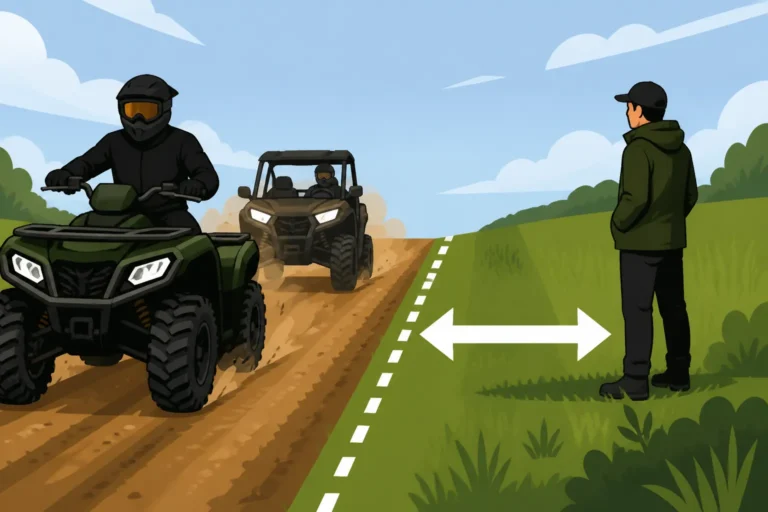
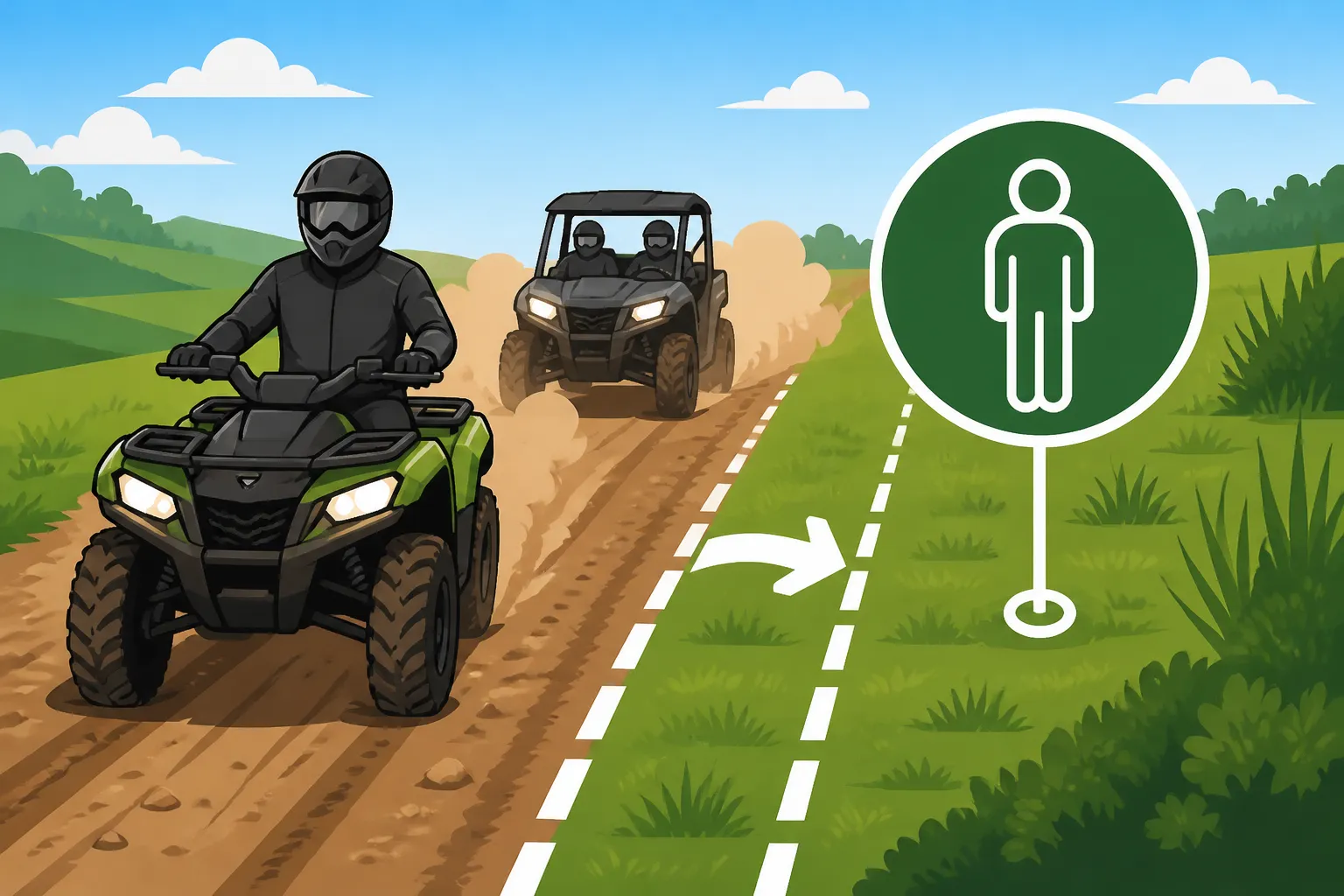
There's a specific rule in Saskatchewan that can catch even seasoned ATV and UTV riders off guard: the requirement to stay at least two metres from the travelled portion of a highway. It sounds simple, but in practice, navigating ditches and shoulders while maintaining this legal distance can be a real headache, leading to confusion, frustration, and sometimes, unexpected tickets. This guide is here to break down exactly what this rule means for you on the trails and roads of Saskatchewan, helping you ride confidently and legally.
Understanding the 2-Metre Rule in Saskatchewan
The "2-metre rule" is one of those regulations that seems straightforward on paper but becomes incredibly nuanced once you're out there, machine rumbling beneath you, navigating the diverse landscapes of Saskatchewan. It's not just a suggestion; it's a legal requirement embedded in [Saskatchewan's All Terrain Vehicles Act] designed to ensure safety for everyone using public roadways. Many riders, especially those new to the province or new to off-roading, quickly learn that understanding and consistently applying this rule is crucial to avoiding trouble. It's often the subject of quick chats around the campfire or questions at the local gear shop, because misunderstanding it can lead to more than just a stern warning.
Defining "Travelled Portion" and the Shoulder
When the Act talks about the "travelled portion" of a highway, it's referring to the part of the road that vehicles primarily use for travel. This isn't just the asphalt or the main gravel track; it often extends to include the shoulder. Think of it as the area where cars, trucks, and other vehicles could reasonably be expected to drive or momentarily stop. The confusion often arises because, in many parts of rural Saskatchewan, the line between the "travelled portion," the shoulder, and the ditch can be incredibly blurry. On a well-maintained paved highway, you might have a clear, wide shoulder, making the 2-metre boundary relatively obvious. However, on a less-defined gravel grid road or a winding country lane, the edge of the "travelled portion" might merge almost imperceptibly with the ditch, leaving riders guessing. This ambiguity is a common source of frustration, as what looks like a safe distance to one rider might be deemed too close by an enforcement officer. The key takeaway is to err on the side of caution and give a wider berth than you might instinctively feel is necessary.
The Rationale Behind the Rule
This 2-metre rule isn't just a random number dreamed up to inconvenience riders; it's rooted deeply in public safety and the prevention of accidents. The primary goal is to create a safe buffer zone between ATVs/UTVs and other, often much larger and faster-moving, traffic on the main road. Riding an off-road vehicle too close to the travelled portion can kick up dust and debris, reduce visibility for drivers, or create an unpredictable hazard that could lead to a collision. Imagine a large grain truck thundering down a gravel road, and suddenly an ATV appears right on the edge; that 2-metre separation provides a vital reaction window for both operators. Beyond immediate safety, the rule also helps prevent damage to road infrastructure and reduces wear and tear on shoulders not designed for constant ATV traffic. From a legal standpoint, non-compliance can have serious consequences. If you're involved in an accident while riding too close to the travelled portion, your liability could be significantly increased, even if you weren't directly at fault for the incident itself. Peace officers have the authority to enforce this rule, and failing to adhere to it can result in [Saskatchewan Fines Capped at $1,000], which nobody wants to face after a day out enjoying the trails.
Practical Application on Saskatchewan Roads
So, you understand the rule in theory, but how do you actually apply it when you're out there on the trails, especially when the landscape throws you curveballs? Saskatchewan's diverse terrain means that staying two metres from the travelled portion isn't a one-size-fits-all endeavor. You'll encounter everything from smooth, wide-open ditches to narrow, rocky, or heavily treed sections that make maintaining that distance a real challenge. This is where practical experience, keen observation, and sometimes, the right equipment come into play. It's easy to lose track of the boundary when you're focused on the terrain directly in front of you, especially when that terrain changes rapidly.
Navigating Different Road Types
Successfully staying two metres away requires different tactics depending on the type of road you're riding alongside. Each presents its own unique set of challenges and considerations.
-
Paved Highways: These often have the most clearly defined shoulders, which might seem like a blessing. However, the speed of traffic on paved highways means the danger of being too close is amplified. You need to be diligent about staying well into the ditch or furthest part of the shoulder, ensuring you're genuinely two metres from where cars are actually driving. In some areas, the paved shoulder itself might be considered part of the "travelled portion," so always aim to be in the unpaved area beside it. [The Travelled Portion of a Highway Is Off Limits] is a critical reminder here.
-
Gravel Grid Roads: These are the bread and butter for many Saskatchewan riders, but they can be tricky. Shoulders on grid roads are often less defined, merging gradually into the ditch. Dust is a huge factor here; riding too close to the travelled portion can obscure your vision and the vision of oncoming traffic. The key is to find a line in the ditch that is consistently clear of the main gravel track. What might seem like a simple ditch ride can become complicated quickly if the ditch is narrow, has deep ruts from water erosion, or is overgrown with brush. [Saskatchewan Rules for Riding a Ditch] are particularly relevant on these roads.
-
Entering Towns/Villages: This is where things get really complicated. As you approach populated areas, ditches often disappear, becoming residential lawns, drainage systems, or sidewalks. The 2-metre rule becomes impossible to follow as you transition from rural to urban environments. In many cases, municipal bylaws prohibit ATV use on town streets entirely, or restrict it to very specific routes for entering/exiting. If you find yourself in a situation where the ditch vanishes and you're suddenly right next to the travelled portion, you must cease riding immediately and seek an alternate legal route or load your machine. Knowing the local [Saskatchewan Municipalities With ATV Bylaws] is absolutely essential before you even leave home.
Challenges of Maintaining the Distance
No matter how experienced you are, there will be times when maintaining that precise 2-metre distance feels like an impossible feat. Saskatchewan's natural environment often throws significant obstacles your way.
-
Obstacles in the Ditch: Culverts, drainage pipes, large rocks, fences, deep water, or heavy brush can make a seemingly clear ditch impassable. You might have to temporarily veer closer to the travelled portion to get around an obstacle, which puts you in a legally precarious position. It's in these moments that good judgment and quick decision-making are paramount. Sometimes, the safest and most legal option is to stop and assess, or even turn around and find a different route. This is where having a capable machine, perhaps with upgraded suspension from SuperATV for better articulation over rough terrain, can make a difference.
-
Machine Width and Maneuverability: Your ATV or UTV's width can also be a factor. A wide side-by-side might struggle more to find a stable line in a narrow ditch compared to a nimble single-rider ATV. This isn't just about legality, but about the stability of your machine and your comfort as a rider. If your machine feels unstable or top-heavy in the deeper parts of a ditch, it might be an indicator that you need to be extra cautious, or that particular ditch isn't suitable for your vehicle.
-
Adverse Weather Conditions: Rain, snow, or even heavy wind can dramatically alter ditch conditions. Mud can make slopes treacherous, while snow can obscure hidden obstacles and make it impossible to judge the true edge of the travelled portion. In these conditions, visibility is reduced for everyone, and the risk of being too close or sliding into the main road increases exponentially. It’s crucial to assess weather conditions and trail conditions before you head out, and recognize when it's safer to postpone your ride or stick to designated trails that don't involve ditch riding. [Saskatchewan Ditch Riding Between Towns] means constantly adapting to these changes.
Consequences of Non-Compliance and Rider Responsibilities
Ignoring the 2-metre rule isn't just a minor infraction; it carries tangible legal and financial risks that every rider should be aware of. Peace officers in Saskatchewan take this rule seriously because it directly impacts public safety on the roadways. It's not just about a ticket; it can lead to far more severe repercussions if an incident occurs. As riders, we have a responsibility to know and follow the rules, not just for our own safety, but for the safety of everyone else around us, whether they're in a car, on a bicycle, or walking. Being a responsible rider means more than just having a fun time; it means being a good steward of the trails and roads we share.
Enforcement and Penalties
If you're caught riding your ATV or UTV too close to the travelled portion of a highway, you can expect a peace officer to pull you over. They have the authority to issue tickets, and the fines for infractions under [Saskatchewan's All Terrain Vehicles Act] can be significant, potentially capping at $1,000. It's not just the monetary fine, though. You might also incur court costs, and dealing with the citation takes time out of your day, often requiring appearances or administrative steps.
Beyond the immediate financial hit, there could be impacts on your insurance. While specific claims or rate increases vary, any record of a provincial traffic infraction could be noted by your insurer. In the unfortunate event of an accident, if you were found to be violating the 2-metre rule, it could significantly complicate your insurance claim and potentially increase your liability, even if another party was also at fault. This is why understanding [Saskatchewan Owner Liability Rules] is so important; the onus is on the owner and operator to follow the rules of the road.
Safe Riding Practices and Equipment
Preventing a run-in with the law or an accident related to the 2-metre rule comes down to a combination of responsible riding practices and having the right equipment.
-
Slow Down and Be Visible: One of the simplest and most effective strategies is to reduce your speed, especially when riding in ditches that are close to active roadways. The slower you go, the more time you have to react to changing terrain or unexpected obstacles. Additionally, ensuring your machine is highly visible is crucial. This means having proper lighting, especially if there's any chance you'll be riding near dusk or dawn. Reflective gear for yourself and your machine can also help.
-
Equip Your Machine for Control and Awareness: Consider investing in upgrades that enhance your machine's stability and your ability to control it in challenging ditch conditions. For example, some riders find that a wider stance, achieved through aftermarket A-arms or wheel spacers (like those offered by SuperATV), can provide better stability on uneven ditch slopes. High-quality tires designed for varied terrain can improve traction, reducing the risk of sliding too close to the road. Good mirrors and adequate lighting are also essential for seeing what's around you and being seen. [Saskatchewan Equipment Checks by Officers] often include ensuring your lighting and other safety features are up to par.
-
Riding with a Spotter: If you're riding with a group, having a spotter, especially on unfamiliar routes or in tricky sections, can be invaluable. A second set of eyes can help guide you away from hidden obstacles or alert you if you're inadvertently drifting too close to the travelled portion.
-
Know Your Limits and Your Machine's Limits: Understand that not every ditch is rideable, and not every machine is suited for every type of ditch terrain. Don't push your luck if the conditions look too challenging to maintain the legal distance safely. It's far better to turn around, find an alternative route, or even load your machine onto a trailer for a short stretch than to risk a ticket or an accident. Always carry proof of [Saskatchewan Insurance Requirements for Riders] on your machine, as officers may ask to see it.
Here’s a quick overview of how the 2-metre rule applies to common Saskatchewan road types:
| Road Type | "Travelled Portion" Definition | Typical Ditch/Shoulder Condition | Challenges for 2-Metre Rule | Recommended Approach |
|---|---|---|---|---|
| Paved Highway | Main traffic lanes, often including paved shoulder | Clear, often wide, grassy or gravel ditch beyond paved shoulder | High speeds of other traffic; shoulder might count as "travelled" | Stay well into the unpaved ditch; ride slowly; maximize visibility. |
| Gravel Grid Road | Main gravel track | Less defined shoulder, merges gradually into ditch; can be rutted | Dust, varied ditch terrain; sometimes narrow with culverts/fences | Stay deep in the ditch; watch for changing conditions; reduce speed to manage dust and react to obstacles. |
| Rural Country Lane | Often narrow gravel or dirt track | Highly variable, from wide open to heavily treed and obstacle-filled | Unpredictable obstacles, narrow passages; rapidly changing definition of "ditch" | Extreme caution; prioritize safety over maintaining speed; be prepared to stop or turn back if distance cannot be kept. |
| Near Towns/Villages | All streets, often with no discernible ditch | Ditches disappear, become residential property, or drainage only | Rule becomes impossible; local bylaws often prohibit riding | Research local bylaws; avoid these areas or load machine; do not attempt to ride if you cannot maintain distance. |
Ultimately, the 2-metre rule is a fundamental aspect of responsible ATV and UTV riding in Saskatchewan. By understanding its nuances, adapting your riding style to different environments, and ensuring your machine is properly equipped, you can enjoy the vast beauty of the province while staying safe and within the law. Always remember to prioritize safety for yourself and others sharing Saskatchewan's roads.
Disclaimer
This article is for general informational purposes only and does not constitute professional advice. Laws, prices and regulations vary by location and change over time. Consult a qualified professional for guidance on your specific situation.