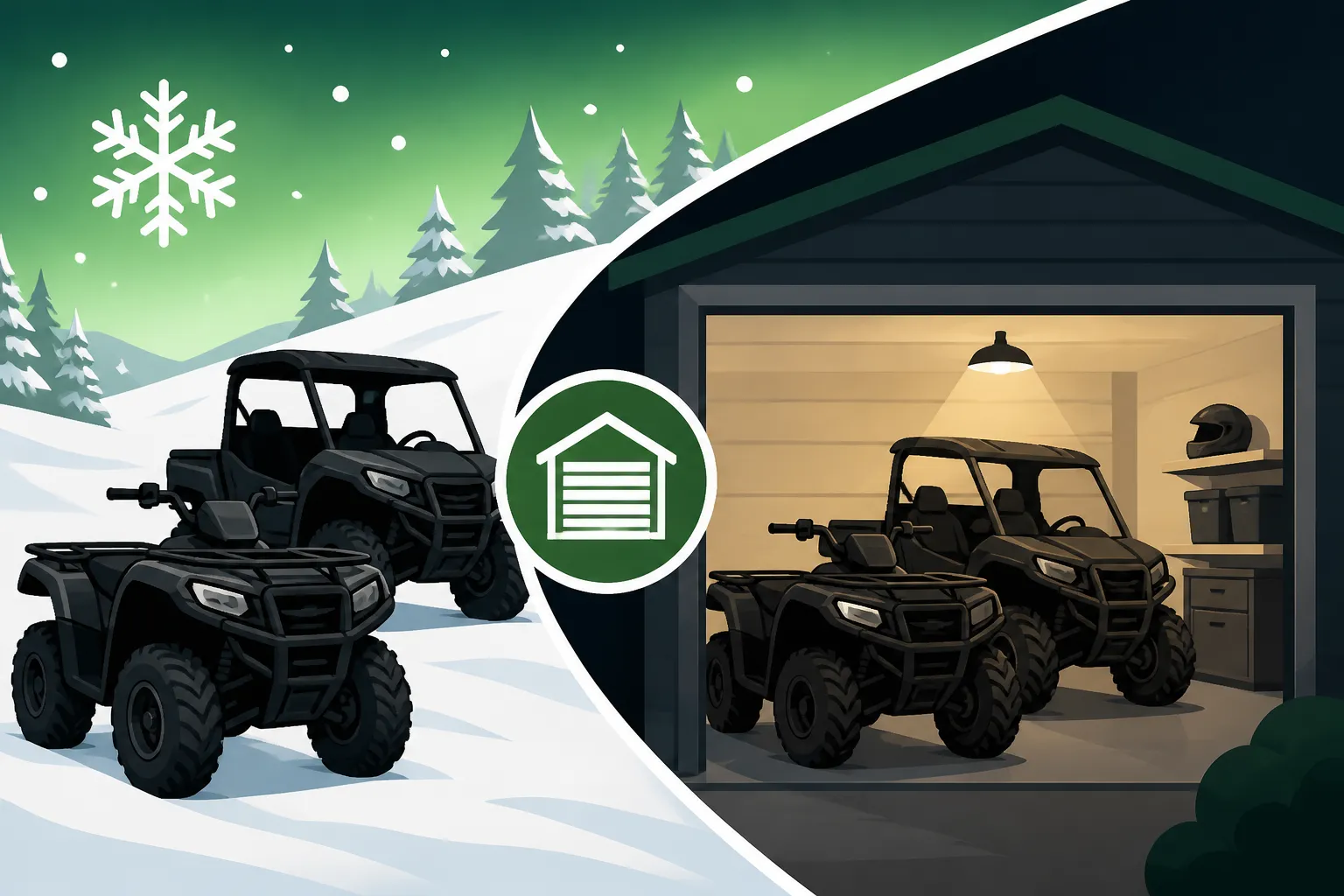
Saskatchewan Machines Stored Over Winter
Ah, the distinct chill in the air, the first dusting of snow—it’s a beautiful sight across Saskatchewan, but it also signals the end of prime ATV and UTV riding season for many of us. If you’ve ever just parked your quad in the shed and hoped for the best come spring, you know the frustration of a machine that won't start, or worse, has developed significant issues over the long, cold winter. This guide will walk you through the essential steps to properly prepare your all-terrain vehicle for its winter slumber, ensuring it's ready to roar back to life when the trails call again.
Why Winterizing Your Saskatchewan ATV is More Than Just Parking It
Living in Saskatchewan, we're no strangers to brutal winters. The season can stretch on for months, bringing extreme cold, heavy snow, and fluctuating temperatures that are anything but friendly to your beloved ATV or UTV. Just parking your machine and walking away is a recipe for headaches and expensive repairs down the road. You wouldn't leave your truck parked all winter without some preparation, and your quad deserves the same care.
The Prairies' Harsh Winter Reality
Think about it: from November to April, your quad is likely sitting idle, exposed to conditions ranging from deep freezes to sudden thaws and back again. These temperature swings can wreak havoc on fluids, rubber components, and even the structural integrity of your machine. Gasoline can degrade, batteries can die, tires can crack, and rust can take hold in places you might not even consider. It's not just about getting it to start; it's about preserving the life and performance of all its intricate parts. Ignoring winterization is akin to throwing money away, as you'll inevitably face repairs or premature wear on components.
Protecting Your Investment from the Elements
Your ATV or UTV isn't just a toy; for many, it's a significant investment, a tool for farm work, or a crucial part of their recreational lifestyle. Protecting that investment means taking proactive steps. Imagine discovering corroded fuel lines, a seized engine from old oil, or a completely dead battery when you're itching to hit the trails in spring. These aren't just minor inconveniences; they can mean costly trips to the mechanic or even missing out on precious riding time. Proper winterization extends the lifespan of your machine, maintains its resale value, and saves you money and frustration in the long run. Even though [Saskatchewan Has No ATV Plate or Decal] to track provincial ownership, you still want to protect your valuable asset.
Step-by-Step Winter Storage Preparations for Your Quad
Getting your quad ready for winter doesn't have to be a complicated, all-day affair. With a few key steps, you can ensure it emerges from hibernation in top condition. Think of it as a methodical checklist, hitting all the critical points before the deep freeze sets in.
Fuel System Care: Preventing Carburetor and Injector Issues
The fuel system is often the most problematic area for machines stored over winter, especially those with carburetors. Modern ethanol-blended fuels can absorb water and degrade over time, leading to gumming, corrosion, and blockages that make starting difficult or impossible come spring.
- Stabilize Your Fuel: This is step number one. Add a high-quality fuel stabilizer to your gas tank. Follow the product’s instructions for the correct ratio. Once added, run the engine for 10-15 minutes to ensure the treated fuel circulates through the entire fuel system, including the carburetor or fuel injectors. This prevents fuel from breaking down and leaving gummy deposits. Many riders swear by brands like Sta-Bil or Seafoam for this purpose. If you have an older, carbureted machine, this step is absolutely critical.
- Fill the Tank: After adding stabilizer, fill your fuel tank completely. This minimizes the air space in the tank, reducing condensation buildup. Condensation can introduce water into your fuel, leading to rust in the tank and further fuel degradation. A full tank of stabilized fuel is your best defense against these issues.
- Consider Draining (for carburetors): For carbureted ATVs, some experienced riders go a step further and drain the carburetor float bowl after stabilizing the fuel and running the engine. This ensures there's no residual fuel sitting in the bowl to evaporate and leave deposits. Consult your owner's manual for the proper procedure, as it usually involves opening a drain screw on the bottom of the carburetor. For fuel-injected machines, filling the tank and stabilizing the fuel is generally sufficient.
Battery Maintenance for the Long Haul
A dead battery is one of the most common and frustrating issues after winter storage. Cold weather drains batteries faster, and prolonged inactivity can lead to sulfation, significantly shortening the battery's lifespan.
- Remove and Store: If possible, remove the battery from your ATV. Clean the terminals thoroughly with a wire brush and a battery terminal cleaner, then apply a thin layer of dielectric grease to prevent corrosion. Store the battery in a warm, dry place, ideally off a concrete floor, which can sometimes draw static charge.
- Use a Trickle Charger/Battery Tender: Connect your battery to a smart trickle charger or battery tender. These devices maintain a full charge without overcharging, preventing sulfation and ensuring the battery is ready to go when you are. A cheap "dumb" charger can damage your battery, so invest in a good quality smart charger that monitors the battery's state. Leaving it connected all winter is ideal, as it keeps the battery in optimal condition. You'll thank yourself when spring arrives and your machine fires right up!
Tire and Suspension Preservation
Your tires and suspension components also need attention to prevent damage and maintain performance.
- Overinflate Tires: Slightly overinflate your tires to about 5-10 PSI above the recommended operating pressure. This helps prevent flat spots from developing where the tires rest on the ground for months. Flat spots can lead to vibrations and premature wear once you start riding again.
- Elevate the Machine (Optional but Recommended): If you have the means, consider lifting your ATV off the ground using jack stands or blocks. This takes all the weight off the tires and suspension components, preventing pressure points, flat spots, and unnecessary stress on springs and shocks. It’s a small extra step that can make a big difference, especially for longer storage periods.
- Lubricate Moving Parts: Go around your ATV and lubricate all pivot points, bushings, and cables as recommended in your owner's manual. Use appropriate greases and lubricants. This prevents rust and corrosion from seizing up components over the winter, ensuring smooth operation when the riding season returns.
Cleaning and Protecting the Exterior and Interior
A thorough cleaning and protective treatment can prevent rust, corrosion, and general deterioration of your ATV’s finish and sensitive components.
- Wash Thoroughly: Give your ATV a deep clean. Remove all mud, dirt, and debris from every nook and cranny. Pay special attention to the underside, suspension, and engine area. Mud can hold moisture against metal surfaces, leading to rust. Use a pressure washer carefully, avoiding direct blasts to electrical components, bearings, and seals.
- Wax and Protect: Once clean and dry, apply a good quality wax or paint sealant to all painted and plastic surfaces. This creates a protective barrier against moisture and environmental damage. For metal components, such as frame parts or exposed engine pieces, consider using a corrosion inhibitor spray or a silicone-based lubricant to ward off rust.
- Inspect and Address Issues: This is a great time to do a thorough inspection. Check for any worn cables, cracked hoses, loose fasteners, or other damage. Make a list of repairs needed and consider tackling them over the winter, so your machine is fully prepared for spring. This proactive approach saves time and ensures safety once the snow melts. Many find that winter is a great time to search for parts and get them delivered, allowing for leisurely repairs.
Finding the Right Storage Spot in Saskatchewan
Where you store your ATV over the winter can be just as important as how you prepare it. The goal is to protect it from the harshest elements.
Garage or Shed: The Ideal Scenario
An enclosed, unheated garage or shed is generally the best option for winter storage in Saskatchewan. It provides excellent protection from snow, ice, direct moisture, and extreme temperature fluctuations.
- Out of the Elements: Storing your machine indoors keeps it dry and protected from the harsh prairie winds and heavy snowfall. This significantly reduces the risk of rust, degradation of plastics and rubber, and water freezing in delicate components. It also deters theft, which is a concern even for machines with no provincial registration. [Saskatchewan Theft Recovery Without a Registry] is already challenging, so preventing theft in the first place is paramount.
- Ventilation and Pest Control: Ensure your storage area has adequate ventilation to prevent condensation buildup, which can still occur even indoors. Also, take steps to deter pests like mice, which love to chew through wiring and build nests in air boxes. Place mothballs, dryer sheets, or rodent deterrents around and in the machine. Block off the exhaust pipe and air intake with steel wool or a rag to prevent critters from nesting inside.
Outdoor Storage: Making the Best of It
If an indoor space isn't an option, outdoor storage is possible, but it requires extra vigilance and preparation. It's certainly not ideal given Saskatchewan's climate.
- Invest in a High-Quality Cover: A durable, waterproof, and breathable ATV cover is essential. It should be specifically designed for ATVs or UTVs and fit snugly. Avoid cheap tarps that can trap moisture and cause condensation, leading to mold and rust. A good cover will protect against snow, ice, rain, UV rays, and even falling debris.
- Choose a Strategic Location: Park your ATV on a firm, level surface, ideally concrete or asphalt, away from trees or anything that could fall on it. Avoid parking directly on grass or dirt, which can promote moisture and rust from the ground up. If you must park on dirt, lay down a thick tarp or a sheet of plywood underneath the machine to create a barrier. Elevating the machine (as mentioned above) is even more critical for outdoor storage.
- Regular Checks: Even with a good cover, try to check on your ATV periodically throughout the winter. Clear any heavy snow accumulation off the cover, ensure it's still securely fastened, and check for any signs of water ingress or animal activity. A quick visual inspection can catch small issues before they become big problems.
Using a Storage Facility: Pros and Cons
For some, especially those without adequate space at home, a dedicated storage facility can be a viable option.
- Climate-Controlled vs. Non-Climate-Controlled: Storage facilities offer different options. Climate-controlled units provide the best protection by maintaining a stable temperature and humidity, but they come at a higher cost. Non-climate-controlled units are essentially large, secure sheds. While they offer protection from the elements, they still experience the same temperature swings as an unheated garage.
- Security and Access: Storage facilities typically offer enhanced security, with gates, cameras, and sometimes on-site personnel. This can provide peace of mind, knowing your ATV is protected from theft and vandalism. However, access might be restricted to certain hours, and you’ll need to factor in the monthly cost. When you take your machine to the facility, make sure you have all your essential documents, like the [Saskatchewan Bills of Sale Do the Work], readily available.
Essential Paperwork Considerations for Stored Machines
Even when your ATV is tucked away for winter, your paperwork still matters. It’s not just about compliance; it's about protecting your ownership and financial interests.
Proof of Ownership Even When Idle
Unlike cars or snowmobiles, ATVs in Saskatchewan don't have a provincial registration system. This means your bill of sale is your primary proof of ownership.
- Keep Your Bill of Sale Safe: Your original bill of sale is crucial. It’s what proves you own the machine, especially since [How to Prove You Own an ATV in Saskatchewan] relies heavily on this document. If you financed the ATV, you might also have loan documents. Store these documents in a secure place, separate from the ATV itself. In case of fire, theft, or even a dispute, this document is invaluable.
- For Lending or Sharing: If you ever lend your ATV to a friend or family member for a short period in the spring, having clear ownership documents is key. You might even consider drawing up a simple loan agreement, especially for a high-value machine. Services like LawDepot offer templates for such agreements, ensuring everyone is on the same page. This can prevent misunderstandings down the line.
Insurance for Off-Season Peace of Mind
Many riders think about insurance only when they’re hitting the trails, but it’s just as important during the off-season.
- Year-Round Coverage: Even when your ATV is stored, it’s still at risk of theft, fire, or damage. Ensure your insurance policy provides year-round coverage, not just when it’s being operated. Many homeowners’ policies might offer limited coverage, but a dedicated ATV policy often provides more comprehensive protection. Review your policy with your broker to understand your coverage limits.
- Theft and Damage Protection: Consider theft and comprehensive coverage for your stored machine. Imagine your shed gets broken into, or a tree falls on your outdoor-stored UTV. Without proper insurance, you'd be out of luck. Given [Saskatchewan Insurance Requirements for Riders] are primarily for liability during operation, you need to proactively seek out coverage for non-operating risks. Understanding your [Saskatchewan Insurance Cost Per Year] will help you budget for this essential protection.
Lending or Renting Out Your Stored ATV
While your ATV might be stored for winter, sometimes plans change, or you might consider lending it out. This requires careful consideration.
- Formalize Agreements: If you ever decide to lend your ATV to someone, even temporarily, while it's in storage or once spring hits, it’s always best to have a formal agreement. This protects both you and the borrower. LawDepot, for example, can provide templates for loan agreements that outline responsibilities, duration, and conditions of use. This is particularly important for high-value machines or if there's any perceived risk.
- Insurance Implications: Be aware that lending your ATV can impact your insurance coverage. Some policies might not cover damage or liability if someone else is operating your machine, or they might have specific clauses regarding who is permitted to drive it. Always check with your insurance provider before lending out your ATV to understand any potential implications. This way, you avoid any nasty surprises should an incident occur, even if the machine is just being moved from one storage spot to another.
Disclaimer
This article is for general informational purposes only and does not constitute professional advice. Laws, prices and regulations vary by location and change over time. Consult a qualified professional for guidance on your specific situation.