Saskatchewan Machines With No Paperwork
There’s nothing quite like the feeling of finding the perfect ATV or UTV in Saskatchewan – maybe it’s a rugged workhorse for the farm, a nimble sport quad for the trails, or a side-by-side for family adventures. But that excitement can quickly turn to a sinking feeling when you realize the seller can’t produce any paperwork, or worse, you’ve lost your own. This comprehensive guide will walk you through the unique challenges of dealing with ATVs and UTVs that lack traditional documentation in Saskatchewan, clarifying what you need to know about ownership, sales, and avoiding potential headaches.
The Saskatchewan Reality: No Provincial Registration for ATVs
Let's start by tackling the elephant in the room: Saskatchewan doesn't have a provincial registration system for ATVs or UTVs. This isn't just a minor detail; it's a fundamental difference that sets us apart from many other provinces and creates a unique set of circumstances for owners and buyers alike. When you're used to registering cars, trucks, or even snowmobiles through SGI, the absence of a similar process for quads can be incredibly confusing and even a little unsettling.
Why This Creates Confusion
The lack of a centralized provincial registry means there's no official database tracking who owns which ATV. This is a big reason why people scratch their heads when they hear [Saskatchewan Does Not Register ATVs]. Unlike vehicles with a license plate and a provincial registration, there's no government-issued document that definitively states "John Doe owns this specific quad." This isn't a loophole; it's simply how the system is set up. For folks moving here from places like Alberta or Manitoba, where ATV registration is commonplace, it can feel like a gaping void in the regulatory landscape. They might spend hours online or on the phone trying to figure out where to get their ATV registered, only to hit a wall. It’s a common frustration that many riders face.
When records are lost, this absence of a central database becomes even more pronounced. If you misplace your bill of sale for a snowmobile, for instance, you can often approach SGI for a duplicate or proof of ownership from their records. With an ATV, there's no such fallback. You can't walk into a government office and request a copy of a "title" because, quite simply, [Saskatchewan Has No Title to Transfer] for these machines. This situation underscores why alternative forms of documentation become so critically important here on the prairies.
What Paperwork Should You Have?
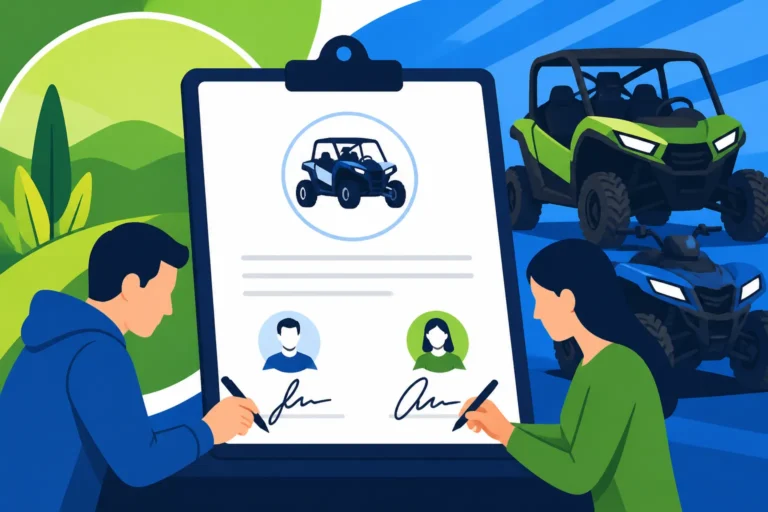
Given the provincial stance on registration, what documents are actually important for an ATV owner in Saskatchewan? It boils down to one primary document: a bill of sale. Ideally, every time an ATV changes hands, a clear, dated, and signed bill of sale should be created. This document is the cornerstone of proving ownership. It’s not just a polite formality; it’s your legal proof that you purchased the machine from someone, and they transferred ownership to you.
Beyond the current bill of sale, if you purchased the machine new from a dealer, your original purchase invoice is also a valuable piece of paperwork. It establishes the first link in the ownership chain and shows when and where the ATV officially entered circulation. If you bought it used, having the previous owner’s bill of sale, even if it's just a copy, can further solidify the machine's ownership history. Essentially, [Your Bill of Sale Stands In for a Registration] in Saskatchewan, making it a critical record to maintain. Without it, you're relying solely on verbal agreements or circumstantial evidence, which can be shaky ground if disputes arise.
Scenarios for Missing Paperwork and How to Address Them
Dealing with an ATV that has missing paperwork can feel like navigating a minefield. Whether you're buying or selling, the absence of proper documentation introduces layers of risk and uncertainty. However, understanding the specific scenarios and knowing the actionable steps you can take can help mitigate these issues.
Buying an ATV with Missing Paperwork
This is perhaps the riskiest situation for any potential ATV owner. You've found what looks like a great deal, the machine seems solid, but the seller just shrugs when you ask for the bill of sale. This immediately raises red flags. The biggest risks are inadvertently purchasing a stolen machine, or later facing disputes over actual ownership. Without a clear chain of documentation, proving you lawfully acquired the ATV can become incredibly difficult. Imagine pouring your hard-earned money into a quad, only for it to be identified as stolen weeks later.
The absolute best advice here is to always demand a bill of sale. If the seller can't provide one from their own purchase, they must at least provide one from their sale to you. This is non-negotiable for your own protection. If a seller truly has no paperwork at all – no original purchase invoice, no previous bill of sale, nothing – you have a tough decision to make. While the deal might seem too good to pass up, proceeding without any documentation is highly ill-advised. It's often best to walk away from such a sale, as the potential legal and financial headaches far outweigh any perceived savings.
However, if you understand the risks and still choose to proceed (perhaps it's a family friend, or the circumstances are well-explained), you must create a comprehensive bill of sale with all available details. This document, generated at the point of sale, needs to be as thorough as possible. It should include the full Vehicle Identification Number (VIN) of the ATV, the seller's full legal name and contact information (cross-referenced with their ID), the date and price of the sale, and a clear declaration of ownership transfer. Even better, have a witness sign it. Services like LawDepot offer templates that can help you construct a legally sound bill of sale, ensuring all critical information is included. This is a crucial step when [Buying From a Private Seller in Saskatchewan] who has limited records. Remember to always take the time for [Checking a Serial Number Twice Before You Pay] to ensure accuracy.
Selling an ATV with Lost Paperwork
It's a surprisingly common predicament: you bought an ATV years ago, maybe you traded something else for it, or the original bill of sale simply got lost in a move or a filing cabinet clean-out. Now you want to sell, and a buyer is asking for documents you no longer possess. It's frustrating, but it's not an impossible situation.
If you genuinely own the machine and are confident in your ownership, you can create a new bill of sale for the buyer. This document will serve as the official record of your transfer of ownership to them. It should clearly state your full legal name and contact information as the seller, the buyer's information, the ATV's VIN, the sale price, and the date. You might even include a clause stating that you, the seller, guarantee that you are the rightful owner of the machine and have the legal right to sell it. Utilizing a template from a service like LawDepot can help you craft a professional and legally robust document. While this new bill of sale won't magically create a historical paper trail, it establishes a clean break from your ownership to the buyer's. It's how [Saskatchewan Bills of Sale Do the Work] in lieu of traditional titles.
It's worth noting that selling an ATV with a sparse paper trail might affect its market value. Buyers are often wary of machines without clear documentation, and they might expect a lower price to compensate for the perceived risk. Being transparent about the paperwork situation upfront can help manage expectations.
Proving Ownership Without Traditional Documents
So, you're out riding, and a peace officer stops you to ask about your ATV. Or perhaps you're involved in a minor incident. What do you show to prove the quad is yours, especially if you don't have a pristine file of documents?
Your primary piece of evidence will always be your bill of sale. Keep a copy with you, or at least have a digital photo of it on your phone. Beyond that, circumstantial evidence can also play a role. Photos of you with the machine, records of maintenance or repairs in your name, or even testimony from others who know you own it (though this is less formal) can help corroborate your claim. Officers will typically check the VIN against stolen vehicle databases, so having a legitimate, non-stolen machine is paramount. While the lack of a provincial registry makes it harder for them to quickly verify a long chain of past ownership, it doesn't prevent them from flagging a stolen unit. Understanding [Saskatchewan Proof of Ownership Without a Registry] is vital for all riders.
The absence of registration also complicates matters significantly in cases of theft. Without a central record, proving your ATV was stolen can be more challenging for law enforcement, and recovery can be incredibly difficult. While you should absolutely file [Saskatchewan Stolen Machine Reports], the lack of a unique identifier tied to your name in a provincial database means police have fewer tools to actively search for and return your specific machine.
Here's a quick table summarizing key considerations for ATV paperwork in Saskatchewan:
| Situation | Recommended Action | Key Documents Needed | Risks of Insufficient Paperwork |
|---|---|---|---|
| Buying a Used ATV | Always demand a comprehensive bill of sale. If seller lacks one, consider walking away or create one with LawDepot. | Signed Bill of Sale (from seller to you), Seller's ID, VIN. | Stolen machine, ownership disputes, difficulty reselling. |
| Selling a Used ATV | Provide a new, detailed bill of sale to the buyer. Be transparent about any missing historical documents. | Signed Bill of Sale (from you to buyer), Your ID, ATV VIN. | Buyer distrust, lower resale value, disputes after sale. |
| Proving Ownership | Keep your bill of sale accessible. Document maintenance. | Bill of Sale, Maintenance records, Photos of ATV. | Fines, machine seizure, inability to claim ownership. |
| Theft | File a police report immediately. Have a clear bill of sale and insurance policy. | Bill of Sale, Insurance Policy, Police Report. | Difficult recovery, insurance claim issues. |
| Lien Check | Perform a VIN search for liens, if possible, through private services (though less comprehensive for ATVs). | ATV VIN. | Buying a machine with outstanding debt. |
The Aftermath: Legalities, Theft, and Municipalities
The absence of a provincial registration system impacts more than just buying and selling; it also has significant implications for how theft is handled, how insurance claims are processed, and even how local communities manage ATV use. Understanding these repercussions is key to being a responsible and well-prepared ATV owner in Saskatchewan.
Theft and Insurance Without a Registry
This is one of the most sobering aspects of owning an unregistered ATV. The unfortunate truth is that a stolen ATV without a robust, provable paper trail becomes a needle in a haystack. There's no central provincial database to cross-reference a reported VIN with a registered owner, making it inherently more challenging for law enforcement to track, identify, and recover your specific machine. While you should absolutely file a police report immediately if your ATV is stolen, be prepared for a difficult and often frustrating recovery process.
Despite the lack of registration, it's absolutely crucial to understand that you can and should insure your ATV in Saskatchewan. An insurance company will rely on your VIN and your bill of sale as proof of ownership, not a provincial registration document. In fact, comprehensive ATV insurance is a lifeline in this scenario. It protects your investment against theft, damage, and liability. Many riders make the mistake of thinking "no plate, no insurance needed," but this couldn't be further from the truth. Without adequate insurance, a stolen or damaged ATV becomes a complete financial loss. Furthermore, [Saskatchewan Insurance Requirements for Riders] typically stipulate a minimum amount of liability coverage when operating on public lands or roadways, regardless of registration status. Always secure a separate ATV policy and ensure it covers theft, as relying on home insurance or other policies might leave gaps. This is especially true when considering [Saskatchewan Insurance Claims Without a Plate]; your policy wording and proof of ownership through a bill of sale will be paramount.
Dealing with Liens and Disputes
Another significant concern when dealing with unregistered machines is the potential for undisclosed liens. When a vehicle is registered, a lien (a legal claim against an asset, often for a debt owed) is typically recorded against its title, making it discoverable during a search. Since ATVs in Saskatchewan don't have provincial titles, there's no equivalent central registry for recording liens against them. This means that if you buy an ATV from a private seller, you might inadvertently acquire a machine that has outstanding debt attached to it, even if you paid the seller in full. While some financial institutions might register liens against a VIN through a personal property registry, it's not as universally comprehensive for non-registered vehicles.
This ambiguity underscores why a solid bill of sale is so critical. If disputes arise over ownership, particularly without clear documentation, the situation can quickly devolve into a messy civil matter. Imagine two individuals claiming ownership of the same ATV, each with a flimsy "agreement" or a lost bill of sale. Without a clear paper trail, determining the rightful owner can be a prolonged and costly legal battle. Always ensure your bill of sale clearly states that the seller guarantees the machine is free of liens and encumbrances. For peace of mind, consider using a template from a reputable source like LawDepot for your bill of sale, as it will often include such crucial clauses. Addressing [Saskatchewan Liens on an Unregistered Machine] proactively is far better than dealing with them after the fact.
Municipal Plates: A Partial Solution, Not a Registry
While the province doesn't offer ATV registration, you might encounter local municipalities, particularly in popular recreational areas, that issue their own ATV plates or permits. These municipal plates, such as those found in places like the District of Lakeland or Candle Lake, are not provincial registrations. They serve a local purpose, often tied to specific municipal bylaws that permit ATV use on certain roads or trails within their boundaries, or to help fund local trail maintenance.
It’s crucial to understand that these municipal plates do not verify provincial ownership, nor do they feed into a central provincial registry. They are a local regulatory tool. Possessing a municipal plate from Candle Lake, for example, means you've complied with Candle Lake's local bylaws, but it doesn't give you a provincial "registration" for your ATV. These schemes are essentially [Saskatchewan Municipal Plate Schemes] designed to manage local access and generate funds, but they don't solve the broader issue of province-wide ownership documentation or stolen vehicle tracking. They often exist precisely because [Municipal Plates Fill the Gap the Province Left] in the provincial regulatory framework. If you plan to ride within a municipality that requires such a plate, you'll still need to maintain your bill of sale for proof of ownership.
In Saskatchewan, navigating the world of ATVs and UTVs with missing or minimal paperwork requires diligence and a realistic understanding of the provincial landscape. While the absence of a provincial registration system creates unique challenges, it by no means absolves owners of the responsibility to maintain clear documentation. A well-executed bill of sale, coupled with thorough due diligence when buying and a comprehensive insurance policy, are your strongest defenses against the many headaches that can arise from "no paperwork." Stay informed, stay prepared, and you'll be able to enjoy the vast and beautiful riding opportunities Saskatchewan has to offer, without unnecessary worry.
Disclaimer
This article is for general informational purposes only and does not constitute professional advice. Laws, prices and regulations vary by location and change over time. Consult a qualified professional for guidance on your specific situation.