Saskatchewan Stolen Machine Reports
It's an awful feeling to wake up or come home and find your all-terrain vehicle, something you've invested hard-earned money and countless hours of enjoyment into, simply gone. For riders in Saskatchewan, the frustration of a stolen ATV is often compounded by a unique challenge: the province doesn't have a centralized registry for these machines, which can make the process of reporting and, more importantly, recovering a stolen quad feel like an uphill battle. This guide will walk you through exactly what to do if your ATV or UTV is stolen in Saskatchewan, focusing on how to navigate the system effectively and, just as crucially, how to prevent it from happening in the first place.
The Unique Challenge of Reporting a Stolen ATV in Saskatchewan
Saskatchewan has a fantastic outdoor culture, and ATVs are a big part of that. Whether you use your machine for tearing up trails, hauling gear around the farm, or simply enjoying the vast prairie landscape, it's a valuable asset. Unfortunately, this value also makes them targets for thieves. When one goes missing, the first question many owners ask is, "How do I report it, and how will they ever find it without a license plate?" This is where Saskatchewan's unique approach to ATV regulation truly comes into play.
No Centralized Provincial Registry for ATVs
Here in Saskatchewan, unlike many other provinces or even right next door with snowmobiles, your ATV or UTV isn't registered with the provincial government. There's no provincial database holding your name, your machine's details, and a corresponding registration number. This can be a huge source of confusion and frustration for owners, especially when theft occurs. Without a province-wide registration, there isn't a central hub where law enforcement can quickly cross-reference a found ATV with a report of a stolen one, making the initial search and identification process more reliant on other factors. This is a key reason why [Saskatchewan Does Not Register ATVs], and it directly impacts how stolen machine reports are handled. You won't find a provincial number or sticker on your quad because [Saskatchewan Has No ATV Plate or Decal] to go along with such a system.
Think about it this way: if your car is stolen, police can instantly query a database by license plate or VIN and know exactly who owns it, where it's registered, and if it's been reported stolen. For ATVs in Saskatchewan, that initial, easy lookup just isn't there at the provincial level. This doesn't mean all hope is lost, but it does mean your preparation and documentation become even more critical.
The Importance of Your Machine's Serial Number (VIN)
While there's no provincial registration, every ATV and UTV still has a unique Vehicle Identification Number (VIN) or serial number. This string of numbers and letters is the absolute bedrock of identifying your specific machine, and it becomes the single most important piece of information when you report a theft. Without it, finding your quad is akin to finding a needle in a haystack of similar-looking machines.
The VIN is typically stamped into the frame of your ATV, often near the steering column, on the left side of the machine, or in another easily accessible but secure location. It's designed to be permanent and difficult to alter without leaving obvious signs. When you report your machine stolen, this VIN is what police will enter into their national databases, like the CPIC (Canadian Police Information Centre) system. This is how law enforcement across Canada can identify your specific machine if it's recovered far from home, even without a provincial plate. Always make sure you know exactly where your VIN is and have it recorded somewhere safe. Checking it a second time when you buy a machine, or even photographing it at the point of sale, is a smart move. [Checking a Serial Number Twice Before You Pay] is a small step with huge benefits.
Local Municipal Plates Don't Substitute for a Provincial Registry
You might live in or visit an area, like the District of Lakeland or Candle Lake, where local bylaws require ATVs to have a municipal plate or permit. These initiatives are fantastic for supporting local trail systems and ensuring responsible riding within specific communities. However, it's vital to understand that a municipal plate, while offering local identification and revenue for trails, does not act as a substitute for a provincial registration in the context of theft recovery. [Saskatchewan Municipal Plate Schemes] are a local solution, not a provincial one.
These municipal plates are issued by individual rural municipalities (RMs) or villages and are generally not connected to a broader, province-wide police database. If your ATV with a Candle Lake permit is stolen and recovered in, say, Swift Current, the officers there might not immediately be able to connect that local plate to your specific stolen machine report through a central provincial system. They would still rely primarily on the VIN you provided in your initial police report. While these local plates demonstrate your compliance with local rules, for the purposes of a stolen machine report and recovery, the VIN remains supreme.
Step-by-Step: Reporting Your Stolen ATV to the Authorities
Discovering your ATV is stolen is a gut-wrenching moment. It's easy to panic, but acting quickly and systematically can significantly improve the chances of recovery. Here's a clear breakdown of the steps you need to take.
Immediate Actions After Discovering a Theft
The moments immediately after you realize your ATV is gone are critical. Before you pick up the phone, take a deep breath and try to gather as much information as possible.
- Secure the Area (if applicable): If the theft occurred from a garage, shed, or yard, try not to disturb any potential evidence. While your priority is reporting, if there are obvious signs of forced entry, preserving the scene might help investigators.
- Gather All Machine Information: This is where your preparedness pays off.
- Make, Model, Year, and Color: Be as specific as possible. "Red Honda Quad" isn't enough; "2020 Honda Rubicon 520, Red" is much better.
- Full VIN/Serial Number: As discussed, this is non-negotiable. Have it ready. [Saskatchewan Serial Number Records] can be incredibly helpful here.
- Unique Markings or Accessories: Did you have aftermarket rims, a specific winch, unique decals, a custom seat, or a dent in a particular spot? These details are like fingerprints for your ATV and can help police identify it. Mention any custom modifications, specialized tires, or even a sticker from a local dealership.
- Date and Time of Theft: When did you last see your ATV? When did you discover it was missing? Even an estimated window helps.
- Location of Theft: Exactly where was it stolen from? Your driveway, a locked shed, a remote cabin, a specific staging area at a trail?
- Photographs: If you have photos of your ATV before it was stolen, especially ones showing unique features or accessories, have them ready. These can be invaluable for identification.
Contacting the Local Police or RCMP
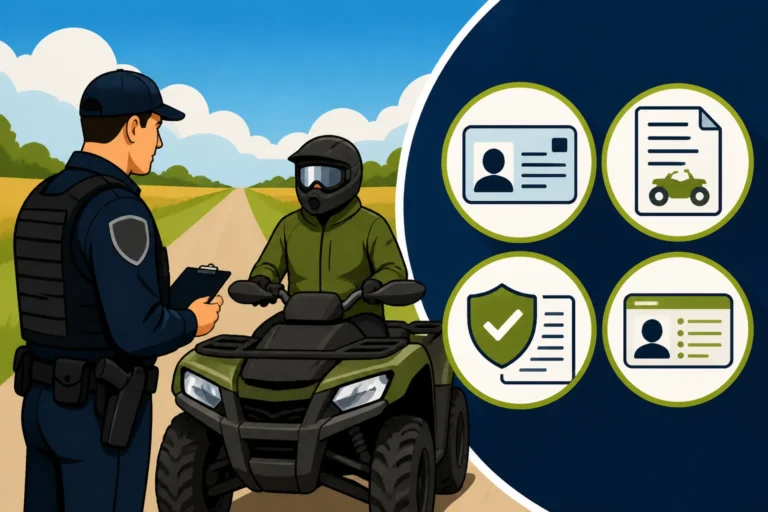
Once you have your information compiled, it's time to contact law enforcement. This is the official step to create a [Saskatchewan Stolen Machine Reports].
- Emergency vs. Non-Emergency: If you witness the theft in progress or believe the thieves are still nearby, call 911 immediately. Otherwise, for a discovered theft, use your local police service's non-emergency line or the RCMP's detachment number for your area. Do not call 911 if there's no immediate danger or ongoing crime.
- Provide Detailed Information: When you speak to the dispatcher or officer, clearly state that your ATV/UTV has been stolen. Provide all the information you gathered in the previous step. Emphasize the VIN. They will ask questions about how and where it was taken. Be patient and provide as much detail as you can.
- Obtain a Police File Number: This is absolutely crucial. Once you've made your report, the police will assign a case or file number. You must get this number. It's your official record of the theft and is required for nearly every subsequent step, especially when dealing with your insurance company. Make sure to write it down and keep it in a safe place. This number is how police will track the investigation and how your insurance company will process your claim.
Notifying Your Insurance Provider
Reporting the theft to the police is the first critical step, but contacting your insurance company is equally important, often within 24-48 hours of the discovery.
- Have Your Police File Number Ready: As mentioned, your insurer will require the police file number before they can even begin processing your claim. Without it, they won't proceed.
- Understand Your Policy: Review your ATV insurance policy. Do you have comprehensive coverage that includes theft? Most basic liability policies might not. Know your deductible and any limitations. [Saskatchewan Insurance Claims Without a Plate] can still be processed, but you need the right coverage.
- Provide All Requested Information: Your insurance company will ask for details similar to what you gave the police, including the machine's specifics, the date of theft, and the police file number. They may also ask for proof of ownership, which is another reason why a solid bill of sale is so important.
- Document Everything: Keep a record of all your communications with the insurance company, including dates, times, names of representatives you spoke with, and a summary of what was discussed. Save copies of any forms or documents they send you.
Proactive Measures to Protect Your ATV from Theft
While reporting a stolen ATV is reactive, taking steps before a theft occurs is proactive and can make a world of difference. Given the lack of a provincial registry, prevention and robust documentation are your strongest allies in Saskatchewan.
Securing Your Machine at Home and While Away
Thieves often look for easy targets. Making your ATV harder to steal can deter many opportunistic criminals.
- Physical Deterrents:
- High-Quality Locks and Chains: Invest in heavy-duty chains and disc locks. Chain your ATV to an immovable object like a ground anchor, a solid post, or even another large vehicle. The more time and effort a thief has to spend, the less appealing your machine becomes.
- Disc Locks: These attach directly to your ATV's brake disc, preventing the wheel from turning. While not foolproof, they add another layer of security.
- Steering Column Locks: Many ATVs come with a built-in steering lock. Always use it.
- Secure Storage:
- Locked Garages or Sheds: The best place for your ATV is inside a locked building. Make sure the doors are robust and the locks are strong. Consider reinforcing hinges and adding deadbolts.
- Concealment: Out of sight, out of mind. Don't leave your ATV openly visible in your driveway, especially overnight.
- Lighting and Cameras: Motion-activated lighting can deter thieves, and security cameras can provide crucial evidence if a theft does occur.
- Layered Security: No single security measure is 100% effective. The best approach is layered security. This might mean a chain and a disc lock and storing it in a locked shed.
- GPS Trackers: Consider installing a hidden GPS tracker on your ATV. If it's stolen, you might be able to provide real-time location data to the police, which can be invaluable for recovery.
- When Away from Home: If you're trailering your ATV, especially overnight, use hitch locks and wheel locks on your trailer. If leaving your ATV at a cabin or campsite, secure it as best as possible, even if that means chaining it to a sturdy tree. [How to Store a Quad Over a Long Winter] applies just as much to short-term parking in unfamiliar locations.
Documenting Your ATV for Proof of Ownership
Since there's no provincial registration, your personal documentation of ownership is paramount. This isn't just for stolen machine reports; it's essential for selling your machine or even just proving it's yours if questioned.
- The Bill of Sale is King: Keep your original bill of sale for your ATV in a safe place. This document is your primary proof of ownership. It should clearly list the buyer, seller, date of sale, purchase price, and, most importantly, the full VIN of the machine. [Saskatchewan Bills of Sale Do the Work] as the de facto "title" for your ATV.
- Detailed Records of Accessories: Keep receipts for any significant accessories or modifications you've added (winches, light bars, tire upgrades). These add value to your machine and can also help identify it.
- Photographs, Photographs, Photographs: Take numerous photos of your ATV from different angles. Get close-ups of the VIN, any unique markings, decals, or accessories. These visual records can be incredibly helpful for police and insurance adjusters.
- VIN Etching: Consider having your VIN etched onto multiple parts of your ATV. This makes it much harder for thieves to simply grind off the main VIN and re-identify the machine.
- Using Templates for Records: Services like LawDepot offer templates for bills of sale and other legal documents. While you might not need a formal "registration," using a structured template from LawDepot for your proof of ownership or a detailed inventory of your machine can ensure all critical information is captured. This thoroughness provides robust [Saskatchewan Proof of Ownership Without a Registry] should you ever need it.
Community Vigilance and Online Resources
The ATV community in Saskatchewan is tight-knit, and collective action can sometimes lead to recovery.
- Local ATV Clubs and Social Media Groups: Join local ATV riding clubs and relevant social media groups. If your machine is stolen, sharing details (VIN, photos, police file number) within these trusted groups can spread the word quickly. Riders are often excellent at spotting suspicious machines or trailers.
- Online Marketplaces: Keep an eye on online classifieds and marketplaces (e.g., Facebook Marketplace, Kijiji) in Saskatchewan and even neighbouring provinces. Thieves often try to sell stolen machines quickly. If you see your ATV or one that looks suspiciously like it, do not confront the seller yourself. Immediately contact the police with the listing details.
- Building a Network: Get to know your neighbours and local riding community. A watchful eye from a friendly face can sometimes be the best deterrent.
What Happens After a Stolen ATV Report? (Recovery and Beyond)
Reporting a stolen ATV is just the beginning. The aftermath can involve waiting, dealing with insurance, and hopefully, eventual recovery. It's important to understand the process and your role in it.
The Challenges of Recovery Without Registration
As we've discussed, the lack of a centralized provincial registry in Saskatchewan does present unique hurdles for recovery. Without a provincial plate or registration number to instantly flag a machine, law enforcement's ability to identify a stolen ATV relies heavily on your detailed report, especially the VIN.
- VIN Matching: Police services across Canada share information via the CPIC database. When your ATV's VIN is entered as stolen, any officer who pulls over a machine and checks its VIN will get a hit. This is the primary mechanism for [Saskatchewan Theft Recovery Without a Registry]. However, this requires the machine to be encountered by law enforcement and have its VIN checked.
- Visual Identification: This is where your detailed descriptions and photographs come in. If an officer spots a machine that matches the description of your stolen ATV, especially with unique accessories or markings, they can investigate further. This is often how machines are identified before a VIN check, but it relies on an officer being familiar with the stolen report details.
- Limited Proactive Searches: Without an easy way to scan for unregistered ATVs, police are often reacting to tips, traffic stops, or direct reports rather than actively searching for a specific plate number. This highlights why community vigilance and good documentation are so critical.
Reclaiming a Recovered ATV
If your ATV is fortunate enough to be recovered, there's still a process to go through to get it back.
- Proof of Ownership: You will absolutely need to prove the recovered machine is yours. This means presenting your bill of sale and possibly your insurance documents, photos, or other detailed records. Be prepared to go through this verification process, as law enforcement needs to ensure they're returning the machine to its rightful owner.
- Condition of the Machine: Unfortunately, recovered ATVs are often not in the same condition they were when stolen. They might have missing parts, damage, or even a tampered VIN. Document any damage or alterations immediately upon recovery. Your insurance company will need this information.
- Potential Costs: Depending on how long the ATV was impounded, where it was recovered, and if it needed to be transported, there might be storage or towing fees that you are responsible for. Check with the police and your insurance provider about who covers these costs.
Preventing Future Thefts
Even after recovery, the trauma of theft can linger. It's a good time to re-evaluate your security measures and commit to ongoing diligence.
- Review and Upgrade Security: Did the thieves exploit a weakness in your previous security? Consider upgrading locks, adding more layers of security, or investing in a better storage solution.
- Maintain Vigilance: Theft isn't a one-time risk. Continue to be vigilant, keep your documentation updated, and regularly check your security systems.
- Stay Informed: Keep an eye on local news or community forums for any patterns of ATV theft in your area. Knowledge is power when it comes to prevention.
- Engage with Your Community: Continue to be part of local ATV groups. Sharing information and tips within the community strengthens everyone's defence against theft.
The process of reporting a stolen ATV in Saskatchewan can feel daunting due to the lack of a provincial registration system. However, by understanding the importance of your VIN, meticulously documenting your machine, and taking proactive security measures, you can significantly increase your chances of recovery and mitigate the stress of such an unfortunate event.
Here's a quick reference on what to do before and after a theft:
| Action Category | Before a Theft (Proactive) | After a Theft (Reactive) |
|---|---|---|
| Identification & Proof | – Record your full VIN/Serial Number. – Take detailed photos of your ATV (all angles, VIN, unique features). – Keep original Bill of Sale and all purchase receipts for accessories. – Consider VIN etching on multiple parts. – Use a LawDepot template for a comprehensive ownership record. |
– Provide police with VIN, make, model, year, color, and unique features. – Use photos to aid description. – Present Bill of Sale and other ownership proofs to police/insurance upon recovery. |
| Security | – Use high-quality chains, locks, and ground anchors. – Store ATV in a locked garage/shed. – Install GPS tracker. – Use steering column lock. – Consider motion-sensor lights/cameras. |
– Secure the theft scene (if applicable) for potential evidence. – Report all details of how and where the theft occurred to police. |
| Reporting | – N/A (this is about prevention) | – Call local police (non-emergency) or 911 (if in progress/danger). – Obtain a Police File Number immediately. – Notify your insurance provider with the Police File Number. – Keep detailed records of all communications. – Check online marketplaces and community groups (but do not confront sellers yourself). |
| Insurance | – Ensure your policy includes comprehensive coverage for theft. – Understand your deductible and coverage limits. |
– Provide insurance company with Police File Number and all requested documentation. – Follow their claims process diligently. |
Disclaimer
This article is for general informational purposes only and does not constitute professional advice. Laws, prices and regulations vary by location and change over time. Consult a qualified professional for guidance on your specific situation.