Saskatchewan Tinted Eyewear at Night
There's nothing quite like the freedom of an ATV or UTV ride across Saskatchewan's vast landscapes, especially when the sun starts to dip low, painting the sky with incredible colours. But as the last sliver of daylight fades, many riders find themselves in a bind, struggling with visibility because they're still wearing the same tinted goggles they had on all day. This common oversight isn't just uncomfortable or inconvenient; it can be incredibly dangerous and, crucially, it's against the rules in Saskatchewan. This guide will meticulously break down Saskatchewan's specific regulations regarding tinted eyewear for ATV and UTV riders once it gets dark, helping you understand the "why" behind the rules, equip yourself safely, and avoid potential fines.
Navigating Saskatchewan's Night Riding Rules: Beyond Just Headlights
When you're out on your ATV or UTV, especially as evening descends, it's easy to think that just having your headlights on is enough. But the reality is far more nuanced, and Saskatchewan's regulations aim to ensure not just that your machine is visible, but that you as the operator have clear, unobstructed vision to react to whatever the trail throws your way. Night riding introduces a whole new set of challenges, from reduced depth perception to the deceptive play of shadows, and the rules are designed with your safety in mind.
Essential Machine Lighting for After-Dark Operation
Before we even get to what you're wearing, let's talk about your machine itself. Riding after dark means your ATV or UTV needs to be properly equipped with lights that function effectively. The [Saskatchewan Lighting Rules at Night] are quite clear about this: you need a white headlight that can illuminate the path ahead for a substantial distance, and a red taillight visible from the rear. These aren't just suggestions; they are mandatory safety features.
Imagine you're deep in the bush on a moonless night, the only light coming from your ATV's headlamp. If that light isn't up to par, or if your taillight is obscured by mud or cargo, you're not just risking a ticket; you're risking a collision with wildlife, an unseen obstacle, or even another rider. It’s critical to perform a quick check of your lights before heading out for an evening excursion, ensuring they are clean, fully functional, and properly aimed.
Operator Visibility and Remaining Seen
While your machine's lights help you see and be seen by others, your own ability to see is paramount. This is where personal protective equipment, especially eyewear, becomes critical. It's a two-way street: you need to see the terrain, and others need to see you. But if your vision is compromised by inadequate or inappropriate eyewear, both aspects of visibility suffer.
Consider the potential for unexpected encounters: a deer darting across the trail, a hidden rut, or even an unlit fence line. Your reaction time is directly tied to how well you can process visual information. This is why the legislation places such importance on not just having eye protection, but appropriate eye protection for the conditions. After all, what works perfectly under the bright prairie sun becomes a significant handicap when darkness falls.
The Legal Framework for Nighttime ATV Use
Saskatchewan's legislation, particularly [Saskatchewan's All Terrain Vehicles Act], lays out specific conditions for operating ATVs and UTVs, and many of these rules have distinct implications for nighttime riding. The Act covers everything from speed limits on certain roads to age requirements for riders, and it's all about minimizing risk in an inherently dynamic environment.
It’s crucial to remember that operating an ATV or UTV isn't like driving a car, where the enclosed cabin offers some protection. On these open-air machines, you're directly exposed to the elements, and your personal gear plays a much larger role in your safety and compliance. The rules regarding eyewear at night are a prime example of how the Act specifically addresses the unique challenges and risks associated with off-road vehicle operation in various conditions, aiming to prevent accidents caused by impaired vision.
The Core of the Matter: Saskatchewan's Eye Protection Directives
Saskatchewan takes eye protection seriously for ATV and UTV riders. It’s not just a suggestion; it’s a non-negotiable part of safe operation. However, what might be suitable during the bright light of day can become a serious liability, and illegal, once the sun sets. The province's regulations are quite specific about the type of eye protection required, with a clear distinction between daytime and nighttime use of tinted lenses.
General Requirements for Eye Protection on the Trail
First and foremost, if you're riding an ATV or UTV in Saskatchewan, you must wear eye protection. This is a fundamental safety rule, much like wearing a helmet. Whether you're splashing through a muddy trail, kicking up dust on a gravel road, or navigating dense bush, your eyes are vulnerable to debris, insects, branches, and even harsh winds. [Saskatchewan Helmet and Eye Protection Rules] mandate that you have something covering your eyes to prevent injury.
This generally means goggles or a face shield that meets recognized safety standards. The idea is to create a physical barrier between your eyes and potential hazards. Without proper eye protection, even a small pebble kicked up by a tire, or a low-hanging branch, can cause significant, permanent damage, ruining your ride and potentially your eyesight. So, ensuring your eyes are covered is the first step, regardless of the time of day.
The Specific Ban on Tinted Eyewear After Sunset
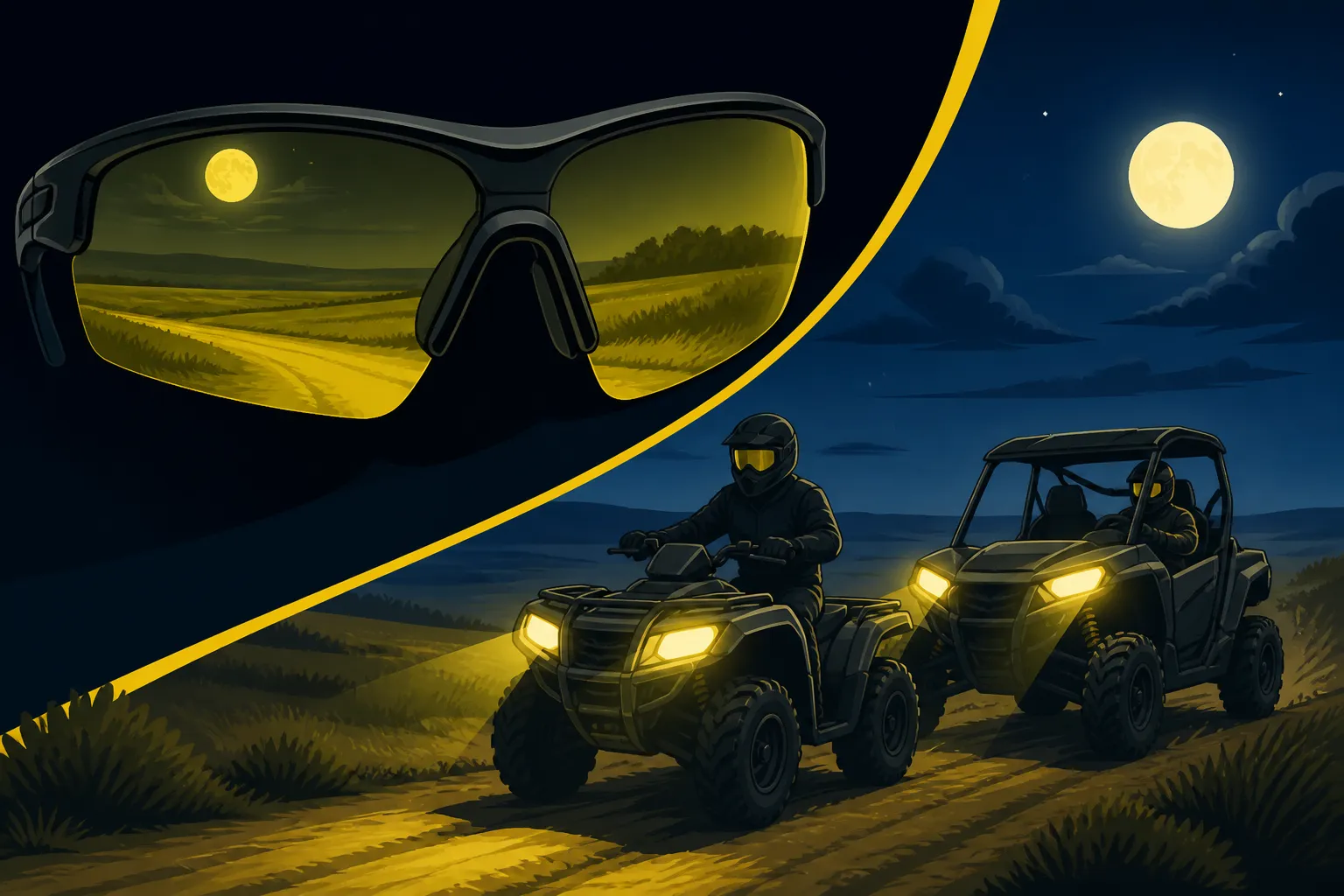
Here's where many riders get into trouble: the Act explicitly prohibits the use of tinted eye protection after sunset or before sunrise, or whenever lighting conditions are poor. This isn't a grey area; it's a black-and-white rule. The moment it starts to get dim, your dark goggles that were perfect for cutting glare from the midday sun become a hazard and a violation. [Saskatchewan Eye Protection Requirements] spell this out clearly.
Imagine trying to navigate a familiar trail in near darkness with sunglasses on. It sounds absurd, right? Yet, this is precisely what tinted goggles or face shields do once natural light diminishes. They reduce the already limited amount of light reaching your eyes, impairing your ability to see obstacles, judge distances, and react quickly. A peace officer conducting [Saskatchewan Equipment Checks by Officers] will certainly be looking for this, and it can result in a ticket.
What Qualifies as Approved Eye Protection
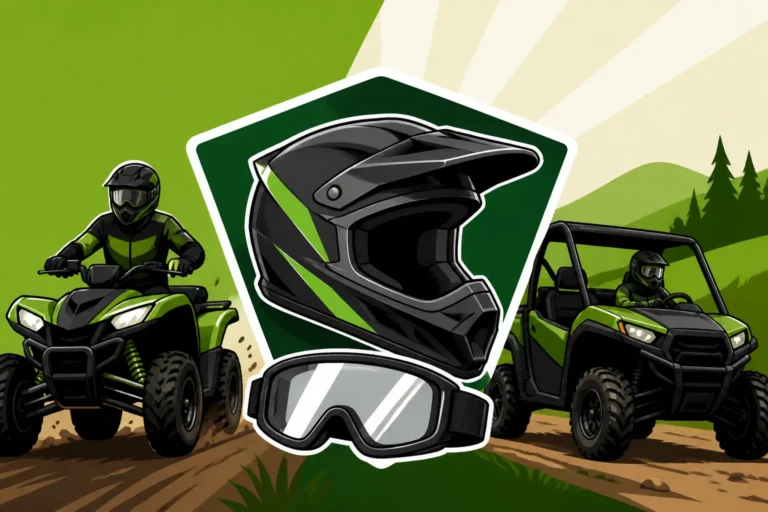
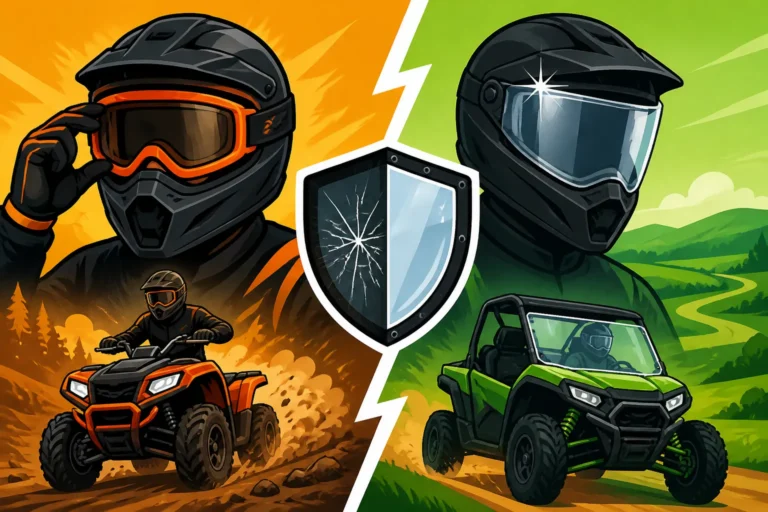
So, if tinted eyewear is out after dark, what's in? The regulations stipulate that eye protection must be clear and unobstructed, allowing maximum light transmission to your eyes. This means clear goggles, a clear face shield integrated into your helmet, or other forms of [Goggles or a Shatterproof Shield] that do not have any tint. The goal is to ensure your vision is as uncompromised as possible when visibility is naturally reduced.
Some riders opt for helmets with integrated clear shields, while others prefer separate clear goggles, which often provide a better seal against dust and wind. There are also systems, like those offered by companies such as SuperATV, that provide quick-change lens options or even auto-darkening technology for glasses worn under a helmet, allowing you to easily switch from tinted to clear as conditions change. The key is that once natural light is gone, your eye protection must be transparent. The exception of [When a Screen on the Machine Replaces Goggles] applies more to windshields than personal eyewear.
| Eyewear Type | Daytime Use | Nighttime Use | Legal in Saskatchewan After Dark |
|---|---|---|---|
| Clear Goggles | Yes | Yes | Yes |
| Tinted Goggles | Yes | No | No |
| Mirrored Goggles | Yes | No | No |
| Photochromic Lenses | Yes (Adaptive) | Yes (Adaptive) | Yes (If clear at night) |
| Clear Helmet Visor | Yes | Yes | Yes |
| Tinted Helmet Visor | Yes | No | No |
| Sunglasses (under helmet) | Yes | No | No |
The Peril of Tinted Lenses in the Dark
It might seem like a small detail, but wearing tinted lenses at night carries significant risks that go beyond simply breaking a rule. Your eyes are incredibly complex, and their ability to adapt to low light is hampered by any form of tint. Understanding the physiological and practical reasons behind this regulation can help reinforce why it's so important to switch to clear eyewear when the sun goes down.
How Tint Reduces Critical Night Vision
When you wear tinted lenses, you are, by design, reducing the amount of light that reaches your retina. In broad daylight, this is beneficial for comfort and reducing glare. However, at night, every photon of light is precious. Your eyes naturally adjust to darkness by dilating your pupils, allowing more light in. Tinted lenses counteract this natural process, forcing your eyes to strain even harder in an already challenging environment.
This reduction in light drastically impacts your night vision, making it harder to discern shapes, depths, and colours. A seemingly minor dip in the trail can become a major obstacle, and a small rock can look like a large boulder. Your peripheral vision also suffers, which is critical for detecting movement from the sides, such as an animal emerging from the treeline. The world simply appears darker, more ambiguous, and far more dangerous.
The Deceptive Glare of Oncoming Lights
Paradoxically, while tinted lenses reduce ambient light, they can actually worsen the effect of glare from artificial light sources at night. When an oncoming vehicle's headlights hit your tinted goggles, the light can scatter and create exaggerated halos or starburst effects. This isn't just annoying; it can momentarily blind you, making it impossible to see the road or trail directly in front of you.
This phenomenon occurs because the tint itself can cause light diffraction, and your eyes are already struggling to adapt to the low light conditions. The contrast between the bright artificial light and the surrounding darkness is amplified, creating a harsher, more disorienting experience than if you were wearing clear lenses. It’s a common issue that contributes to the danger of [Saskatchewan Rules for Riding After Dark] if not properly addressed.
Compounding Risks with Environmental Factors
Saskatchewan's environment often adds layers of complexity to night riding. Dust, fog, rain, or even light snow can further reduce visibility. When you combine these natural conditions with the impaired vision caused by tinted eyewear, you're setting yourself up for a seriously dangerous situation. Each factor compounds the others, creating a cumulative risk that can quickly lead to an accident.
For example, a light fog at dusk, which might be manageable with clear lenses, becomes an impenetrable wall with tinted ones. The small amount of light reflecting off the fog particles is further diminished, turning an inconvenient ride into a hazardous one. Being aware of these environmental factors and adjusting your gear accordingly is a crucial part of responsible ATV and UTV operation in the province.
Equipping Yourself for Optimal Night Vision
Riding your ATV or UTV after dark in Saskatchewan requires more than just functional lights; it demands deliberate choices about your personal gear, especially your eye protection. You need to be able to see clearly, adapt to changing light conditions, and stay compliant with the law. This often means investing in versatile equipment and developing good habits.
Prioritizing Clear Lenses for Dusk and Night Riding
The simplest and most effective solution for night riding is to always have a pair of clear goggles or a clear face shield ready. Many experienced riders carry a spare set of clear lenses specifically for evening use. As soon as you notice the daylight fading, or if you plan to be out past sunset, switch to your clear eyewear. This ensures maximum light transmission to your eyes, giving you the best possible vision in low-light conditions.
Don't wait until it's pitch black and you're struggling to see; make the switch preemptively. This habit is key to both safety and compliance. Clear lenses also offer superior clarity in conditions like light rain or fog, where tints can further obscure your view. It's a small change that makes a huge difference in your ability to react to hazards and enjoy your ride safely.
Versatile Eyewear Solutions for Changing Conditions
Some manufacturers, like SuperATV, offer innovative solutions for riders who encounter varied lighting conditions. This includes goggles with quick-change lens systems, allowing you to easily swap out a tinted lens for a clear one in minutes, even on the trail. Other options include photochromic lenses, which automatically adjust their tint based on UV light exposure, going from clear indoors or in darkness to tinted in bright sunlight.
While photochromic lenses can be a convenient option, always ensure they transition quickly and become truly clear in low light, as some may retain a slight tint. The goal is adaptability without compromise. Having eyewear that can adjust to different situations minimizes the need to carry multiple sets and reduces the chances of forgetting to make the switch. Remember, the rule about [No Tint After Sunset] is strict.
Beyond Goggles: Full-Face Helmets and Windshields
For some riders, a full-face helmet with a clear visor is a preferred option for night riding. The integrated visor provides excellent protection and, when clear, offers unobstructed vision. Many helmets also feature drop-down sun visors that can be retracted for night use, providing the best of both worlds. Just be sure the main visor is indeed clear and well-maintained.
Additionally, many UTVs and some ATVs can be equipped with windshields. While a windshield does not replace the need for personal eye protection, it can significantly reduce wind, dust, and debris, making it more comfortable to ride with clear goggles or a helmet visor. However, ensure your windshield is also clean and free from scratches that could impair vision or create glare at night. These accessories, while helpful, don't negate your responsibility for having appropriate [Saskatchewan Eye Protection Requirements] on your person.
Consequences of Ignoring the Tinted Eyewear Rule
Disregarding Saskatchewan's rules on tinted eyewear at night isn't just a minor infraction; it carries tangible consequences that can impact your wallet, your safety, and even your ability to get insurance coverage if an accident occurs. It's crucial for every rider to understand these potential repercussions, as they serve as a strong deterrent against non-compliance.
Potential Fines and Enforcement Encounters
If a peace officer spots you riding an ATV or UTV with tinted eye protection after sunset, you could face a fine. The [Saskatchewan Fines Capped at $1,000] means that while the specific amount for this particular infraction might be less, it's certainly not negligible. Officers are vigilant about enforcing safety regulations, and impaired vision due to inappropriate eyewear is a clear safety hazard they will address.
An encounter with law enforcement can also lead to other checks, such as verifying your [Saskatchewan Insurance Requirements for Riders] or ensuring you have [Proof Carried on the Machine]. It's not just about the fine; it's about the inconvenience, the time lost, and the mark on your record. It's far easier and safer to simply switch to clear lenses than to deal with the aftermath of a ticket.
Enhanced Safety Risks and Accident Liability
The most critical consequence of wearing tinted eyewear at night is the drastically increased risk of an accident. As discussed, reduced visibility impacts your ability to identify hazards, judge distances, and react quickly. If you're involved in a collision—whether it's with another vehicle, an animal, or a stationary object—and you were wearing tinted eyewear, your impaired vision could be cited as a contributing factor.
This doesn't just put your physical safety at risk; it can also affect your legal liability. If you're found to be partially or wholly at fault for an accident because you were operating your machine with vision impaired by illegal eyewear, you could be held responsible for damages, injuries, and other costs. This is a far more severe outcome than any fine.
Implications for Insurance Claims and Coverage
Your ATV or UTV insurance is there to protect you in case of an accident. However, insurance policies often have clauses that can reduce or deny coverage if you were operating your machine in violation of the law. If you're involved in an accident while wearing tinted eyewear at night, your insurance provider might argue that you were operating unsafely and illegally, potentially impacting your claim.
Imagine needing to file a claim for significant damage to your machine or for medical expenses, only to find that your payout is reduced or denied because you were found to be non-compliant with eye protection rules. This adds a financial burden on top of the physical and emotional stress of an accident. Always verify your policy terms and err on the side of caution and compliance to ensure your coverage remains valid when you need it most.
Local Bylaws and Best Practices for Evening Rides
While Saskatchewan has provincial rules governing ATV and UTV operation, municipalities also have the power to enact their own bylaws. These local regulations can sometimes add another layer of complexity, especially when it comes to specific roads, trails, or areas within their jurisdiction. Being a responsible rider means being aware of both provincial mandates and local nuances.
Understanding Municipal Variations in Riding Rules
Different cities, towns, and rural municipalities in Saskatchewan can have their own unique bylaws regarding ATV and UTV use, including restrictions on certain roads or times of day. For instance, some communities might have specific noise curfews, or they might prohibit ATV use on particular streets or within certain park areas after dark. These [Saskatchewan Municipal Bylaws on Roads] can sometimes complement or even add to the provincial regulations.
It's common for municipalities to be concerned about safety and noise within residential areas, leading to stricter rules in those zones. For example, a rural municipality might allow ditch riding on grid roads during the day, but then restrict it completely after a certain hour or within designated zones. Always remember that even if you're compliant with provincial rules, a local bylaw could still catch you off guard.
Proactive Checks for Local Regulations
Before you embark on a night ride, especially in an unfamiliar area or near an urban centre, it's always a good idea to perform a quick check of local bylaws. Many municipalities post their bylaws online, or you can often find information by contacting the local municipal office. This proactive step can save you from an unexpected fine or, worse, putting yourself or others at risk.
Consider planning your route in advance and identifying which municipal boundaries you'll be crossing. What's perfectly legal in one RM might be prohibited just a few kilometres down the road in another. This due diligence is a mark of a truly responsible rider, ensuring you respect local communities and contribute to safe riding practices for everyone. Asking [Questions Worth Asking a Rural Municipality] can be a great starting point.
Cultivating a Culture of Safe Night Riding
Ultimately, adhering to rules like the tinted eyewear ban at night contributes to a broader culture of safety within the ATV and UTV community. When riders consistently make responsible choices, it not only reduces accidents but also helps maintain positive relationships with landowners, other trail users, and local authorities. This, in turn, can help keep trails open and riding opportunities available for everyone.
Encouraging fellow riders to carry clear goggles, or to switch from their tinted lenses when dusk approaches, helps reinforce these crucial safety messages. We all share the trails and grid roads, and our actions reflect on the entire riding community. By making smart, safe choices, especially regarding visibility at night, we ensure that the enjoyment of ATV and UTV riding in Saskatchewan remains a positive experience for years to come.
Disclaimer
This article is for general informational purposes only and does not constitute professional advice. Laws, prices and regulations vary by location and change over time. Consult a qualified professional for guidance on your specific situation.