Saskatchewan Administrator Orders on Crown Land
It's a familiar scenario for many Saskatchewan ATV and UTV enthusiasts: you've been looking forward to hitting those sprawling Crown land trails all week, maybe you've even mapped out a new route, only to find out a specific area has suddenly been closed. That feeling of disappointment and confusion about who makes these decisions and why can be genuinely frustrating. This guide is designed to demystify administrator orders on Crown land, helping you understand their purpose, how they affect your riding, and most importantly, how to stay in the know before you load up your machine.
Understanding Saskatchewan's Crown Land Landscape
Saskatchewan is a province of immense natural beauty and vast open spaces, much of which falls under the category of Crown land. For many riders, these lands represent the ultimate playground, offering diverse terrain from dense bush to rolling hills. However, the sheer scale and varied ecosystems of Crown land also mean it's managed carefully, and that management can lead to restrictions.
What Exactly is Crown Land?
Crown land in Saskatchewan refers to land owned by the provincial government, held in trust for the public. It's not all untouched wilderness; it can include everything from provincial parks and forests to grazing leases and other agricultural lands. The key difference between Crown land and private property is ownership and the regulations that apply. While private landowners set their own rules for access, Crown land is governed by a complex web of provincial legislation and regulations, all overseen by various government ministries.
This distinction is crucial for ATV and UTV riders because while private land might require explicit permission from the owner, Crown land often has general access rules that can be superseded by specific orders. Imagine planning a trip to the northern bush, excited to use your SuperATV gear on some challenging terrain, only to find the very area you planned to visit is under a temporary closure. Knowing the nature of Crown land helps you anticipate potential restrictions.
Who Administers Crown Land in Saskatchewan?
Managing such a vast and diverse portfolio of land is a big job, and it falls to several different government ministries, depending on the specific use or designation of the land. For recreational users like ATV and UTV riders, the most commonly encountered administrators are often related to parks, forestry, or environmental protection.
For example, provincial parks like Moose Mountain or Narrow Hills have their own sets of regulations under the Ministry of Parks, Culture and Sport. Forest lands, on the other hand, might fall under the Ministry of Energy and Resources, particularly when it comes to logging operations or wildfire management. Even agricultural Crown land, like grazing leases, is managed by a specific division that handles leases and permits. Each of these bodies has the authority to issue "administrator orders" to protect the land, its users, or its resources. It's these orders that can dictate where and when you can ride your ATV or UTV, and understanding who issues them is the first step in understanding why.
Types of Administrator Orders Affecting ATV Riding
Administrator orders on Crown land are not a one-size-fits-all situation. They come in various forms, each designed to address specific concerns, from environmental protection to public safety. Understanding the different categories can help you better interpret the "why" behind a closure or restriction.
Fire Bans and Closures
Perhaps the most common and impactful type of administrator order for off-road enthusiasts are fire bans and associated land closures. Saskatchewan's dry summers, particularly in the northern forest regions, make the risk of wildfires a constant concern. When conditions become extreme, a simple spark from an exhaust or a discarded cigarette can quickly escalate into a devastating wildfire.
During these critical periods, government administrators, often from ministries responsible for forestry or emergency management, will issue fire bans. These bans prohibit open fires and can also extend to restrictions or complete closures of certain Crown land areas to all traffic, including ATVs and UTVs. This isn't just about preventing new fires; it's also about keeping people out of harm's way should a fire break out and allowing emergency services unimpeded access. It's vital for riders to be aware of [Saskatchewan Wildfire Closures and Riding] and adhere strictly to these orders. The penalties for non-compliance, particularly during high-risk times, can be severe, not to mention the potential danger you put yourself and others in.
Environmental Protection Orders
Beyond fire, administrator orders can also be issued to protect sensitive ecosystems, wildlife, or natural resources. Saskatchewan is home to unique habitats, from wetlands crucial for migratory birds to fragile sand dune systems. Uncontrolled ATV and UTV use in these areas can cause irreversible damage, such as soil erosion, disruption of wildlife breeding grounds, or contamination of water sources.
These environmental protection orders might restrict access to specific areas during sensitive times, like nesting seasons for certain birds, or prohibit riding altogether in particularly vulnerable landscapes. For instance, an area might be closed to motorized vehicles to allow vegetation to recover after a period of overuse, or to protect a rare plant species. These orders reflect the broader commitment to preserving Saskatchewan's natural heritage for future generations. Ignoring these directives isn't just a legal issue; it's a matter of respecting the environment we all cherish.
Seasonal or Activity-Specific Restrictions
Not all administrator orders are about dire emergencies or long-term environmental protection. Many are seasonal or activity-specific, designed to manage land use for various purposes throughout the year. For example, some Crown lands might have restrictions during hunting season to ensure safety for hunters and other recreational users.
Other restrictions might be in place to prevent damage during spring thaw, when trails are particularly muddy and vulnerable to deep ruts from vehicle traffic. You might also encounter orders related to commercial activities, such as forestry operations or mining, where certain areas are temporarily closed to public access for safety reasons. Even for organized events, special permits and orders might be in place. Riders sometimes ask about [Saskatchewan Permit Questions Riders Ask] when planning these types of group outings. These orders are often temporary and localized, but they are just as important to follow. It’s about sharing the land responsibly and ensuring everyone can enjoy it safely.
Impact on ATV and UTV Riders
When an administrator order comes into effect, it directly impacts where and how you can ride your ATV or UTV. The repercussions of ignoring these orders can range from frustrating detours to significant legal trouble, so understanding the implications is paramount for any responsible rider.
Access Restrictions and Penalties
The most immediate impact of an administrator order is, of course, restricted access. An area you might have ridden freely last week could suddenly be off-limits. This could mean a full closure, where entry with a motorized vehicle is completely prohibited, or it could mean specific limitations, like "no off-trail riding" or "day-use only." Signs might be posted, but ultimately, it's the rider's responsibility to know the rules.
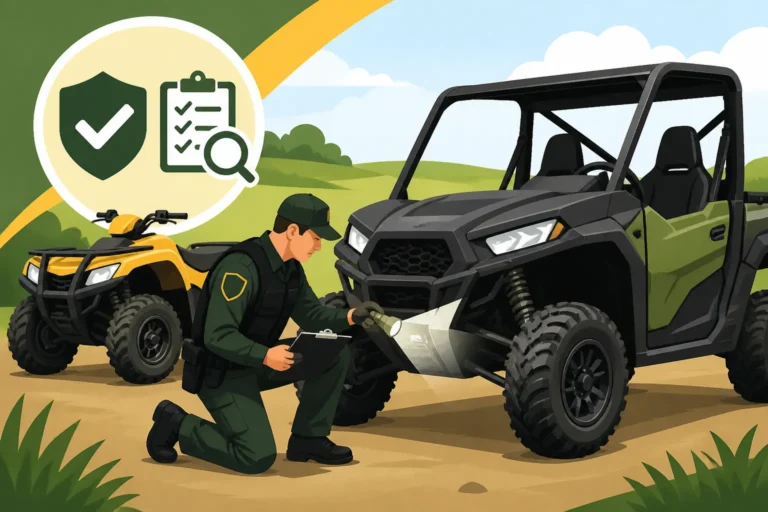
Ignoring these restrictions isn't just a minor inconvenience; it carries real consequences. Peace officers, conservation officers, and park wardens have the authority to enforce these orders. Penalties can include hefty fines, seizure of your machine, or even a ban from the area in question. Imagine having your prized UTV, perhaps equipped with a heavy-duty SuperATV winch and suspension, impounded because you missed a sign or didn't check for current orders. It's a costly and unwelcome interruption to your riding adventures. Beyond the legal aspect, riding in a closed area can also put you at risk if the closure is due to hazards like active fires or dangerous logging operations.
Planning Your Ride Around Orders
The key to a successful and legal ATV or UTV adventure on Crown land in Saskatchewan is proactive planning. This means checking for administrator orders before you even leave your driveway. It involves more than just glancing at the weather; it's about being diligent with your research for the specific area you intend to visit.
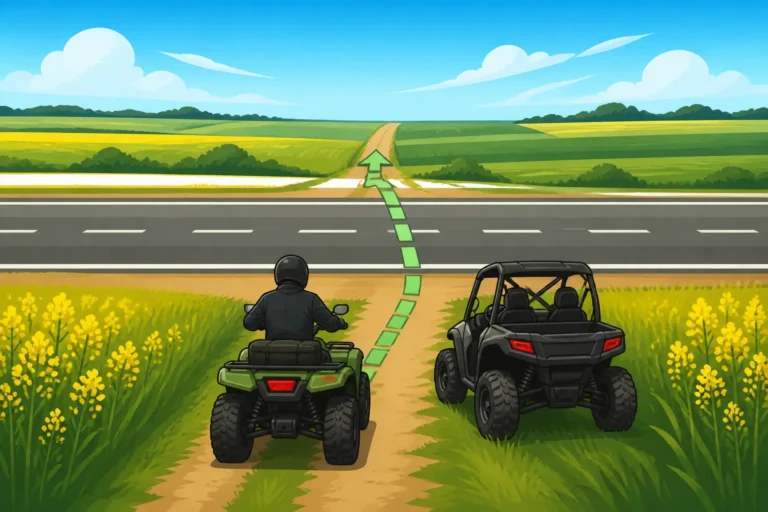
If you find an area is closed, it's time to adapt. Rather than risking a fine or putting yourself in danger, look for alternative riding locations that are currently open. This might mean exploring a different provincial park with designated trails, seeking out a local club's managed trails, or ensuring you have explicit [Saskatchewan Private Land Permission] if you plan to ride on someone's property. Having a backup plan or being flexible with your destination can save you a lot of grief. Remember, the goal is to enjoy the ride, not to push boundaries that could lead to trouble.
How to Stay Informed About Crown Land Orders
One of the biggest frustrations for riders is the feeling that orders appear out of nowhere, catching them by surprise. While it might seem like information is hard to come by, there are reliable channels to consult that can prevent a wasted trip or a hefty fine.
Official Government Channels
The most accurate and up-to-date information regarding administrator orders on Crown land will always come directly from official government sources. For Saskatchewan, this primarily involves websites and contact numbers for the relevant ministries.
- Saskatchewan Ministry of Environment: This is a crucial resource for information on fire bans, specific land closures due to fire risk, and other environmental protection measures. They often have dedicated sections on their website for current wildfire status and prohibitions.
- Saskatchewan Ministry of Parks, Culture and Sport: If you're planning to ride within a provincial park that offers ATV trails, such as Moose Mountain Provincial Park, their website will have specific park regulations, including any temporary closures or restrictions on trail use.
- Saskatchewan Public Safety Agency (SPSA): The SPSA frequently issues updates on emergency orders, including widespread fire bans that can affect large swaths of Crown land across the province.
- Local Municipalities: For Crown land within or adjacent to specific rural municipalities or villages, checking their local bylaws and announcements can also be important. Some municipalities, like the District of Lakeland or Candle Lake, have their own permit systems and rules that can impact riding, even on adjacent Crown land.
Before any trip, make it a habit to visit these online portals or make a quick phone call. It’s a small investment of time that can prevent a major headache.
Community Resources and Clubs
While official channels are the primary source, local riding clubs and community groups can also be invaluable resources. These groups often have members who are actively engaged with local land managers and are quick to share news about new orders or changing conditions.
- Local ATV Clubs: Groups like the Saskatchewan All Terrain Vehicle Association (SATVA) and its member clubs often monitor land access and will disseminate information to their members. They might have forums, social media pages, or newsletters where updates are shared. Joining a club not only keeps you informed but also connects you with other passionate riders and can provide opportunities for organized rides on permitted trails. [Saskatchewan ATV Clubs Worth Joining] are a great way to stay connected.
- Community Social Media Groups: Many local communities have dedicated social media groups for outdoor enthusiasts. While these aren't official sources, they can be excellent for real-time anecdotal updates from other riders who have recently been in an area. Just remember to cross-reference any information with official government sources before making your final plans.
- Local Outfitters and Businesses: Businesses that cater to outdoor recreation, such as ATV dealerships (like those that might sell SuperATV parts), hunting outfitters, or camp resorts, often have their ear to the ground regarding local land access. A quick phone call can sometimes provide crucial local insights.
Building a network of trusted resources can help you stay ahead of the curve, ensuring you're always riding where you're supposed to be.
Navigating Crown Land with Care and Respect
Even when Crown land is open for ATV and UTV use, riding responsibly means understanding the nuances of access, respecting other users, and minimizing your environmental footprint. It's about being a good steward of these shared resources.
Obtaining Proper Permissions for Specific Use
While general recreational riding might be permitted on certain Crown lands, specific activities or long-term uses often require explicit permission or permits. This is a common area of confusion for riders, as the rules aren't always immediately obvious.
- Grazing Leases: Many vast tracts of Crown land are leased to ranchers for cattle grazing. While these are still Crown lands, the leaseholder has specific rights and responsibilities. Accessing these areas with your ATV or UTV typically requires [Saskatchewan Crown Land Occupant Permission] from the leaseholder. It's not about being denied access, but about coordinating your activities to avoid disturbing livestock or damaging fences and infrastructure. Always ask first, respect their decision, and leave gates as you found them.
- Resource Extraction Areas: Crown land can also be designated for mining, forestry, or oil and gas exploration. While some public access might still be allowed, these areas often have specific safety protocols or temporary closures that must be adhered to. Always be aware of active industrial operations and give them a wide berth.
- Organized Events: If you're planning a large group ride, a poker rally, or any other organized event on Crown land, you will almost certainly need to seek special permits from the relevant ministry. These permits help ensure the activity is managed safely, doesn't conflict with other land uses, and minimizes environmental impact.
Taking the time to understand these specific permissions not only keeps you legal but also fosters a positive relationship between riders and other Crown land users.
Respecting Private Land and Occupied Crown Land
The boundaries between Crown land, private land, and occupied Crown land (like grazing leases) are not always clearly marked on the ground. It's incredibly easy to inadvertently stray onto property where you don't have permission, leading to potential charges for trespass.
- Map Research: Before heading out, use detailed maps (digital or paper) to identify land ownership. Tools like iHunter or provincial land status maps can be invaluable. Don't rely solely on memory or "local knowledge" from a decade ago; boundaries can change, and what was once accessible might now be private.
- Look for Signs: While not every boundary will be signed, always be on the lookout for "No Trespassing" signs, fence lines, or other indicators of private property. If you're unsure, it's always best to turn around. [Saskatchewan Trespass Law for Riders] applies just as much to rural properties as it does to urban ones.
- Minimize Impact: Even when on legitimate Crown land, ride responsibly. Stay on established trails, avoid sensitive wetlands, and practice "leave no trace" principles. This includes proper waste disposal, minimizing noise, and preventing the spread of invasive species by washing your machine before entering a new area. Whether you're riding a basic utility quad or a fully customized side-by-side with all the SuperATV bells and whistles, responsible riding ensures these lands remain open for everyone.
By being informed, respectful, and prepared, we can all contribute to a thriving off-road community and ensure continued access to Saskatchewan's incredible Crown lands.
Current and Historical Context of Administrator Orders
Understanding the current state of administrator orders is one thing, but it's also helpful to appreciate the broader context. Orders don't just appear; they are often a response to evolving challenges, changes in land use, or lessons learned from past events.
The Evolution of Land Management Policies
Saskatchewan's approach to Crown land management has evolved significantly over time. Decades ago, access might have been more informal, with fewer specific restrictions. However, with increased population, greater recreational use, and a deeper understanding of environmental sensitivities, land management policies have become more structured and proactive.
For example, the frequency and severity of wildfire seasons have pushed administrators to implement stricter fire bans and area closures. Similarly, concerns about habitat destruction or soil degradation have led to more precise environmental protection orders. The goal is always to balance public access and resource use with conservation and safety. This ongoing evolution means that riders need to stay vigilant; what was permitted last year might not be this year, and relying on outdated information can be problematic. This dynamic environment is why resources like the official government websites are constantly updated.
Lessons from Past Closures and Events
Specific historical events, particularly major wildfires or environmental incidents, have often served as catalysts for new or reinforced administrator orders. The memory of a devastating fire or significant ecological damage can directly influence future management decisions.
For instance, if a particular Crown land area was heavily impacted by a large fire, administrators might implement temporary closures for several years to allow for ecological recovery, protect new growth, or mitigate hazards like falling trees. Similarly, if an area saw widespread damage from off-road vehicles during a particularly wet season, it might lead to seasonal closures during spring thaw in subsequent years. These are not arbitrary decisions but rather informed responses to real-world challenges. Learning about [Saskatchewan Wildfire Season Rules for Riders] and past closures can give you a better appreciation for why current orders are in place.
Staying informed about administrator orders on Crown land is a critical part of being a responsible ATV or UTV rider in Saskatchewan. It protects the environment, ensures your safety, and helps maintain positive relationships with land managers and other users. By utilizing official government resources and community networks, you can plan your adventures wisely, minimizing surprises and maximizing your enjoyment of Saskatchewan's incredible outdoor spaces.
| Type of Administrator Order | Common Reasons | Typical Impact on ATV/UTV Riders |
|---|---|---|
| Fire Bans / Land Closures | High wildfire risk, active fires, emergency access | Complete prohibition of entry, restricted travel, fines, machine seizure |
| Environmental Protection | Protecting sensitive habitats, wildlife, rare plants | Area closures, seasonal restrictions (e.g., nesting season), specific trail use rules |
| Seasonal / Activity-Specific | Spring thaw damage, hunting season safety, logging operations | Temporary closures, restricted hours, specific permits required, detours |
Disclaimer
This article is for general informational purposes only and does not constitute professional advice. Laws, prices and regulations vary by location and change over time. Consult a qualified professional for guidance on your specific situation.