Saskatchewan Accident Reporting Duties
It's an unfortunate truth of off-road riding that accidents can happen, even to the most experienced and cautious among us. When you're out enjoying the vast landscapes of Saskatchewan on your ATV or UTV, the last thing you want to think about is a collision or an unexpected rollover. But when an incident does occur, many riders are left scratching their heads, wondering exactly what their obligations are. After all, the rules for ATVs aren't quite the same as for your everyday car. This guide will help clarify your accident reporting duties in Saskatchewan, detailing what steps you need to take and when, so you're prepared if the unforeseen happens.
Understanding What Constitutes an ATV Accident in Saskatchewan
Before we dive into the nitty-gritty of reporting, it’s crucial to understand what the province considers an "accident" when it comes to ATVs and UTVs. It's not always as clear-cut as a fender bender on the highway, and the definitions can influence your actions following an incident.
Defining an "Accident" Under the Act
In Saskatchewan, the All Terrain Vehicles Act primarily governs how ATVs are operated and, by extension, deals with the aftermath of incidents. While the Act itself doesn't offer a single, sweeping definition of "accident" in the way traffic laws might for motor vehicles, it lays out a framework for operator responsibilities, including when a peace officer needs to be involved. Generally, an accident for an ATV involves any incident where property is damaged, an injury occurs to a person, or an ATV is involved in a collision with another vehicle, object, or person. The severity of the damage or injury often dictates the level of official reporting required.
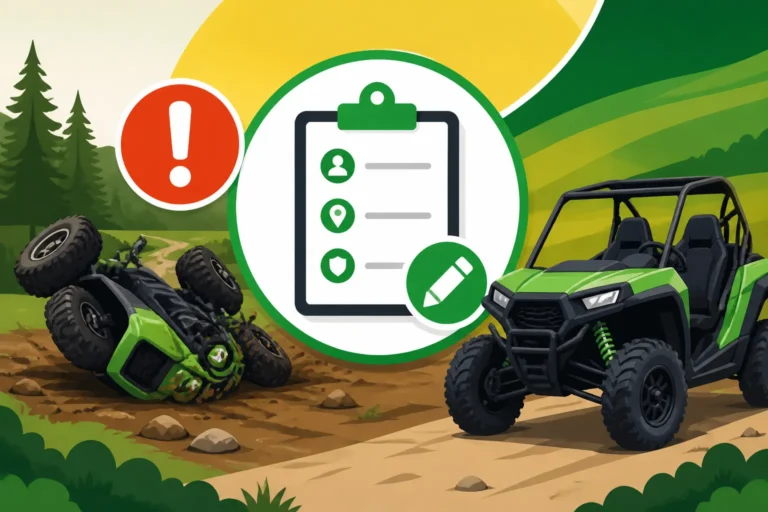
Think of it this way: if your machine tips over harmlessly in a ditch while you're going slow, and you simply right it and carry on without injury or significant damage, that's likely just an incident. However, if that rollover causes you to break an arm, or smashes a headlight, or if you collide with a fence, a tree, or another rider, then you've likely entered the realm of what the Act would consider an accident that might trigger certain duties. Understanding this distinction is the first critical step in knowing how to proceed.
Differentiating Between Minor Incidents and Reportable Events
It’s easy to get flustered after any mishap, big or small. But for ATV riders in Saskatchewan, it’s important to calmly assess whether your situation requires an official report or if it’s something that can be handled privately. A minor incident might be a scraped fender, a bent footpeg, or a machine getting stuck in mud with no injuries. You fix it, you move on. These minor bumps and bruises are part of the off-road experience for many.
A reportable event, however, is when the stakes are higher. This typically involves any incident resulting in personal injury that requires medical attention, significant damage to property (whether it’s your ATV, someone else’s property, or even public infrastructure), or a collision with another vehicle or person. If someone is hurt, if there's extensive property damage, or if the other party involved is not agreeable to a private settlement, then it's time to consider official reporting. This might mean contacting the police or reporting to your insurance provider. Knowing the difference can save you a lot of unnecessary stress and ensure you comply with the law without overreacting to every little bump.
Immediate Actions After an ATV Accident
When an accident happens, the moments immediately following it can feel chaotic and confusing. Having a clear plan in mind can help you navigate these initial steps effectively and ensure the safety of everyone involved.
Prioritizing Safety and Assessing Injuries
Your absolute first priority after any ATV incident is to ensure the safety of yourself and anyone else involved. Stop your machine, turn off the engine, and take a deep breath. Check yourself for injuries first. Are you bleeding? Do you have any pain? Move slowly and deliberately. Once you've assessed your own condition, check on any passengers or other riders involved. Ask if they're hurt and if they need assistance. Sometimes, adrenaline can mask pain, so encourage everyone to be honest about how they feel, even if they seem okay on the surface.
If anyone has serious injuries, or if there's any doubt about their condition, do not move them unless they are in immediate danger (like from a fire or another moving vehicle). Call for emergency medical help right away. It's far better to be safe than sorry when it comes to personal injuries. Having a well-stocked first aid kit on your machine, perhaps secured to a SuperATV cargo rack, can be incredibly valuable in these initial moments.
Securing the Scene and Gathering Information
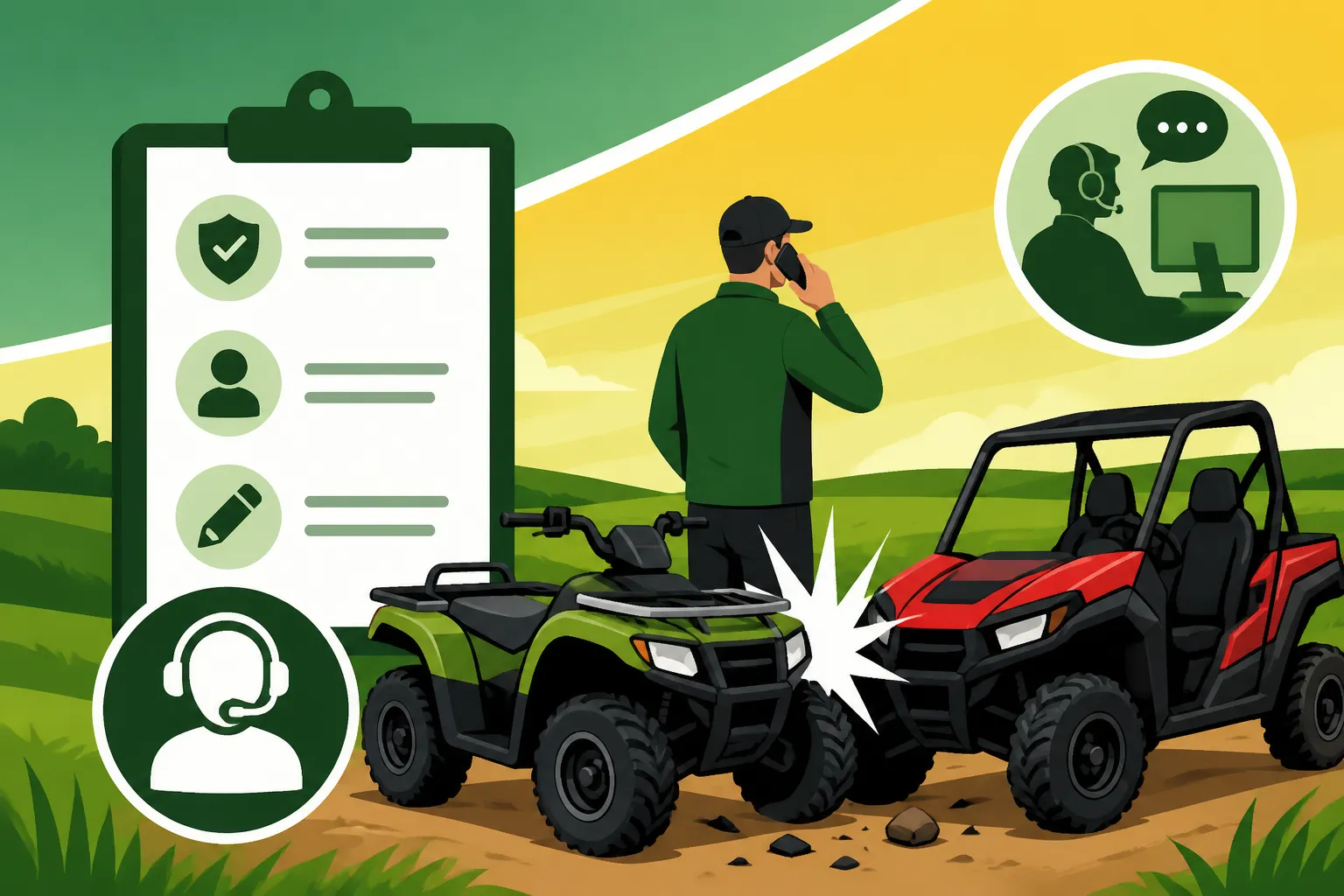
Once immediate safety is addressed, the next step is to secure the accident scene to prevent further incidents and to preserve any evidence. If possible and safe to do so, move your ATV off the main trail or path to avoid obstructing others. Turn on any hazard lights if your machine has them. If there are other people around, ask them to keep a safe distance. Next, begin gathering information. This is crucial for any potential police report or insurance claim.
Make a note of the exact location of the accident, including any landmarks. Use your phone to take photos and videos of the scene from various angles, showing damage to vehicles, property, and any relevant environmental factors like trail conditions or obstacles. Collect contact information from all parties involved, including names, phone numbers, and addresses. If there were any witnesses, get their contact details too. Ask about [Saskatchewan Insurance Requirements for Riders] for other parties and exchange your own. The more information you can collect at the scene, the smoother any subsequent reporting or claims process will be.
Notifying Authorities and Seeking Medical Help
After securing the scene and gathering initial information, you need to determine if notifying authorities is necessary. As a general rule in Saskatchewan, if there's a serious injury, any significant property damage, or if you've collided with another vehicle or person, you should contact the RCMP or local police service. Even if the other party wants to handle it "privately," serious injuries or property damage should involve authorities to protect everyone involved and ensure a proper record.
For minor injuries, you might decide to seek medical attention at a clinic later, but for anything that seems severe or causes immediate concern, call 911 right away. They can dispatch paramedics and police to the scene. Be prepared to provide the exact location, the nature of the accident, and the condition of anyone injured. Remember, a peace officer can also seize your machine in certain circumstances, so accurate reporting is critical. For more on police involvement, you might find [When a Peace Officer Can Seize Your Quad] helpful.
Legal Requirements for Reporting ATV Accidents
Understanding exactly when and to whom you need to report an ATV accident in Saskatchewan can be a bit tricky, as the rules aren't always identical to those for on-road vehicles.
When to Call the Police or a Peace Officer
In Saskatchewan, the All Terrain Vehicles Act outlines scenarios where police notification is required. You must report an ATV accident to a peace officer (which includes RCMP or municipal police) if:
- Any person is injured or killed: This is paramount. If anyone involved in the accident requires medical attention beyond minor scrapes and bruises, or if there is a fatality, you are legally obligated to report it.
- Damage to property exceeds a certain threshold: While the Act doesn't specify a dollar amount like some motor vehicle acts, it broadly covers "significant damage to property." This could be damage to another person's ATV, a fence, a building, or even public property like a trail sign. If there's doubt about the extent of the damage or who is at fault, involving the police is the safest bet to create an objective record.
- An incident involves an unknown party, or there is disagreement: If you hit a parked vehicle and the owner isn't present, or if you collide with another rider and you can't agree on fault or how to handle damages, calling the police provides an official record and can help mediate the situation.
Failure to report an accident when required can lead to [Saskatchewan Fines Capped at $1,000] and other legal consequences, so it's always better to err on the side of caution.
Accident Reporting Duties to SGI and Insurance Providers
Even if the police aren't involved, your responsibilities don't end there, especially if you plan to make an insurance claim. In Saskatchewan, while ATVs aren't provincially registered like snowmobiles, liability insurance is mandatory for operating on Crown land and often a good idea for private land. If you have an ATV insurance policy, you have a contractual obligation to report any accident that might lead to a claim.
Contact your insurance provider as soon as reasonably possible after the accident. They will guide you through their specific reporting process, which usually involves filling out forms and providing all the information you gathered at the scene. Be honest and thorough in your report. Failure to report promptly or accurately could jeopardize your claim. Even if your machine is not registered, your insurance policy provides crucial coverage, and you'll want to understand how [Saskatchewan Insurance Claims Without a Plate] are handled.
Specific Rules for Accidents Involving Property Damage or Crown Land
Accidents that cause damage to property, particularly on Crown land, have their own set of considerations. If you damage public property (like a trail marker, a gate, or even cause environmental harm) while riding on Crown land, you might be liable for the repair or restoration costs. This is where your liability insurance becomes incredibly important. You should definitely report such incidents to a peace officer, and potentially to the ministry responsible for that Crown land.
Similarly, if you are riding on private land with permission and damage the landowner's property (e.g., a fence, a shed), you have a responsibility to report it to the landowner immediately. Depending on the extent of the damage and your relationship with the landowner, you might settle it privately or involve your insurance. Understanding [Saskatchewan Owner Liability Rules] is vital in these situations, as the owner of the ATV can be held responsible for the actions of the operator. Always carry proof of your insurance when riding, as an officer can ask to see it.
Liability, Fines, and Consequences of Not Reporting
Ignoring your duties after an ATV accident in Saskatchewan can have far-reaching and unpleasant consequences. It's not just about avoiding a ticket; it's about protecting yourself legally, financially, and maintaining your ability to ride in the future.
Understanding Owner and Operator Liability
In Saskatchewan, both the owner and the operator of an ATV can be held liable for damages or injuries resulting from an accident. The All Terrain Vehicles Act includes provisions that make the owner responsible for the actions of anyone operating their ATV, particularly if the operator is under 16 or doesn't have the proper training or supervision. This means if you lend your quad to a friend or family member and they get into an accident, you, as the owner, could be held responsible for damages or injuries they cause. This reverse onus can be a tough pill to swallow for many owners.
For the operator, liability stems from their direct involvement in the incident and any negligence or violation of operating rules. This includes adhering to [Saskatchewan ATV Road Rules Explained], age restrictions, and safety gear requirements like [Saskatchewan Helmet and Eye Protection Rules]. If an operator is found to be negligent or in violation of the Act, they could face significant financial responsibility for damages, personal injury claims, and potential fines. This dual layer of liability emphasizes why clear understanding and proper reporting are so critical.
Penalties for Failing to Report an Accident
Failing to report an ATV accident when legally required to do so carries specific penalties under the All Terrain Vehicles Act. While exact fines can change, you could be looking at a significant financial penalty, often up to the maximum fine specified in the Act, which is $1,000. Beyond the monetary fine, there could be other repercussions. In some cases, a peace officer might choose to issue tickets for other violations observed at the scene, or for failing to carry proper documentation like proof of insurance. For instance, if you were riding under the influence, the penalties for [Saskatchewan Impaired Riding Penalties] are severe and would be separate from reporting failures.
Moreover, if injuries or property damage are involved, failing to report an accident can lead to civil lawsuits. If you don't report, and the injured party or property owner later decides to sue, you could find yourself in a much worse legal position without an official record of the incident. This can affect your ability to get insurance in the future or even lead to your ATV being seized.
Impact on Insurance Claims and Future Coverage
Perhaps one of the most significant consequences of not reporting an ATV accident is the negative impact it can have on your insurance claims and future coverage. Insurance policies almost universally require prompt reporting of any incident that could lead to a claim. If you delay reporting or fail to report an accident that later surfaces as a claim (for example, if an injured party contacts your insurer directly), your insurance company could deny your claim. They might argue that your failure to report prevented them from investigating the incident properly or that you violated the terms of your policy.
Beyond the immediate claim, a history of non-reporting or fraudulent claims can severely affect your future insurability. Your premiums could skyrocket, or an insurer might even refuse to renew your policy. This would leave you in a precarious position, as liability insurance is often a prerequisite for riding in certain areas or simply a wise choice for any responsible rider. Therefore, protecting your insurance standing is a powerful incentive to always follow proper accident reporting duties.
Proactive Measures and Accident Prevention
While knowing what to do after an accident is crucial, an even better strategy is to prevent them from happening in the first place. A proactive approach to ATV and UTV riding can significantly reduce your risks on Saskatchewan's diverse terrain.
The Importance of Safety Training and Proper Gear
One of the most effective ways to prevent accidents is through comprehensive safety training. While [Saskatchewan Has No Adult Safety Course Rule], taking an approved ATV safety course, especially if you're a new rider or operating a new type of machine like a UTV, can teach you critical skills, hazard recognition, and safe operating procedures. Organizations often provide [Saskatchewan Training Course Providers] that can make a huge difference in your confidence and ability to handle unexpected situations on the trail. For youth riders, the rules are stricter, and [Saskatchewan Youth Certification Options] are essential.
Equally important is wearing the right gear. A properly fitted, DOT-compliant helmet is non-negotiable, as are eye protection, gloves, long pants, long sleeves, and sturdy over-the-ankle boots. This gear isn't just for comfort; it's your primary line of defense against injuries in a rollover or collision. Investing in quality gear, perhaps even from brands like SuperATV that offer robust protection and accessories, is an investment in your safety.
Regular Machine Maintenance and Pre-Ride Checks
A well-maintained ATV is a safer ATV. Neglecting your machine's upkeep can lead to mechanical failures that directly cause accidents. Before every ride, especially if you're heading out for a longer journey or into challenging terrain, perform a thorough pre-ride check. This includes:
- Tires: Check pressure and tread condition.
- Brakes: Ensure they are working effectively, front and rear.
- Fluids: Check oil, coolant, and brake fluid levels.
- Lights: Test headlights, taillights, and brake lights, which are especially important for [Saskatchewan Lighting Requirements on a Machine].
- Steering and Suspension: Check for any looseness or damage.
- Throttle: Ensure smooth operation and no sticking.
- Spark Arrestor: Make sure it's clean and functioning, especially during [Saskatchewan Wildfire Season Rules for Riders].
Regular maintenance, following your machine's service schedule, will keep components in good working order and help identify potential problems before they become critical. Think of it as preventative medicine for your quad, keeping it ready for whatever the Saskatchewan landscape throws its way.
Riding Responsibly and Understanding Trail Etiquette
Beyond mechanical readiness and personal protection, responsible riding habits are paramount. This means never operating an ATV under the influence of alcohol or drugs – [Saskatchewan Impaired Riding Penalties] are severe and rightfully so. It also means adhering to speed limits, especially when riding on [Saskatchewan Rules for Riding a Grid Road] or in designated areas. Always ride within your skill level and be aware of your surroundings.
Understanding and practicing good trail etiquette is also a form of accident prevention. This includes giving way to oncoming traffic, keeping a safe distance from other riders, and respecting private land by seeking [Saskatchewan Private Land Permission] before entering. Know the [Saskatchewan Rules of Operation on a Trail] for any designated riding areas you frequent. By being a respectful and cautious rider, you not only ensure your own safety but also contribute to a safer and more enjoyable experience for the entire ATV community in Saskatchewan.
| Situation | Police Notification Required? | Insurance Notification Recommended? | Key Action Items |
|---|---|---|---|
| Serious Injury or Fatality | Yes, immediately (911) | Yes, immediately | Prioritize medical aid, secure scene, gather details. |
| Significant Property Damage | Yes, if threshold met/dispute | Yes, if claiming | Document damage with photos, exchange info, attempt private settlement (if minor), or call police. |
| Minor Injury (e.g., scrapes) | No, generally | Yes, if seeking coverage | Assess injury, seek self-care or clinic visit. If any doubt, call police. |
| Minor Property Damage (e.g., cosmetic) | No, generally | No, unless claiming | Document damage, attempt private settlement. |
| Accident with Unknown Party | Yes | Yes | Document scene, seek witnesses, report to police. |
| Collision with Another Vehicle/Person | Yes, if injury/damage/dispute | Yes, always | Prioritize safety, assess injuries, secure scene, gather info from all parties, call police if needed. |
| Damage to Crown/Public Land Property | Yes, generally | Yes | Document damage, report to police and relevant ministry (e.g., parks/environment). |
Disclaimer
This article is for general informational purposes only and does not constitute professional advice. Laws, prices and regulations vary by location and change over time. Consult a qualified professional for guidance on your specific situation.