Saskatchewan Rules for Riding in Prince Albert
Many ATV and UTV enthusiasts in Saskatchewan dream of hitting the trails or even using their machines for quick errands, but the reality of riding in and around urban centers like Prince Albert can be a real head-scratcher. It's frustrating to own a powerful machine and not know if you're breaking a rule just by taking it down the street. This guide is here to clear up the confusion, explaining the provincial laws, what local bylaws might mean for you in Prince Albert, and where you can actually enjoy your ride legally and responsibly.
Understanding Saskatchewan's Provincial ATV Rules
Before we even dive into specific municipal rules for Prince Albert, it's crucial to grasp the overarching provincial regulations. These rules are the baseline, the minimum standard that applies to all ATV and UTV riders across Saskatchewan, whether you're in a remote rural area or on the outskirts of a city. Ignoring these can lead to tickets, fines, or worse, put you and others at risk.
Licence and Age Restrictions for Operators
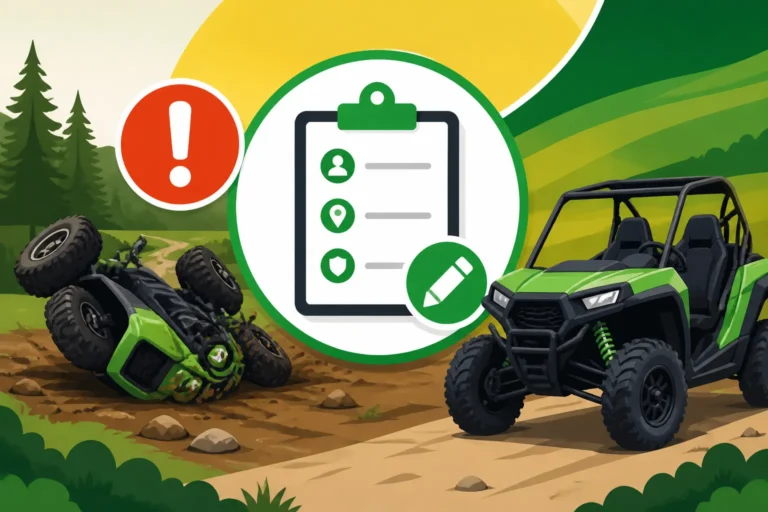
One of the biggest misconceptions riders often have is about who can actually operate an ATV or UTV. In Saskatchewan, the rule is pretty clear: [Saskatchewan Requires a Driver's Licence] to operate an all-terrain vehicle. This means if you're planning on taking your quad or side-by-side out, you need to have a valid driver's license for a road vehicle. It’s not just about knowing how to drive; it’s about having the legal credential to do so.
However, there are some important exceptions, especially for younger riders, which can sometimes be confusing. The province generally [Saskatchewan Bans Riders Under 16] from operating ATVs, but there’s a critical [Saskatchewan's Exception for Riders 12 and Over]. If a rider is 12 years of age or older but under 16, they can operate an ATV if they are directly supervised by an adult who holds a valid driver's licence and has held it for at least 365 days. That supervisor also needs to be right there, observing the youth's operation. This means a parent or guardian often acts as the [Saskatchewan's 365-Day Supervisor Rule]. This isn't just a suggestion; it's a legal requirement designed to keep our younger riders safe while they learn.
Essential Safety Gear and Insurance Requirements
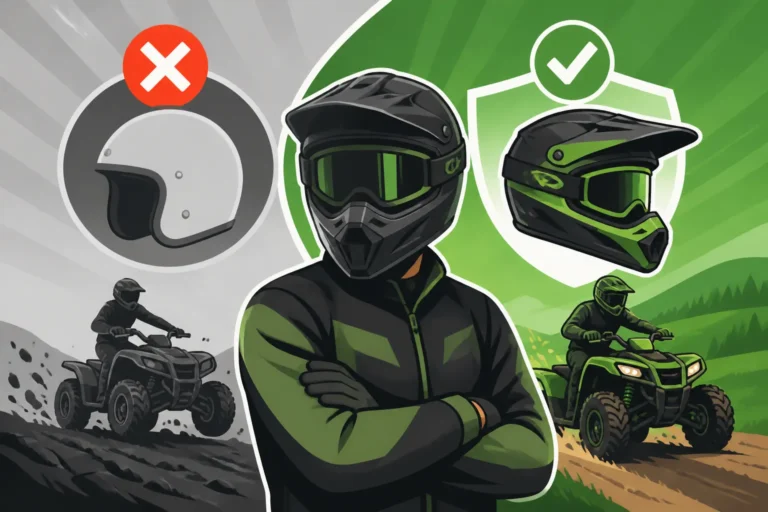
Safety isn't just a good idea; it's the law. When you're out riding, whether it's on a designated trail or private land, you need to be properly equipped. This starts with your head: [Saskatchewan Helmet and Eye Protection Rules] mandate that all operators and passengers must wear an approved helmet that meets specific safety standards (like those from the Department of Transportation, CSA, Snell, or ECE) and fasten it securely. Beyond the helmet, eye protection like goggles or a face shield is also mandatory. It’s all about protecting yourself from debris, branches, and impacts.
Equally important, and often overlooked until it's too late, is insurance. Saskatchewan mandates a [Saskatchewan's Minimum Insurance Requirement] for all ATVs and UTVs. While the province doesn't register ATVs like it does snowmobiles, having at least $200,000 in third-party liability insurance is a legal must-have. This protects you in case you're involved in an accident that causes injury or damage to someone else's property. You need to be able to provide [Saskatchewan Insurance Proof on the Trail] if a peace officer asks for it. Beyond the provincial minimum, equipping your machine with a sturdy windshield or a roof can add another layer of protection, especially when kicking up dust on a rural road or trail. Companies like SuperATV offer a wide range of accessories designed to enhance rider safety and comfort, from heavy-duty bumpers to full enclosure systems. It's smart to carry your proof of insurance with you in a waterproof bag, perhaps tucked into your glove box or a secure storage compartment on your machine.
Navigating Prince Albert's Urban Landscape: What the Bylaws Say
While provincial laws set the stage, municipalities like Prince Albert have the authority to enact their own bylaws regarding ATV and UTV use within their borders. This is where it gets really specific, and sometimes frustrating, for urban riders. What might be allowed just outside city limits can be strictly prohibited once you cross into town.
The Power of Local Bylaws: Checking Your Municipality
Many riders assume that if the province doesn't explicitly ban something, it's fair game. Unfortunately, that's not always the case. [Saskatchewan Municipal Bylaws on Roads] can and often do impose additional restrictions or outright prohibitions on ATV and UTV use within city or town limits. This means that while the provincial Act might allow ditch riding under certain conditions, a city bylaw could completely shut down that option within its jurisdiction.
It's absolutely essential to check Prince Albert's specific bylaws. Don't rely on hearsay or what a friend of a friend told you. The best way to do this is to visit the City of Prince Albert's official website or call their city hall directly. Look for sections related to traffic bylaws, recreation vehicles, or all-terrain vehicles. Bylaws are public documents, and the city is obligated to provide this information. Getting caught riding where you shouldn't because you "didn't know" isn't a valid defense and can result in significant fines.
Common Urban Restrictions and Prohibitions
Generally speaking, riding ATVs and UTVs on city streets, sidewalks, and in parks is heavily restricted or outright prohibited in most Saskatchewan municipalities, and Prince Albert is no exception. You can almost certainly expect that you won't be able to ride your quad down Central Avenue or through Little Red River Park. These areas are designed for pedestrian and vehicle traffic, not off-road machines. The concern is safety, noise, and potential damage to public property.
Common prohibitions in urban settings include:
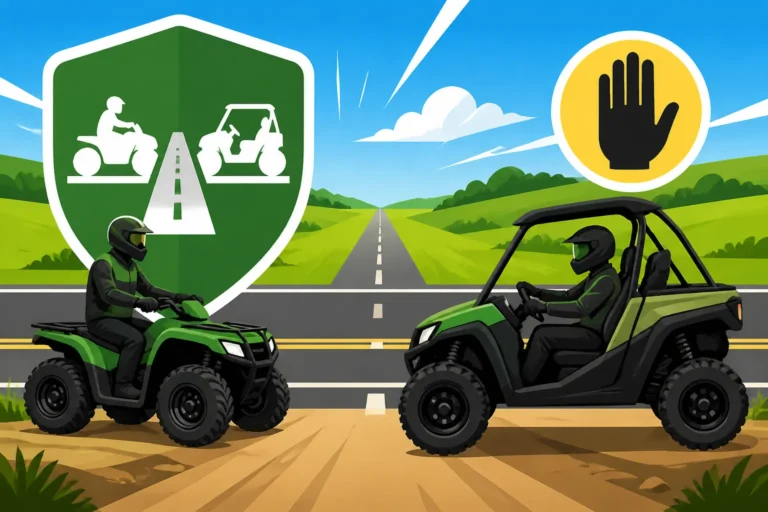
- City Streets: With very few exceptions (like specific crossing points or parade permits), riding on paved city streets is typically not allowed.
- Sidewalks and Pedestrian Areas: These are definitively off-limits for ATVs and UTVs.
- Public Parks and Green Spaces: Most city parks, playgrounds, and sports fields are designated for other recreational activities and are closed to motorized vehicles.
- School Grounds: Riding on or near school properties is almost always prohibited.
- Lakeshore and Beach Areas: Many municipalities have bylaws preventing motorized vehicles from operating too close to sensitive aquatic environments.
These rules are often put in place to maintain public safety, reduce noise complaints, and prevent environmental damage. Even if you only intend to ride a short distance to a fuel station, it's critical to know if you're allowed to traverse those few blocks or if you need to trailer your machine.
Finding Your Ride: Where You Can Go Near Prince Albert
While urban areas are largely off-limits, that doesn't mean you can't enjoy your ATV or UTV around Prince Albert. You just need to know where to look and what permissions you need. Saskatchewan offers vast opportunities for off-road enthusiasts, provided you respect the land and the rules.
Designated Trails and Rural Access Points
One of the best ways to enjoy your ATV legally is on designated trails. While Prince Albert itself may not have city-sanctioned ATV trails within its immediate core, there are riding opportunities in the broader region. You might find some good options for [Saskatchewan Riding Near Prince Albert] in the surrounding RM’s or provincial parks. Places like Nisbet Forest, just south of the city, are popular spots, though access and specific use areas are constantly subject to change and regulation by the province or local authorities.
Many provincial parks also offer designated trails, though you absolutely must check with each park's office before you go. For instance, some parks might allow ATVs on specific multi-use trails, while others strictly prohibit them. Always look for official signage and obtain any necessary permits. Provincial park staff can answer specific questions about designated unloading areas and routes. Remember that [Saskatchewan Wildfire Closures and Riding] are a real concern during dry seasons, so always check for fire bans and trail closures before heading out. Sometimes, this means keeping your ride local until conditions improve.
Private and Occupied Crown Land
Outside of designated trails, private land offers significant riding opportunities, but only with explicit permission. This is straightforward: if it's not your land, you need the owner's written or verbal consent. Trespassing is illegal and can lead to fines and strained relationships with landowners. For ranchers and farmers, their land is their livelihood, and unauthorized ATV use can damage crops, fences, or disrupt livestock. Always ask first, and respect their decision.
Similarly, accessing [Saskatchewan Crown Land Occupant Permission] is often required for riding on leased Crown land, such as grazing leases. While it's Crown land, a specific individual or company holds a lease on it, and you need their consent. This is a common situation across Saskatchewan's vast landscape. Make sure you know who owns or leases the land before you venture onto it. If you're planning on venturing into the ditches or on rougher trails outside city limits, investing in quality aftermarket parts can make a huge difference. Upgraded suspension components, heavy-duty skid plates, or even a robust winch from a brand like SuperATV can ensure your machine is ready for whatever the Prairies throw at it.
Ditch Riding Outside the City Limits
For many rural Saskatchewan riders, ditch riding is a common practice, and it is permitted under provincial law, with strict conditions. You can generally ride your ATV in the ditch along a public highway, provided you stay [Saskatchewan Ditch Riding and the 2-Metre Rule] from the travelled portion of the highway. This means keeping a safe distance from active traffic. There's also an [Saskatchewan's 80 km/h Speed Limit] when operating in a ditch.
However, this allowance almost certainly does not apply within Prince Albert city limits or within organized hamlets and villages. Municipal bylaws often prohibit ditch riding in urbanized areas for safety and noise reasons. Always verify the local bylaws for the specific area you plan to ride in. Additionally, while ditch riding is legal in many rural areas, it's not a free-for-all. Be mindful of drainage culverts, hidden obstacles, and agricultural access points. It's about exercising common sense and respect for infrastructure.
Staying Out of Trouble: Enforcement and Best Practices
No one wants to have their riding day end with a conversation with a peace officer or, worse, a hefty fine. Understanding enforcement, knowing what to carry, and practicing responsible riding are your best defenses against trouble.
Penalties and Enforcement for Non-Compliance
Peace officers, including RCMP, local police, and conservation officers, have the authority to enforce the provincial All Terrain Vehicles Act and any relevant municipal bylaws. If you're caught riding where you shouldn't be, without the proper safety gear, or operating improperly, the consequences can be significant. [Saskatchewan Fines Capped at $1,000] are a real possibility for various infractions under the Act. Beyond monetary penalties, an officer can also conduct [Saskatchewan Equipment Checks by Officers] to ensure your machine meets basic safety standards, such as having proper lighting if riding at night.
In more serious cases, particularly for repeat offenses or dangerous operation, your machine could even be seized. Getting a seized machine back is often a costly and time-consuming process. The best approach is to prevent these situations entirely by being informed and compliant. Ignorance of the law is never an excuse, and officers are not usually lenient when it comes to public safety.
Preparing for Your Ride: Documents and Etiquette
Before you even load up your ATV or UTV, make sure you have all your ducks in a row. Always carry your valid driver's licence and [Proof of Insurance Is What Saskatchewan Officers Ask For]. While Saskatchewan doesn't have a provincial registration system for ATVs, having your bill of sale or other proof of ownership is also a good idea, especially if you're new to the machine or in a situation where ownership might be questioned. Keep these documents in a waterproof bag that's securely attached to your machine or on your person.
Beyond documentation, responsible riding means more than just following the letter of the law. It means being a good steward of the land and a respectful member of the community.
- Stay on Marked Trails: If you're on a designated trail, stay on it. Cutting new trails or going off-road in sensitive areas causes environmental damage.
- Minimize Noise: Be mindful of residential areas and wildlife, especially in the early mornings or late evenings.
- Pack It In, Pack It Out: Leave no trace. Take all your garbage with you.
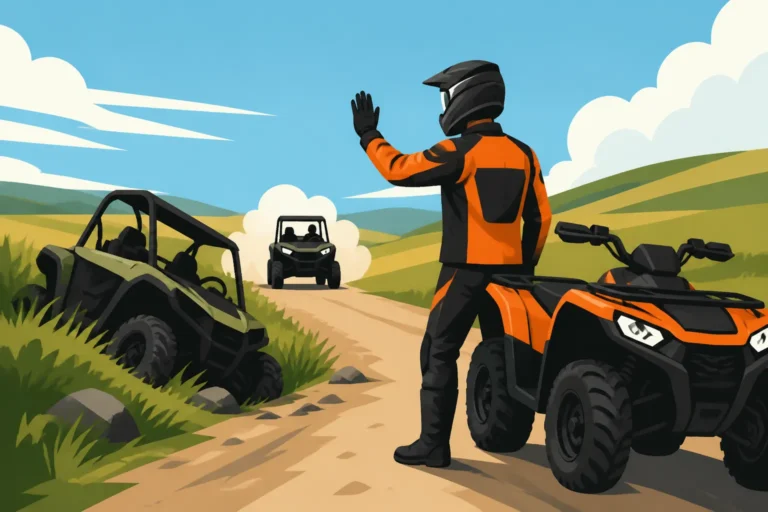
- Yield to Others: Be courteous to hikers, bikers, and horseback riders on multi-use trails.
- Check Conditions: Be aware of [Saskatchewan Trail Conditions Before You Haul] and [Saskatchewan Wildfire Season Rules for Riders].
- Enhance Visibility: Beyond the basic provincial requirements for lighting, many riders choose to enhance their machines for better visibility and durability. Adding brighter LED lights or stronger axles from a reputable brand like SuperATV can not only improve your riding experience but also contribute to safety, especially during dawn or dusk rides.
By understanding these rules and adopting a responsible riding ethic, you can enjoy the fantastic ATV and UTV opportunities Saskatchewan has to offer, even while respecting the boundaries of urban centers like Prince Albert.
| Location Type | General Provincial Allowance (Conditional) | Typical Prince Albert/Urban Application (Check Bylaws) |
|---|---|---|
| Provincial Highways | Prohibited (crossing at 90 degrees allowed) | Prohibited. Do not ride on within city limits. |
| City/Town Streets | Generally prohibited by default | Prohibited. Unless explicitly allowed by specific bylaw (rare). |
| City Parks/Sidewalks | Prohibited | Prohibited. For safety and recreational use of others. |
| Ditches (outside urban) | Permitted, 2 metres from travelled portion, 80 km/h limit | Prohibited within city limits. Allowed outside, if no local bylaw. |
| Private Land | Permitted with owner's permission | Permitted with owner's permission, even within city limits on your own property. |
| Designated Trails | Permitted with appropriate permits | Check with City of Prince Albert or nearby RMs for designated trails. |
| Crown Land (non-park) | Permitted with proper permissions/checks, respecting closures | Not typically found within city limits; usually rural. |
| Frozen Water Bodies | Permitted in winter, conditions apply | Check local bylaws; generally rural application for [Saskatchewan Rules for Riding a Frozen Lake]. |
Disclaimer
This article is for general informational purposes only and does not constitute professional advice. Laws, prices and regulations vary by location and change over time. Consult a qualified professional for guidance on your specific situation.