Finding the Compliance Label Inside Your Helmet
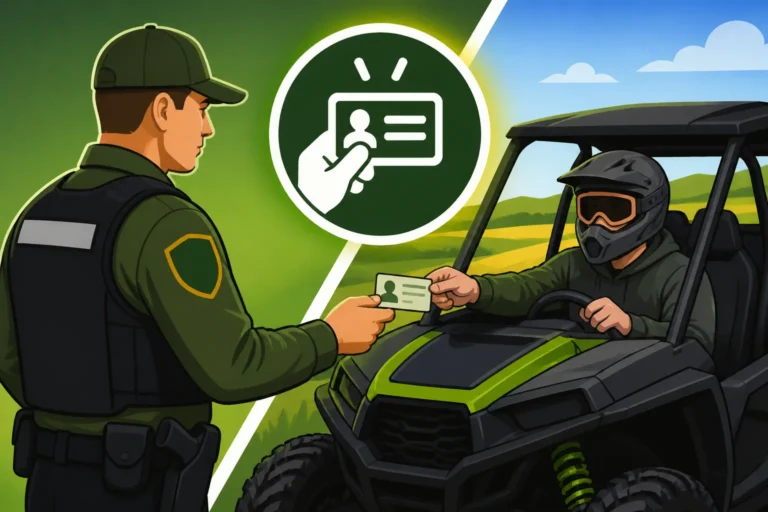
It’s a scene many Saskatchewan ATV and UTV riders have encountered: you're out enjoying the trails, perhaps on a well-deserved weekend escape, when a peace officer pulls you over. They check your license, your insurance, and then, inevitably, they ask to see your helmet. But what exactly are they looking for? Beyond just wearing one, understanding and being able to identify your helmet's compliance label is crucial for staying safe and legal on the prairies. This guide will walk you through why these labels matter, where to find them, and how to understand what they're telling you.
Why a Compliance Label Matters for Saskatchewan Riders
Riding an ATV or UTV in Saskatchewan comes with its own set of rules, and personal safety gear is at the top of that list. It's not just about comfort; it's about life-saving protection, and the compliance label is your helmet's official stamp of approval.
Understanding Saskatchewan's Helmet Laws
Let's be real, nobody wants a ticket, especially when you're just trying to enjoy a day of riding. In Saskatchewan, the law is pretty clear: if you’re operating or riding as a passenger on an all-terrain vehicle, you must wear a helmet that meets an approved safety standard. This isn't just a friendly suggestion; it's a legal requirement designed to protect you in case of an accident. Ignoring this rule doesn't just put your head at risk, it can also lead to hefty fines, as [Saskatchewan Fines Capped at $1,000] for various infractions under the Act. An officer has every right to pull you over and perform [Saskatchewan Equipment Checks by Officers], and your helmet will definitely be part of that inspection.
The frustration often comes when riders assume any helmet will do. You might have an old motocross helmet lying around, or perhaps one from another sport, and think it's good enough. However, the law specifies that the helmet must conform to standards recognized in the province. Without that proof, you could find yourself in a sticky situation. The compliance label is your undisputed evidence that your helmet is up to snuff, offering you peace of mind and protecting your wallet from an unnecessary citation. For a deeper dive into the specifics, check out [Saskatchewan Helmet and Eye Protection Rules].
What the Compliance Label Signifies
So, what exactly does this little label tell an officer, or more importantly, you? It signifies that your helmet has undergone rigorous testing by independent agencies and meets specific safety standards. These standards dictate everything from impact absorption and penetration resistance to chin strap retention. When a label shows a certification like DOT, Snell, or ECE, it means the helmet isn't just a fancy hat; it's a carefully engineered piece of safety equipment designed to minimize injury during a crash. It proves that [Why Your Helmet Must Be Built for ATV Use] isn't just a guideline, but a necessity backed by science.
Think of it this way: just as you wouldn't trust a bridge without proper engineering certification, you shouldn't trust a helmet without a compliance label. These labels are your guarantee that the helmet was built with your safety in mind, tested to perform under stress, and capable of offering the protection you need when riding across diverse Saskatchewan terrains, from open fields to bush trails. It helps to understand that [Saskatchewan Helmet Standards Accepted] allows for a range of internationally recognized certifications, giving you options while ensuring a baseline of safety.
Where to Find Your Helmet's Compliance Label
Finding this crucial little piece of information can sometimes feel like a treasure hunt, especially if your helmet has seen a few seasons of riding. However, manufacturers are required to place these labels in consistent, identifiable locations.
Inner Lining and Straps
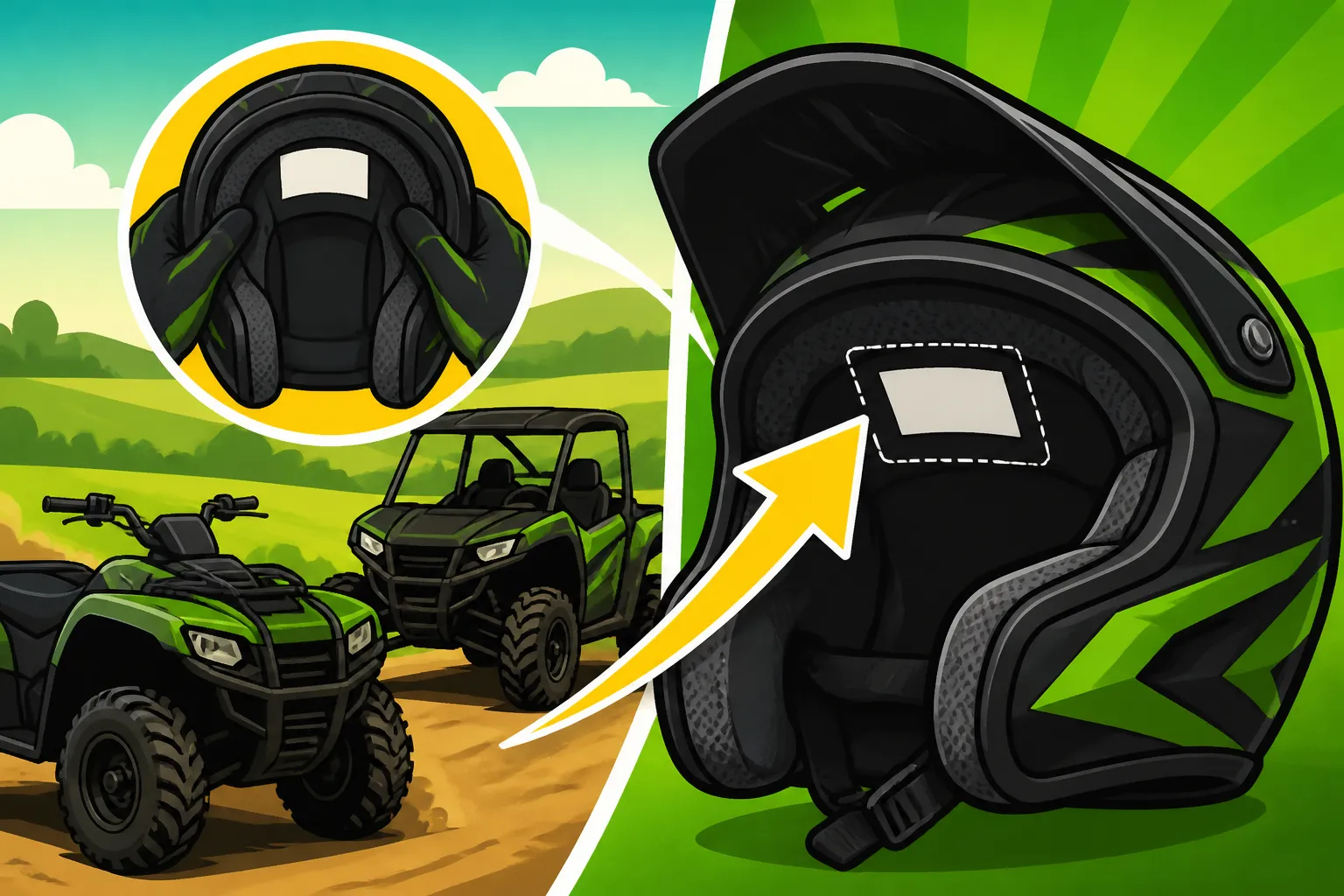
The most common place to find your helmet's compliance label is actually inside the helmet itself. You'll want to carefully remove the helmet’s interior comfort liner, if it's removable. Many modern helmets have snap-in or velcro-attached liners that can be taken out for cleaning. Once the liner is out, look for a small, often white or silver, sticker affixed to the EPS (expanded polystyrene) foam shell underneath. This sticker will typically contain the certification information, manufacturing date, and sometimes the helmet's serial number. It's a key piece of information, so handle it with care to avoid damage.
If the liner isn't removable, or if you can't find it on the foam, turn your attention to the fabric tags sewn into the comfort padding itself. These are often found near the ear pads, at the back of the neck roll, or sometimes under the chin bar area in full-face helmets. These tags are usually small, white or black fabric labels with printed text. They can sometimes be a bit faded if the helmet has been washed frequently or exposed to a lot of sweat, which is a real frustration for riders trying to prove compliance on the spot. Make sure to examine both sides of any tags you find. Don't forget to check the chin strap itself, as sometimes a small, permanent tag or printing is located there. Always remember, the integrity of your [Straps Fastened by the Maker] is just as important as the shell itself.
Chin Strap and Outer Shell Stickers
Beyond the inner workings, some compliance information might also be present on the helmet's chin strap. Often, you’ll find a smaller, more robust tag woven into the strap material or a durable sticker applied directly to the strap. These are usually designed to withstand more wear and tear than internal fabric tags, making them a good secondary spot to check if the internal labels are hard to read. This is particularly useful as the chin strap is usually visible even when the helmet is being worn or handled quickly.
While less common for the primary certification, some helmets also feature compliance information on external stickers, usually at the rear or side of the shell. However, these external stickers are more prone to fading, peeling, or being removed, so they aren't always considered the most reliable proof by authorities. Always prioritize the internal labels, as they are less likely to be compromised and are typically required by the regulations. For riders who also wear [Goggles or a Shatterproof Shield], ensuring your eye protection also meets standards is an additional layer of safety, but the helmet itself is paramount. When purchasing accessories for your machine, perhaps from a brand like SuperATV, always prioritize ensuring your safety gear, including where its labels are located, is in top shape too.
Deciphering Your Helmet's Compliance Information
Once you've located the label, the next step is to understand what all those letters and numbers actually mean. It’s not just alphabet soup; it's critical safety data.
Recognizing Key Certification Marks
The compliance label will prominently display one or more certification marks, indicating which safety standards the helmet meets. Here are the most common ones you'll encounter in Saskatchewan:
| Certification Mark | Description | Key Feature |
|---|---|---|
| DOT | U.S. Department of Transportation (FMVSS No. 218) | Federal Motor Vehicle Safety Standard for impacts |
| Snell | Snell Memorial Foundation (M or SA series) | More aggressive, multi-impact testing for racing |
| ECE | Economic Commission for Europe (ECE R22.05 or R22.06) | Internationally recognized, widely adopted in Europe |
| CSA | Canadian Standards Association (CAN/CSA-D230 series) | Canadian-specific standard for recreational helmets |
Each of these certifications represents a different set of tests and criteria. DOT is often considered a baseline for street-legal use in the US, but it's widely accepted in Canada. Snell certifications (like M2020D or M2020R) are voluntary and generally exceed DOT standards, often featuring more stringent testing, especially for multiple impacts in the same spot, making them popular with competitive riders. ECE is the standard across Europe and many other parts of the world, recognized for its comprehensive testing. While less common for powersport helmets today, the CSA mark is a Canadian standard that offers robust protection. Knowing these symbols helps you verify that your helmet provides appropriate protection, regardless of where you bought it.
Date of Manufacture and Expiry Concerns
Another piece of vital information on the compliance label, or sometimes on a separate sticker, is the date of manufacture. This is often displayed as a month and year (e.g., "05/2022") or a production code that can be deciphered. While helmets don't typically have a hard "expiry date" printed on them like food products, the manufacturing date is incredibly important for assessing its overall lifespan. Materials degrade over time due to UV exposure, sweat, environmental factors, and simply age, even if the helmet hasn't been used much.
Most manufacturers, along with safety organizations, recommend replacing your helmet every three to five years from the date of first use, or immediately after any significant impact, even if there's no visible damage. This recommendation is based on the idea that the internal components, especially the EPS foam liner, can lose their protective qualities over time. An older manufacturing date means the helmet has potentially been sitting on a shelf for longer, shortening its effective useful life once you start wearing it. So, while an officer won't ticket you for an "expired" helmet, for your own safety, keeping an eye on that manufacturing date is a smart move.
What to Do If Your Label is Missing or Unreadable
It's a common and frustrating scenario: you know your helmet is good, you just can't prove it. A faded or missing compliance label can turn a routine stop into a headache, and more importantly, leave you vulnerable.
When the Label is Gone: Proving Compliance
Imagine you're asked for proof, and all you have is a smudged, unreadable mess where the label should be. It's incredibly frustrating, because you invested in safety, but now it looks like you haven't. Without a clear label, proving that your helmet meets [Saskatchewan Helmet Standards Accepted] becomes incredibly difficult, if not impossible, on the spot. An officer cannot verify a standard they cannot read.
If your label is missing or illegible, your first step should be to check if you still have the original helmet box or receipt, as these often list the certifications. You might also be able to find the information on the manufacturer's website by entering the helmet's serial number (if it has one). Some high-quality helmet brands also have a customer service department that can help you verify the helmet's specifications. However, none of these options are quick fixes if you're out on the trail right now. This is a situation where prevention truly is better than cure. If you find yourself in this predicament, it's safer to invest in a new, clearly labeled helmet to avoid any legal issues and ensure your continued safety. Just as you might regularly check your machine's engine health after installing new parts from a supplier like SuperATV, your helmet's condition and documentation deserve the same scrutiny.
The Importance of Proper Helmet Care
Taking care of your helmet isn't just about keeping it looking good; it's about preserving its protective qualities and ensuring those vital compliance labels remain legible. Harsh chemicals, excessive heat, and prolonged direct sunlight can all degrade the helmet's materials and fade the labels over time. Always clean your helmet with mild soap and water, and avoid abrasive cleaners or solvents that can damage the shell, visor, or interior padding.
When you're not wearing your helmet, store it in a cool, dry place, ideally in a helmet bag to protect it from dust, scratches, and UV exposure. Avoid leaving it in direct sunlight on your ATV or on the dashboard of your vehicle for extended periods. These simple care routines will not only extend the life of your helmet but also help keep those all-important compliance labels intact and readable for years to come. Thinking about the overall cost of ownership of your machine, which includes everything from [Buying an ATV in Saskatchewan: Taxes and Costs] to yearly maintenance, proper helmet care is a small investment that pays huge dividends in safety and avoiding potential fines. Always remember, the best trail experience is a safe and prepared one, and that includes taking care of all your gear.
Disclaimer
This article is for general informational purposes only and does not constitute professional advice. Laws, prices and regulations vary by location and change over time. Consult a qualified professional for guidance on your specific situation.