Saskatchewan Helmet Standards Accepted
It's a frustrating situation when you're geared up for an incredible day of exploring Saskatchewan's vast landscapes on your ATV or UTV, but you're constantly worried if your safety equipment, especially your helmet, actually meets the legal requirements. There's so much conflicting information out there, and nobody wants to face a fine or, worse, compromise their safety. This guide is here to cut through the confusion, helping you understand precisely which helmet standards are accepted in Saskatchewan so you can ride with confidence and peace of mind.
The Non-Negotiable Necessity of Helmets in Saskatchewan
Riding an ATV or UTV in Saskatchewan offers an unparalleled sense of freedom, whether you're working on the farm, exploring a remote cabin, or just enjoying some weekend trail time. But with that freedom comes a significant responsibility for safety. The law in Saskatchewan is crystal clear on one thing: helmets are mandatory. It's not just a suggestion; it's a critical piece of equipment that can be the difference between a minor mishap and a life-altering incident.
More Than Just a Legal Requirement
While avoiding a ticket is certainly a good motivator, the importance of wearing a properly certified helmet goes far beyond the law. Think about the unpredictable nature of off-road riding. You're dealing with uneven terrain, unexpected obstacles, changing weather conditions, and the inherent risks of speed and machinery. A momentary lapse in concentration, a hidden rut, or an unexpected animal crossing your path can send you and your machine tumbling. In such scenarios, your head is incredibly vulnerable.
A quality helmet acts as your first, and often only, line of defense. It's designed to absorb impact energy, distributing the force over a wider area and preventing direct trauma to your skull and brain. Without one, even a low-speed tip-over can result in severe head injuries, concussions, or worse. We've all heard stories, or perhaps even experienced close calls, that highlight just how quickly things can go sideways when you're out on the trails or the back forty. Investing in a good helmet isn't just buying gear; it's investing in your future and the peace of mind of your loved ones.
The Harsh Realities of Off-Road Injuries
Let's be realistic: ATVs and UTVs are powerful machines. They're heavy, can reach significant speeds, and operate in environments that are inherently less forgiving than paved roads. Accidents happen, even to the most experienced riders. The most common serious injuries in ATV and UTV incidents often involve the head. We're talking about concussions, skull fractures, and traumatic brain injuries that can lead to long-term cognitive impairment, physical disabilities, or even fatalities.
Imagine hitting a hidden rock or rolling your machine in a ditch. Without a helmet, your head could directly impact the ground, a tree, or even a part of your own vehicle. The forces involved in these types of accidents are immense. A helmet, particularly one meeting accepted standards, is specifically engineered to withstand these forces. It has a rigid outer shell to resist penetration and abrasion, and an inner layer of energy-absorbing foam to cushion your head. Ignoring the helmet law isn't just about risking a fine; it's about making a conscious choice to put your most vital organ at unnecessary risk. Nobody wants to be that person whose story becomes a cautionary tale.
Decoding Saskatchewan's Helmet Laws for ATV and UTV Riders
When it comes to safety gear, Saskatchewan's All Terrain Vehicles Act is quite specific about helmets. It's not enough to just put any helmet on your head; it has to be one that meets certain recognized safety standards. This often catches people off guard, as they might assume their old motorcycle helmet or a generic construction hard hat is sufficient. Unfortunately, that's not the case, and an officer doing a spot check could issue a ticket if your helmet doesn't measure up.
What the All Terrain Vehicles Act Says
The core of Saskatchewan's helmet law for ATVs and UTVs is found within [Saskatchewan's All Terrain Vehicles Act]. It mandates that anyone operating or riding as a passenger on an all-terrain vehicle must wear a helmet that complies with regulations. Specifically, the helmet must be designed for use by operators of all-terrain vehicles or motorcycles and meet certain safety standards. It also requires the helmet to be securely fastened. This last part is crucial; a helmet sitting loosely on your head offers little protection in an impact.
The Act also outlines that eye protection is required, stating that riders must wear "goggles, a face shield or other protective device" that covers the eyes. This is not just for comfort against wind and dust, but for vital protection against flying debris, insects, or branches that could impair your vision or cause serious injury. Imagine being halfway down a trail and having a bug hit your eye at speed, causing you to swerve uncontrollably. That's why [Saskatchewan Eye Protection Requirements] are just as important as the helmet itself. The legislation is in place because these vehicles operate in environments where head and eye injuries are a real and present danger.
Who Needs to Wear a Helmet?
This is a common question, and the answer is refreshingly simple: everyone. Whether you're the operator or a passenger, young or old, experienced or a first-timer, if you're on an ATV or UTV on land other than your own private property, you need a helmet. This includes riding on ditches, grid roads (where permitted), designated trails, or Crown land. There are no exemptions for adult passengers or experienced riders.
The law applies to all riders, regardless of age, which means even children who are permitted to ride with supervision, such as those covered by [Saskatchewan's Exception for Riders 12 and Over], must wear an approved helmet. Parents or guardians who allow a child to ride without a proper helmet could face serious consequences, not only legally but ethically, should an accident occur. The spirit of the law is universal: if you're on a quad or side-by-side, your head needs to be protected with a certified helmet. This collective responsibility ensures a safer riding environment for everyone sharing the trails and roads.
Accepted Helmet Standards: What to Look For on the Label
Navigating the world of helmet certifications can feel a bit like deciphering hieroglyphics. There are so many acronyms and stickers, and it's easy to get confused about what's actually accepted here in Saskatchewan. Thankfully, the regulations specify a few key standards that you can trust. When you're buying a helmet, whether it's new or used, the first thing you should do is check for these labels, usually found on the back of the helmet or inside the liner.
Understanding Certification Markings
Helmet safety standards are developed by independent organizations through rigorous testing processes. They evaluate a helmet's ability to withstand various impacts, penetration, and retention system (strap) failures. When a helmet passes these tests, it gets a certification sticker. This sticker is your proof that the helmet offers a guaranteed level of protection. Without it, you're essentially wearing a glorified hard hat with no scientific backing for its safety claims.
Look for a sticker, usually on the back of the helmet or sometimes sewn into the chin strap, that clearly displays the certification. Don't be shy about asking a dealer or seller if you can see this label. If it's missing, faded beyond recognition, or if the seller seems unsure, it's a huge red flag. A legitimate, certified helmet will proudly display its compliance. Remember, a helmet is only as good as the standards it meets, and those standards are what Saskatchewan law relies upon.
Common Standards You'll Encounter
In Saskatchewan, and generally across Canada, there are several widely recognized helmet standards that are accepted. These include:
- DOT (Department of Transportation): This is a US standard (FMVSS 218) and is very common. Helmets meeting DOT standards are designed to protect against impact and penetration. You'll see "DOT FMVSS 218 Certified" on the sticker.
- Snell (Snell Memorial Foundation): Snell is a non-profit organization that conducts some of the most stringent helmet testing in the world, often exceeding DOT requirements. Their certifications (e.g., Snell M2020, M2015) are highly respected, especially among serious riders.
- ECE (Economic Commission for Europe): This is a widely adopted international standard (ECE R22.05 or R22.06) used across Europe and in many other parts of the world. It’s also recognized in Canada.
- CSA (Canadian Standards Association): While perhaps less common for ATV-specific helmets, CSA does have standards for protective headwear, and some might cross over, though it's best to stick to specific ATV/motorcycle standards.
Here's a quick reference table for common accepted helmet standards:
| Standard | Origin | Key Focus | Common Label Text |
|---|---|---|---|
| DOT | United States | Impact absorption, penetration resistance, retention | DOT FMVSS 218 |
| Snell | United States (NFP) | More stringent impact, multiple impacts, penetration | Snell M2020, Snell M2015 |
| ECE | Europe (UN) | Impact absorption, penetration, chin bar integrity | ECE R22.05, ECE R22.06 |
| CSA | Canada | Various protective headwear (less common for ATVs) | CSA Z94.1 (Industrial) |
It's important to note that while some standards might seem "better" than others (like Snell often being more stringent than DOT), any of these listed standards will generally meet the legal requirements in Saskatchewan, provided they are applied to an ATV or motorcycle-specific helmet. Just make sure the label is visible and indicates one of these recognized certifications.
Beyond the Basics: Choosing the Right Helmet for Your Ride
Finding a helmet that meets legal standards is the first step, but choosing the right helmet for your specific riding style and environment can significantly enhance your safety and enjoyment. Not all certified helmets are created equal in terms of features, comfort, and suitability for different types of riding. What works for a casual Sunday cruise might not be ideal for aggressive bush riding or long days in a side-by-side.
Types of Helmets for Different Riding Styles
The ATV/UTV world offers a variety of helmet types, each with its own advantages:
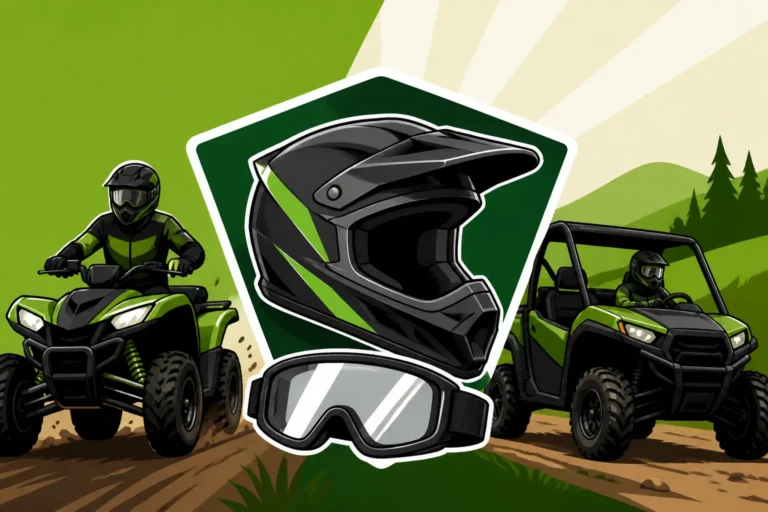
- Full-Face Helmets: These offer the most comprehensive protection, covering your entire head, face, and chin. They are excellent for high-speed riding, protection from roost, and cold weather. Many models come with integrated face shields, which can simplify your eye protection. If you're tackling varied terrain or riding in a UTV where speeds can be higher, a full-face helmet is a fantastic choice.
- Open-Face (3/4) Helmets: These cover the top, back, and sides of your head, but leave your face exposed. They are often favored by riders who prefer more airflow or a wider field of vision, especially in warmer weather or for slower, more technical riding. However, they absolutely require separate eye protection like goggles, and offer no protection for your chin or jaw.
- Off-Road (Motocross) Helmets: Characterized by a pronounced chin bar, a peak (visor) that helps deflect roost and sunlight, and a wide eye port designed to accommodate goggles. These are extremely popular for ATV and dirt bike riding due to their excellent ventilation and specialized protection for aggressive off-road conditions. They also mandate separate eye protection.
- Modular (Flip-Up) Helmets: These offer the versatility of a full-face helmet with the convenience of an open-face. The chin bar and face shield can pivot upwards, allowing for easy communication or quick breaks without removing the entire helmet. While popular for street riding, ensure any modular helmet you choose is certified for ATV/motorcycle use and robust enough for off-road impacts.
When considering accessories for your machine, remember that safety gear is paramount. While companies like SuperATV offer fantastic upgrades for performance and utility, always prioritize your personal protective equipment.
Essential Features for Comfort and Safety
Once you've narrowed down the helmet type, consider these features to maximize your comfort and safety on the trail:
- Fit: This is perhaps the most critical aspect after certification. A helmet must fit snugly, but not uncomfortably tight. It shouldn't shift significantly when you move your head side-to-side or up-and-down. Different brands and models have different head shapes, so try on several until you find one that feels right for you. A poorly fitting helmet, even if certified, won't protect you properly.
- Ventilation: Especially important for Saskatchewan's hot summers and active riding. Look for helmets with adjustable vents that allow airflow to keep you cool and prevent fogging of your visor or goggles.
- Weight: A lighter helmet can reduce neck fatigue on longer rides. While safety is never sacrificed for weight, modern materials allow for excellent protection in lighter packages.
- Visor/Peak: For off-road helmets, the peak helps shield your eyes from sun glare and deflect mud and debris. Make sure it's adjustable or easily removable. For full-face helmets, check the clarity and anti-fog properties of the face shield.
- Interior Liner: Removable and washable liners are a huge plus for hygiene, especially after dusty or sweaty rides. Many higher-end helmets also feature moisture-wicking materials.
- Retention System: The chin strap should be easy to fasten and unfasten but secure enough to prevent the helmet from coming off in an accident. Double D-ring fasteners are common and very secure, while quick-release buckles offer convenience.
- Communication Systems: If you ride in a group or with a passenger, consider helmets that are compatible with or include integrated communication systems. [Saskatchewan Rules for a Side-by-Side Driver] often involve communicating with passengers, and a good comms system can make that easier and safer.
When to Replace Your Helmet
Helmets don't last forever, and knowing when to replace yours is just as important as choosing the right one.
- After an Impact: This is the golden rule. Even if there's no visible damage, the internal energy-absorbing foam can compress and lose its protective capabilities after a single impact. Consider it a single-use item in an accident. Replace it immediately, even if it was a minor drop onto a hard surface.
- Age: Helmet materials, glues, and resins degrade over time due to UV exposure, sweat, and general wear and tear. Most manufacturers recommend replacing a helmet every five to seven years from its manufacture date, regardless of how often it's been used. Check the date of manufacture, often stamped inside the helmet.
- Visible Damage: Cracks in the shell, fraying straps, or excessively worn interior padding are all signs that your helmet's integrity is compromised and it's time for a new one.
Maintaining your helmet with a good cleaning routine and proper storage away from extreme temperatures and harsh chemicals will help extend its life, but always adhere to the manufacturer's recommendations for replacement.
Eye Protection: An Often Overlooked, Crucial Companion
While helmets rightly get a lot of attention, the need for proper eye protection is often underestimated by riders. It's easy to think a pair of sunglasses will do the trick, but Saskatchewan's All Terrain Vehicles Act is quite explicit about the necessity of robust eye protection for a reason. Your eyes are incredibly vulnerable to the elements and hazards encountered during off-road riding, and maintaining clear vision is paramount for safety.
The Law's Stance on Eye Protection
As mentioned earlier, [Saskatchewan Eye Protection Requirements] are mandatory. The Act states that "every person operating or riding as a passenger on an all-terrain vehicle shall wear… goggles, a face shield or other protective device." This isn't just about comfort; it's about preventing serious injury and maintaining the operator's ability to see and react to their surroundings. Without adequate eye protection, you're exposing yourself to a myriad of risks that can lead to vision impairment or even permanent damage.
Consider riding through tall grass or bush: a stray branch could whip into your eye. Or imagine following another rider on a dusty trail: a cloud of grit can quickly obscure your vision, leading to a loss of control. Even insects, which are plentiful in Saskatchewan, can become projectiles at speed. An officer could certainly issue a ticket if you're caught without proper eye protection, but the real cost could be far greater than any fine.
Choosing the Right Goggles or Shields
Just like helmets, not all eye protection is created equal. Here's what to look for:
- Impact Resistance: Your goggles or face shield should be made from shatterproof materials, typically polycarbonate. This is critical for protecting against flying rocks, branches, or other debris.
- UV Protection: Long hours in the sun can damage your eyes. Look for eye protection that blocks 100% of UVA and UVB rays.
- Anti-Fog Features: Fogging is a common and dangerous issue, especially in varying temperatures or during strenuous riding. Many goggles and shields come with anti-fog coatings or designs that promote airflow. Some even have dual-pane lenses.
- Ventilation: Good airflow is necessary not only for preventing fogging but also for comfort, especially if you're wearing an off-road helmet that relies on separate goggles.
- Fit and Comfort: Goggles should fit snugly to your face, sealing out dust and debris without pinching or creating pressure points. They should also integrate well with your helmet.
- Tinting: Different lens tints are available for various light conditions. Clear lenses are best for low light or night riding. Tinted or mirrored lenses are great for bright, sunny days, reducing glare and eye strain. However, be aware of [Saskatchewan Tinted Eyewear at Night] rules, which generally prohibit dark tints after sunset for safety reasons.
- OTG (Over-the-Glasses) Options: If you wear prescription glasses, look for goggles specifically designed to fit comfortably over them. Brands like SuperATV also offer various UTV windshields that can help deflect some wind and debris, but always supplement with proper eye protection for direct impact.
Whether you opt for a full-face helmet with an integrated shield or an off-road helmet paired with high-quality goggles, make sure your choice is up to the task. Don't compromise on clear, protected vision – it's a non-negotiable part of safe ATV and UTV riding in Saskatchewan.
Disclaimer
This article is for general informational purposes only and does not constitute professional advice. Laws, prices and regulations vary by location and change over time. Consult a qualified professional for guidance on your specific situation.