Straps Fastened by the Maker
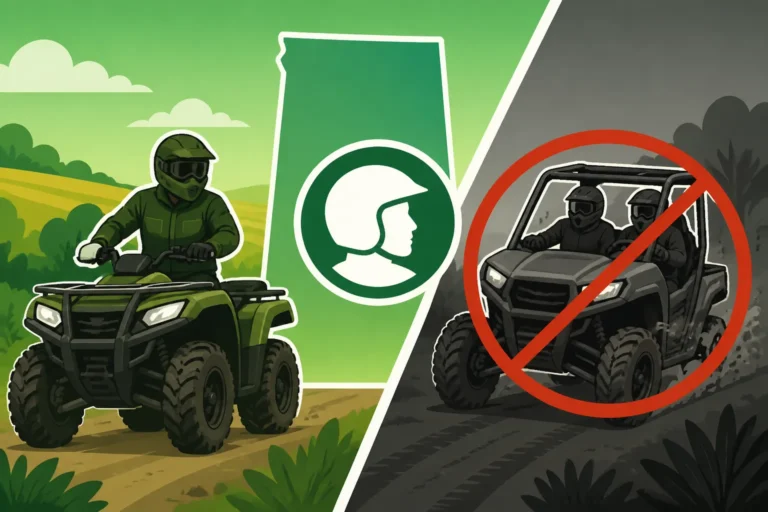
It’s a common sight out on the grid roads and trails of Saskatchewan: a rider with a helmet perched on their head, thinking they’re perfectly compliant with the law. But here’s the thing many don’t realize: simply wearing a helmet isn’t always enough. Our provincial regulations go a step further, and if your helmet straps aren't fastened correctly, you could still be putting yourself at risk and even facing a fine. This guide will dive deep into what it truly means for your helmet straps to be "fastened by the maker" and why this seemingly small detail is absolutely critical for your safety and legal compliance here on the Prairies.
Understanding Saskatchewan's Helmet Law: Beyond Just Wearing It
The intent behind Saskatchewan's ATV helmet law isn't just about making sure a piece of headgear is on your skull. It's fundamentally about protecting your brain – the most important organ you have – in the event of an accident. While many riders conscientiously put on their helmets, the devil is often in the details of how that helmet is secured.
The Spirit of the Helmet Mandate
Think about why we wear helmets in the first place. It's for impact protection, right? To absorb energy and reduce the force of a blow to your head. For a helmet to do its job effectively, it needs to stay put. It can’t fly off your head during a sudden impact or jolt. This fundamental principle is what drives the specific phrasing in our regulations. It's about ensuring the helmet can actually do its job, much like how high-quality parts from companies like SuperATV are designed to perform reliably under demanding conditions, keeping you safe on the trail.
The frustration for many comes from believing they've done their part just by donning the helmet. But the law, and more importantly, physics, requires more. We've all seen riders with chin straps dangling, or so loose you could fit a fist between their chin and the strap. This isn't just a minor oversight; it's a significant compromise of the helmet's protective capabilities. [Saskatchewan ATV Helmet Law] is clear that simply having the helmet on isn't the full story; proper usage is paramount.
What "Straps Fastened by the Maker" Actually Means
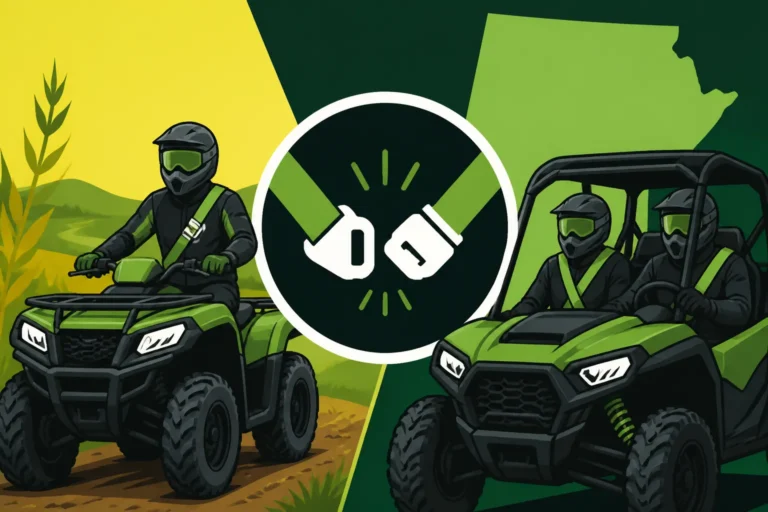
This specific phrase – "straps fastened by the maker" – refers directly to how the helmet's retention system (the chin strap) must be used. It means you must secure the helmet according to the manufacturer's original design and instructions. It's not an invitation to custom-rig a fastening system, nor does it allow for the strap to be so loose that it serves no purpose.
Most helmets come with either a D-ring system or a quick-release buckle. Regardless of the mechanism, the intent is the same: the strap needs to be snug under your chin, without causing discomfort, but firm enough to prevent the helmet from rolling off or shifting excessively. The "maker" designed that strap system for maximum security and protection, and the law simply reinforces the necessity of using it as intended. This also ties into [Saskatchewan Helmet and Eye Protection Rules], which emphasize the holistic approach to rider safety.
The Critical Importance of a Properly Secured Helmet
A helmet, no matter how expensive or highly rated, is only as effective as its fit and how it's secured. This is where the "straps fastened by the maker" rule becomes not just a legal technicality, but a life-saving directive.
Why a Loose Strap is as Bad as No Helmet
Imagine hitting a hidden rut on a remote trail north of Prince Albert, or taking an unexpected tumble while navigating a muddy section in the Porcupine Hills. In such a scenario, the forces at play can be immense. If your helmet strap isn't securely fastened, the helmet can easily be pulled off your head during the initial impact or subsequent jostling. The very moment you need its protection most, it's gone.
It's a harsh reality, but a loose helmet offers little more protection than no helmet at all in a serious crash. It might absorb some initial glancing blows, but it won't be there to protect against direct impact if it's dislodged. The whole point of the helmet is to stay on your head, dispersing energy and cushioning your skull. Without a properly fastened strap, it simply cannot guarantee that. This is why understanding [Why Your Helmet Must Be Built for ATV Use] also includes understanding how to wear it correctly.
Checking Your Helmet Fit and Strap Security
Ensuring your helmet is properly secured isn’t rocket science, but it does require a moment of conscious effort every time you gear up. Here's a quick rundown of how to check:
- Put it on correctly: The helmet should sit level on your head, covering your forehead without obstructing your vision.
- Fasten the strap: Use the D-rings or quick-release buckle as designed. If it's D-rings, ensure you thread it correctly through both rings and then back through one, pulling it taut.
- Tighten the strap: The strap should be snug under your chin. You should be able to slide no more than one or two fingers between the strap and your chin. It should feel firm, not restrictive or painful.
- Perform the "Roll-Off" Test: With the strap fastened, try to roll the helmet off your head from front to back. If it slides off easily or rolls too far back, the strap is too loose, or the helmet is the wrong size.
- Check for Lateral Movement: Try to twist the helmet from side to side. While some slight movement is normal, it shouldn't spin freely on your head.
Remember, helmets come in different shapes and sizes because heads do too. The strap is the final cincher that ensures the helmet, once sized correctly, stays in place. While brands like SuperATV focus on enhancing your machine's capabilities with robust parts, they also implicitly support the need for comprehensive rider safety, knowing that a well-equipped machine needs a well-protected rider. Taking the time to properly secure your helmet is a non-negotiable step in preparing for any ride, whether you're working on the farm or hitting the trails near Candle Lake.
Enforcement and Consequences on Saskatchewan's Trails and Roads
Compliance with the "straps fastened by the maker" rule isn't just about your personal safety; it's also a legal requirement that peace officers in Saskatchewan are trained to enforce. Ignorance of the rule isn't an excuse, and the consequences for non-compliance can extend beyond a simple ticket.
What a Peace Officer Looks For
When a conservation officer in Moose Mountain Provincial Park, or an RCMP officer on a rural grid road, approaches you on your ATV, they're not just checking if you have a helmet. They're looking for full compliance with the law. This includes ensuring your helmet is:
- Worn: It needs to be on your head, not hanging off the handlebars or strapped to your rack.
- Approved: It must meet recognized safety standards (like DOT, Snell, ECE). Officers will often look for the compliance label. [Finding the Compliance Label Inside Your Helmet] is key here.
- Properly Secured: This is where "straps fastened by the maker" comes in. They'll observe if the chin strap is properly buckled and snug. A loose, dangling, or improperly threaded strap will likely catch their eye.
Officers are generally looking for visible signs of non-compliance. If your helmet is visibly loose or unfastened, they have grounds to address it. Their goal is to ensure your safety and the safety of others, and a helmet worn incorrectly defeats a major part of that purpose. This is part of the broader [Saskatchewan Equipment Checks by Officers] that riders can expect.
The Cost of Non-Compliance
Falling short of the "straps fastened by the maker" rule can lead to more than just a stern talking-to. You could face a fine. While specific amounts can vary and change, it’s safe to say that a ticket for improper helmet use is not a pleasant experience and certainly not how you want to end a day of riding. [Saskatchewan Fines Capped at $1,000] gives you an idea of the upper limit for such offences under the All Terrain Vehicles Act.
Beyond the immediate financial penalty, there are other, potentially more severe, implications. In the unfortunate event of an accident where you sustain a head injury and your helmet was not properly fastened, your actions could affect insurance claims. An insurer might argue that you contributed to your injury by not following safety regulations, potentially reducing any payout or making a claim more difficult. This is why having [Saskatchewan Insurance Requirements for Riders] is so important, and why meeting all safety rules supports you in the long run.
Here’s a table summarizing the contrast between proper and improper strap usage:
| Aspect | Properly Fastened Straps | Loose or Improperly Fastened Straps |
|---|---|---|
| Helmet Retention | Stays securely on your head during impact or sudden stops | Can easily shift, come off, or offer minimal protection |
| Impact Absorption | Helmet can absorb and distribute forces effectively | Reduced effectiveness; head may still hit surfaces |
| Legal Compliance | Meets Saskatchewan's "straps fastened by the maker" rule | Fails to meet legal requirements; subject to fines |
| Injury Risk | Significantly reduced risk of head trauma | Increased risk of severe head injuries |
| Insurance Implications | Demonstrates due diligence; supports insurance claims | May compromise insurance claims due to non-compliance |
| Rider Confidence/Comfort | Secure fit provides stability and reduces distraction | Helmet can bounce, obstruct vision, and cause discomfort |
Beyond the Straps: Comprehensive Rider Protection
While fastening your helmet straps correctly is a critical first step, it’s part of a much larger picture of comprehensive rider safety. To truly protect yourself and enjoy the vast landscapes Saskatchewan offers, you need to consider all aspects of protective gear and responsible riding.
Approved Helmet Standards in Saskatchewan
The "straps fastened by the maker" rule assumes you're starting with an appropriate helmet. But what makes a helmet "appropriate"? In Saskatchewan, helmets must meet recognized safety standards. The most common certifications you'll see are:
- DOT (Department of Transportation): This is a US standard, widely accepted in Canada.
- Snell: A more rigorous, voluntary standard often found on higher-end helmets.
- ECE (Economic Commission for Europe): A European standard, also recognized globally.
These certifications ensure the helmet has passed specific tests for impact absorption, penetration resistance, and retention system strength. Always look for one of these labels inside your helmet when buying one. An approved helmet, properly worn, is your best defense. This is precisely what [Saskatchewan Helmet Standards Accepted] dictates. Whether you're exploring aftermarket upgrades from SuperATV or researching a new machine, remember that safety gear like approved helmets is non-negotiable.
Other Essential Protective Gear
Your helmet is crucial, but it’s not the only piece of the safety puzzle. To truly minimize injury risk, especially when riding rough terrain or on the fringes of civilization, you should always wear additional protective gear:
- Eye Protection: Goggles or a shatterproof face shield are mandatory to protect against dust, debris, branches, and insects. Just be mindful of [Goggles or a Shatterproof Shield] and avoid tinted eyewear after sunset.
- Sturdy Footwear: Over-the-ankle boots provide crucial protection for your feet and ankles from impacts, scrapes, and the machine itself.
- Long Pants and Long Sleeves: Durable clothing, even in warm weather, protects your skin from abrasions, branches, and sun exposure. Many riding pants and jerseys offer additional padding. In provincial parks, [Long Pants, Sleeves and Boots Required] is actually a rule, reinforcing good practice.
- Gloves: Protect your hands from blisters, impacts, and provide a better grip.
Think of your gear as an entire system designed to work together to keep you safe. No single piece can do it all, but together, they offer significant protection against the unpredictable nature of off-road riding.
Building a Culture of Safety
Ultimately, the rule about "straps fastened by the maker" is a small but mighty example of how proactive safety measures can prevent serious harm. It’s about cultivating a mindset where safety isn't an afterthought, but an integral part of every ride. As veteran riders, it's our responsibility to lead by example, show new riders the ropes, and gently correct those who might be overlooking these critical details.
This applies whether you're riding with your immediate family on owner-occupied land or with a group of friends exploring the trails around Saskatoon. Every time you throw a leg over your ATV, take that extra moment to ensure your helmet is on correctly, and those straps are fastened by the maker. It's a simple act that could literally save your life and ensure you can continue to enjoy the incredible riding opportunities Saskatchewan has to offer. And remember, in the unfortunate event of an incident, being fully compliant with all safety regulations, including proper helmet use, is also critical for [Saskatchewan Accident Reporting Duties] and any subsequent processes.
Disclaimer
This article is for general informational purposes only and does not constitute professional advice. Laws, prices and regulations vary by location and change over time. Consult a qualified professional for guidance on your specific situation.