No Riding on a Median Under 50 Metres Wide
There's nothing quite like the open road, or more accurately, the open ditch, trail, or grid road, when you're on your ATV or UTV here in Saskatchewan. But sometimes, when you're navigating between fields, heading to a cabin, or just trying to get from one side of a highway to the other, you encounter those tricky road dividers known as medians. It can be incredibly frustrating to see a short strip of grass or pavement separating you from where you need to be, and wonder if it's okay to just zip across or even ride down it for a moment. This guide is here to cut through that confusion, specifically addressing the rules about riding on a median that's less than 50 metres wide, helping you understand what's allowed and, more importantly, what isn't.
Understanding Saskatchewan's Median Rules for ATVs
Riding an ATV or UTV in Saskatchewan comes with a distinct set of operational rules, and while we don't have provincial registration for these machines like some other provinces, it doesn't mean it's a free-for-all when it comes to road use. The provincial government has put clear guidelines in place, particularly concerning public safety and how our machines interact with traditional road traffic. One of those critical rules addresses medians, those strips that divide opposing lanes of traffic, or even just provide a separation for turn lanes. Riders often find themselves in a bind, looking at a shortcut that feels natural but could lead to a ticket.
The Core Prohibition for Shorter Medians
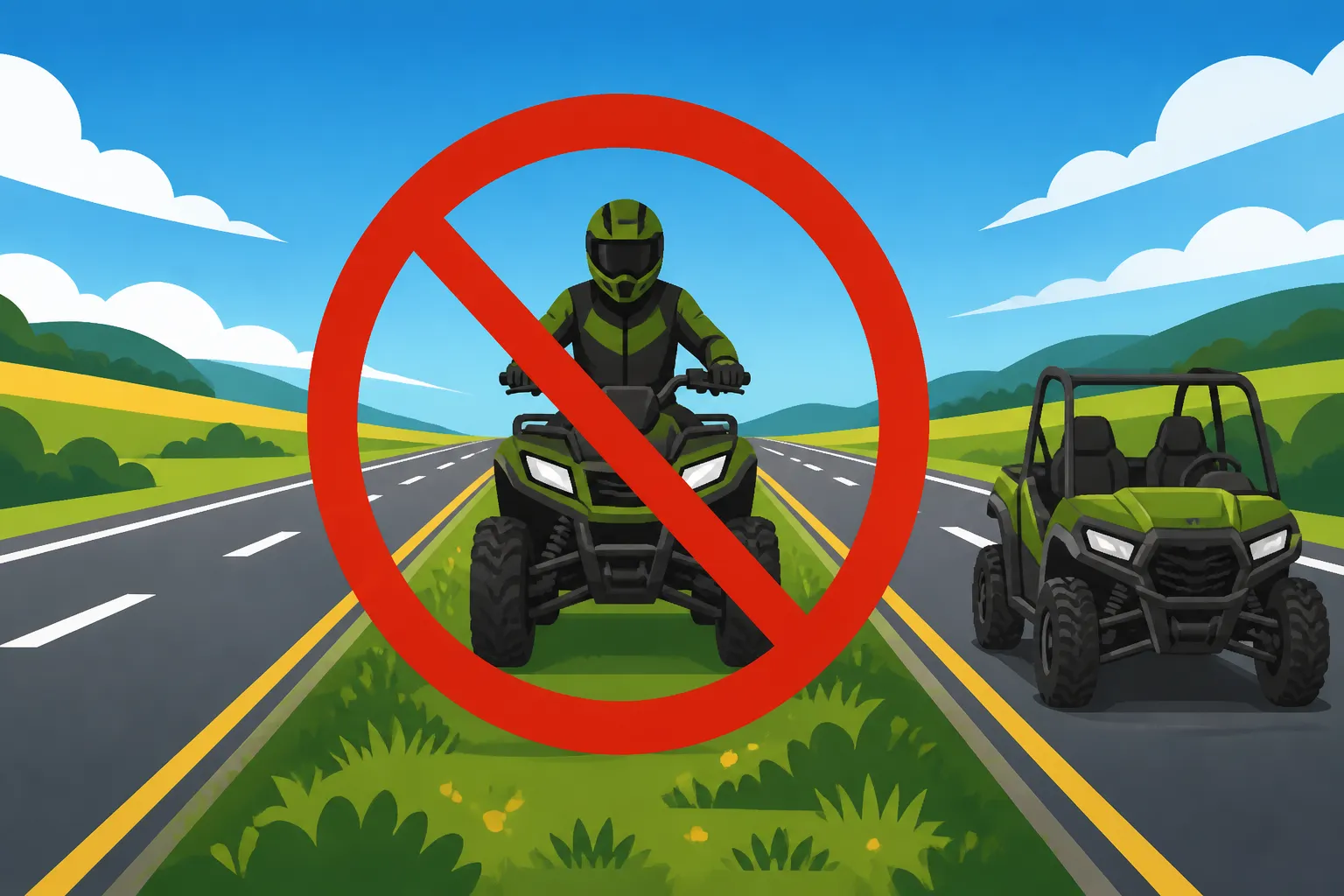
Let's get straight to it: the law in Saskatchewan is quite explicit when it comes to riding on medians that are on the shorter side. You are generally prohibited from operating an all-terrain vehicle on a median if that median is less than 50 metres in length. This isn't just a suggestion; it's a rule designed for everyone's safety, including yours. Think about it: a shorter median means you're much closer to active traffic lanes, and any attempt to ride on it, even for a short distance, dramatically increases the risk of collision with cars, trucks, or other vehicles that aren't expecting an ATV to be there. The intent behind this specific length is to define a practical threshold where the median is simply too confined for safe ATV operation. It's not about being a killjoy; it's about minimizing hazards where vehicle speeds and patterns are unpredictable.
This rule is a common source of frustration for many riders who are just trying to get from point A to point B, especially when rural roads or smaller highway junctions present these seemingly convenient, short median strips. You might see a grassy strip no more than a few car lengths long, separating two turn lanes, and your immediate thought is, "I could just pop across that." But that's exactly the kind of situation this rule targets. Even a brief moment on such a median can put you directly in harm's way, and also put you on the wrong side of the law, potentially leading to a fine under the [Saskatchewan All Terrain Vehicles Act].
Why the 50-Metre Rule Matters to Riders
This 50-metre rule isn't just an arbitrary number; it has significant practical implications for how you plan and execute your rides. For starters, it directly affects your ability to navigate certain intersections or road features. If you're used to finding the most direct path, this rule might force you to reconsider. You can't simply take a diagonal cut across a short median to reach a side road or a property entrance. You'll need to find a designated crossing point or an alternative route that keeps you entirely off the median.
Beyond the immediate safety concerns, ignoring this rule can lead to tangible consequences. A peace officer observing an ATV or UTV being operated on a median under 50 metres can issue a citation. While Saskatchewan doesn't have a provincial ATV registry, enforcement of operational rules is very much a part of their duties. These fines, while not always breaking the bank, are certainly an unwelcome hit to your riding budget. More importantly, getting caught violating traffic laws on your ATV can also impact your driving record, depending on how the provincial authorities link these infractions. It’s also crucial to remember that if an accident were to occur while you were riding illegally on a median, your insurance coverage could be jeopardized, leaving you personally liable for damages. [Saskatchewan Fines Capped at $1,000] highlights the potential financial penalties under the Act.
What Constitutes a "Median" in Saskatchewan?
Understanding the precise definition of a "median" is key to navigating Saskatchewan's road rules safely and legally. When we talk about traffic laws, specific terms often have legal definitions that might be broader or narrower than our everyday understanding. This is especially true for those features on the road that divide traffic streams. It's not always just a wide, grassy expanse you see on a major highway.
Defining a Median Under the Act
In the context of the provincial regulations, a median typically refers to a dividing strip, either paved or unpaved, that separates traffic flowing in opposite directions or separates lanes designated for specific movements, like turning. It's a physical barrier intended to control traffic flow and enhance safety. These can range from wide, landscaped areas with trees and signs to narrow, raised concrete islands or even just a painted line with a small strip of gravel or grass. The critical element isn't necessarily its composition, but its function as a divider between vehicle pathways.
What often confuses riders is the length component. The 50-metre threshold is what makes a median problematic for ATV use. A median that stretches for hundreds of metres might be treated differently in terms of crossing it (though not necessarily riding on it), but the rule specifically targets those shorter dividers where the risk of conflict with conventional vehicles is dramatically higher. This distinction is vital because what looks like a harmless patch of grass to you might legally be considered a median, and if it's short, it's off-limits for riding. This is part of the broader framework of [Saskatchewan ATV Road Rules Explained], which covers many aspects of on-road operation.
Examples of Medians Under 50 Metres
To make this rule more concrete, let's think about some common scenarios you might encounter while riding your ATV or UTV in Saskatchewan:
- Turn Lane Dividers: Imagine approaching a major intersection where a dedicated left-turn lane is separated from the straight-through lanes by a narrow strip of asphalt or painted lines, usually with a small curb or even just a small mound of earth. If this divider is less than 50 metres long before the main intersection, riding on it is prohibited.
- Small Town Intersections: In some smaller towns or villages, the main highway might have a median at a key intersection to help manage turning traffic into a business district or residential area. These medians, particularly where the highway briefly expands to accommodate a turn lane before narrowing again, are often well under the 50-metre mark.
- Gas Station or Driveway Entrances: Occasionally, a larger service station or multi-business complex along a highway might have a median dividing its entrance/exit lanes. If you're trying to cut across this median to access a specific pump or store, and it's less than 50 metres, you're breaking the rule.
- Highway Crossings in Rural Areas: While many rural highways are undivided, some sections might have short medians installed to facilitate safer turns onto grid roads or major farm access routes. If you're navigating a [Saskatchewan Rules for Riding a Grid Road] and encounter such a feature, you must respect the median rule.
It's about observing the environment around you. If you see any strip, natural or constructed, that divides traffic and appears to be shorter than, say, the length of three large semi-trucks, it's a good bet it falls under the "median under 50 metres" category and should be avoided for riding on.
Practical Implications for Your Ride
Navigating Saskatchewan's diverse landscape on your ATV or UTV is a fantastic experience, but it requires more than just knowing where the trails are. It means being acutely aware of the road rules, especially those that differentiate ATVs from other vehicles. The 50-metre median rule is one such distinction that impacts how you plan and execute your rides, particularly when transitioning between trails, private land, and public road allowances.
Planning Your Route to Avoid Violations
The best defense against a ticket, or more importantly, an accident, is good planning. Before you even fire up your machine, especially if you're heading somewhere new or traversing areas with mixed terrain, take a moment to look at a map. Modern GPS units or mapping apps on your phone often allow you to toggle satellite views, which can give you a clear picture of road configurations, including the presence and length of medians. Identify potential problem areas where you might be tempted to cut across a short median.
Instead of relying on a quick, illegal shortcut, plan for legal and safe alternatives. This might mean:
- Making a Legal U-Turn: If a short median prevents you from directly accessing a property, continue past it to the nearest legal turning point or intersection where a U-turn is permitted, or you can make a series of turns to come back around.
- Using Designated Crossings: Some medians, particularly wider ones or those at major intersections, might have designated crossing points or breaks. These are designed for safe passage. Always look for these before attempting any crossing.
- Riding the Ditch (Legally): Remember, riding in the ditch is often a permissible way to travel on public road allowances in Saskatchewan, provided you adhere to the [Saskatchewan Ditch Riding and the 2-Metre Rule] and any local municipal bylaws. You can often use the ditch to bypass a problematic median on the paved road, rejoining the shoulder or another legal riding area when safe to do so. However, the ditch is not a median, and ditch riding rules are separate from median rules.
- Checking Municipal Bylaws: Some municipalities might have specific bylaws regarding ATV operation within their limits. Before riding through a town, especially if you anticipate encountering medians, it's always wise to check the [Saskatchewan Municipal Bylaws on Roads] or utilize a [Saskatchewan Bylaw Lookups Before You Ride] service to ensure you're compliant.
Being prepared with your route also means equipping your machine appropriately. Products from companies like SuperATV, known for their aftermarket accessories, can offer solutions like robust GPS mounts or enhanced lighting that might help with visibility and navigation, though they won't change the rules themselves.
Enforcement and Consequences
It's easy to think that because ATVs aren't provincially registered, enforcement might be lax. This is a dangerous misconception. Peace officers, including RCMP and local police, are well aware of the All Terrain Vehicles Act and are empowered to enforce its provisions. If you're caught riding on a median under 50 metres wide, you can expect to be pulled over.
The immediate consequence will likely be a ticket. As mentioned, the Act allows for fines up to a certain cap, and while specific amounts can vary, it's never a pleasant surprise. But beyond the monetary fine, there are other considerations:
- Insurance Implications: Should an accident occur while you are riding illegally on a median, your insurance company might deny coverage. This could leave you on the hook for significant repair costs for your own machine, medical bills, and any damages or injuries caused to other parties. Understanding [Saskatchewan Owner Liability Rules] is crucial.
- Machine Seizure: In more serious or repeat offenses, an officer might have the authority to seize your machine. While not common for a first-time median infraction, it's a possibility, and getting a seized machine back can be a lengthy and costly process.
- Reputation: Operating your ATV or UTV responsibly helps maintain a positive image for the entire riding community. Flagrant disregard for rules like the median prohibition can contribute to negative public perception, potentially leading to more restrictive bylaws or access limitations in the future.
Peace officers are also trained to perform [Saskatchewan Equipment Checks by Officers]. While this isn't directly related to the median rule, it highlights that a stop for one infraction can easily lead to checks for others, such as proper lighting, helmets, or proof of insurance.
What to Do If You Encounter a Short Median
You're out riding, enjoying the wide-open spaces, and suddenly you realize you need to cross or turn at a spot where a short median presents an obstacle. Your first thought might be to just power through, but as we've discussed, that's not only illegal but also incredibly dangerous. Knowing your options for safe and legal alternatives is paramount.
Safe and Legal Alternatives
When faced with a median that's less than 50 metres long and you need to access something on the other side, here are your best bets:
- Proceed to a Legal Crossing Point: The safest and most common solution is to continue riding until you find an intersection, a dedicated turning lane that doesn't involve a short median, or a break in the median designed for vehicle crossings. Patience is a virtue here; adding an extra minute or two to your journey is always better than risking a ticket or an accident.
- Utilize Road Allowances (Ditches/Shoulders): Where permissible, carefully move your ATV or UTV into the road allowance (the ditch or shoulder) parallel to the main road. If you are following the [Saskatchewan Ditch Riding and the 2-Metre Rule], you can often ride legally in the ditch to bypass the median, and then look for a safe, legal point to cross the road or turn into your destination. Remember to constantly check for traffic and maintain a safe speed.
- Perform a "Shortest Route" Crossing: If you need to cross a highway, even one with a median, the law generally dictates you must do so by the shortest, most direct route, and perpendicular to the highway, after coming to a complete stop and ensuring it's safe. [Saskatchewan Crossings by the Shortest Route] outlines this principle. This does not mean riding on the median, but rather crossing the entire road structure at a safe point. Crucially, [Saskatchewan Crossings Require Passengers to Dismount] before crossing, meaning everyone, except the operator, must get off the machine and walk across.
- Seek Out Local Bylaws for Specific Roads: In some very specific instances, a municipal bylaw might allow for certain road access that could, in rare cases, involve areas near a median. However, these are exceptions, not the rule, and would usually be very clearly marked or publicly advertised. Always verify any such claims through official municipal channels.
The key takeaway is to never put your machine on a median that falls under the 50-metre restriction. It's a hard line for safety and legality.
Equipment That Helps (and Doesn't)
While no piece of aftermarket equipment can make riding on a prohibited median legal, certain accessories can significantly enhance your safety and awareness when navigating roads and planning your legal alternatives.
- Visibility Enhancements: Good lighting, both front and rear, is critical, especially if you find yourself on a shoulder or in a ditch near a busy road. Aftermarket LED light bars or auxiliary lights from brands like SuperATV can make your machine much more visible to other traffic, which is vital when you're looking for a safe place to turn or cross. Remember [Saskatchewan Lighting Requirements on a Machine] for night travel.
- Mirrors: While not always standard on ATVs, mirrors are incredibly useful for situational awareness, letting you see approaching traffic without constantly turning your head. This is invaluable when you're preparing to make a legal turn or cross a road.
- Communication Systems: If you ride with a group, helmet-mounted communication systems allow you to relay information about road conditions, upcoming medians, or planned turns to your fellow riders, improving overall safety and coordination.
- GPS and Mapping Tools: As mentioned, having reliable navigation can help you pre-plan routes that avoid problematic medians. Many trail-focused GPS units also show road details, allowing for real-time adjustments if you encounter an unexpected median.
What doesn't help? Anything that encourages you to believe you can bypass the rule. Super-aggressive tires might make you feel like you can drive over anything, but they won't protect you from a ticket or a collision if you're illegally operating on a short median. Similarly, loud exhausts might get you noticed, but they won't get you a pass from an officer. Safety equipment, like a proper helmet and eye protection, is always a must, but it's for mitigating injury, not preventing the infraction itself.
The bottom line is that safety and legal compliance stem from responsible operation and adherence to the rules. Equipment should supplement safe practices, not replace them.
Median Rules at a Glance: What to Do
Navigating the rules for ATVs and UTVs on public roads can feel like a minefield sometimes. To help clarify, here's a quick reference for common median scenarios you might encounter in Saskatchewan, and how to react responsibly.
| Scenario Encountered | Is it a "Median Under 50 Metres"? | Legal Action for ATV/UTV Riders | Potential Consequence of Non-Compliance |
|---|---|---|---|
| Narrow grass strip separating turn lanes | YES | DO NOT ride on it. Continue to the next legal turn or crossing point. Utilize the adjacent ditch/shoulder if permissible and safe (adhering to the 2-metre rule) to bypass the median, then look for a safe entry point. | Fine for illegal operation, increased risk of collision with turning traffic, potential insurance void if an accident occurs. |
| Raised concrete island at intersection | YES | DO NOT ride on it. Treat it as an impassable barrier. Proceed to a full stop and cross the entire roadway at the shortest, safest point, ensuring all passengers dismount. Avoid attempting to "jump" or drive over the curb. | Fine, damage to machine, high risk of accident with cross-traffic, severe personal injury. |
| Wide, landscaped median over 50 metres long | NO (by definition) | While not prohibited due to length, generally avoid riding on any median. If crossing is necessary and safe, ensure it's at a designated break or by the shortest legal route. Always prioritize crossing the roadway itself over riding along the median. | While the 50m rule doesn't apply, riding on any median could still be interpreted as unsafe operation or trespass, leading to other fines or issues. Always be cautious. |
| Painted lines separating turning lanes (no physical barrier) | NO (not a physical median) | This is typically just a lane marking. Treat it as such. You should still only operate your ATV in designated areas (ditch, shoulder, or legal road crossing). Do not ride in a painted turning lane unless explicitly allowed by municipal bylaw and it's safe to do so. | Operating illegally on a paved road, impeding traffic flow, potential fines, and increased risk of collision. |
| Dirt/gravel median on a rural road | Varies by length | If under 50 metres, DO NOT ride on it. If longer, still generally avoid riding on it. If you need to change direction, look for safe turnarounds or use legal ditch riding areas. Always proceed with extreme caution, watching for concealed obstacles and other vehicles. | If under 50 metres, fine. Regardless of length, riding on an unmaintained median can lead to machine damage, personal injury from hidden hazards, and still carries a risk of traffic interaction. |
Conclusion
Riding your ATV or UTV across the vast and beautiful landscapes of Saskatchewan is an unparalleled joy, but it comes with the responsibility of understanding and respecting the rules of the road. The prohibition against riding on a median under 50 metres wide isn't just a technicality; it's a critical safety measure designed to protect you and other road users from potential harm.
By being mindful of this specific rule, planning your routes effectively, and opting for legal and safe alternatives like utilizing designated crossing points or permissible ditch riding, you ensure that your adventures remain fun and free from unnecessary complications. Staying informed about regulations, being visible to others, and practicing responsible riding habits are the best ways to enjoy everything Saskatchewan has to offer, keeping the spirit of exploration alive without compromising safety or legality.
Disclaimer
This article is for general informational purposes only and does not constitute professional advice. Laws, prices and regulations vary by location and change over time. Consult a qualified professional for guidance on your specific situation.