Buying an ATV Policy Straight From a Broker
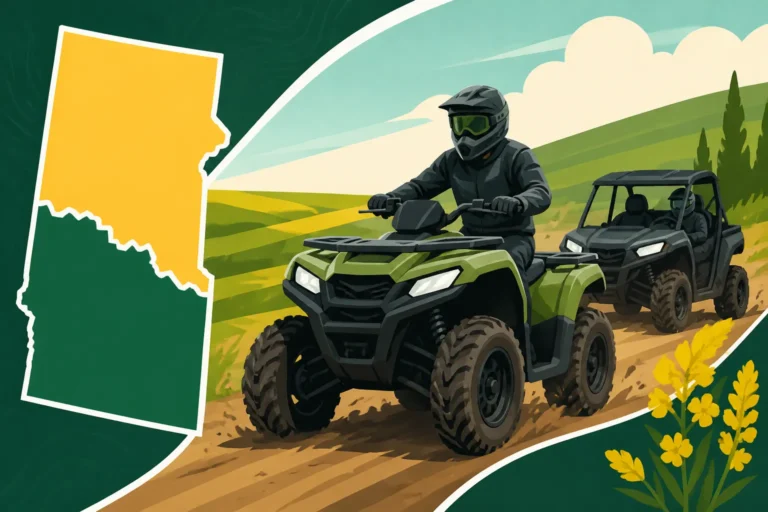
It can be incredibly frustrating to navigate the world of ATV and UTV insurance here in Saskatchewan, especially when you realize your existing home or auto policy might not truly protect your beloved off-road machine. Many riders assume they’re covered, only to discover a huge gap in their protection after an accident or theft. This guide is here to walk you through why a dedicated ATV policy, secured straight from a broker, is often your best bet, detailing the types of coverage available and how to make the process as smooth as possible.
Why a Dedicated ATV Policy Through a Broker Makes Sense in Saskatchewan
Riding an ATV or UTV across Saskatchewan’s varied terrain, from the northern bush to our vast network of grid roads and ditches, is an exhilarating experience. But like any adventure, it comes with risks. It’s a common misconception that your regular insurance policies will automatically extend to cover your off-road machine, and finding out otherwise after an incident can be a truly devastating and expensive lesson.
The Limitations of Home or Auto Policies
Let's be honest, we all love a good deal, and the idea of saving a few bucks by bundling everything under one policy can be tempting. However, when it comes to ATVs and UTVs, relying solely on your existing home or auto insurance can leave you with significant blind spots. Most standard home insurance policies offer extremely limited, if any, coverage for recreational vehicles, especially when they're used off your property. They might cover theft from your property, but if your quad is stolen from a remote cabin or a provincial park trailhead, you could be out of luck. Similarly, auto insurance is designed for on-road vehicles. While some policies might offer a tiny sliver of third-party liability if you're briefly crossing a highway, they almost never cover damage to your ATV itself, nor extensive liability if you're involved in an off-road collision. Imagine rolling your side-by-side in a ditch, or worse, colliding with another rider on a trail. If you’re relying on your auto policy, you’d likely find yourself paying for repairs and potential injury claims entirely out of your own pocket. This can feel like a punch to the gut when you thought you were doing everything right.
Understanding Saskatchewan's Minimum Insurance Requirement
Saskatchewan has specific rules for operating ATVs and UTVs, and insurance is definitely one of them. The All Terrain Vehicles Act, which has been around since 1988, clearly states that any person operating an ATV in Saskatchewan must have at least $200,000 in third-party liability insurance. This isn't just a suggestion; it's the law. An officer can ask to see proof of this at any time, whether you're ripping through the forest or cautiously navigating a grid road. While $200,000 might seem like a lot of money, in today's world of escalating medical costs, vehicle repair bills, and legal fees, it can vanish surprisingly quickly in a serious accident. Just imagine a scenario where you're involved in a collision that causes significant injury to another person, or extensive property damage to, say, a valuable piece of farm equipment. That minimum coverage could be quickly exhausted, leaving you personally responsible for the remainder. This is precisely why most riders opt for much higher liability limits, often $1 million or even $2 million, to truly protect their assets. A good broker will always discuss these limits with you, ensuring you understand the implications and can make an informed decision for your peace of mind. For more on what's legally required, you can check out [Saskatchewan Insurance Requirements for Riders] and [Saskatchewan's Minimum Insurance Requirement].
The Broker's Advantage: Expertise and Options
When you decide to get serious about protecting your ATV or UTV, bypassing the direct-to-consumer insurers and heading straight to a local insurance broker is one of the smartest moves you can make. Think of a broker not just as a salesperson, but as your personal guide through the often-complex world of insurance. Unlike an agent who works for a single company, a broker works for you. They have access to policies from multiple insurance providers, including those specializing in recreational vehicles that you might never find on your own. This means they can shop around on your behalf, comparing different coverages, deductibles, and prices to find a policy that perfectly fits your specific needs and budget.
Furthermore, a good broker understands the nuances of Saskatchewan's regulations and the unique risks associated with off-road riding. They can explain complex terms, highlight potential exclusions, and ensure you’re not only meeting legal requirements but are also adequately protected for your particular riding style, whether you’re a weekend warrior, a utility user, or a hardcore trail enthusiast. They know which companies offer the best rates for a sport quad versus a utility UTV, and they can advise on how to cover those expensive aftermarket modifications, like a SuperATV lift kit or a heavy-duty winch, so you don't find yourself underinsured if something goes wrong.
Types of Coverage You Can Expect in a Standalone ATV Policy
A standalone ATV insurance policy offers a comprehensive shield, specifically tailored to the unique risks of off-road adventures. It moves beyond the bare minimum, ensuring that both you and your machine are well-protected against the unexpected.
Liability Coverage: Protecting Your Wallet (and Assets)
This is the cornerstone of any good ATV insurance policy, and it's also the only type of coverage mandated by Saskatchewan law. Liability insurance is designed to protect you financially if you're found legally responsible for an accident that causes injury to another person or damage to their property. Let's say, for example, you misjudge a turn on a gravel road and clip a farmer’s fence, or worse, accidentally cause a collision with another rider, resulting in medical bills and property damage for them. Your liability coverage would step in to cover these costs, up to your policy limits.
As mentioned earlier, while the minimum required by law is $200,000, most seasoned riders and smart owners opt for higher limits – typically $1 million or even $2 million. Why? Because the actual costs associated with serious injuries or extensive property damage can quickly climb far beyond that $200,000 mark. If your liability limits are exhausted, you could be personally sued for the remaining balance, potentially putting your savings, home, and other assets at risk. This is why discussing adequate liability limits with your broker is paramount. They can help you understand the exposure based on your lifestyle and assets. When an officer asks for proof of insurance, it's typically this liability coverage they're looking for, so make sure you always have it readily accessible. For deeper insight into what you need to show, refer to [Saskatchewan Insurance Proof on the Trail] and [Saskatchewan Liability Claims After a Crash].
Collision and Comprehensive: Protecting Your Machine
While liability covers others, collision and comprehensive coverage are all about protecting your own ATV or UTV. These are optional but highly recommended additions, especially if your machine is new, valuable, or still has an outstanding loan.
-
Collision Coverage: This covers the cost of repairing or replacing your ATV if it's damaged in an accident, regardless of who is at fault. This could be a rollover in a ditch, a collision with a tree, or an impact with another vehicle or object. If you've ever seen the damage after a quad takes a tumble, you know repairs can quickly rack up. Having collision coverage means you're not solely responsible for these potentially high costs, beyond your deductible. Imagine you're out exploring some rugged terrain, perhaps a challenging area near Prince Albert, and you misjudge a rocky climb, resulting in a tumble. Collision coverage would be your safety net here.
-
Comprehensive Coverage: This is your protection against non-collision incidents. Think of events like theft, vandalism, fire, hail, floods, falling objects (like a tree branch), or even striking an animal. If your prized SuperATV-equipped side-by-side gets stolen from your yard or cabin, or sustains damage in a fire, comprehensive coverage would kick in. These unexpected events are unfortunately common in Saskatchewan, and having comprehensive coverage can save you from a major financial hit.
Both collision and comprehensive coverage come with a deductible – the amount you pay out of pocket before your insurance coverage begins. Your broker can help you choose a deductible that balances your premium cost with what you're comfortable paying if you need to make a claim. For example, a higher deductible usually means a lower monthly premium, but you'll pay more upfront if you have an incident. Consider the total [Saskatchewan Insurance Cost Per Year] when making these decisions.
Additional Riders and Endorsements for Peace of Mind
Beyond the core liability, collision, and comprehensive coverage, brokers can also help you add specific endorsements or "riders" to customize your policy even further. These are crucial for addressing unique scenarios and protecting your specific investment.
-
Uninsured/Underinsured Motorist Coverage: This protects you if you're involved in an accident with another rider who doesn't have insurance, or whose insurance isn't enough to cover your damages and injuries. It's a sad reality, but not everyone follows the rules, and this endorsement acts as your fallback.
-
Medical Payments/Personal Injury Protection (PIP): This coverage helps pay for your medical expenses and, in some cases, lost wages, regardless of who was at fault for the accident. While your provincial health coverage handles much of this, there can be gaps, and PIP can cover those additional costs like ambulance rides, physiotherapy, or prescription medications.
-
Accessory and Modification Coverage: Many ATV and UTV owners love to customize their machines with aftermarket parts – a new winch, LED light bars, a snow plow, or specialized tires. If you've invested in these upgrades, especially performance parts from a brand like SuperATV, you'll want to ensure they're covered. Standard policies might only cover your machine as it came from the factory, so a specific endorsement is vital to protect the full value of your investment. Make sure to discuss all your additions with your broker.
-
Trailer Coverage: If you haul your ATV or UTV to different riding spots, you might consider adding coverage for your trailer. While your auto insurance might offer some basic liability for the trailer when it's attached to your vehicle, it typically won't cover damage to the trailer itself if it's involved in an accident or stolen when unhitched.
The Process of Working With a Saskatchewan Insurance Broker
Working with an insurance broker in Saskatchewan is generally a straightforward and customer-focused experience. They streamline the often-confusing process, acting as your advocate and expert guide.
Gathering Your Information: What a Broker Needs to Know
Before you even step foot in a broker's office or make that first phone call, it's a good idea to gather some key information about yourself and your machine. This preparation will help your broker provide the most accurate quotes and tailored advice. They’ll typically ask for:
- Your Personal Details: This includes your full name, address, date of birth, and driver’s license number. Your driving record, including any traffic violations or previous claims, will also play a role in determining your premium.
- Machine Details: This is where you’ll need to provide specifics about your ATV or UTV. Have the make, model, year, and Vehicle Identification Number (VIN) ready. They'll also want to know its current market value, any significant modifications or aftermarket accessories you’ve added (like a SuperATV brush guard or portal gears), and its primary use (recreational, farm use, commercial). If you're buying a used machine, having a bill of sale can be very helpful, even though Saskatchewan doesn't have a formal registration system for ATVs. While you don't need a registration, knowing how to prove ownership is important, as covered in [Saskatchewan Proof of Ownership on the Trail].
- Riding Habits: Be honest about how you use your machine. Do you mostly ride on your own private land, stick to designated trails, or frequently use grid roads and ditches? How often do you ride, and in what seasons? Do you participate in organized club rides or poker runs? This information helps the broker assess your risk profile accurately.
- Existing Insurance Policies: If you have other policies (home, auto, life) with the same broker or through the same company they represent, you might qualify for multi-policy discounts.
Getting Quotes and Comparing Options
Once your broker has all your information, they get to work. Their job is to tap into their network of insurance providers, presenting your details to various companies that offer ATV insurance in Saskatchewan. This is where the broker's value truly shines, as they do all the legwork for you, saving you countless hours of research and phone calls.
They'll come back with several quotes, each detailing different coverage levels, deductibles, and premiums. Your broker will then sit down with you (virtually or in person) to explain each option in clear, understandable language, highlighting the pros and cons of each policy. They'll break down:
- Coverage Limits: The maximum amount the policy will pay out for various types of claims.
- Deductibles: The amount you'll pay out-of-pocket before the insurance kicks in for collision or comprehensive claims.
- Exclusions: Any specific situations or items that are not covered by the policy.
- Premium: The cost of the policy, usually broken down into monthly or annual payments.
This comparison process is crucial. It allows you to see how different providers stack up, not just on price, but on the quality and breadth of their coverage. A cheaper policy might have significant exclusions, while a slightly more expensive one might offer much better protection for your specific needs. They can also explain any specific [Saskatchewan Insurance Deductible Choices] and how they impact your premium.
Here’s a simplified table comparing common ATV insurance coverage types:
| Coverage Type | What it Covers | Why it's Important |
|---|---|---|
| Third-Party Liability | Damages/injuries you cause to others or their property. | Mandatory by law; protects your assets from legal claims. |
| Collision | Damage to your ATV from an accident (rollover, impact). | Covers repairs/replacement of your machine after a crash. |
| Comprehensive | Damage to your ATV from non-collision events (theft, fire, vandalism, animal strike). | Protects against unpredictable events outside of riding accidents. |
| Uninsured/Underinsured Motorist | Your damages/injuries if caused by a rider with no or insufficient insurance. | Protects you when the other party can't pay. |
| Medical Payments/PIP | Your medical expenses regardless of fault. | Helps cover gaps in provincial health coverage after an accident. |
| Accessory/Modification | Damage/loss to aftermarket parts (winch, lights, etc.). | Ensures your investment in upgrades (e.g., SuperATV parts) is covered. |
Finalizing Your Policy and What to Expect Next
Once you've chosen the policy that best suits your needs, your broker will help you finalize the paperwork. This includes reviewing the policy document in detail, making sure you understand all the terms and conditions. Don't hesitate to ask any last-minute questions; that's what your broker is there for!
After signing, you'll arrange for payment, which is typically monthly or annually. Your broker will then provide you with your proof of insurance – a physical card or digital document that you must carry with you whenever you're operating your ATV. Remember, an officer can request this at any time, so keeping it handy is crucial. [Saskatchewan Insurance Proof on the Trail] is a must-have for every rider.
Should you ever need to make a claim, your broker will often be your first point of contact and can guide you through the process, acting as an intermediary between you and the insurance company. This support can be invaluable during what can be a stressful time.
Common Questions and Expert Tips for Saskatchewan ATV Riders
Even after securing a policy, you might still have questions about maximizing your coverage and minimizing your costs. Here are some answers to common queries and insider tips for Saskatchewan ATV riders.
Understanding Your Deductible Choices
Choosing your deductible is a balancing act between your monthly premium and the out-of-pocket cost you'd face if you have to make a claim. A deductible is the amount you agree to pay towards a covered loss before your insurance company starts paying. For example, if you have a $500 deductible and your ATV suffers $3,000 worth of damage in a collision, you would pay the first $500, and your insurance company would cover the remaining $2,500.
Generally, the higher your deductible, the lower your monthly or annual premium will be. This can be appealing for riders who are confident in their riding skills and use their ATV infrequently, or those who have sufficient savings to cover a larger upfront cost in case of an incident. Conversely, a lower deductible means you’ll pay less out-of-pocket if you make a claim, but your regular premiums will be higher. Your broker can help you evaluate your financial situation and risk tolerance to select a deductible that makes sense for you. Consider your own budget for [Saskatchewan Insurance Cost Per Year] and how a deductible fits into that.
Discounts That Can Save You Money
Insurance doesn't have to break the bank, and there are several ways to reduce your ATV insurance premiums. A knowledgeable broker will proactively look for these discounts on your behalf:
- Multi-Policy Discounts: Bundling your ATV insurance with your home, auto, or even life insurance policies from the same provider can often lead to significant savings across all your premiums. It's a win-win for both you and the insurer.
- Safety Course Completion: Completing an approved ATV safety course not only makes you a more skilled and safer rider but can also qualify you for a discount on your insurance. It shows the insurer you're committed to responsible operation. Your broker can advise on [Saskatchewan Safety Course Providers].
- Club Memberships: Belonging to recognized ATV clubs or associations, such as the Saskatchewan All-Terrain Vehicle Association (SATVA), can sometimes net you a discount. These organizations often partner with insurance providers to offer exclusive rates to their members. For example, some members can get [The 12.5 Percent Insurance Discount SATVA Members Get].
- Loyalty Discounts: Staying with the same insurance provider for an extended period can sometimes earn you loyalty discounts.
- Seasonal Storage Discounts: If you only ride your ATV during specific seasons, such as spring to fall, some insurers offer discounts for periods when your machine is stored and not actively in use. This could significantly reduce your premiums during the long Saskatchewan winters. Talk to your broker about [Saskatchewan Storage Costs Over Winter] options.
- Anti-Theft Devices: Installing approved anti-theft devices, like a tracking system or an alarm, can also lead to discounts, as it reduces the risk of your machine being stolen.
Always ask your broker about every potential discount available. Every little bit helps!
What Happens During a Claim and How to Prepare
No one ever wants to make an insurance claim, but knowing the process can reduce stress if the unfortunate happens. Your broker is your best ally here.
- Safety First: After any incident, ensure everyone is safe and call for emergency services if needed.
- Document Everything: Take photos of the scene, damage to all vehicles involved, and any injuries. Get contact information for witnesses and other parties. If police are involved, get a report number. This documentation is crucial for [Saskatchewan Accident Reporting Duties].
- Notify Your Broker (or Insurer): Contact your broker as soon as possible after the incident. They will guide you through the specific claims process for your insurer. Be prepared to provide all the details you've gathered.
- Cooperate with the Adjuster: An insurance adjuster will be assigned to your claim. They will investigate the incident, assess the damage, and determine the payout. Be honest and provide all requested information promptly.
- Repairs or Settlement: If your machine is repairable, you'll get estimates. If it's a total loss, the insurer will offer a settlement based on its actual cash value or replacement cost, depending on your policy.
It's vital to remember that even without a provincial ATV registration or plate, your insurance claim is still valid. The absence of a registry does not negate your insurance coverage, as long as you were legally compliant with other aspects of the Act. For more on this, check out [Saskatchewan Insurance Claims Without a Plate].
Disclaimer
This article is for general informational purposes only and does not constitute professional advice. Laws, prices and regulations vary by location and change over time. Consult a qualified professional for guidance on your specific situation.