Taking an ATV Course From a Safety Council
An ATV course in Saskatchewan may qualify some young riders to ride without a supervisor, but verify approval; training is not a permit or insurance.
Your sticker stops at the state line.
Non-resident permits, what they cost and how long they last, and which states honor each other’s — or, increasingly, none at all.
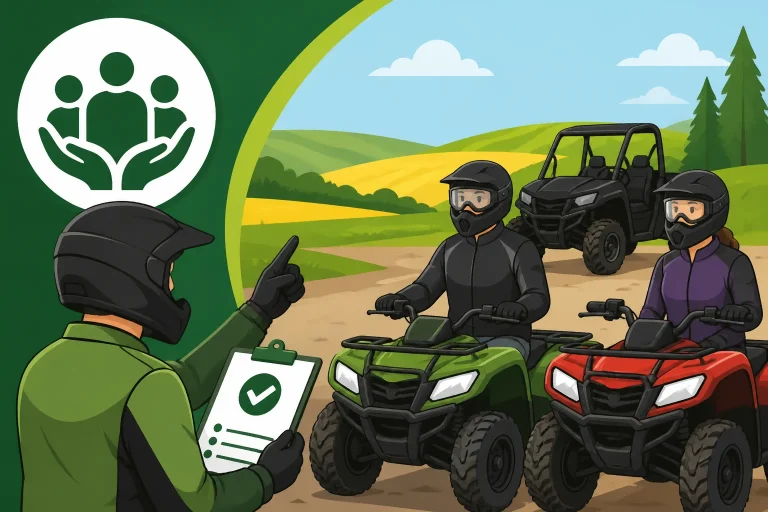
An ATV course in Saskatchewan may qualify some young riders to ride without a supervisor, but verify approval; training is not a permit or insurance.
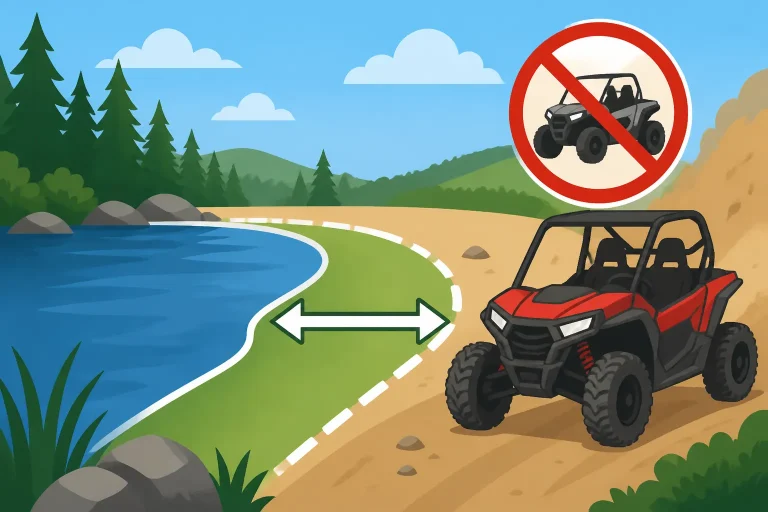
The 10-metre ATV setback applies at Anglin, Christopher, Emma and McPhee lakes; a municipal plate does not override local shoreline restrictions.
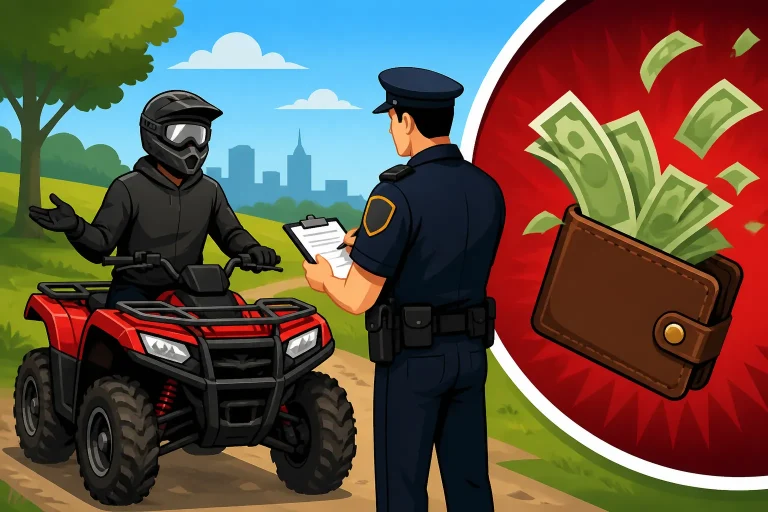
Saskatchewan’s $300 no-plate fine is local, not province-wide; check municipal bylaws, plate coverage, and route access before riding an ATV or UTV.
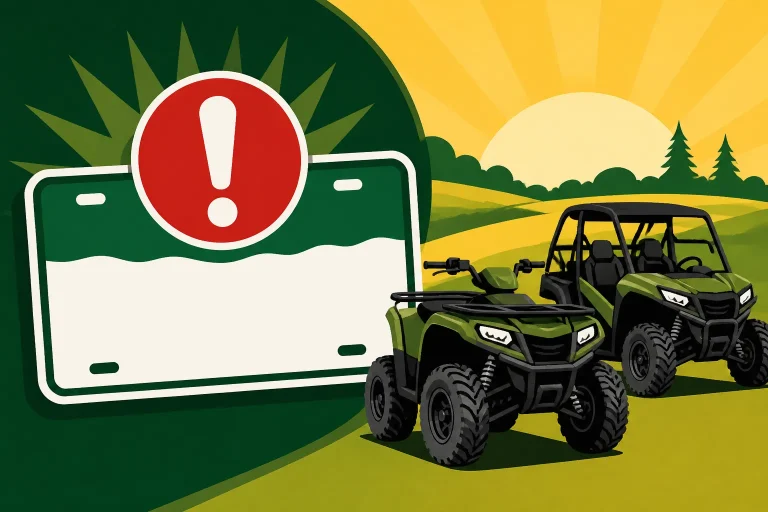
Lakeland ATV plates expire April 30 each year, so confirm renewal steps, local coverage, and riding rules before heading out after the deadline.

A Saskatchewan municipal ATV plate covers only machine types and areas named by local rules; confirm eligibility, location, and permit conditions before riding.
Renewing a Lakeland quad plate before April 30 keeps local authorization current, but riders must also check boundaries, insurance and bylaws.
Saskatchewan Crown land ATV and UTV organized rides require event permits, leaseholder consent, and route checks.
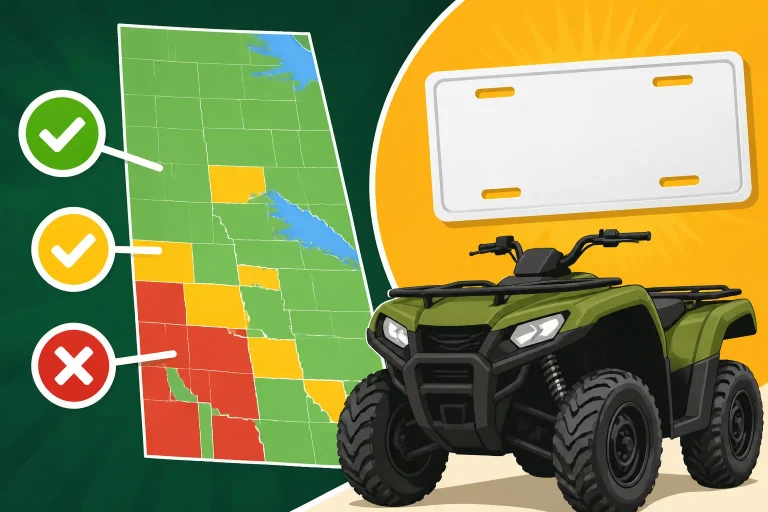
Saskatchewan quad plates are local, not provincial: check the issuing municipality’s area, eligibility, costs and renewal rules before riding.
Saskatchewan park ATV and UTV access depends on designated routes, permits, insurance, age rules and park-specific closures—not province-wide permission.
Saskatchewan ATV and UTV permits depend on where you ride: parks, municipalities and landholders set separate access rules, not one province-wide pass.