Saskatchewan Trail Etiquette Locals Expect
Saskatchewan ATV and UTV trail etiquette explains how to protect shared routes, respect wildlife, and safely share paths.
The map is not the permission.
National forest and BLM routes, state OHV parks, and club trails crossing private land — with the closures and passes that decide whether today counts.
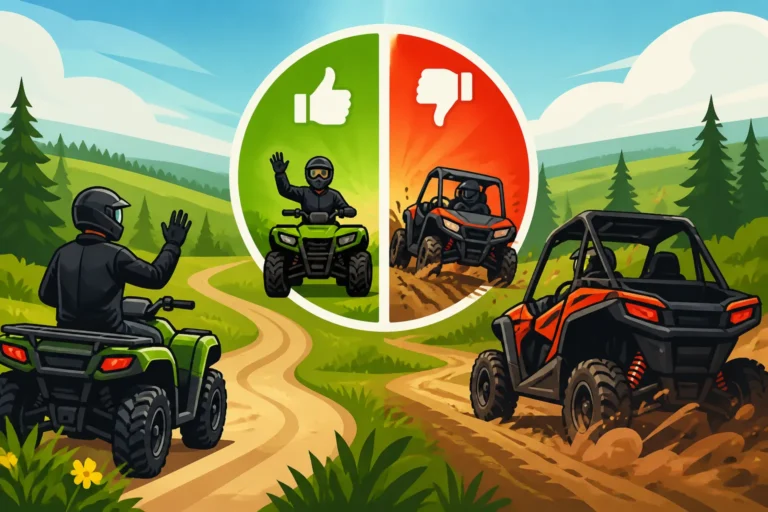
Saskatchewan ATV and UTV trail etiquette explains how to protect shared routes, respect wildlife, and safely share paths.
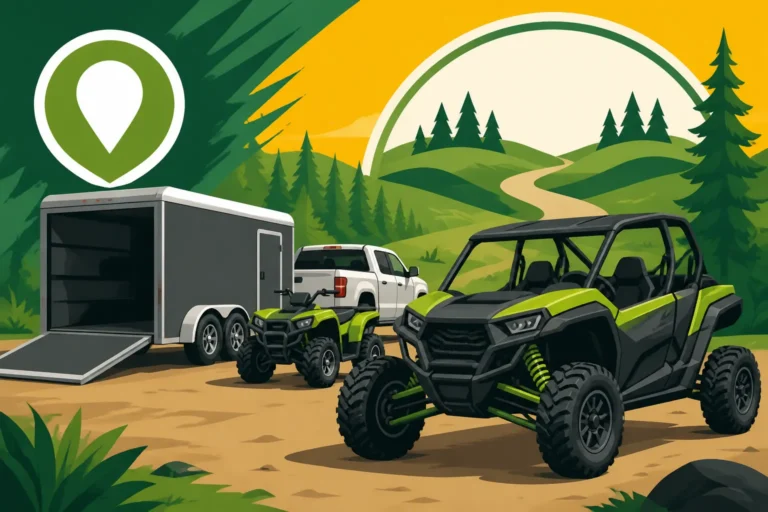
Saskatchewan trailheads with trailer parking require checking access points, turnarounds, and local rules before hauling quads to parks.

Saskatchewan cell coverage for riders explains how to assess mobile signal, expect gaps, and prepare before heading out.
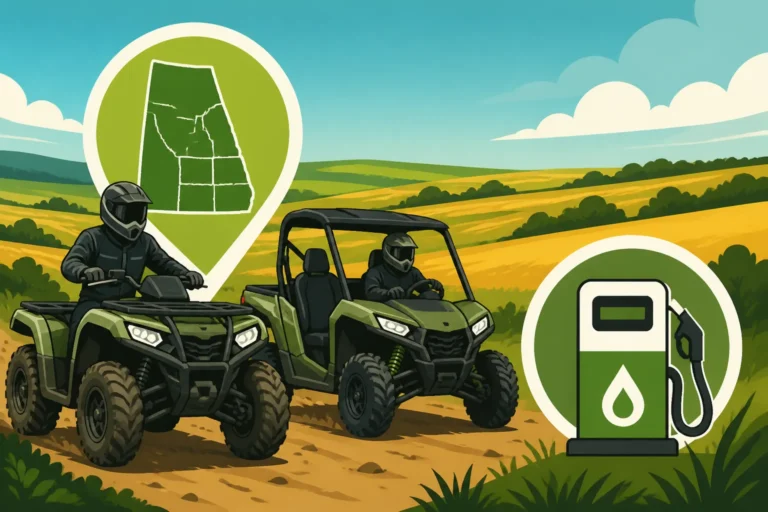
Saskatchewan ATV riding areas require careful fuel planning because stations are often far away and hours vary.
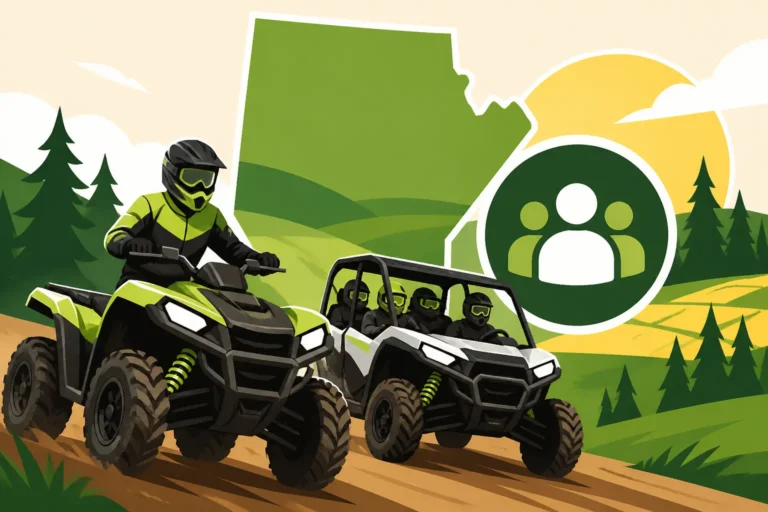
Saskatchewan riding areas with group space require proper trailer parking, safe unloading zones, and suitable trails.
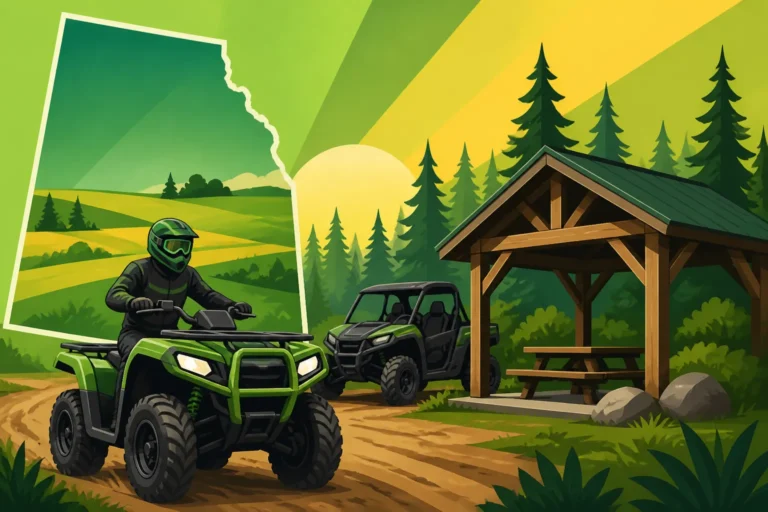
Saskatchewan trail shelters and Moose Mountain Provincial Park routes explain how to check access, heating, and packing needs before riding.
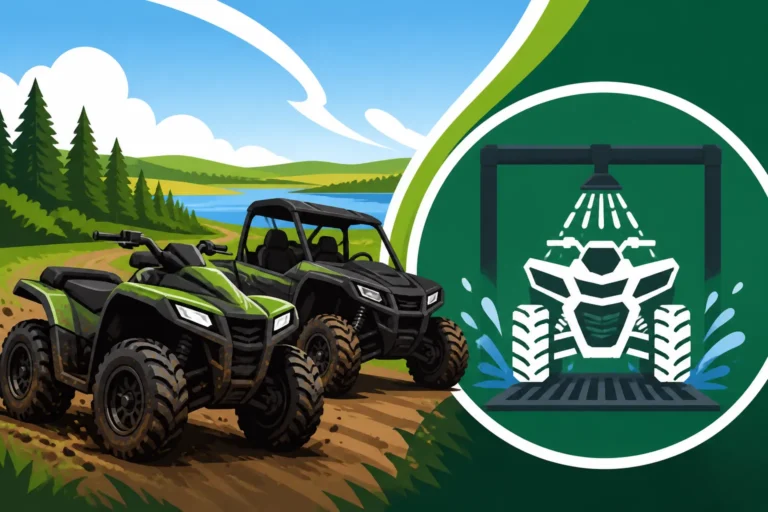
Saskatchewan ATV wash stations require advance checks to confirm locations, equipment, operating hours, and proper drainage before hauling machines.
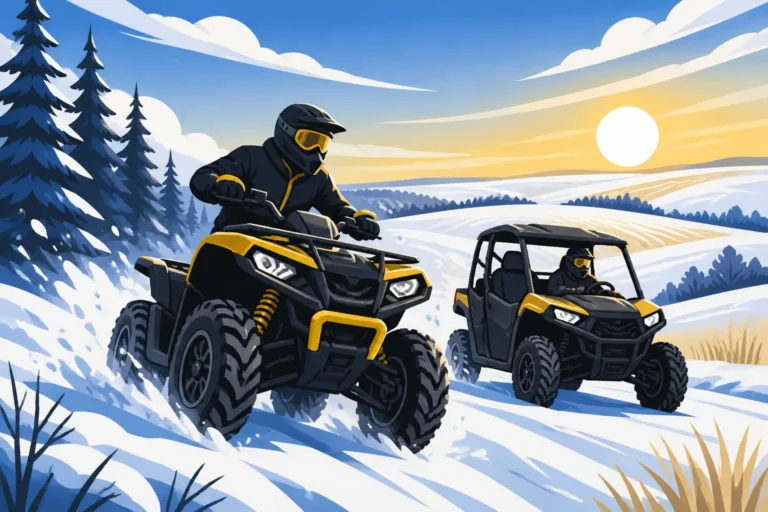
Winter ATV riding in Saskatchewan requires checking seasonal trail access, land ownership rules, and ice safety conditions before departure.
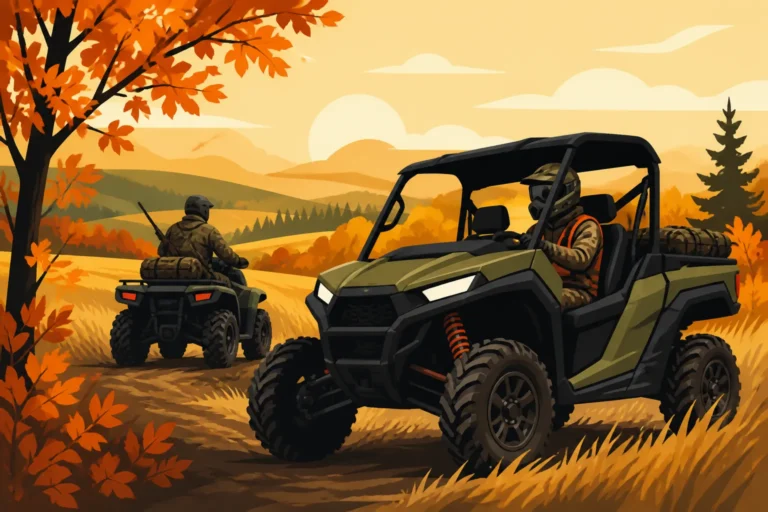
Saskatchewan ATV and UTV trail riding during fall hunting season requires checking land access rules and avoiding conflicts.
Saskatchewan summer riding strategies explain how to choose trail areas, verify local conditions, and navigate rules safely.