Filing a Written Crash Report With an Officer
Crashes are an unfortunate reality of riding, and when you’re out enjoying the vast landscapes of Saskatchewan on your ATV or UTV, knowing exactly what to do if an accident occurs isn't just good practice—it's a legal and ethical imperative. Many riders understandably feel a bit uncertain about the specific protocols, especially given that ATVs aren't provincially registered here. This guide will meticulously walk you through the process of understanding your duty to report, taking immediate actions at the scene, preparing for and submitting a written crash report to a peace officer, and dispelling common misconceptions, ensuring you're fully equipped to handle such a stressful situation.
Understanding Your Duty to Report an ATV or UTV Accident in Saskatchewan
It's easy to think of an ATV or UTV accident as something minor, a mere inconvenience when you're far from paved roads. However, the reality is that any incident involving an off-road vehicle can have serious consequences, from personal injury to significant property damage. Saskatchewan's All Terrain Vehicles Act (and other related legislation) lays out clear responsibilities for operators and owners following a crash, and understanding these duties is your first line of defense against further complications. Ignoring these obligations can lead to fines, legal headaches, and even more serious charges.
The reason reporting matters so much boils down to a few key areas: legal compliance, insurance requirements, and public safety. Legally, certain types of accidents must be reported to a peace officer. For your insurance, a formal report is almost always a non-negotiable step to process a claim, especially if there are injuries or substantial damage. And from a public safety perspective, ensuring incidents are documented helps authorities understand accident patterns, improve trail safety, and maintain a record for any potential future investigations.
When is a Written Report Absolutely Necessary?
Not every bump and scrape on the trail requires a full written report from an officer, but knowing the threshold is critical. In Saskatchewan, the general rule of thumb for any vehicle accident (including ATVs and UTVs) that necessitates a formal police report typically involves:
- Any incident resulting in injury or death to a person. This is paramount. If someone is hurt beyond a minor bruise, reporting is mandatory.
- Damage to property, including your own machine, another vehicle, or fixed objects (like fences, signs, or structures), where the aggregate damage appears to exceed a certain value. While specific figures can fluctuate and should always be confirmed with local authorities or your insurance, it’s safer to err on the side of reporting if damage is visibly significant.
- Involvement of another vehicle or person, even if injuries seem minor at first glance. A collision with another quad, a fence on private land, or a parked car on a grid road definitely warrants a report.
Consider a scenario where you're riding your UTV on Crown land and misjudge a corner, causing your machine to roll. You're fine, but your UTV is significantly damaged – say, a bent frame, shattered windshield, and a damaged roll cage. Even though no one else was involved, the extensive property damage to your own machine would likely cross the threshold for a reportable accident. Conversely, if you simply tip over at low speed in a field, scratching a fender on your SuperATV UTV, and you're completely unharmed, it's unlikely to require an official police report, although you might still inform your insurance if you plan to make a claim.
The consequences of failing to report a reportable accident can be quite severe. You could face fines under the All Terrain Vehicles Act, have your insurance claim denied, or even be charged with more serious offenses if injuries or significant damage were involved and you left the scene without reporting. These fines, under [Saskatchewan Fines Capped at $1,000], can add up quickly.
Who to Report To: Peace Officers and Their Roles
When we talk about "a peace officer" in Saskatchewan, it's important to understand the different entities that fall under this umbrella and their respective jurisdictions. You might encounter:
- RCMP (Royal Canadian Mounted Police): They are the primary law enforcement agency in most rural areas and smaller municipalities across Saskatchewan. If your accident occurs outside a major city, the RCMP will likely be your point of contact.
- Municipal Police Services: Cities like Regina, Saskatoon, and Prince Albert have their own police forces. If an incident occurs within their municipal boundaries, they are the agency to call. While ATVs are generally restricted on city streets, accidents can still happen on designated trails or within private property in urban areas.
- Conservation Officers (Saskatchewan Ministry of Environment): These officers have authority over provincial parks, Crown lands, and wildlife management areas. If your accident happens while riding on designated trails in a provincial park or on Crown land, a conservation officer may be the appropriate authority, or they will direct you to the RCMP.
- Park Officers: In some larger provincial parks, dedicated park officers may also have the authority to investigate incidents within park boundaries.
The key is to contact the right authority for the location of your accident. When you call, whether it's 911 for an emergency or a non-emergency line, the dispatcher will guide you to the correct agency.
When an officer arrives, their role is to investigate the scene, gather facts, and document the incident. This can involve assessing damage, interviewing those involved and any witnesses, taking photographs, and determining if any laws were broken. They might ask to see your identification, proof of insurance, and potentially [What an Officer Can Ask to See on a Grid Road]. They may also conduct [Saskatchewan Equipment Checks by Officers] if there are concerns about the machine's condition. It's crucial to be cooperative, honest, and provide only factual information.
The Steps to Take Immediately After an ATV or UTV Accident
The moments immediately following an ATV or UTV crash can be chaotic and stressful. Your first priority should always be safety and assessing the situation. A clear head, even amidst the adrenaline, can make a significant difference in how the incident is managed and documented. Rushing or panicking can lead to overlooking critical details or, worse, escalating the situation.
Think of it as a methodical checklist: safety first, then information gathering, then notification. This approach helps ensure that both immediate dangers are addressed and the groundwork for accurate reporting is laid. This systematic approach is not just about legal compliance; it’s about protecting yourself and others involved.
Gathering Information at the Scene
Once immediate safety concerns are addressed, your next step is to methodically gather as much information as possible. Details can fade quickly, and memories can become distorted, so acting promptly is essential. This information will be crucial for any police report, insurance claim, or potential legal proceedings.
- Date, Time, and Location: Be precise. Note the exact street address, grid road number, nearest intersection, or GPS coordinates if you’re in a remote area. The more specific, the better.
- Weather and Trail Conditions: Was it raining? Foggy? Was the trail muddy, rocky, or icy? Were there any visual obstructions? These factors can be important in determining causation.
- Parties Involved: If other people or vehicles were involved, collect their full names, contact information (phone number, email address), driver’s license numbers, and insurance details. If they are also on ATVs or UTVs, get their machine’s make, model, and VIN.
- Machine Details: For your own ATV or UTV, note its make, model, year, and Vehicle Identification Number (VIN). Also, include any unique identifiers like a municipal plate if you have one. If you have aftermarket accessories, such as a sturdy bumper or an upgraded light bar from SuperATV, make a note of their condition.
- Damage Assessment: Document all visible damage to your machine, other vehicles, and any property (e.g., a damaged fence post). Take numerous photos from different angles, including close-ups of specific damage points and wider shots showing the overall scene. A video walkthrough can also be incredibly helpful.
- Witnesses: This is often overlooked but can be invaluable. Ask anyone who saw the accident for their name and contact information. Their impartial account can corroborate your story.
- Sketches: A quick hand-drawn sketch of the accident scene, showing the positions of machines, vehicles, and any relevant landmarks, can aid your memory later.
It’s a good idea to carry a small notepad and pen, or use your phone’s note-taking app, to record this information immediately. For a particularly useful link, remember [Staying at the Scene] is crucial. If you’ve damaged property and the owner isn’t present, like hitting a fence, you have a legal duty to [Leaving a Note on a Machine] with your contact details.
Initial Contact with a Peace Officer
Once you've ensured safety and gathered initial information, contacting a peace officer is the next critical step for any reportable accident.
- For Emergencies (Injuries, Major Hazards): Call 911 immediately. Clearly state your location, the nature of the emergency (e.g., ATV accident, injuries, vehicle blocking a road), and any immediate dangers. Stay on the line and follow the dispatcher's instructions.
- For Non-Emergencies (Property Damage Only, No Immediate Danger): Use the non-emergency line for the relevant police service (RCMP detachment or municipal police). The dispatcher will assess the situation and determine if an officer needs to be dispatched to the scene or if you can report it at a detachment later.
When speaking with the officer or dispatcher, remain calm and provide a clear, concise, and factual account of what happened. Avoid speculation or assigning blame. Stick to the observable facts. Explain where you are, what occurred, whether anyone is injured, and if there are any hazards. This initial contact is about getting authorities involved and ensuring the incident is acknowledged.
Here's a table summarizing the essential information to provide during your initial call to a peace officer:
| Information Type | Details to Provide | Why It's Important |
|---|---|---|
| Location | Specific address, nearest intersection, GPS coordinates, landmarks | Allows emergency services to find you quickly. |
| Nature of Incident | ATV/UTV accident, collision with another vehicle/object, rollover | Helps dispatch determine appropriate resources (police, ambulance, fire). |
| Injuries | Number of injured, severity, type of injury (if known) | Critical for dispatching medical aid. |
| Hazards | Fuel leak, fire, obstruction of road/trail, downed power lines | Ensures scene safety for first responders and others. |
| Parties Involved | Number of ATVs/UTVs, vehicles, people involved | Helps in resource allocation and understanding the scale of the incident. |
| Your Contact Info | Your name, phone number, and current location at the scene | For follow-up, and to confirm you are the caller. |
Preparing and Submitting Your Written Crash Report
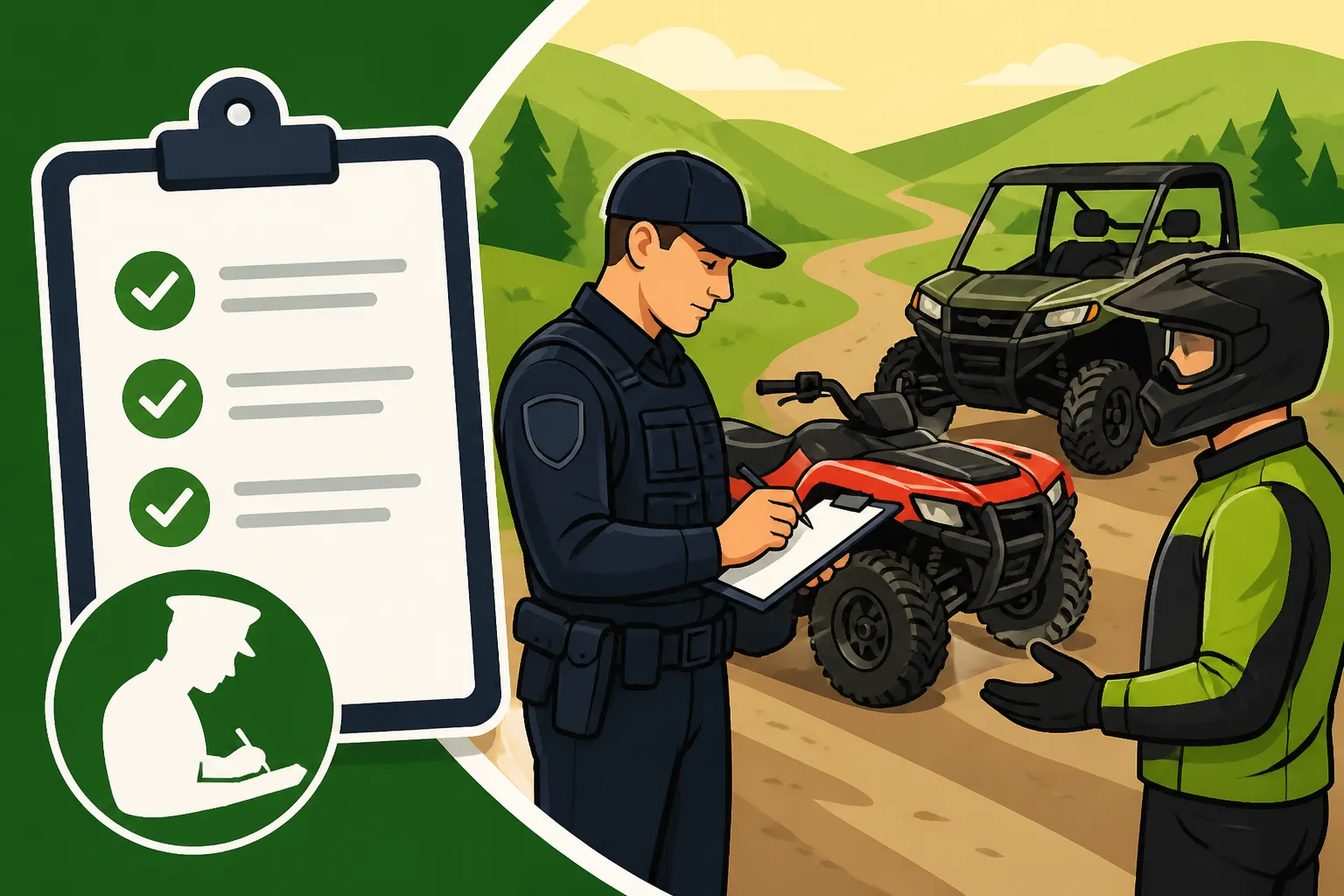
After the immediate aftermath, the focus shifts to the formal reporting process. When we talk about "filing a written crash report with an officer" in Saskatchewan, it usually means the officer will take your statement and incorporate it into their official report, rather than you filling out a multi-page form yourself. Your role is to provide them with all the necessary information accurately and comprehensively. This isn't just a formality; it's the official record that will be used for insurance, legal matters, and accident statistics. For further guidance on this, refer to [Saskatchewan Accident Reporting Rules].
The officer's report is critical because it's an objective third-party account of the incident. It will detail the conditions, damages, and witness statements. Having this document on file is invaluable, especially if there are disputes later on or complex insurance claims.
What Details the Officer Will Document
When a peace officer investigates an ATV or UTV accident, they're looking to compile a comprehensive picture. They will document several key aspects:
- Officer's Observations: The officer will record what they see at the scene, including the final resting positions of the machines, visible damage, skid marks, road/trail conditions, and any other pertinent physical evidence.
- Your Statement: You will be asked to provide your account of what happened. It's crucial to be factual, concise, and consistent. Do not guess or speculate. If you're unsure about a detail, simply state that you don't recall or don't know. Avoid admitting fault, as this can have significant legal and insurance implications. Stick to what you observed and experienced.
- Other Statements: If there were other drivers, passengers, or witnesses, their statements will also be taken.
- Vehicle Information: All relevant details of the ATVs/UTVs involved, including VINs, descriptions, and ownership information.
- Injury Details: Any injuries sustained by individuals, including paramedics' observations if they were present.
- Diagrams and Photos: The officer may draw a diagram of the scene and take official photographs to supplement the written report.
- Citations Issued: If, in the officer's judgment, any laws were violated (e.g., reckless driving, failure to yield, operating while impaired), they may issue citations to one or more parties. Understanding [Saskatchewan Ticket Costs for Riders] and [Saskatchewan Court Costs for a Citation] is important if you find yourself in this situation.
Always try to obtain a copy of the official police report for your records. This report will contain a unique file number, which your insurance company will require. When speaking with the officer, ensure you clearly state that you would like a copy for insurance purposes. You might have to pick it up from their detachment a few days later, or they may mail it to you. If your UTV or ATV had specific aftermarket parts, say a heavy-duty winch or a suspension upgrade from SuperATV, make sure to mention these to the officer so they can be accurately documented, as this information can be vital for repair estimates and insurance adjustments.
Following Up and Insurance Considerations
Once the officer has completed their report, your responsibilities don't end there, especially if you plan to make an insurance claim.
- Contact Your Insurance Provider: As soon as reasonably possible after reporting to the police, contact your ATV/UTV insurance provider. Provide them with the police report number and all the information you gathered at the scene. They will guide you through their specific claims process. [Saskatchewan Insurance Requirements for Riders] are mandatory for operating an ATV/UTV, and providing proof of this insurance, such as [Saskatchewan Insurance Shown to a Park Officer], might be requested by the police or park officials.
- Be Prepared for Questions: Your insurance adjuster will likely ask many of the same questions the police officer did. Maintain consistency in your account.
- Damage Estimates: Your insurance company will arrange for an assessment of the damage to your ATV/UTV. If other property was damaged, their adjusters will also get involved.
- Timeline: Be aware that the entire claims process can take time, especially if there are injuries, multiple parties, or disputes. Patience and thorough documentation on your part will help.
- Disputes: If another party involved in the accident disputes your account or the officer's findings, it can complicate matters. This is where your detailed notes, photos, and witness contacts become incredibly valuable.
Having a robust insurance policy that covers liability and collision is essential when operating an ATV or UTV in Saskatchewan. It not only fulfills a legal requirement but also provides crucial financial protection in the event of an accident.
Common Misconceptions and Proactive Measures
There are a few persistent myths about ATV and UTV operation and accidents in Saskatchewan that can lead riders astray. Understanding these, and taking proactive steps to prepare for the unexpected, can significantly improve safety and ensure you're compliant with regulations. It's easy to get complacent, especially if you ride frequently or in familiar areas, but an ounce of prevention is worth a pound of cure.
The reality is that whether you're navigating remote bush trails or cruising along a municipal grid road, the unexpected can happen. Being prepared isn't just about avoiding legal trouble; it's about safeguarding your well-being and that of others.
The Myth of "No Paperwork, No Report"
One of the most common misconceptions among ATV riders in Saskatchewan stems from the fact that the province does not have a central, province-wide registration system for ATVs. Unlike snowmobiles, which must be registered with the Saskatchewan Crop Insurance Corporation (Saskatchewan Snowmobile Registration Compared), ATVs generally do not have provincial plates or registrations. This often leads riders to assume that if their machine has "no paperwork" (meaning no provincial registration), then an accident involving it is somehow less official or doesn't need to be reported. This is absolutely false.
While [Saskatchewan Does Not Register ATVs] provincially, and [Saskatchewan Has No ATV Plate or Decal] at the provincial level, this does not exempt an ATV or UTV from accident reporting duties under the All Terrain Vehicles Act or other general traffic laws that apply to vehicles involved in collisions. The duty to report an accident is tied to the incident itself—injury, death, or significant property damage—not to whether the vehicle has a provincial registration.
- Legal Responsibility Remains: The All Terrain Vehicles Act outlines operator responsibilities, regardless of registration status. You are still accountable for safe operation and for reporting incidents as required.
- Proof of Ownership: Even without registration, you still need [Saskatchewan Proof of Ownership Without a Registry], typically a bill of sale. This is crucial for insurance claims and proving the machine is yours after an accident.
- Insurance is Key: Your insurance policy is what matters for covering damages and liability. Failure to report an accident to the police can void your insurance coverage, leaving you personally responsible for costs.
- Municipal Plates: Some rural municipalities (RMs) or villages, like Candle Lake, do require a local permit or plate for ATVs and UTVs operated within their boundaries. If your accident occurs in such an area, that local plate becomes part of the documentation, but the reporting duty exists whether you have a municipal plate or not. For more details on this, you can look into [Saskatchewan Municipal Plate Schemes].
Essentially, the lack of a provincial registration system for ATVs and UTVs in Saskatchewan is irrelevant to your legal obligation to report certain types of accidents. Treat an ATV accident with the same seriousness as you would a car accident when it comes to reporting.
Preparing for the Unexpected: Your ATV Accident Kit
Being proactive can mitigate a lot of stress and danger in the event of an accident. A well-stocked emergency kit and a disciplined approach to riding can make a significant difference. Think of it as a "go-bag" for your quad.
Here’s what you should consider having with you on every ride:
- First-Aid Kit: This is non-negotiable. Ensure it's comprehensive enough to handle cuts, scrapes, sprains, and more serious injuries until professional help arrives. Include pain relievers, bandages, antiseptic wipes, and any personal medications.
- Communication Device: A fully charged cell phone is a start, but service can be spotty in remote areas. Consider a satellite messenger or a two-way radio for truly off-grid communication. Always let someone know your planned route and estimated return time.
- Navigation Tools: Even if you know the area, a physical map and compass (and knowing how to use them) are excellent backups to GPS devices or phone apps, especially if batteries die.
- Documentation: A waterproof bag containing copies of your driver's license, insurance policy, and emergency contact numbers. A small notebook and pen for gathering accident details are also essential.
- Basic Tools and Repair Kit: Duct tape, zip ties, a multi-tool, tire plug kit, and a small air pump can fix minor issues on the trail, preventing you from being stranded.
- Fire Extinguisher: A small, ABC-rated fire extinguisher can be invaluable for controlling small fires, especially with flammable liquids on board.
- Recovery Gear: A small winch (if your machine doesn't have one), a recovery strap, and a shovel can help you or a riding buddy get unstuck.
- Visibility Aids: A whistle, reflective tape, and a flashlight can help you be seen or heard if you're stranded after dark or in adverse weather.
- Water and Snacks: Staying hydrated and fed is crucial, especially if you're delayed or have to wait for assistance.
- Proper Safety Gear: Always wear an approved helmet that meets [Saskatchewan Helmet Standards Accepted], eye protection ([Saskatchewan Eye Protection Requirements]), sturdy boots, long pants, and a long-sleeved shirt. This greatly reduces the severity of injuries in a crash.
- Proof of Insurance: You are legally required to carry proof of insurance while operating your ATV. An officer can request to see this at any time. Refer to [Saskatchewan Insurance Proof on the Trail].
Many riders use robust storage boxes, like those offered by SuperATV, to keep these essential items secure and dry on their machines. Taking these proactive steps demonstrates responsibility and preparedness, transforming a potentially catastrophic event into a manageable challenge.
Disclaimer
This article is for general informational purposes only and does not constitute professional advice. Laws, prices and regulations vary by location and change over time. Consult a qualified professional for guidance on your specific situation.