How the Quad Ban Lifted After Two Weeks
A Crown land quad ban lifting after about two weeks can sound like an all-clear, but it is not a blanket promise that every trail or access route is open. The key is to understand what the restriction covered, what changed when it ended, and which local rules still apply before you load up and ride.
What it meant when the quad ban lifted
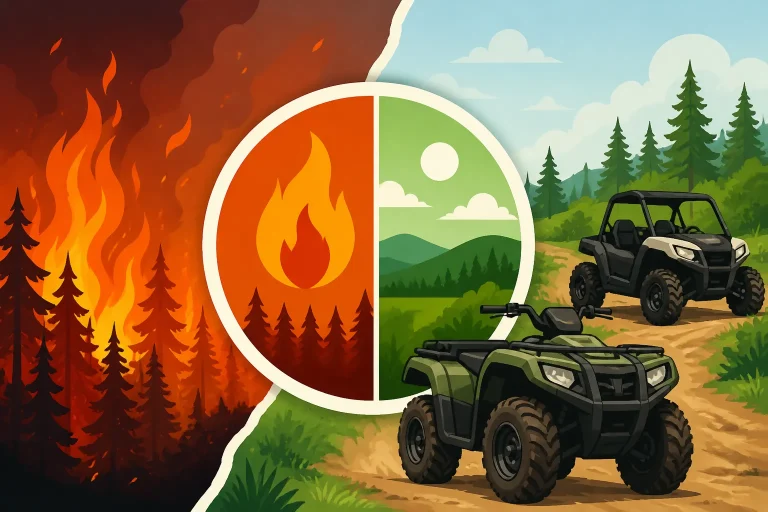
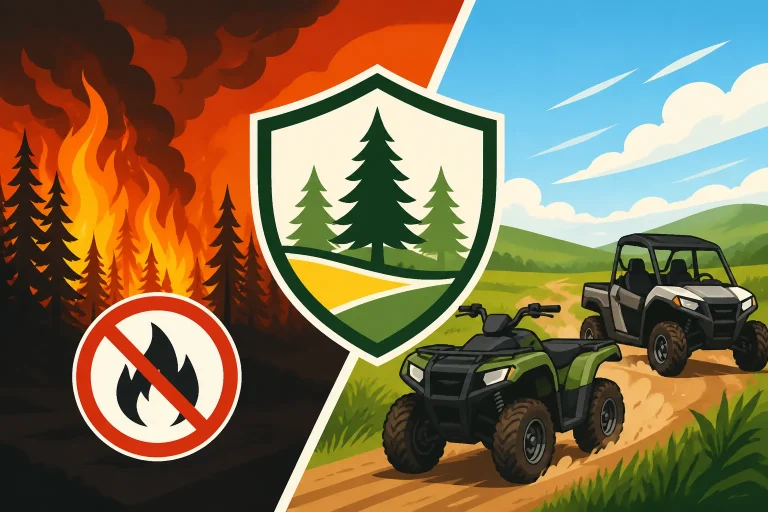
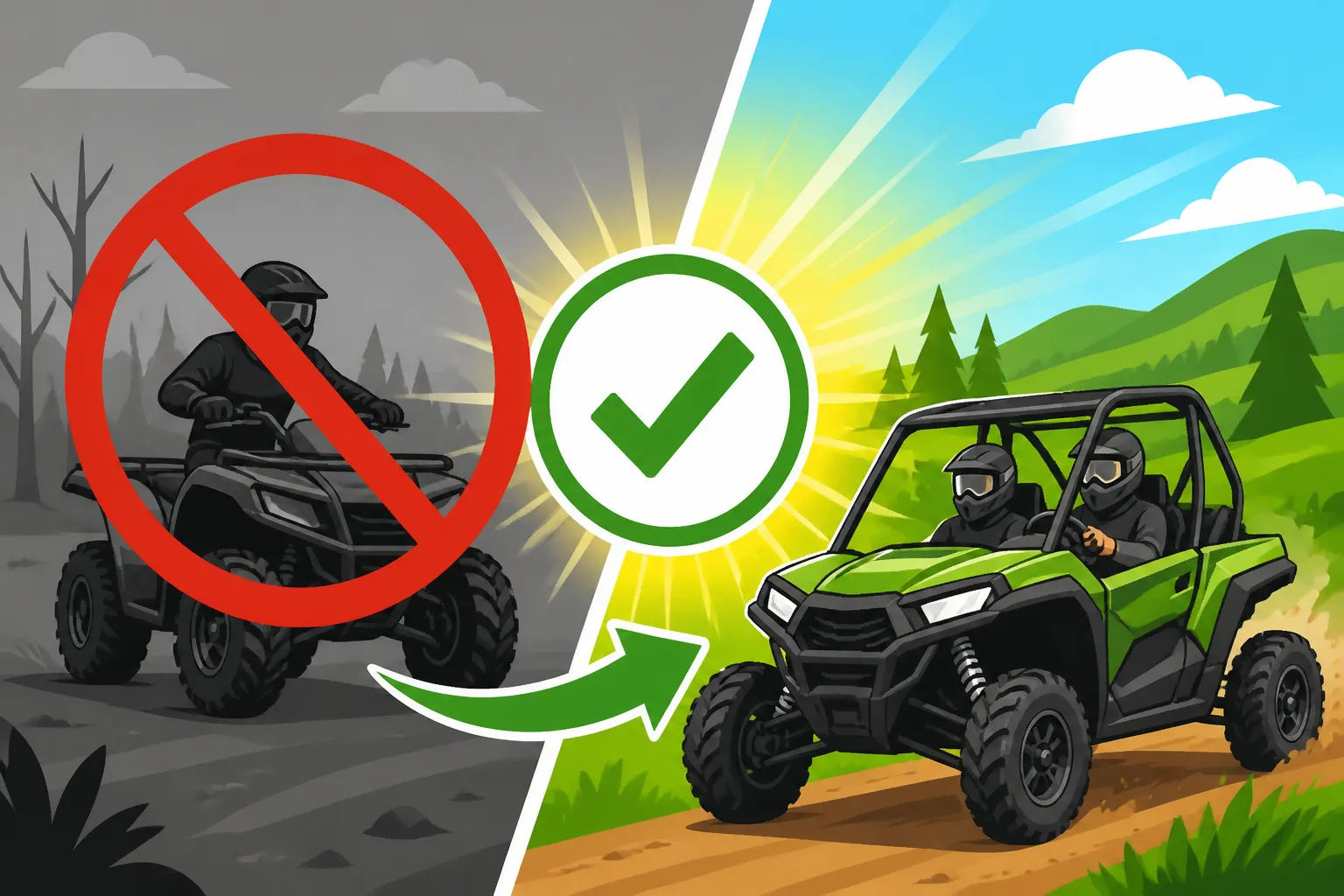
The temporary restriction closed Crown land to quad use during a period of elevated wildfire concern. When the ban lifted after about two weeks, the specific restriction was no longer in effect. That was an important change for riders, but it did not erase other rules or guarantee access to every piece of land.
The restriction was about where machines could be used under the order. It was not a new provincial registration requirement, a change to ordinary ATV operating rules, or permission to travel wherever a rider chose. Crown land access can still depend on other closures, land-use restrictions, posted signs, and permission requirements.
The practical distinction is:
- The temporary ban ended: the particular province-wide restriction described in the order was lifted.
- Other access rules remained: local closures, park rules, municipal bylaws, and landowner or leaseholder permissions could still control where you could ride.
- Wildfire duties continued: riders still needed to take reasonable care with their machines and follow active fire restrictions.
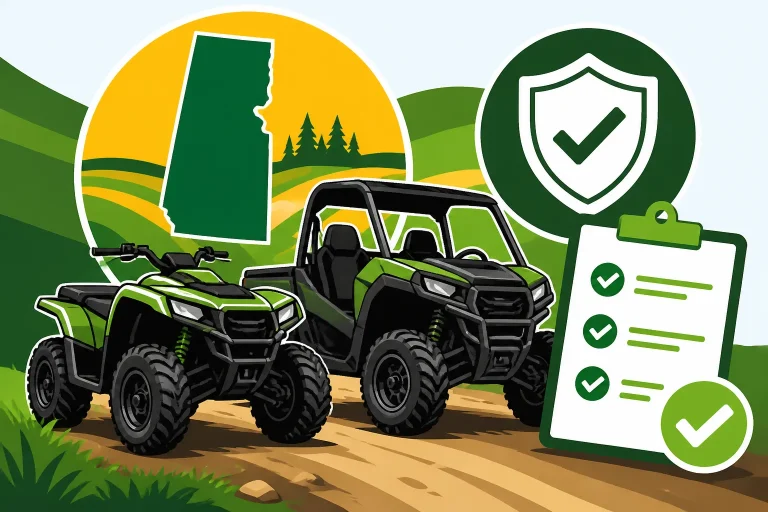
A lift is therefore a change in one layer of rules, not a general waiver. Riders should continue to follow Saskatchewan Crown Land Access Rules and review Saskatchewan Wildfire Season Rules for Riders before planning a trip.
| What changed when the ban lifted | What did not automatically change |
|---|---|
| The temporary Crown land quad prohibition ended | Park, municipal, and local land-use rules |
| Riding could resume where no other closure applied | Permission requirements on private or occupied land |
| A trip could be planned again for eligible areas | Fire bans, access orders, or trail closures still in force |
| The specific emergency restriction no longer applied | Ordinary safety, equipment, and operating duties |
The phrase “Crown land” can also cover areas with different uses and access arrangements. A trail crossing Crown land may be subject to a separate closure, while nearby land may be managed under a different rule. Do not assume that a route is open simply because the temporary ban ended or because another rider has recently used it.
The 2025 Ban That Closed Crown Land to Quads is useful background for understanding the event. For a trip today, however, the important question is not only what happened then. It is whether the specific place you plan to ride is open under the current rules.
Why a ban can end before wildfire season does
A temporary restriction responds to conditions at a particular time. It can be lifted when the restriction is no longer considered necessary, even though wildfire season and the associated responsibilities continue. The end of one order does not mean the wider risk has disappeared.
Wildfire risk can vary across Saskatchewan and change with weather, fuel conditions, and active incidents. A province-wide restriction may be used to limit certain activities across a broad area during a period of concern. Once authorities change or end that restriction, more localized measures may still be relevant. The order that applied to your intended route is what matters.
This is why “the ban is over” and “there are no fire restrictions” are not interchangeable statements. A rider may find that the province-wide quad prohibition has ended but an area-specific closure or fire-related restriction remains. Conversely, a location may be open to riding while machine operators still have duties to prevent fires and respond responsibly to changing conditions.
For example, a rider should not treat the end of the Crown land ban as permission to:
- Ride through a separately closed area.
- Ignore a fire ban that applies to the location or activity.
- Leave an established route where access is limited.
- Assume that a trail is safe or passable after fire activity.
- Use land without the required permission.
The broader seasonal framework remains relevant. Wildfire Season Runs April 1 to October 31 explains why riders need to think beyond a single emergency order. The dates provide context, but the exact restrictions in force for a particular trip should be checked through current official information rather than inferred from the calendar.
A temporary ban can also be lifted without changing rules for parks, municipalities, or private land. Provincial Crown land access does not automatically open a municipal trail, a park road, or a route across a grazing lease. Check the rules for each area on your planned route, especially if the trip crosses more than one land type.
What riders still need to check before heading out
The safest approach is to treat the end of the ban as a reason to check the route again—not as a reason to skip the checks. Before hauling a quad or side-by-side, confirm that the specific riding area and the way into it are open.
- Identify the land and route. Be clear about where you intend to ride, including trailheads, connecting roads, and any route across private, leased, or occupied land.
- Check for current fire restrictions and closures. Use the relevant official notices and maps for the area rather than relying only on an old social media post or a report from someone who rode there earlier.
- Look for separate land-use rules. Parks, municipalities, and local trail operators may have their own requirements. A provincial Crown land order does not settle every local question.
- Confirm permission where needed. Do not assume that a route is open simply because it crosses land that appears undeveloped. Contact the appropriate landholder or authority when access is unclear.
- Check conditions shortly before departure. A restriction or trail condition can change between planning and travel. Recheck before you load, and again if the trip is long enough for conditions to shift.
- Carry enough information to adjust your plan. Bring a map or downloaded route information, and have a backup riding area in case the intended route is closed.
For maps and updates, start with Which Fire Centre Map Covers Your Riding Area and Checking a Fire Ban From Your Phone at the Trailhead. These checks can help you spot notices that affect the intended area, but they do not replace signs at the site or direct confirmation from the authority responsible for a particular trail or land parcel.
It is also worth checking trail information separately from fire information. A trail can be closed for reasons unrelated to fire, or a route may have been affected by fire even after a broad restriction ends. Saskatchewan Trail Conditions Before You Haul is a useful reminder to verify the riding surface, access points, and local notices before making a long drive.
If a closure notice is unclear, do not guess from its title. Check its map, dates, geographic description, and the activity it restricts. “Crown land closed” may not describe the same boundary or activities as a local trail notice. If you cannot tell whether your route falls inside the affected area, ask the responsible office or trail operator before riding.
Riding responsibly after a temporary closure
The ban lifting does not remove the need to prevent fires. A machine can create heat, sparks, or contact with dry vegetation, and riding can disturb land that is already vulnerable. Follow the current instructions for the area and keep your machine in suitable condition.
Before leaving, check for combustible material collected around the engine, exhaust, or other hot parts. Repeat the check during a long day, especially after riding through grass, brush, or debris. Stop if you notice a mechanical problem that could increase fire risk. Do not assume that a previous inspection is enough for the whole trip.
Stay on established routes where required, avoid entering closed areas, and respect signs and barriers. If the trail is damaged or conditions are unsafe, turn around rather than widening the route or creating a new path. For more detail on rider responsibilities, see Saskatchewan Wildfire Act Duties for Riders and Staying on Established Trails in Fire Season.
A sensible trip plan includes a way to change course. If an access point is closed or a fire restriction has changed, do not ride around a barrier or take an unverified shortcut. Choose another confirmed-open area or postpone the trip. When the status of a location is uncertain, a quick check with the relevant authority is more reliable than interpreting the end of the two-week ban as a general reopening notice.
Keep in mind, too, that the ban’s end does not settle questions about permits or local reciprocity. If a municipality or riding area has its own plate or access scheme, the rules for that place still apply. Confirm what is required where you intend to ride; a provincial emergency restriction lifting does not substitute for a local permit, nor does a local permit override a closure.
The practical takeaway is straightforward: the temporary Crown land quad ban ended, but access remained conditional on the rules for each location. Check current fire notices, trail closures, land permissions, and local requirements before setting out. That extra check helps avoid an unnecessary haul and keeps a change in one restriction from being mistaken for permission everywhere.
Disclaimer
This article is for general informational purposes only and does not constitute professional advice. Laws, prices and regulations vary by location and change over time. Consult a qualified professional for guidance on your specific situation.