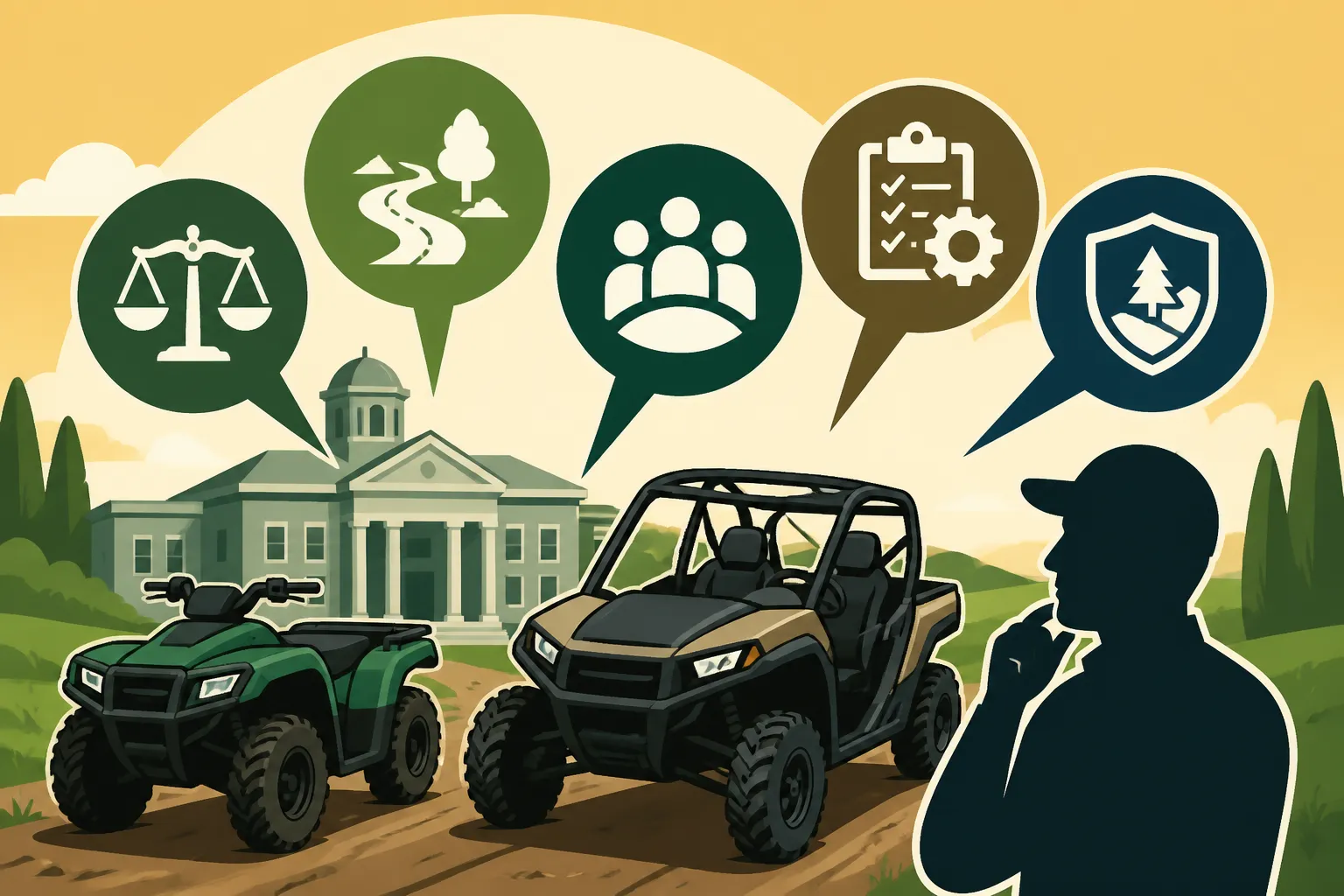
Questions Worth Asking a Rural Municipality
Riding your ATV or UTV in Saskatchewan brings a unique sense of freedom, especially when exploring the vast landscapes and grid roads that crisscross our beautiful province. However, that freedom often comes with a layer of uncertainty when you venture off private land and into areas governed by local authorities. Many riders find themselves scratching their heads, wondering exactly what rules apply in a particular rural municipality (RM) or village, especially since the province itself doesn't register quads. This guide is here to cut through that confusion, giving you the precise questions to ask your local rural municipality so you can ride confidently and legally, knowing you've done your due diligence.
Navigating Local Bylaws and Road Access for ATVs
It's a common misconception that because Saskatchewan doesn't have a provincial ATV registration, there are no rules at all for riding off your own property. Nothing could be further from the truth. While the provincial government sets out broad guidelines in [Saskatchewan's All Terrain Vehicles Act], it often delegates significant authority to local municipalities to create their own specific bylaws. This means that what's perfectly legal in one RM might earn you a ticket just a few kilometres down the road in another. The best first step is always to connect directly with the RM office.
Understanding Permitted Riding Areas and Restrictions
When you call or visit your local RM office, one of the most crucial things to clarify is where you can actually ride. Don't assume anything. Many RMs have very specific zones where ATVs are permitted, restricted, or outright prohibited. This might include certain grid roads, ditches, or even within hamlet boundaries.
For instance, you might be planning a trip to a favourite hunting spot or a remote fishing lake, assuming the long stretch of gravel road leading there is fair game. But what if that particular grid road is designated as off-limits to ATVs by local bylaw? You could unwittingly find yourself in violation. Ask if there's a map or a clear list of designated routes or areas. Some RMs might permit riding on certain low-traffic rural roads, while others might restrict ATVs entirely to ditches or specific trail systems they maintain. It's also wise to ask about specific times or seasons when riding might be restricted, such as during seeding or harvest seasons when large farm equipment dominates the roads, or during periods of high fire risk. Being proactive can save you a significant headache and potential fine, allowing you to enjoy your ride without worrying about unintended consequences.
Inquiring About Municipal Plates and Permit Requirements
Since the province doesn't issue a provincial ATV plate, many rural municipalities and resort villages have stepped up to fill that gap. This is a vital area of inquiry when speaking with your RM. Some municipalities, especially popular recreational areas like the District of Lakeland or Candle Lake, have their own specific bylaws requiring you to obtain a local permit or plate to ride within their jurisdiction, even if you’re just passing through. This permit isn't about provincial registration; it's a local agreement that allows you to use their designated areas and often contributes to the maintenance of local trails or infrastructure.
It's common to hear stories of riders from outside these areas being surprised by a local bylaw officer about a missing permit. So, ask directly: "Does this RM require a permit or plate for ATVs or UTVs to operate on public lands, roads, or trails within its boundaries?" If they do, find out the cost, how to apply, and where the plate needs to be displayed. You might also ask about the renewal process, as most municipal plates have specific expiry dates. For example, [Saskatchewan Lakeland Plate Expiry in April] is a common deadline in some areas. Understanding these local requirements is key to staying compliant and avoiding penalties, as [Saskatchewan Municipal Plate Costs] can vary. While [Saskatchewan Has No ATV Plate or Decal] provincially, these local initiatives are designed to manage local usage and often fund local amenities.
Understanding Enforcement and Safety Expectations
Beyond simply knowing where you can ride, it's equally important to understand the how. Rural municipalities often have specific safety expectations and enforcement protocols that go above and beyond the general provincial guidelines. This isn't just about avoiding a ticket; it's about ensuring your safety and the safety of other road users and residents in the community.
Clarifying Speed Limits and Prohibited Zones
While the provincial ATV Act sets out some general rules, such as speed limits when operating in certain areas, RMs can impose stricter regulations. It's not uncommon for municipalities to have lower speed limits on their grid roads or within specific hamlet zones, especially where there's pedestrian traffic or residential areas. You need to ask about these specific local speed limits.
Furthermore, clarify any explicit "prohibited zones" beyond just general riding areas. This might include school zones, park areas, or even specific stretches of road known for high traffic or safety concerns. Some municipalities might prohibit ATVs from travelling on designated "main streets" within villages or resort areas, even if other roads are open. An officer patrolling might assume you know these local rules, and ignorance is rarely accepted as an excuse. When asking, specifically mention different types of municipal infrastructure: "Are there different speed limits for ATVs on grid roads versus residential streets within hamlets?" and "Are there any specific streets or public spaces where ATV use is strictly forbidden, even if accessed from an otherwise permitted riding area?" This clarity can help you plan your routes and ensure you're not caught off guard. Remember, these rules are often for community safety and peace, even if they sometimes feel restrictive to riders.
Asking About Accident Reporting and Owner Liability
Accidents, unfortunately, can happen. When they do, especially on municipal property or roads, the reporting requirements can become a grey area for ATV owners. While you're generally responsible for reporting any significant accident to the RCMP or local police, some RMs might have additional procedures or expect certain information if the incident occurs on their infrastructure or involves municipal property.
It's a crucial question to ask: "If an ATV accident occurs on a municipal road or within RM boundaries, are there any specific reporting requirements or contacts beyond standard police notification?" You should also clarify the RM's stance on owner liability. While [Saskatchewan Owner Liability Rules] are outlined in the provincial act, understanding how the RM perceives and potentially acts upon incidents involving ATVs on their land can be very enlightening. For example, if a ditch you're riding in is municipal property and you cause damage, what's the process? Some RMs might require proof of insurance more rigorously, especially if you're involved in an incident. Speaking of insurance, [Saskatchewan Insurance Requirements for Riders] are critical, and having your policy details on hand, perhaps even as a digital copy easily accessible, can save a lot of trouble. You can get a clear understanding of potential liabilities by discussing this directly, helping you ensure you're adequately covered and prepared. When dealing with official documentation, even for personal records or requests, resources like LawDepot can provide templates for letters or statements, which might be useful if you ever need to formalize communication with the municipality.
Land Use, Trails, and Community Engagement
Riding an ATV isn't just about individual recreation; it's often a community activity, tied to the broader enjoyment and responsible use of local land. Connecting with your RM on these broader topics can uncover opportunities for riding and also help you become a more engaged and responsible member of the ATV community.
Inquiring About Designated Trails and Crown Land Access
Many riders dream of extensive, well-maintained trails, but the reality in Saskatchewan is often a mix of informal paths and limited designated areas. However, some RMs or regional parks boards do actively work to establish and maintain ATV trails, sometimes in conjunction with local clubs. It's always worth asking if your RM has any designated ATV trails or if they are aware of any club trails that operate within or near their boundaries. [Saskatchewan Club Trails on Crown Land] exist in certain areas, and your RM office might be the best first point of contact to learn about them.
Additionally, while Crown land is provincially managed, its access often involves traversing municipal roads or land. Inquire about the process for accessing Crown land for ATV use via municipal property. Are there specific access points? Are there restrictions on where you can unload your machine or park your trailer? Understanding these nuances can prevent you from inadvertently trespassing or breaking a local bylaw even when trying to access legal Crown land riding areas. Some RMs may even have specific regulations for [Saskatchewan Crown Land Access Rules] that are particular to their area, especially regarding environmental protection or wildlife management zones. This proactive inquiry can reveal hidden gems for riding and help ensure you're respecting both municipal and provincial land regulations.
Participating in Local ATV Discussions and Planning
Sometimes, the best way to address ATV-related issues or advocate for more riding opportunities is to get involved at the local level. Rural municipalities are often very receptive to community input, especially when it comes to balancing recreational use with public safety and environmental concerns. If you're passionate about ATVing, ask your RM how you can participate in local discussions or planning related to off-highway vehicles.
This could mean attending council meetings, joining a local advisory committee if one exists, or simply providing written feedback. Some RMs might even be looking for volunteers for trail maintenance or community events. Asking "How can local ATV riders provide input on bylaws or future recreational planning?" or "Are there any local ATV clubs or associations that the RM works with?" can open doors. For instance, if you're looking to form a local club or need to draft formal letters or petitions, general legal document resources like LawDepot can be useful for standardized templates. Being an engaged and responsible rider who communicates constructively with the RM can go a long way in fostering positive relationships and potentially creating more and better riding opportunities for everyone. It's about being part of the solution, rather than just waiting for rules to be imposed.
Here’s a quick overview of common questions and why they matter:
| Question Category | Specific Questions to Ask | Why It Matters |
|---|---|---|
| Bylaws & Access | Are there specific bylaws for ATVs in this RM? | Determines where and how you can ride legally. |
| Are there designated riding areas or prohibited zones? | Avoids accidental trespassing or fines in restricted areas. | |
| Can I ride in ditches/on grid roads? | Clarifies provincial versus local ditch riding rules. | |
| Permits & Plates | Does the RM require a local ATV permit or plate? | Essential for legal operation in many resort villages/RMs. |
| What's the cost and how do I get one? | Budgeting and compliance. | |
| What's the renewal process and expiry date? | Ensures continued compliance. | |
| Safety & Enforcement | Are there specific speed limits for ATVs on local roads? | Prevents speeding tickets and ensures safety. |
| What are the rules for crossing highways/main roads? | Clarifies specific local nuances beyond provincial law. | |
| What's the process for reporting an ATV accident? | Ensures you meet all local reporting duties. | |
| What are the expectations for owner liability? | Understanding your responsibilities and potential consequences. | |
| Land Use & Engagement | Are there any designated ATV trails in the RM? | Uncovers official riding opportunities. |
| How can I access Crown land via RM roads/property? | Ensures legal access to broader riding areas. | |
| How can riders provide input on ATV-related issues? | Facilitates community involvement and advocacy. | |
| Are there local ATV clubs the RM works with? | Connects you with the local riding community. |
By taking the time to ask these questions, you're not just protecting yourself from potential fines or legal troubles; you're also becoming a more informed and responsible ATV enthusiast. The more you know about your local RM's specific rules, the more you can enjoy the fantastic riding opportunities that Saskatchewan has to offer, without the constant worry of unknowingly breaking a bylaw.
Disclaimer
This article is for general informational purposes only and does not constitute professional advice. Laws, prices and regulations vary by location and change over time. Consult a qualified professional for guidance on your specific situation.