Saskatchewan Rules for a 12-Year-Old Rider
Navigating the world of ATV riding with a young enthusiast can feel like a minefield of rules, especially when you're trying to figure out what's safe and what's legal for a 12-year-old. It's frustrating when you just want your child to enjoy the Saskatchewan outdoors responsibly, but the regulations seem murky and hard to pin down. This guide is here to clear up the confusion, explaining precisely what the province requires for a 12-year-old to legally and safely operate an ATV, outlining supervision, training, and equipment specifics.
Understanding Saskatchewan's Age Restrictions for ATV Riders
It's a common misconception that there's a blanket ban on young people riding ATVs in Saskatchewan. While the province definitely has a keen interest in keeping riders safe, especially the younger ones, the rules aren't as straightforward as a simple "yes or no" based on age. It’s all about creating a framework for responsible riding, acknowledging that many rural families rely on these machines and that kids are often eager to learn.
The General Age Floor for ATV Operation
Let's start with the baseline. Generally speaking, under Saskatchewan's The All Terrain Vehicles Act, a person must be at least 16 years old to operate an all-terrain vehicle. This is the standard age requirement if you're riding an ATV without any specific exemptions or supervision. The Act is designed to ensure that operators have a certain level of maturity and understanding of the risks involved before they're allowed to hit the trails or fields independently. [Saskatchewan Bans Riders Under 16] is a good starting point to understand this fundamental rule. This age floor is there for a reason: it's about minimizing accidents and ensuring that riders can react appropriately to unforeseen circumstances, operate complex machinery safely, and understand the implications of their actions on themselves and others. It’s about building a foundation of experience and judgment that typically comes with age.
The Specific Exception for Younger Riders 12 and Over
Here's where it gets interesting for those with budding young riders. While 16 is the general rule, the Act carves out a very important exception: children who are 12 years of age or older can operate an ATV, but only under specific, strict conditions. This isn't a free pass; it's a carefully crafted allowance that prioritizes safety and adult oversight. This exception recognizes that for many rural families, ATVs are a part of daily life, whether for farm work, ranch chores, or simply getting around the property. The key is that these younger riders cannot just jump on a quad and go; they must be supervised by a competent adult or have completed specific training. We explore this further in [Saskatchewan's Exception for Riders 12 and Over]. It means that if your child is 12 or 13, you have a path to legal riding, but it comes with significant responsibilities on your part as a parent or guardian.
The Critical Role of Supervision for 12-Year-Olds
The exception for 12-year-olds hinges entirely on proper adult supervision or certified training. This isn't a suggestion; it's a legal requirement designed to ensure that young riders are learning in a controlled environment with an experienced guide. It's about proactive safety and instruction, not just having an adult "nearby."
What the 365-Day Supervisor Rule Means
If your 12-year-old is going to ride, the most common path is through direct supervision. The law requires that a 12-year-old rider must be supervised by an adult who is at least 18 years old and has held a valid driver's licence for a minimum of 365 days. This "365-day supervisor rule" is crucial. It’s not just any adult; it's an adult with a demonstrated history of safe driving and, implicitly, a better understanding of road rules and operating vehicles. This supervisor must be in a position to exercise continuous supervision and control over the operation of the ATV. This isn't about sitting on the porch while your child explores the back forty. It means actively watching, guiding, and being able to intervene immediately if needed. Think of it like teaching someone to drive a car – you're right there, ready to take over. [Saskatchewan's 365-Day Supervisor Rule] delves deeper into the specifics of this requirement. The intent is to have an experienced, licensed individual directly mentoring the young rider, ensuring they develop safe habits from the start.
Who Qualifies as a Supervisor and Their Responsibilities
As mentioned, a supervisor must be at least 18 years old and have held a valid driver's licence for at least one year. This ensures they have a basic level of experience and familiarity with vehicle operation and road safety principles. Their responsibilities are immense. They are, in the eyes of the law, effectively the operator of the ATV while supervising the minor. This means that any infraction committed by the 12-year-old could potentially lead to the supervisor facing a ticket or other penalties. This puts a significant onus on the supervising adult to not only teach but also enforce safe riding practices. It's a heavy responsibility, but it's vital for the safety of the young rider and others. The supervisor needs to be constantly aware of the terrain, potential hazards, and the child's skill level. They should ensure the child is on an appropriately sized machine, and that they are wearing all the necessary safety gear. From making sure the machine is well-maintained to teaching proper throttle control and braking techniques, the supervisor is the primary safety officer.
The Alternative: Approved Safety Training Courses
If continuous direct supervision isn't always practical, there's another pathway for 12-year-old riders: completing an approved ATV safety training course. If a 12-year-old completes a course recognized by the Administrator of the Act, they may be able to ride without the immediate, constant presence of a 365-day supervisor in some circumstances. This is an excellent option for formalizing a child's understanding of ATV operation, safety protocols, and responsible riding habits. These courses cover everything from pre-ride checks and basic maintenance to riding techniques, hazard awareness, and environmental stewardship. [Saskatchewan Youth Certification Options] outlines more about these programs. It’s an investment in their safety and independence. Many riders find that even with a supervisor, taking a course builds confidence and a deeper understanding that casual instruction might miss. Companies like SuperATV, while known for aftermarket parts, often promote general ATV safety awareness, and such courses align perfectly with fostering responsible riding.
Essential Gear and Riding Environments for Young Riders
Beyond supervision and training, the physical aspects of riding—what a 12-year-old wears and where they ride—are equally critical for their safety and legal compliance. Ignoring these details can lead to serious injury or fines.
Non-Negotiable Safety Gear Requirements
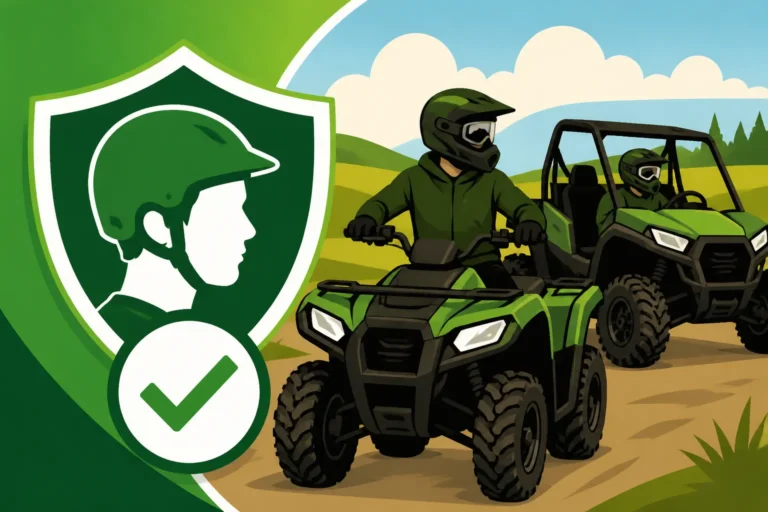
Safety gear isn't optional for any ATV rider in Saskatchewan, and it's especially critical for young riders whose bodies are more vulnerable. For a 12-year-old, the following are absolute musts:
- Helmet: A helmet designed for ATV use, compliant with recognized safety standards (like DOT, Snell, ECE, or CSA), is mandatory. It must be securely fastened. This isn't just a suggestion; it's the law. A proper helmet can literally be the difference between life and death in an accident. Always ensure the helmet fits snugly and doesn't wobble. [Saskatchewan Helmet and Eye Protection Rules] details these requirements.
- Eye Protection: Goggles or a shatter-resistant face shield are required to protect the eyes from dust, debris, branches, and insects. Clear vision is paramount for safe riding. Tinted eyewear is generally fine during the day, but it's essential to switch to clear lenses or remove tinting after sunset to maintain visibility.
- Boots: Sturdy boots that cover the ankles are essential to protect feet and ankles from impacts, scrapes, and exhaust heat.
- Gloves: Gloves protect hands from blisters, abrasions, and offer a better grip on the handlebars.
- Long Pants and Long-Sleeved Shirt/Jacket: These provide crucial protection against scrapes, impacts, and sun exposure. Even on a hot day, it's wise to wear appropriate protective clothing.
Investing in quality safety gear is an investment in your child's well-being. Think of it as a uniform for their adventure – it’s not just for looks, it’s for protection. Some riders even look to aftermarket providers like SuperATV for specific gear enhancements or machine modifications, such as smaller-grip handlebars or throttle limiters, to further tailor the machine for a young rider's control and safety.
Where a 12-Year-Old Can Legally Ride an ATV
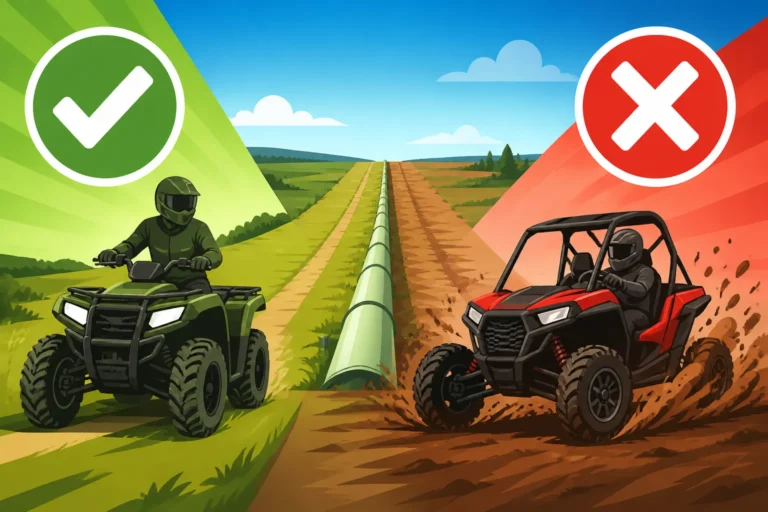
Understanding where a 12-year-old can legally ride is just as important as knowing the supervision rules. Generally, supervised 12-year-olds, or those with proper training, can ride on:
- Private Land: With the landowner's permission, a 12-year-old can ride on private property, such as farms, ranches, or large acreages. This is often where children gain their initial riding experience. [Saskatchewan Rules for Riding Farm Ground] is a good resource.
- Designated Trails: Some provincial parks or organized trail systems may allow ATV use on designated trails, often with specific permit requirements or further age restrictions. Always check local bylaws and park regulations before heading out. For example, Moose Mountain Provincial Park and Narrow Hills Provincial Park have designated trails where quads are permitted. [Moose Mountain Provincial Park ATV Trails] and [Narrow Hills Provincial Park ATV Trails] offer more information.
- Ditche s of Public Roads: Under certain conditions, riding in the ditch adjacent to a public road is allowed, provided the rider maintains a minimum distance (typically 2 metres) from the travelled portion of the highway. This is often used to travel between fields or properties, but it's highly regulated and requires careful attention to traffic and road conditions. [Saskatchewan Ditch Riding and the 2-Metre Rule] elaborates on this.
It is crucial to remember that even in these permissible areas, all other rules of the Act, such as speed limits, lighting requirements after dark, and helmet laws, still apply.
Places Strictly Off-Limits for Young Riders
Just as important as knowing where they can ride is knowing where they cannot. Some areas are strictly prohibited for ATV use, especially for young riders:
- Paved Public Roads or Highways: ATVs are generally not permitted on paved public roads or highways, except for direct crossings at intersections or specific municipal bylaws that permit limited road use. They are not street-legal vehicles in the traditional sense. [Saskatchewan ATV Road Rules Explained] provides a comprehensive overview.
- Inside Provincial Parks (Undesignated Areas): While some parks have designated trails, riding off these trails or in areas not explicitly marked for ATVs is prohibited. Ecological reserves and sensitive natural areas are also strictly off-limits. Cypress Hills Provincial Park, for instance, has a blanket ban on ATVs. [Cypress Hills Bans ATVs in Saskatchewan] makes this clear.
- Urban Areas/Town Streets (Unless Bylaw Permits): Most cities and towns have bylaws prohibiting ATV use on their streets or in parks, primarily due to noise, safety, and environmental concerns. Always check local municipal bylaws.
- Crown Land Without Permission: Riding on Crown land often requires specific permits or adherence to regulations, and some areas may be closed to ATV use. [Saskatchewan Crown Land Access Rules] is an important read here.
Riding in prohibited areas not only carries fines but can also be dangerous and disrespectful to other land users and the environment. Always err on the side of caution and ensure you have explicit permission or confirmed legal access.
Legal Implications and Parental Responsibilities
When a 12-year-old is operating an ATV, the legal and financial responsibilities often fall squarely on the adult supervisor or the machine's owner. This is an area where understanding the Act is critical to avoid serious headaches.
Owner Liability and the Reverse Onus Rule
Parents, guardians, and ATV owners need to be acutely aware of the liability rules when a minor is operating a machine. Under Saskatchewan law, the owner of an ATV can be held responsible for the actions of anyone operating their machine, especially a minor. The Act includes a "reverse onus" clause, which means that if an accident or infraction occurs, the owner is presumed liable unless they can prove they were not negligent in allowing the person to operate the ATV. This is a significant legal burden.
For example, if your 12-year-old, even with supervision, causes damage or injury, the owner of the ATV could face legal action. This emphasizes why proper supervision, appropriate training, and ensuring the child is riding a machine suitable for their size and skill level are not just good practice, but legal necessities. [Saskatchewan Owner Liability Rules] provides a detailed breakdown of these responsibilities. It's a stark reminder that giving your child the keys to a quad comes with serious legal weight.
Insurance Requirements for Young Riders
While Saskatchewan does not have a provincial registration system for ATVs (unlike snowmobiles, which do require registration), it absolutely mandates liability insurance. Every ATV operated in Saskatchewan must carry a minimum of $200,000 in third-party liability insurance. This is non-negotiable and provides crucial protection in case of an accident where property damage or injury to another person occurs.
For a 12-year-old rider, ensuring this insurance is in place is part of the parent's or owner's responsibility. Your existing homeowner's policy might offer some limited coverage, but it's often insufficient for dedicated ATV use, especially off your own property. Many riders opt for a standalone ATV insurance policy through a broker, which provides specific coverage tailored to the risks of off-road riding. [Saskatchewan Minimum Insurance Requirement] explains this in detail. If an officer asks for proof of insurance, you need to be able to provide it. You can't ride without it, plain and simple. Even if you've modified your quad with accessories from places like SuperATV to enhance safety, insurance remains your fundamental legal safeguard.
Here's a quick summary table of the key requirements for 12-year-old ATV riders in Saskatchewan:
| Requirement | Details |
|---|---|
| Minimum Age | 12 years old (with specific conditions); generally 16 without exceptions. |
| Supervision | Required for 12-15 year olds. Supervisor must be 18+, hold a valid driver's licence for 365+ days, and be in continuous control. |
| Training | Approved safety course certification can, in some circumstances, replace continuous supervision for certain riders (check specific course exemptions). |
| Helmet | Mandatory; must be designed for ATV use and meet recognized safety standards (e.g., DOT, Snell, ECE, CSA). |
| Eye Protection | Mandatory; goggles or shatter-resistant face shield. |
| Other Gear | Sturdy ankle boots, gloves, long pants, and long-sleeved shirt/jacket highly recommended for protection. |
| Insurance | Mandatory minimum $200,000 third-party liability insurance. |
| Riding Areas | Private land (with permission), designated provincial park trails, ditches of public roads (2m rule). Always check local bylaws. |
| Prohibited Areas | Paved public roads/highways, undesignated park areas, most urban streets (without specific bylaw permission), some Crown lands. |
| Owner Liability | ATV owner can be held liable for actions of rider, especially a minor, due to reverse onus rule. |
Riding an ATV can be an incredibly rewarding experience for a 12-year-old, fostering independence, skill development, and a love for the outdoors. However, it's absolutely vital that these experiences happen within the bounds of Saskatchewan's regulations. By understanding and adhering to the supervision, training, gear, and location rules, parents and guardians can ensure their young riders stay safe and legal on the trails and fields.
Disclaimer
This article is for general informational purposes only and does not constitute professional advice. Laws, prices and regulations vary by location and change over time. Consult a qualified professional for guidance on your specific situation.