Searching for a Stolen Quad Without a Registry
It's an absolutely gut-wrenching feeling to discover your ATV or UTV has been stolen, especially here in Saskatchewan where the provincial government doesn't maintain a central registry for these machines. You're left wondering how on earth you'll ever get it back when there's no provincial plate or registration to track. This guide aims to walk you through the unique challenges of searching for a stolen quad in Saskatchewan and equip you with actionable steps to maximize your chances of recovery, even without that formal provincial paperwork.
The Unique Challenge of ATV Theft in Saskatchewan Without a Registry
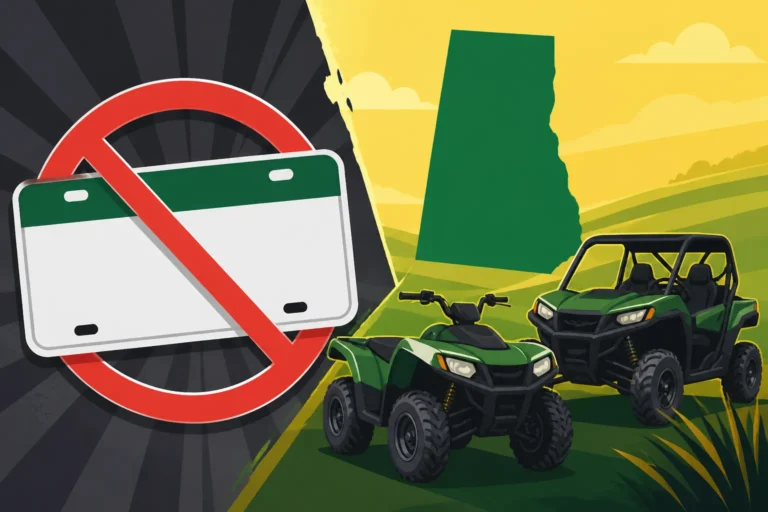
When your ATV or UTV vanishes into thin air in Saskatchewan, the situation feels uniquely frustrating. Unlike a car, truck, or even a snowmobile in this province, your quad doesn't have a provincial license plate or a registration document that would be linked to a central database. This absence creates a specific set of hurdles for both owners and law enforcement when it comes to theft and recovery.
Why No Provincial Registry Makes Theft Recovery Trickier
In provinces that do register ATVs, a stolen machine can often be flagged in a province-wide or even national database. When a peace officer stops someone riding it, or if it crosses a provincial border and is checked, that "stolen" flag immediately pops up. This system provides a crucial tool for identification and recovery. Here in Saskatchewan, however, without [Saskatchewan Does Not Register ATVs], that immediate digital red flag simply doesn't exist at the provincial level. It means the initial identification of a stolen machine relies heavily on physical descriptions and the unique Vehicle Identification Number (VIN), rather than an easily traceable plate number.
This lack of a central registry also means there's no comprehensive record of ownership readily available to law enforcement. While your bill of sale is your proof, it’s not something officers can access on a whim from their patrol car computer. They can't just type in a plate number and instantly see who the registered owner is and if it's been reported stolen. This situation often leaves both victims and police feeling like they're starting from scratch, relying on meticulous documentation you've kept yourself. It truly puts the onus on the owner to have all their ducks in a row before a theft occurs.
The Misconception of a "Registered" Quad in Saskatchewan
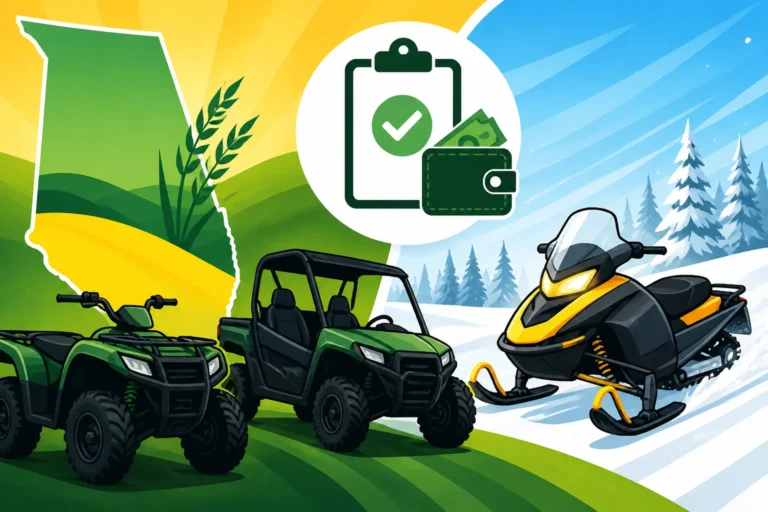
Many people, especially those new to the province or coming from jurisdictions with ATV registration, are often surprised to learn that Saskatchewan operates differently. There's a common misconception that there must be some form of provincial "registration" for an ATV or UTV, even if it's just a simple certificate or decal. This isn't the case. While snowmobiles in Saskatchewan do require registration and carry a provincial plate, ATVs do not. [Saskatchewan Registers Snowmobiles, Not ATVs] is a point of confusion for many riders.
This confusion can lead to delays in reporting a theft, as owners might initially try to figure out how to report a missing "registration" before realizing there isn't one. It's crucial for every quad owner in Saskatchewan to understand this distinction upfront. Your machine isn't "registered" in the way a car or a snowmobile is, meaning your approach to theft prevention and recovery needs to be tailored to this unique context. The provincial government simply has no database of who owns which quad, and that's a fundamental reality we all operate under.
Immediate Steps When Your Saskatchewan Quad is Stolen
When that heart-dropping realization hits that your quad is gone, panic can quickly set in. However, taking swift and methodical action is paramount. The faster you act, the better your chances of recovery, even without a provincial registry. Every minute counts in getting the word out and providing law enforcement with the details they need.
Contacting the RCMP or Local Police Promptly
As soon as you discover your ATV or UTV is stolen, your very first call should be to the local RCMP detachment or municipal police service. Do not delay. Provide them with the exact location and time you last saw your machine, along with when you noticed it was gone. They will file a stolen vehicle report, which is your official record of the theft. This report is absolutely critical for several reasons, including potential insurance claims and if the machine is later recovered.
When you call, be prepared to give as much detail as possible. Even without a plate number, every piece of information helps them create a comprehensive police report. They'll ask for the Vehicle Identification Number (VIN), which is arguably the most important piece of identifying information for your machine. This is why knowing [Saskatchewan Serial Number Records] and having them readily accessible is so vital. Make sure you get a file number for your report – you'll need this for any follow-up with the police or your insurance company. The police will enter your VIN into the Canadian Police Information Centre (CPIC) database, which is the national system for tracking stolen property, giving it a chance to be flagged if checked anywhere across Canada.
Gathering Essential Information About Your Machine
Before you even make that call to the police, or immediately afterward, pull together every piece of documentation and information you have about your stolen quad. This includes the make, model, year, colour, and any distinguishing features like aftermarket parts, stickers, or custom modifications. Jot down its approximate mileage or hours, if you track that. The more specific you can be, the better. Did it have a winch? Special tires? A particular storage box? Any scratch, dent, or repair you made can be a unique identifier.
Most importantly, you need the full 17-digit Vehicle Identification Number (VIN). This number is stamped on the frame of your machine, typically near the front wheels, under the seat, or on the lower frame. Without a provincial registration, your VIN is your machine's primary fingerprint for law enforcement. You should also have photographs or videos of your quad from different angles, showcasing its condition and any unique characteristics. These visual aids can be incredibly powerful in helping others identify your machine if it turns up.
Leveraging Your Proof of Ownership
Since Saskatchewan doesn't have a title system for ATVs, your proof of ownership becomes paramount when dealing with theft. Your original bill of sale is your golden ticket. It details when and where you purchased the machine, from whom, and for how much. Keep this document in a safe place, separate from your quad. If you bought it used, you should have a bill of sale from the previous owner, and they should have one from their previous owner, ideally forming a chain of ownership back to the dealership. [Saskatchewan Bills of Sale Do the Work] of establishing your claim to the machine.
Beyond the bill of sale, any other paperwork can support your claim: maintenance records, insurance policies that list the VIN, financing documents, or even photos of you with the machine where the VIN is visible. If you've financed your quad, your lender will also have a vested interest in its recovery and may have their own procedures for stolen property. While it doesn't replace a registry, having robust personal records is your best defence in proving ownership and aiding recovery. Using a service like LawDepot to create a clear, legally sound bill of sale when you buy or sell a machine can significantly strengthen your position.
Beyond the Police Report: Proactive Search Strategies
Filing a police report is step one, but in Saskatchewan, you often need to become an active participant in the search for your stolen quad. Waiting by the phone won't always cut it. Proactive engagement with your community and online resources can dramatically improve the odds of getting your machine back.
Spreading the Word: Online and Local Communities
Once the police report is filed, it's time to leverage the power of your community. Share details of your stolen quad on local social media groups – think Facebook groups for specific towns, rural municipalities, ATV clubs, and even general buy-and-sell pages. Include photos, the make, model, colour, and any unique features, but never post your full VIN publicly to prevent fraudsters from using it. Instead, you can state that the VIN is on file with the police. You could also offer a reward, but be cautious and ensure all interactions go through law enforcement.
Don't forget the power of local word-of-mouth. Inform local dealerships, repair shops, and pawn shops in your area and surrounding communities. Thieves often try to quickly sell stolen goods, and these businesses might be approached. [Saskatchewan Dealer Duties at a Sale] might mean they are more vigilant. Consider posting flyers in rural areas, general stores, and community bulletin boards. In tight-knit Saskatchewan communities, someone often sees something. Reach out to local ATV clubs, even if you're not a member; they have networks of riders who are often on trails and might spot something amiss.
Checking Online Marketplaces Regularly
Thieves frequently attempt to offload stolen ATVs and UTVs through online classifieds. Make it a daily habit to scour platforms like Kijiji, Facebook Marketplace, and other regional online buy-and-sell sites. Search not just for your exact make and model, but also for similar machines being sold for unusually low prices or with vague descriptions. Look for your unique identifying features, custom parts, or even specific wear and tear you remember.
When you find a suspicious listing that matches your stolen machine, do not approach the seller directly. This can be dangerous and could compromise a police investigation. Instead, immediately contact the police officer handling your case, provide them with the link to the listing, and let them take over. They have the authority and training to investigate potential stolen goods. Keep detailed screenshots and notes of any suspicious listings you find, including the date and time. This diligent monitoring, even without a registry, can often lead to a breakthrough.
The Role of Local Law Enforcement and Border Crossings
While there's no provincial registry for ATVs, once your quad's VIN is entered into the CPIC database by the RCMP or local police, it is flagged nationally as stolen. This means that if a police officer anywhere in Canada runs that VIN, the stolen status will appear. This is critical, especially given Saskatchewan's proximity to other provinces like Alberta and Manitoba, where inter-provincial theft can be a concern. [Saskatchewan Registration Compared to Alberta] and [Saskatchewan Registration Compared to Manitoba] highlight these differences.
Law enforcement agencies in Saskatchewan are generally aware of the challenges posed by unregistered ATVs. They work with border services and other police forces to identify and recover stolen machines. However, the initial identification often comes from an observant citizen or an officer performing a random check. If your quad is moved out of province, its entry into CPIC becomes even more important. It's a testament to why reporting all the details, especially your VIN, is the most powerful tool you have.
Protecting Yourself and Your Quad Before It's Too Late
The best offence is a good defence, and when it comes to ATV theft in Saskatchewan, preparation is key. Taking proactive measures before your machine is stolen can make all the difference in deterring thieves and, if the worst happens, significantly increasing your chances of recovery.
Documenting Your Quad Thoroughly
Beyond just having your bill of sale, meticulous documentation of your quad is your best friend. Take clear, high-resolution photographs and videos of your ATV or UTV from every angle. Capture close-ups of the VIN, engine numbers, any unique accessories, scratches, dents, or custom paint jobs. This visual evidence can be invaluable for police reports, insurance claims, and circulating among communities. Consider taking a video walk-around that clearly shows the machine's condition and features.
Some owners go a step further by etching unique identifying marks (like a driver's license number or a specific code) onto obscure parts of the frame, engine, or components. While not a replacement for the VIN, these "secret" marks can help prove ownership if a thief attempts to alter or remove the main VIN. Keep all these photos and videos stored securely, ideally in a cloud service or off-site, so they aren't lost if your home is also targeted. Thinking about [Saskatchewan Paperwork for a Bush Machine] or [Saskatchewan Paperwork for a Ranch Quad] also applies to documenting those unique identifiers.
Securing Your Machine Against Theft
Thieves are opportunists, and making your quad a harder target can often deter them. Implement multiple layers of security. Start with strong physical deterrents: use heavy-duty chains and padlocks to secure your ATV to an immovable object, like a concrete anchor or a secure hitch on a locked trailer. Wheel locks, disc brake locks, or steering column locks can add further obstacles. Consider removing the ignition key, or even a critical fuse or spark plug, to make it harder to start.
For an extra layer of protection, invest in a GPS tracking device. These small, often hidden, devices can transmit your quad's location in real-time, giving law enforcement a direct path to recovery. While they come with a cost and often a subscription fee, the peace of mind and increased chance of recovery can be well worth it. Finally, store your quad in a locked garage, shed, or a well-lit, visible area. If it must be stored outside, cover it to keep it out of sight, and consider motion-activated lights or security cameras. Any effort to make it less accessible and less appealing to thieves is a win.
The Importance of Comprehensive Insurance
While a provincial registry doesn't exist, comprehensive ATV insurance absolutely does, and it's a non-negotiable for any quad owner in Saskatchewan. In the event of theft, your insurance policy is your financial safety net. It can cover the actual cash value of your stolen machine, minus your deductible, allowing you to replace it without a significant financial loss. [Saskatchewan Insurance Requirements for Riders] aren't just about liability; they extend to protecting your investment.
When you purchase your policy, ensure it includes comprehensive coverage specifically for theft. Understand your deductible and any clauses related to how your machine must be stored or secured for the coverage to be valid. In the unfortunate event of a theft, contact your insurance provider immediately after filing your police report. They will require the police report number and all the documentation you have about your quad, including your bill of sale and any photos. Having a strong insurance policy, like one you'd get from a reputable broker, means that even if your quad is never recovered, you won't be left completely out of pocket.
Saskatchewan ATV Theft: Registry vs. Reality
Here's a quick look at the stark differences between a province with an ATV registry and Saskatchewan's reality when it comes to theft.
| Feature | In a Province with an ATV Registry | In Saskatchewan (No Provincial ATV Registry) |
|---|---|---|
| Identification Number | Plate/Decal + VIN | VIN (and any unique owner markings) |
| Central Database | Yes, province-wide and often linked to national police systems | No provincial database; VIN entered into CPIC after report |
| Proof of Ownership | Title/Registration Certificate + Bill of Sale | Bill of Sale + personal records (photos, maintenance, etc.) |
| Police Tracking Ease | High (can run plate/decal or VIN) | Moderate (relies heavily on VIN and physical description) |
| Inter-Provincial Trace | Easier, via national databases and shared records | Relies solely on CPIC VIN entry and police cooperation |
| Insurance Claims | Straightforward with registration papers | Requires robust personal documentation (Bill of Sale, VIN) |
| Owner Responsibility | Report theft, provide registration number | Report theft, provide VIN, and proactively aid search |
As you can see, without that provincial registry, your personal diligence and record-keeping become absolutely vital. Services like LawDepot can help you generate comprehensive bills of sale to ensure your ownership is well-documented from the start.
Disclaimer
This article is for general informational purposes only and does not constitute professional advice. Laws, prices and regulations vary by location and change over time. Consult a qualified professional for guidance on your specific situation.