The Act Treats the Supervisor as the Operator
It's a common scenario across Saskatchewan's vast landscapes: an eager young rider, perhaps just getting the hang of their ATV, venturing out under the watchful eye of an adult. Many folks assume that as long as they're present, they're simply supervising. However, the reality, as outlined in Saskatchewan's All Terrain Vehicles Act, is far more nuanced, creating significant legal responsibilities for the supervisor. This guide will meticulously break down the critical rule that treats the supervisor as the actual operator in many situations, detailing the implications for liability, safety, and your peace of mind.
Understanding the All Terrain Vehicles Act in Saskatchewan
The All Terrain Vehicles Act is the backbone of ATV and UTV regulation in Saskatchewan. For many of us who grew up riding quads on the farm or around the cabin, the idea of formal legislation can feel a bit stifling, but it's crucial for safety, particularly when it comes to shared spaces like ditches, grid roads, and designated trails. This Act isn't just a dusty legal document; it directly impacts how you and your family can enjoy your machines across the province.
The Core Principle of Operator Responsibility
At its heart, the Act lays out who is considered an "operator" and what responsibilities come with that title. Generally, the person physically controlling the ATV—the one holding the handlebars, pressing the throttle, and steering—is the operator. This makes intuitive sense to most people. If you're riding your quad, you're the operator, and you're responsible for following all the rules, from speed limits to wearing a helmet. This is true whether you're navigating a rugged bush trail or just cruising along a municipal road where permitted. For instance, if you're out on a [Saskatchewan ATV Trail Map Downloads] adventure, the person driving is the operator.
However, the definition of "operator" isn't always straightforward. It becomes particularly complex when dealing with younger riders or individuals who might not meet all the Act's requirements to operate an ATV independently. The Act has specific provisions to ensure that even in these situations, a responsible party is legally accountable for the machine's operation, reflecting a broader concern for public safety and minimizing risks associated with ATV use.
Why Supervision Is Required for Certain Riders
Saskatchewan's legislation recognizes that not everyone has the experience, maturity, or formal training to safely operate an ATV without guidance. This is why supervision is mandated for specific categories of riders. The most common scenario involves youth riders, especially those under the age of 16. The Act sets clear [Saskatchewan ATV Age Requirements], stating that generally, riders must be at least 16 years old and hold a valid driver's licence. [Saskatchewan Bans Riders Under 16] from independent operation on public lands, ditches, and highways.
However, there's a vital [Saskatchewan's Exception for Riders 12 and Over] that allows those aged 12 to 15 to operate an ATV if they are accompanied by and under the direct supervision of a qualified adult supervisor. This exception is designed to allow younger enthusiasts to learn and gain experience in a controlled environment. Beyond age, supervision can also be required for adults who have not completed an approved safety course, if they are operating the machine in certain contexts where such certification might otherwise be a prerequisite for independent riding. The intent is to bridge the gap between inexperience and safe, legal operation, ensuring that someone knowledgeable is always accountable for the actions taken on the machine.
Initial Confusion: Who Is Actually Operating the Machine?
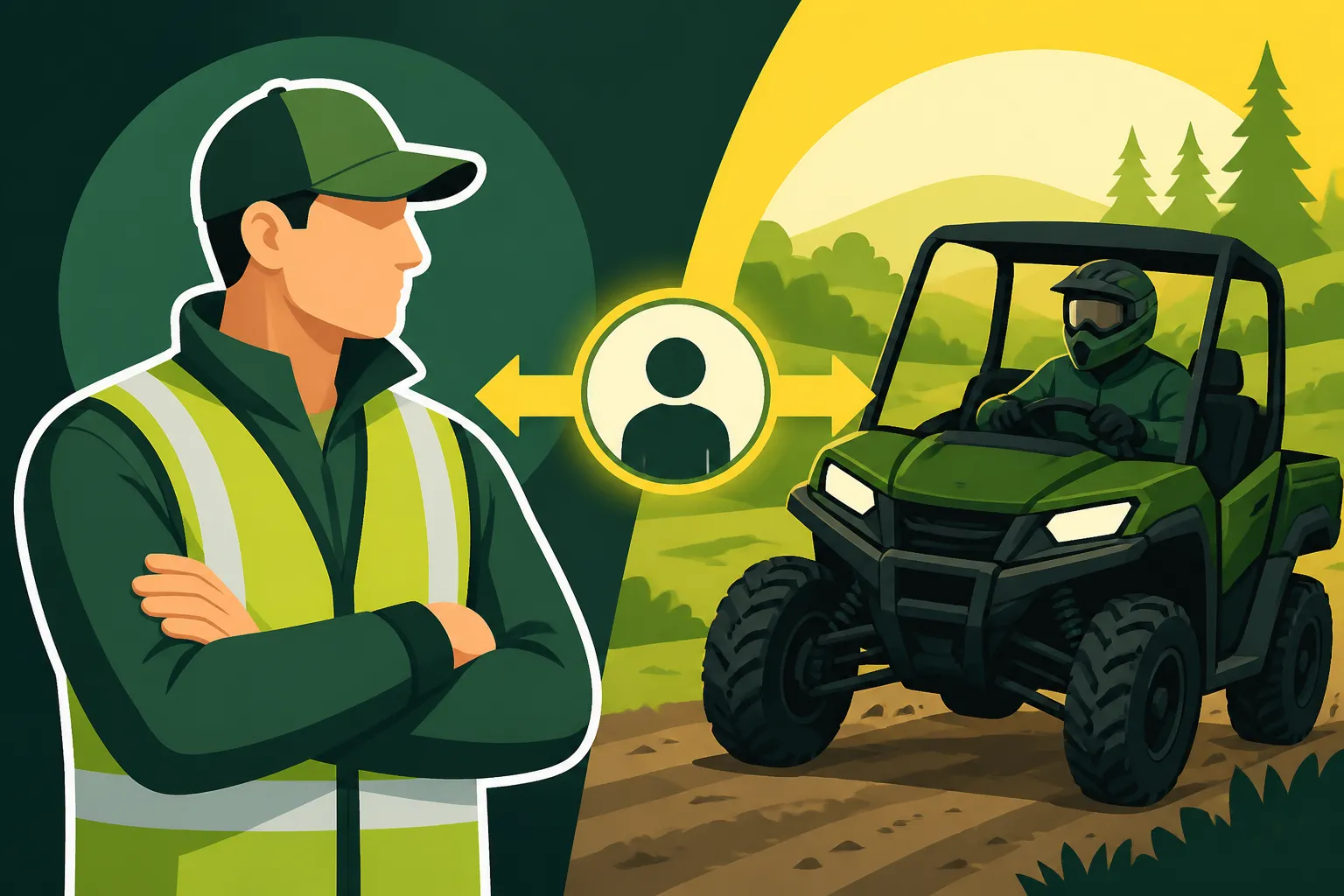
This is where the rubber meets the road, so to speak, and where much of the confusion arises. If a 14-year-old is physically steering and accelerating their ATV, it's natural to assume they are the "operator." In many everyday contexts, they absolutely would be. However, the [Saskatchewan's All Terrain Vehicles Act] introduces a specific legal construct that shifts this perception under certain conditions. Many people are surprised to learn that while the youth rider is physically manipulating the controls, the Act, in a legal sense, considers the supervisor to be the operator.
This distinction is not just a matter of semantics; it has profound implications for accountability, tickets, and liability in the event of an accident. When a peace officer stops a group, or if there's an incident, the question of "who was operating the machine?" isn't always answered by pointing to the person in the seat. This fundamental misunderstanding can lead to supervisors inadvertently putting themselves in a legally precarious position, thinking they are merely chaperoning when, in fact, they are legally driving the machine.
The "Supervisor as Operator" Rule Explained
Saskatchewan takes a rather unique approach to supervision within its All Terrain Vehicles Act, especially when compared to some other jurisdictions. This particular rule, stating that The Act Treats the Supervisor as the Operator, is central to understanding your responsibilities when riding with a youth or an uncertified individual. It's a critical piece of legislation that ensures accountability and encourages diligent supervision.
Legal Definition and Implications
The core of this rule is found directly in the Act, which defines "operator" in a way that includes the supervisor when certain conditions are met. Specifically, if a person is operating an ATV while under the supervision of another person who is required by the Act to supervise, then the supervisor is deemed the operator for the purposes of the Act. This means that any infraction, any violation of the rules, or any liability that would normally fall to the physical operator of the machine, instead falls squarely on the shoulders of the supervisor.
Consider a simple example: a 13-year-old rider, legally permitted to ride under supervision, is operating an ATV on a grid road, but they exceed the posted speed limit. While the youth is physically pressing the throttle, the ticket for speeding would be issued to the adult supervisor, not the 13-year-old. This is because, in the eyes of the law, the supervisor was the operator. This extends beyond traffic infractions to other duties, such as ensuring the machine is properly equipped, carrying adequate [Saskatchewan Insurance Requirements for Riders], and adhering to all rules of operation. The legal implications are clear: being a supervisor means taking on the full legal responsibility of operating the ATV.
Practical Scenarios of the Rule in Action
Let's look at a few common scenarios where this rule plays out:
- Youth Rider on a Trail: Imagine you're riding with your 14-year-old child on an approved trail in a provincial park like Moose Mountain. Your child is having a blast, but perhaps they take a turn too fast or ride too close to another machine. If a park officer observes this, it is you, the supervisor, who would be addressed and potentially ticketed for the infraction. The child is the rider, but you are the legal operator.
- New Adult Rider on a Farm: Your cousin, who's 20 but has never ridden an ATV before and hasn't taken a safety course, wants to learn. You're teaching them how to ride on the edge of a field that borders a public access road. If they accidentally drift onto the road and don't yield to oncoming traffic, and an incident occurs, you, as their supervisor, would be held liable and potentially face charges for the failure to yield, among other things.
- Machine Violations: You lend your utility ATV, perhaps one fitted with some robust SuperATV aftermarket accessories for farm work, to a supervised youth. If that machine has a faulty headlight or an improperly mounted attachment that violates the Act's equipment rules, and a peace officer stops the youth, you, the supervisor, would be responsible for the equipment violation. It's not just about how the machine is driven, but also its legal readiness.
These examples illustrate that the "supervisor as operator" rule isn't an abstract concept; it has very real, tangible consequences for anyone taking on a supervisory role.
How This Differs from Other Jurisdictions
It's worth noting that Saskatchewan's approach, while logical in its aim for accountability, isn't universally replicated in other provinces or states. Many jurisdictions might fine the youth directly or have different tiers of liability that don't always equate the supervisor with the full operator status. For example, some places might focus more on parental liability for a minor's actions rather than directly making the supervisor the operator.
This difference highlights why it's crucial for anyone riding in Saskatchewan, particularly visitors from other provinces or countries, to understand the local laws. What might be an acceptable form of supervision in Alberta or Manitoba, where a parent might be generally liable but not legally considered the operator, could lead to unexpected fines and legal entanglements for a supervisor in Saskatchewan. Familiarizing yourself with [Saskatchewan Rules for a Visiting Alberta Rider] or [Saskatchewan Rules for a Visiting Manitoba Rider] is paramount to avoid unpleasant surprises. This unique interpretation reinforces the need for supervisors in Saskatchewan to be exceptionally vigilant and fully prepared to assume all responsibilities that come with being the legal operator.
Who Qualifies as a Supervisor in Saskatchewan?
The legal weight of being deemed the "operator" when supervising an ATV rider in Saskatchewan means that the province doesn't just let anyone step into this role. There are specific qualifications and responsibilities designed to ensure that the person taking on this critical role is capable and knowledgeable. It's not enough to simply be an adult present; you must meet defined criteria.
Age and Licensing Requirements for Supervisors
For an adult to legally serve as a supervisor under [Saskatchewan's Exception for Riders 12 and Over], they must meet two primary requirements related to their driving experience:
- Age: The supervisor must be at least 18 years of age. This ensures a certain level of adult maturity and judgment is brought to the supervisory role.
- Licence Holding Period: Crucially, the supervisor must hold a valid driver's licence that has been held for a minimum of 365 days. This "365-day rule" is explicitly outlined as [The Supervisor Needs a Licence Held 365 Days]. The intent behind this is to ensure the supervisor has a full year of driving experience, demonstrating a foundational understanding of road rules, traffic dynamics, and responsible vehicle operation. This isn't just about knowing how to drive a car; it implies a general competence in understanding and adhering to regulations that apply to vehicles in motion, which translates to ATV operation. Without meeting both of these criteria, even a well-intentioned adult cannot legally fulfill the role of a supervisor for a youth or uncertified rider under the Act.
The Role of Approved Safety Courses
While direct supervision by a qualified adult is the most common path for youth riders (12-15 years old), the Act also provides an alternative: a certified safety course. [How a Safety Course Replaces a Supervisor] is a significant provision. If a youth in the 12-15 age range successfully completes an ATV safety course approved by the Administrator of the Act, they may then operate an ATV independently on public lands without the immediate, direct supervision of a qualified adult.
This safety course option is invaluable because it provides structured training on safe operating procedures, environmental considerations, and knowledge of the Act itself. It empowers younger riders with the skills and understanding needed to ride more independently, rather than relying solely on continuous adult oversight. However, even with a course, there are still responsibilities. The youth is then considered the operator, but the parent or guardian is still ultimately responsible for ensuring the youth adheres to the rules. For adults who are learning to ride, while a safety course doesn't remove the need for a license, it drastically enhances their skills and understanding, making them safer operators overall, whether supervised or not.
Duties and Responsibilities of a Supervisor
Beyond simply meeting the age and licensing requirements, being a supervisor comes with an active set of duties. Because The Act Treats the Supervisor as the Operator, you are responsible for ensuring that all aspects of safe and legal operation are met, not just that the supervised rider is staying on the trail. Here’s what that entails:
- Direct and Continuous Oversight: You must be in a position to effectively supervise the operation. This usually means riding another ATV in close proximity, maintaining visual contact, and being able to communicate instructions or warnings. Simply being in the same general area or relying on distant shouts won't cut it.
- Compliance with All Regulations: As the legal operator, you are responsible for ensuring the machine meets all equipment standards (e.g., working headlights, taillights, spark arrestor) and that the rider is wearing the appropriate safety gear, including an approved helmet and eye protection. You must also ensure the machine is insured to the [Saskatchewan's Minimum Insurance Requirement].
- Adherence to Operational Rules: This includes making sure the supervised rider obeys all speed limits, stays off prohibited roads or private property, respects environmental rules, and follows all rules regarding crossings and ditch riding. If the rider veers off a designated trail in a provincial park or uses a machine in a prohibited area, the supervisor is accountable.
- Knowledge of the Rider's Capabilities: A good supervisor doesn't just passively observe. They actively assess the rider's skill level, the terrain, and environmental conditions, making judgments to prevent situations beyond the rider's current capabilities. This might mean choosing less challenging trails or limiting speeds.
A supervisor is truly the co-pilot, responsible for steering the entire operation safely and legally. It's a role that demands attentiveness, knowledge, and proactive engagement.
Legal Ramifications for the Supervisor
The "supervisor as operator" rule isn't just a detail in the legislation; it’s a critical aspect of accountability that carries significant legal weight. For anyone supervising an ATV rider in Saskatchewan, understanding these ramifications is essential to protect yourself and ensure responsible recreation. The consequences can range from fines to more severe liability in the event of an accident.
Liability in Case of Accidents or Infractions
When you are deemed the operator, any legal and financial liability that would normally fall to the physical rider for an infraction or accident shifts to you. This is the cornerstone of the rule. If a youth under your supervision is observed violating the [Saskatchewan ATV Road Rules Explained], such as riding on a prohibited street or failing to stop at a stop sign, the ticket will be issued to you, the supervisor. [Why a Supervisor Can Be Ticketed for a Rider] is a direct consequence of this legal designation. These aren't minor consequences; fines under the Act can be significant, potentially reaching up to $1,000 for certain offenses.
Beyond simple infractions, the liability implications in the event of an accident are even more severe. If the supervised rider is involved in a collision that causes injury or property damage, the supervisor, as the legal operator, could be held responsible. This means you could be personally liable for medical costs, repairs to vehicles, or other damages incurred. This highlights the immense importance of not only having a valid driver's licence for 365 days but also exercising extreme caution and active supervision to mitigate risks.
Insurance Implications for Supervisor and Machine Owner
The "supervisor as operator" rule also has a direct bearing on insurance coverage. Since the supervisor is legally operating the machine, their liability insurance would be the primary coverage in the event of an accident where the supervised rider is at fault. This means:
- Personal Liability Coverage: Your personal liability insurance, typically part of your auto or home insurance policy, might come into play, or more specifically, your standalone ATV insurance policy. It's imperative to ensure you have sufficient liability coverage, as the [Saskatchewan Owner Liability Rules] mean that you, as the supervisor (and effectively, the operator), are on the hook.
- Machine Owner's Policy: If you are supervising a rider on a machine you do not own, the machine owner’s insurance policy would still be relevant for damage to the machine itself, but your liability coverage would likely be primary for third-party damages, as you were the legal operator. This is why it’s always a good idea for anyone letting someone else ride their machine to confirm their insurance coverage for such scenarios.
Before heading out, it's a wise practice to review your insurance policy and, if necessary, speak with your insurance broker. Clarify what your policy covers when you are acting as a supervisor, and specifically what liability limits apply. Understanding your coverage before an incident occurs can save immense stress and financial hardship.
Preventing Issues: Best Practices for Supervisors
Given the significant legal responsibilities, taking a supervisory role seriously is paramount. Here are some best practices:
- Lead by Example: Always demonstrate safe riding practices. Wear all required safety gear, adhere to speed limits, and respect all traffic laws. Your supervised rider will learn from your actions.
- Thorough Pre-Ride Briefings: Before every ride, talk through the route, potential hazards, and specific rules. Discuss what to do in various situations, like encountering other vehicles or navigating challenging terrain.
- Constant Communication: Maintain clear and consistent communication with your supervised rider. This might involve hand signals, verbal cues, or even communication systems if conditions allow.
- Machine Familiarity: Ensure the supervised rider is fully familiar with the ATV they are operating. Walk them through all controls, starting and stopping procedures, and emergency actions. This is especially true if you're riding a machine with specialized components, like those from SuperATV that might have different handling characteristics or features.
- Match Skill to Terrain: Never put a supervised rider in a situation beyond their skill level. Start with easy, open areas and gradually introduce more complex terrain as their confidence and ability grow.
- Regular Check-ins: Periodically stop to check on the rider's comfort, fatigue, and understanding. A short break can prevent mistakes born from exhaustion or confusion.
- Carry Necessary Documentation: Always have your valid driver's licence and proof of insurance on you when supervising. An officer will ask for these, and having them readily available can prevent further issues. Carrying papers on a grid road is not just good practice, it's often a requirement.
Supervision is an active, engaged role. By being proactive and highly attentive, supervisors can significantly reduce risks and ensure a safe, enjoyable, and legal riding experience for everyone involved.
Common Misconceptions and Clarifications
Despite the clear wording in the Saskatchewan All Terrain Vehicles Act, there are still many misunderstandings surrounding the "supervisor as operator" rule. These misconceptions can lead to unintentional violations and unexpected legal consequences. Clearing up these common points of confusion is vital for all ATV enthusiasts in the province.
The Myth of "Just Being There"
Perhaps the most prevalent misconception is that supervision simply means "being present." Many adults assume that as long as they are physically near a youth rider, perhaps even riding a separate ATV a short distance away, they are fulfilling their supervisory duty. The reality is far more demanding. The Act implies active, direct, and effective supervision. This isn't just about being in the same general vicinity; it's about being able to intervene, instruct, and control the situation immediately.
Consider a scenario: a parent is riding their own ATV and their 13-year-old is riding another, 50 metres ahead on a winding trail. If the youth takes a blind corner too fast and nearly collides with another machine, the parent was "there" in a physical sense, but were they effectively supervising? The Act suggests that the supervisor must be close enough and attentive enough to prevent such incidents, or at least respond to them in real-time. Passive observation is not supervision in the legal sense. The expectation is that the supervisor is functionally in charge of the machine being operated by the supervised rider, making immediate decisions as if they were physically in control.
Distinguishing Between Operator and Rider
This rule often blurs the lines between "rider" and "operator," leading to confusion. To clarify:
- Rider: This is the individual who is physically sitting on and manipulating the controls of the ATV. In the context of supervision, this is often the youth (12-15 years old) or an uncertified adult. They are the ones experiencing the ride directly.
- Operator (Legally Deemed): When supervision is required, the "operator" is the adult who meets the age and licensing requirements, and who is actively supervising. This person carries the legal responsibility. So, while a 14-year-old might be the rider, their supervising adult is the legal operator for all intents and purposes of the Act.
This distinction is crucial for understanding who will face charges or liability. If a peace officer pulls over a youth on an ATV, they won't be asking the youth for their driver's licence; they will be asking the supervisor for theirs, because the supervisor is the one legally operating the machine. This fundamental difference is often overlooked, creating frustration and misunderstanding when infractions occur.
When the Rule Doesn't Apply
It's equally important to understand when the "supervisor as operator" rule does not apply, to avoid unnecessary caution or incorrect assumptions:
- Independent Adult Riders: If an adult (16 years or older) is riding an ATV, holds a valid driver's licence, and is operating the machine according to all other provisions of the Act, they are considered the sole operator. They do not require a supervisor, and no one else would be legally deemed the operator for their actions. [Saskatchewan Requires a Driver's Licence] for independent operation on public lands.
- Certified Youth Riders: If a youth between 12 and 15 years old has completed an Administrator-approved ATV safety course, they are no longer required to ride under direct supervision on public lands. In this case, the youth becomes the sole operator, legally responsible for their own actions. The course essentially grants them temporary "adult" operator status under the Act for riding purposes.
- Private Land Exemptions: Many of the provisions of the All Terrain Vehicles Act, including some of the age and supervision rules, do not apply when an ATV is being operated entirely on private land. For instance, [Riding on Family Land Falls Outside the Act] in many respects. If a family is riding exclusively on their own farm, for example, the strict supervision rules for public lands often don't apply. However, it's always wise to ensure safety regardless of the legal requirements, and local municipal bylaws might still have provisions.
- Machines Excluded from the Act: The Act also has specific definitions of what constitutes an "all terrain vehicle" and lists certain machines that are excluded from its scope. For instance, [Saskatchewan Golf Carts Are Excluded] and [Saskatchewan Agricultural Implements Are Excluded]. If a machine falls into one of these excluded categories, the "supervisor as operator" rule wouldn't apply because the Act itself doesn't govern its use.
Understanding these exceptions helps riders navigate the rules more effectively, ensuring they apply the "supervisor as operator" principle only when it's legally mandated, thereby promoting both safety and compliance.
Broader Impact on Saskatchewan ATV Riding Culture
The "supervisor as operator" rule, along with other regulations in the All Terrain Vehicles Act, profoundly influences the culture of ATV riding in Saskatchewan. It shapes how families introduce new riders to the sport, how communities view ATV use, and even how advocacy groups approach future legislative changes. This is more than just a set of rules; it's a framework that guides responsible recreation across the province.
Encouraging Responsible Riding Habits
By placing the legal onus on the supervisor for certain riders, the Act inherently pushes for a higher standard of responsibility. This isn't just about avoiding tickets; it’s about fostering a culture where safety and compliance are paramount from the very beginning. When an adult knows they are legally considered the operator, they are far more likely to:
- Be Diligent in Instruction: Supervisors are compelled to teach safe riding techniques, emphasizing control, awareness, and respect for others and the environment. This foundational instruction for youth riders, or new adult riders, is critical for long-term safety.
- Ensure Proper Equipment: The rule encourages supervisors to ensure not only the rider but also the machine, is ready for the trail. This includes making sure helmets meet standards, protective gear is worn, and the ATV itself is in good working order, perhaps even installing specific safety enhancements like those from SuperATV.
- Adhere to All Rules: Knowing they are on the hook for infractions, supervisors are more likely to strictly enforce speed limits, ensure riders stay on designated paths, and prevent prohibited activities. This helps to reduce negative interactions with other land users and minimize environmental impact.
This legal framework, while sometimes perceived as strict, ultimately contributes to a safer riding environment for everyone. It ensures that the learning process for new riders is guided by experienced and legally accountable individuals, instilling good habits from the outset.
The Role of Community and Education
The emphasis on qualified supervision and safety courses naturally strengthens the role of community and education in Saskatchewan's ATV scene. Local ATV clubs, such as those affiliated with the Saskatchewan All Terrain Vehicle Association (SATVA), become even more vital. They often:
- Promote Safety Training: Clubs frequently advocate for and sometimes even organize approved ATV safety courses, recognizing that [Saskatchewan Youth Certification Options] are a pathway to safer, more independent riding.
- Offer Mentorship: Experienced club members often serve as mentors, not just for riding techniques, but also for understanding the nuances of the Act and responsible land use.
- Facilitate Group Rides: Organized group rides, especially those designed for families, provide excellent opportunities for supervised riding in a controlled and educational environment. [Saskatchewan ATV Clubs Worth Joining] often champion these initiatives.
Education extends beyond formal courses. It includes informal discussions at the trailhead, sharing knowledge about local bylaws, or guiding new riders through challenging terrain. The "supervisor as operator" rule underscores the importance of this shared knowledge and collective responsibility within the ATV community.
Advocacy for Future Changes or Clarifications
While the Act has been in place for some time, the riding landscape continues to evolve. The "supervisor as operator" rule, while effective in its aim, is also a point of ongoing discussion among riders, advocacy groups, and government bodies.
- Clarification of "Direct Supervision": Some advocates push for clearer definitions of what "direct supervision" actually entails in various contexts, from open fields to dense bush, to reduce ambiguity.
- Harmonization with Other Provinces: There's sometimes a desire for greater harmonization of ATV laws across provinces, which could simplify things for riders moving or visiting from outside Saskatchewan. Understanding [Saskatchewan Registration Compared to Alberta] or [Saskatchewan Registration Compared to Manitoba] often highlights these differences.
- Support for Safety Programs: ATV associations continuously advocate for more accessible and affordable safety training programs, recognizing their role in empowering riders and potentially reducing the burden on supervisors.
These ongoing conversations reflect a healthy and active riding community that is engaged with the legal framework governing their passion. The "supervisor as operator" rule, therefore, is not a static piece of legislation, but a dynamic element shaping the present and future of ATV riding in Saskatchewan.
Here's a table summarizing the key aspects of the "Supervisor as Operator" rule:
| Aspect | Description | Supervisor's Responsibility |
|---|---|---|
| Legal Status | Supervisor is legally deemed the "operator" for an uncertified/youth rider. | Assumes all legal duties and liabilities of operating the ATV. |
| Eligibility | Must be 18+ years old and hold a valid driver's licence for 365+ days. | Must meet these requirements to legally supervise. |
| Supervision Type | Must be direct, active, and effective; not merely present. | Maintain close proximity, visual contact, and ability to intervene. |
| Infractions | Any violation by the rider is legally attributed to the supervisor. | Receives tickets/fines for rider's non-compliance (e.g., speeding, illegal riding). |
| Accident Liability | Supervisor is primarily liable for damages/injuries caused by the rider. | Ensure adequate liability insurance coverage. Exercise extreme caution. |
| Machine Compliance | Responsible for ensuring the ATV meets all equipment requirements. | Check machine maintenance, safety features, and appropriate accessories. |
| Safety Gear | Responsible for ensuring the rider wears proper, approved safety gear. | Verify helmet, eye protection, and appropriate clothing are used. |
| Alternative for Youth | Youth 12-15 can take an approved safety course to ride independently. | Ensure youth completes course, then youth becomes sole operator. |
Disclaimer
This article is for general informational purposes only and does not constitute professional advice. Laws, prices and regulations vary by location and change over time. Consult a qualified professional for guidance on your specific situation.