The Maximum Fine Under the Act Is $1,000
It’s a common misconception among riders in Saskatchewan that because our province doesn't have a provincial registration system for ATVs and UTVs, there aren't many rules or consequences for breaking them. This couldn't be further from the truth, and the reality is that non-compliance can hit your wallet hard. This guide will cut through the confusion and clearly lay out the maximum provincial fine you could face under Saskatchewan's ATV Act, along with other critical penalties to help you ride legally and safely.
Understanding the All Terrain Vehicles Act ATVA and Its Penalties
When you're out exploring the vast landscapes of Saskatchewan on your quad or side-by-side, it's easy to feel a sense of freedom, far removed from urban regulations. However, that feeling can quickly vanish if you encounter a peace officer and aren't compliant with the law. While many provinces have ATV registration and licensing requirements, Saskatchewan operates differently, but that doesn't mean there's an absence of rules. In fact, a specific piece of legislation, [Saskatchewan's All Terrain Vehicles Act], dictates how and where you can operate these machines, and it carries significant penalties for those who disregard its provisions.
The Foundation: Saskatchewan's Act From 1988 and Its Regulations
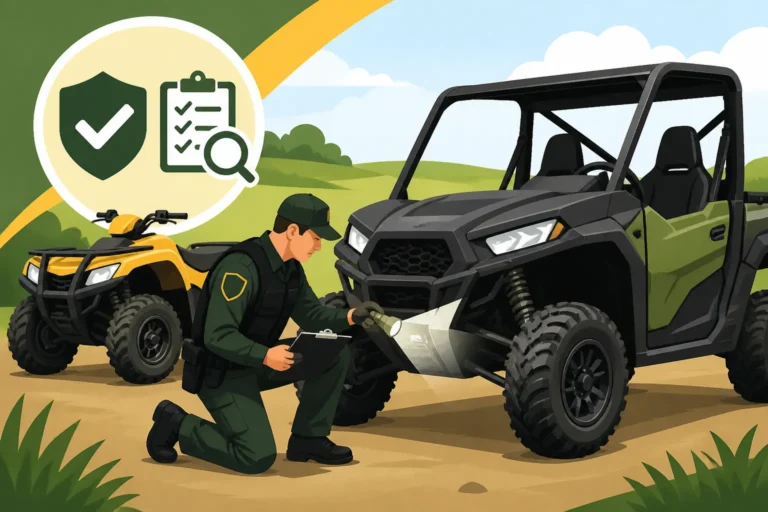
The primary legal framework governing ATVs in our province is [Saskatchewan's Act From 1988]. This Act, while seemingly old, remains very much in force and is supplemented by detailed regulations that address everything from age restrictions to required equipment and operational guidelines. Many riders might assume that because their quad isn't registered, it's somehow "off the radar" for enforcement, but this is a dangerous assumption. Peace officers, including the RCMP and conservation officers, are well-versed in the Act and its associated regulations. They have the authority to pull you over, inspect your machine, and demand proof of compliance, such as your driver's license and insurance. This foundation ensures that despite the lack of a provincial registration system, a robust legal structure is in place to promote safe and responsible ATV operation across Saskatchewan.
Common Offenses That Lead to Provincial Fines
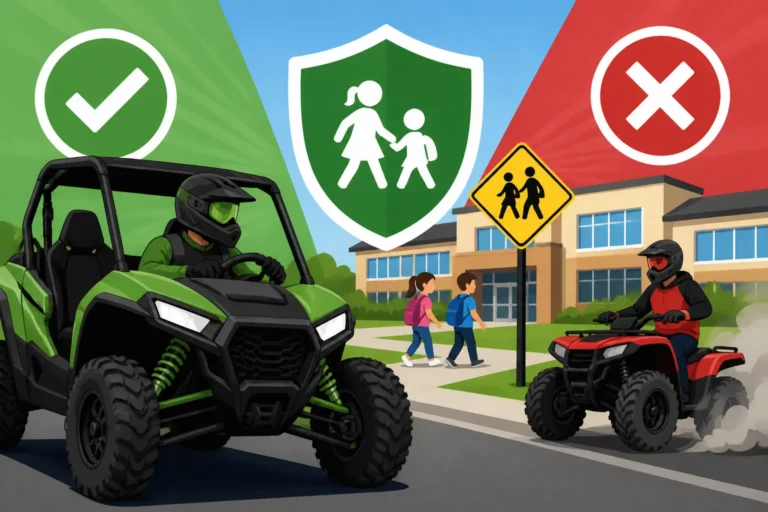
So, what exactly can get you a ticket under this Act? The list is comprehensive, covering many aspects of ATV operation. For instance, operating an ATV without the required liability insurance is a surefire way to face a provincial fine, as is failing to wear an approved helmet and eye protection. There are strict rules around age requirements, particularly for younger riders, and operating a machine while underage or unsupervised can result in serious penalties for both the rider and the adult in charge. Riding on prohibited areas, like certain Crown lands or paved highways, also falls under the Act's purview, as do specific rules about crossing public roads or riding after dark. Each of these infractions can lead to a fine, and while some might seem minor, they all contribute to the potential for a significant financial hit. It's crucial for riders to understand that ignorance of the law is not an excuse, and these provincial fines are designed to deter unsafe and illegal practices.
The Provincial Fine Ceiling: What $1,000 Really Means
When we talk about fines, it's important to understand the maximum. For many offenses under the provincial Act, [Saskatchewan Fines Capped at $1,000] is the figure that looms largest. This isn't to say every ticket you get will be for a thousand dollars, but it represents the upper limit a court can impose for a single violation of the Act. Think of it as a serious ceiling. A fine of this magnitude can certainly put a dent in anyone's budget, especially when you consider that a single riding incident might involve multiple infractions. For example, if you're caught riding on a prohibited road without a helmet and without proper insurance, you could theoretically face multiple fines that, while each might be less than $1,000, could quickly add up to a substantial amount. The goal isn't just to punish, but to create a strong disincentive for behavior that could endanger yourself, others, or the environment.
Beyond the Ticket: Default Penalties and Disqualified Driving
A provincial fine isn't always the end of the story. If you fail to pay a fine imposed under the Act, the consequences can escalate significantly. The justice system has mechanisms to enforce payment, which can include adding surcharges, reporting the default to credit agencies, or even leading to more serious legal actions. In some cases, if a fine remains unpaid, you could face what's known as [Thirty Days in Default] which essentially means jail time for non-payment. This is a severe step, but it illustrates how seriously the province takes compliance with its laws. Furthermore, certain offenses, especially those involving dangerous operation or repeated violations, can lead to your driver's license being disqualified. [Saskatchewan Disqualified Driver Offences] means you won't be able to legally operate any motor vehicle, including your car or truck, for a specified period. This ripple effect beyond just the ATV itself is a powerful reminder of the importance of adhering to the rules and managing any fines responsibly.
Owner Accountability: Saskatchewan Owner Liability Rules and the Reverse Onus
One aspect of Saskatchewan's ATV law that often surprises owners is the concept of owner liability. This isn't just about who was riding the machine at the time of an infraction; it's about the responsibility that falls on the owner of the ATV. Under [Saskatchewan Owner Liability Rules], if your machine is involved in an incident or an infraction, you, as the owner, could be held responsible, even if you weren't the one operating it. This is particularly relevant if you lend your ATV to a friend, a family member, or even allow a child to ride it. The Act creates a [Saskatchewan Reverse Onus in a Claim], which means that if your ATV is involved in an accident and causes damage or injury, the owner is presumed liable unless they can prove they were not negligent. This puts the burden squarely on the owner to demonstrate that they took all reasonable steps to ensure the operator was competent, licensed (if required), insured, and operating the machine safely and legally. It’s a compelling reason to be extremely selective about who you allow to operate your machine and to ensure they understand and abide by all provincial and local regulations.
Key Rules to Follow to Avoid Fines
Preventing fines and ensuring a smooth, enjoyable riding experience comes down to knowing and following the rules. It sounds simple, but many riders get tripped up by specific requirements that are often overlooked.
Rider Eligibility, Supervision, and Safety Training
Saskatchewan has clear guidelines about who can operate an ATV and under what conditions. [Saskatchewan ATV Age Requirements] are fundamental here. Generally, no one under the age of 16 is permitted to operate an ATV on public lands, except under specific circumstances. For riders between 12 and 15, there's an exception: they can operate an ATV if they are accompanied by and supervised by a person who is at least 18 years old and has held a driver's license for at least 365 days. This is known as [Saskatchewan's 365-Day Supervisor Rule]. This supervisor is essentially responsible for the youth's actions, and if the youth commits an infraction, the supervisor can also be held accountable.
There's also an alternative to the direct supervision rule for youth aged 12 to 15: completing an approved ATV safety course. [How a Safety Course Replaces a Supervisor] is a critical detail for many families. Successfully completing an Administrator-approved course and carrying proof of completion allows a youth to operate without constant direct supervision. When looking for [Saskatchewan Youth Certification Options], ensure the course is recognized by the province's Administrator. This isn't just about avoiding a fine; it's about instilling safe riding habits from a young age and protecting our most vulnerable riders.
Mandatory Insurance and Essential Safety Gear
Two non-negotiable requirements for riding an ATV in Saskatchewan are having proper insurance and wearing the correct safety gear. Every ATV operated in Saskatchewan, whether on private land, Crown land, or where municipal bylaws permit, must have at least the [Saskatchewan Minimum Insurance Requirement]. This typically means having liability insurance, which covers damages or injuries you might cause to others. Without it, you’re not only risking a provincial fine but also opening yourself up to significant financial ruin in the event of an accident. It’s imperative to have [Saskatchewan Insurance Proof on the Trail] whenever you ride, as a peace officer can ask to see it. Many riders carry their insurance card or a digital copy on their phone.
Equally important are the [Saskatchewan Helmet and Eye Protection Rules]. A properly fitted, approved helmet is not optional; it’s mandatory. This means a helmet designed for motor vehicle use, like those for motorcycles or ATVs, not just a bicycle helmet. Eye protection is also required, whether it’s a helmet visor or separate goggles. Tinted visors or goggles are generally allowed during the day, but at night, clear eye protection is essential for visibility. These aren't just rules to avoid a ticket; they are fundamental safety measures that dramatically reduce the risk of serious injury in a crash. Investing in quality safety gear is an investment in your own well-being.
Navigating Roads, Ditches, and Crown Land Legally
Riding on or near public roads is where a lot of confusion, and subsequently, a lot of fines, arise. Generally, [Saskatchewan ATV Road Rules Explained] prohibit ATVs from being operated on the traveled portion of a public highway. There are exceptions, of course, for crossing a highway directly, or when municipal bylaws specifically permit road riding. However, even when crossing, there are rules: you must come to a complete stop, and all passengers must dismount and walk across. Riding in the ditch can also be tricky. While often tolerated, [Saskatchewan Rules for Riding a Ditch] stipulate you must maintain a minimum distance from the traveled portion of the highway, typically two meters, and always ride in the same direction as traffic.
Crown land access is another area where riders need to be vigilant. While much of Saskatchewan offers incredible opportunities for off-road riding, [Saskatchewan Rules for Riding Crown Land] are not a free-for-all. Specific areas, particularly those designated as ecological reserves or certain provincial parks, may prohibit ATV use entirely. Others may have seasonal restrictions, for instance, during wildfire season or critical wildlife periods. Always check local regulations and administrative orders for the specific area you plan to ride. Beyond provincial rules, [Saskatchewan Municipal Bylaws on Roads] can greatly impact where you can ride. Many rural municipalities and even some towns have specific bylaws that either permit or prohibit ATV use on their local roads and streets. It's crucial to check with the local RM or town office before you ride in a new area. For riders looking to enhance their UTV for any legally permitted road-riding within a municipality, SuperATV offers a range of accessories like signal kits, mirrors, and horns that can help meet requirements and improve visibility.
Other Serious Consequences and Local Regulations
While the $1,000 maximum fine under the All Terrain Vehicles Act is significant, there are other severe penalties and regulatory layers that riders need to be aware of. These can often be more impactful than a simple ticket.
Wildfire Prevention: Penalties Under the Wildfire Act
Saskatchewan's landscape, particularly during dry seasons, is susceptible to wildfires, and ATVs can, unfortunately, be a source of ignition. This is why the [Saskatchewan Wildfire Act Duties for Riders] are extremely important. Riders have a legal responsibility to prevent wildfires. This includes ensuring your machine has a functional spark arrestor, inspecting your ATV for accumulated combustible debris (like dry grass or leaves) before and during your ride, and adhering to fire bans. [Saskatchewan Spark Arrestor Guidance] specifies the need for a screen or device that prevents sparks from escaping the exhaust.
The penalties under the Wildfire Act are often much higher than those under the ATV Act, reflecting the immense danger and cost of wildfires. [Saskatchewan Wildfire Penalties] can involve substantial fines, potentially reaching into the tens of thousands of dollars, and even imprisonment for serious offenses that lead to a fire. If your machine is found to be the cause of a wildfire, you could also be held liable for the full cost of fire suppression, which can be astronomical. Always check fire ban statuses before heading out, especially during the spring and summer months. These rules are in place not just to protect the environment but to protect lives, homes, and livelihoods.
Machine Seizure and Impoundment
One of the most immediate and inconvenient consequences of serious infractions under the ATV Act is the potential for your machine to be seized and impounded. [Saskatchewan Seizure and Impoundment Rules] give peace officers the authority to confiscate your ATV or UTV in certain situations. For example, if you are caught operating the machine while disqualified, if the machine is uninsured, or if it is being operated in a grossly unsafe or illegal manner, an officer may decide to seize it on the spot. [When a Peace Officer Can Seize Your Quad] is a situation no rider ever wants to face.
Getting a seized machine back is not a simple process. It typically involves paying towing and storage fees, which can quickly add up, in addition to any fines you receive. There might also be an impoundment period during which the machine cannot be released, regardless of whether you've paid the fines. This can leave you without your machine for weeks or even months. This penalty serves as a powerful deterrent, as it directly impacts your ability to use your expensive equipment and adds a significant financial burden beyond the initial fine.
Municipal Bylaws: Another Layer of Fines
While the provincial Act sets a baseline, don't forget that local governments have their own say. [Saskatchewan Municipalities With ATV Bylaws] can create an additional layer of rules and, consequently, fines. Many rural municipalities and even some villages or towns have specific bylaws governing where ATVs can be operated within their boundaries, speed limits, noise restrictions, or even whether they need a municipal permit or plate. Some municipalities, like the Resort Village of Candle Lake or the District of Lakeland, have implemented their own plate schemes, even though the province doesn't require one. These municipal plates often come with their own set of rules and associated fines for non-compliance, such as not displaying the plate or riding on prohibited streets.
The fines for breaking municipal bylaws might be different from the provincial maximum, but they are still enforceable and can add up. It's not uncommon for riders to assume "no provincial registration, no rules," only to find themselves facing a municipal ticket for riding on a street where it's prohibited. This is particularly relevant if you're riding near a cottage, cabin, or in a resort community. Always check with the local RM office or consult their website for current bylaws before you ride in a new area. For extreme terrain or specialized riding conditions on permitted municipal lands, SuperATV also provides durable components like skid plates and heavy-duty axles that can help your machine withstand the rigors of the Saskatchewan landscape, minimizing damage that might otherwise lead to further expenses.
Here's a quick overview of common ATV infractions and their potential consequences in Saskatchewan:
| Infraction Category | Examples of Offenses | Potential Consequences | Relevant Act/Authority |
|---|---|---|---|
| Operational Rules | Riding on highways, prohibited areas, improper ditch use, reckless driving | Provincial fines up to $1,000, potential vehicle seizure, owner liability | All Terrain Vehicles Act |
| Rider Eligibility & Safety | Underage riding, no supervisor (for youth), no helmet/eye protection, no driver's license (if required) | Provincial fines up to $1,000, supervisor fines, owner liability, license disqualification | All Terrain Vehicles Act |
| Insurance | Operating without minimum liability insurance | Provincial fines up to $1,000, potential vehicle seizure, financial liability for damages/injuries | All Terrain Vehicles Act, The Traffic Safety Act |
| Wildfire Prevention | No spark arrestor, debris accumulation, ignoring fire bans | Significant fines (often higher than ATV Act), liability for fire suppression costs, potential imprisonment, vehicle seizure | The Wildfire Act |
| Local Bylaws | Riding on prohibited municipal streets, exceeding local speed limits, no municipal permit/plate | Municipal fines (vary by RM), potential vehicle seizure, loss of local riding privileges | Various Municipal Bylaws, e.g., Resort Village of Candle Lake |
Remember, staying informed is your best defense against unexpected fines and legal trouble. Enjoy the ride, but always ride responsibly and legally!
Disclaimer
This article is for general informational purposes only and does not constitute professional advice. Laws, prices and regulations vary by location and change over time. Consult a qualified professional for guidance on your specific situation.