What the 365-Day Supervisor Rule Actually Requires
It can be incredibly confusing trying to navigate all the rules and regulations for ATV and UTV use here in Saskatchewan, especially when you have younger riders eager to hit the trails. One rule that often leaves people scratching their heads is the "365-day supervisor rule." This guide is here to untangle exactly what that rule means, who needs to follow it, and what it actually requires of you, so you can ride safely and legally with peace of mind.
Understanding Saskatchewan's Core Age Restrictions for ATV Riders
Before we dive into the specifics of supervising, it’s crucial to understand the foundational age rules for ATV operation in Saskatchewan. These aren't just arbitrary numbers; they're in place to ensure rider safety and account for varying levels of maturity and experience.
The General Rule: No Riding Under 16
At its core, Saskatchewan law, as laid out in The All Terrain Vehicles Act, states that a person generally must be at least 16 years old to operate an all-terrain vehicle. This isn't just a suggestion; it's a hard and fast rule for independent operation. Imagine a family getting ready for a weekend ride out at the cabin. Their 10-year-old, who's been riding a small quad around the yard for years, might feel ready to join the adults on the grid roads. However, under this general rule, allowing that child to operate an ATV independently on any public land or property not specifically exempt would be a direct violation. The legislation recognizes that operating an ATV, especially outside of a controlled, private environment, requires a certain level of judgment, physical capability, and understanding of risks that often isn't fully developed before the age of 16. It's about protecting both the young rider and others they might encounter. For a more detailed look at the age floors, check out [Saskatchewan ATV Age Requirements].
The Crucial Exception: Riders 12 and Over
Now, here's where the "365-day supervisor rule" comes into play and provides a pathway for younger enthusiasts. While the general rule prohibits anyone under 16 from operating an ATV, there's a vital exception for youth who are at least 12 years old but not yet 16. This exception doesn't mean they can suddenly ride independently; rather, it allows them to operate an ATV under specific, stringent conditions that ensure their safety and responsible conduct.
This is where many people get tripped up. They might see a 14-year-old on a quad and assume they're breaking the law, not realizing that there's a legal framework that permits it with proper supervision. It’s not a free pass to let them roam, but a structured opportunity for supervised learning and recreation. This exception is designed to introduce younger riders to the sport in a controlled manner, fostering skills and responsibility under the watchful eye of an experienced adult. For those wondering about the specifics, we have an article on [Saskatchewan's Exception for Riders 12 and Over].
Deconstructing the 365-Day Supervisor Rule
This is the heart of the matter for many families in Saskatchewan. If you have a child between 12 and 15 years old who wants to ride an ATV, understanding this rule is paramount. It’s not just about having an adult present, but the right adult, with the right experience.
Who Qualifies as a Supervisor?
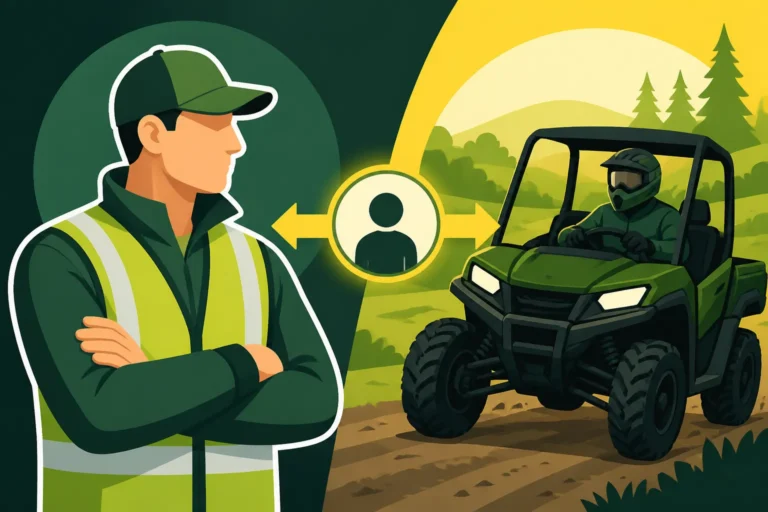
The "365-day supervisor rule" is quite specific about who can oversee a young rider. To qualify as a supervisor in Saskatchewan, an individual must:
- Be at least 18 years of age. This ensures that the supervisor is a legal adult capable of making responsible decisions.
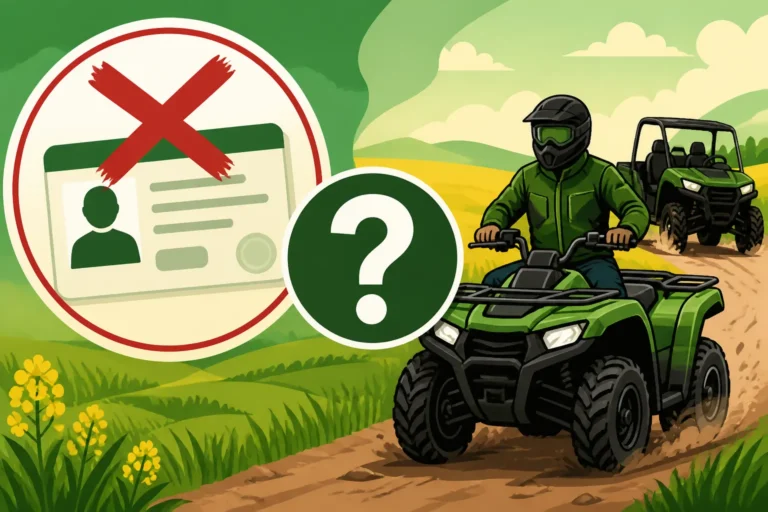
- Hold a valid driver’s license. This isn't just any license; it must be a license that permits them to operate a motor vehicle on a public highway. A learner's permit, for example, would not suffice.
- Have held that driver's license for a continuous period of at least 365 days. This is the "365-day" part of the rule. It's designed to ensure the supervisor has a full year of driving experience, demonstrating a proven level of maturity, road awareness, and understanding of traffic laws and safety. It's not about being able to operate an ATV for 365 days, but about general driving experience and responsibility.
Consider a scenario: a 14-year-old rider wants to go out with their 18-year-old cousin. The cousin just got their full driver's license three months ago. While the cousin is over 18, they haven't held a license for the continuous 365 days required. In this situation, the cousin would not qualify as a legal supervisor. The intent here is clear: the person in charge needs to have demonstrated a sustained period of responsible driving behaviour and knowledge of the rules of the road, even if they're supervising an off-road activity. This ensures that they can effectively teach and enforce safe riding practices for the younger operator.
What "Direct Supervision" Truly Means
The Act also specifies that the youth must be under "direct supervision." This isn't a casual affair where the adult is at the cabin while the child rides miles away. Direct supervision means:
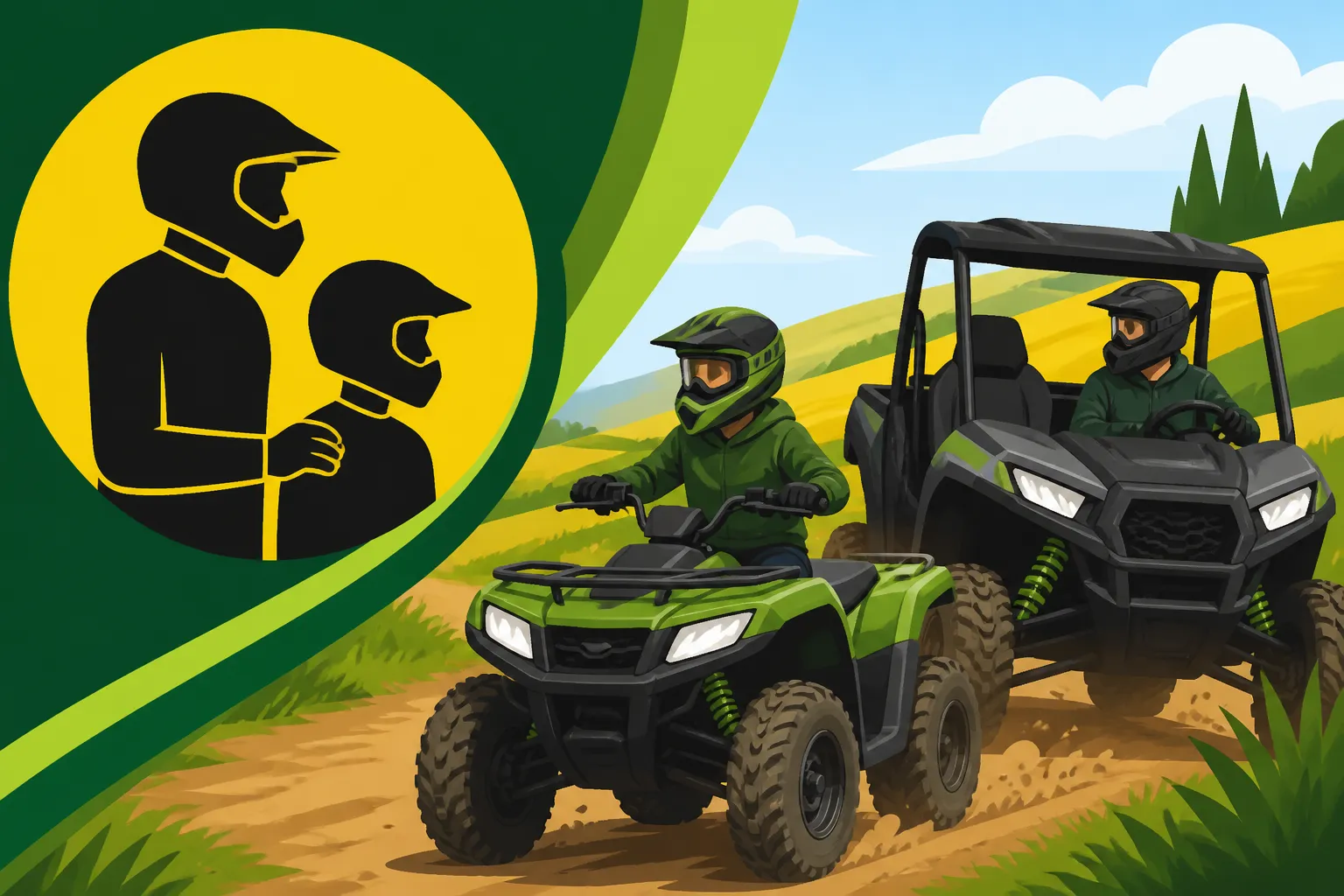
- The supervisor must be in a position to see and hear the youth at all times. This often means riding another ATV alongside or immediately behind the youth, or being very close by if riding in a confined, visible area. You can't be chatting with friends back at the staging area while the youth is out of sight down the trail.
- The supervisor must be capable of immediately intervening if necessary. This isn't just about physical proximity but also having the ability to communicate and react to potential hazards or rule violations. Imagine the young rider approaching a tricky section of trail or making an unsafe maneuver. The supervisor needs to be able to shout a warning, signal, or even physically intervene if the situation calls for it.
- The Act Treats the Supervisor as the Operator. This is a critical point that many supervisors overlook. Legally, for the purposes of an infraction or an accident, the supervisor is considered the operator of the youth's ATV. This means if the 14-year-old supervised rider is caught speeding or riding carelessly, it's the supervisor who will receive the ticket and face the penalties, not the child. This puts a significant onus on the supervisor to not only be present but to actively manage and control the youth's riding behavior.
For instance, if you're supervising a youth rider, and they take a corner too fast or venture into a prohibited area, you, the supervisor, are legally accountable. You might consider adding accessories to your own machine, perhaps from SuperATV, that enhance your ability to supervise, such as larger mirrors for better rear visibility or even a helmet communication system to maintain constant contact with your young rider. These tools can genuinely help in maintaining the required level of direct supervision, especially on winding trails or in challenging terrain.
The "Escort" Option for Youth Riders
While the 365-day supervisor rule is a common pathway for youth aged 12-15 to ride, there's another important option: an approved ATV safety course. If a youth between 12 and 15 successfully completes an ATV safety course approved by the Administrator of The All Terrain Vehicles Act, they are then exempt from the direct supervision requirement. This means they can ride independently (within other legal restrictions, of course) without an adult needing to be within sight and sound.
This "escort" option, as it's sometimes informally called, empowers young riders by providing them with formal training on safe operation, hazard recognition, and environmental responsibility. It's a fantastic investment for families who want their kids to develop strong riding skills and gain a measure of independence on the trails. It shifts the emphasis from constant adult presence to demonstrated competence. For more information on approved courses, you can look into [Which ATV Training Courses the Administrator Has Approved]. This alternative recognizes that formal education can provide the necessary skills and judgment, effectively replacing the need for an adult's constant direct oversight for these specific age groups.
The Supervisor's Responsibilities and Potential Liabilities
Being a supervisor isn't just about showing up; it carries significant legal weight and demands a high level of responsibility. When you agree to supervise a young rider, you are essentially stepping into their shoes legally, and that means taking on their obligations and potential consequences.
Legal Obligations of the Supervisor
As a supervisor, you are responsible for ensuring that the youth rider adheres to all applicable ATV laws and regulations. This isn't limited to just how they operate the machine, but also includes compliance with equipment and safety requirements. This means:
- Helmet and Eye Protection: You must ensure the youth wears an approved helmet (meeting recognized safety standards) and appropriate eye protection at all times while riding. If your supervised rider is caught without a helmet, you, as the supervisor, could be ticketed.
- Machine Suitability: The ATV must be appropriate for the rider's size and skill level, and in safe operating condition.
- Insurance: The ATV being operated by the youth must have the mandatory minimum liability insurance. You should be able to produce proof of this insurance if asked by a peace officer.
- Rules of Operation: This covers everything from speed limits ([Saskatchewan's 80 km/h Speed Limit]), riding on public roads (generally prohibited, with specific exceptions like [Saskatchewan Ditch Riding and the 2-Metre Rule]), crossing highways, and respecting private property. If the youth disobeys any of these rules, the supervisor is deemed to have committed the offense.
- Carrying Documentation: Both you and the youth should have the necessary paperwork on hand. This includes your valid driver's license, proof of insurance for the ATV, and if the youth is riding without direct supervision, their safety course certificate. For more details on what to carry, see [Proof Shown to a Peace Officer].
Consider a situation where a 12-year-old is being supervised by their parent on a rural grid road. The parent is on another ATV, but they get separated by a slow-moving farm vehicle. The youth, momentarily out of sight, decides to ride on the paved portion of the road instead of the ditch. If a peace officer sees this, the parent, as the supervisor, would be held responsible and could face a fine, even though they weren't physically present at the exact moment of the infraction. You can imagine how having quality lights or an audible horn, perhaps from SuperATV, on your machine and the youth's could help you maintain awareness and communication, especially if dust or terrain briefly obscures vision.
Understanding Supervisor Liability
Beyond just receiving a ticket for an infraction, supervisors also face significant liability in the event of an accident or property damage caused by the supervised youth. The Act places considerable emphasis on [Saskatchewan Owner Liability Rules], and by extension, the supervisor.
If the supervised youth is involved in a collision, causes injury to another person, or damages property, the supervisor could be held legally and financially accountable. This means potential civil lawsuits for damages, in addition to any fines or criminal charges depending on the severity of the incident. The "reverse onus" clause in the Act means that if an ATV causes injury or damage, the owner (and by extension, the supervisor) is presumed negligent unless they can prove otherwise. This is a serious consideration.
For example, if a 15-year-old under your supervision accidentally drives their ATV into a farmer's fence line, causing damage, you, the supervisor, would likely be held responsible for the repair costs. This is why thorough preparation and constant vigilance are not just good practice, but legal necessities. Being a supervisor is a privilege that comes with immense responsibility, and understanding these liabilities is crucial for anyone taking on this role.
Practical Tips for Responsible Supervision and Compliance
Navigating the supervisor rule effectively means being prepared, proactive, and knowledgeable. It's about setting up both yourself and the young rider for success and safety.
Preparing for a Ride with a Youth
Responsible supervision starts long before the wheels turn. Here are some practical steps to ensure a safe and compliant ride:
- Pre-Ride Machine Check: Always inspect both your ATV and the youth's machine. Check tires, brakes, lights, fluid levels, and ensure that all safety features are functioning correctly. Is the youth's machine the right size for them? Can they comfortably reach the controls and operate them effectively?
- Review Rules Together: Before heading out, sit down with the youth and review the rules of the day. Discuss where you'll be riding (e.g., [Saskatchewan Rules for Riding Farm Ground]), speed limits, hand signals, and what to do in case of a problem. Reinforce the "stay in sight" and "stay in sound" principles.
- Proper Safety Gear: Ensure both you and the youth are wearing appropriate safety gear. This includes an approved helmet, eye protection (goggles or a face shield), long pants, long-sleeved shirts, sturdy over-the-ankle boots, and gloves. Quality gear, even from brands like SuperATV, is an investment in safety.
- Choose Appropriate Riding Areas: Select trails or areas that match the youth's skill level and your ability to supervise effectively. Avoid overly challenging terrain, heavily trafficked areas, or places with poor visibility until the youth gains more experience. Always know the local bylaws for the area you're riding in.
- Communication is Key: Establish clear communication methods. Whether it's hand signals, pre-arranged stops, or two-way radios, ensure you can communicate effectively, especially in noisy or dusty environments. Accessories from SuperATV, like a sturdy flag for improved visibility or a communication headset, can be invaluable for maintaining contact and awareness.
Documentation to Carry and Show
When you're out riding, especially with a supervised youth, it's not enough to simply know you're compliant. You need to be able to prove it if asked by a peace officer. Having the correct documentation readily accessible is non-negotiable.
Here's a breakdown of what you, as the supervisor, and the youth should carry:
| Document | Who Needs to Carry It? | Purpose |
|---|---|---|
| Supervisor's Driver's License | Supervisor | Proof of age (18+) and 365 days continuous license holding. |
| ATV Proof of Insurance | Supervisor | Proof that the ATV being operated (by both you and the youth) is insured. |
| Youth's ATV Safety Certificate | Youth (if applicable) | Required if the youth is riding without direct supervision (aged 12-15). |
| ATV Proof of Ownership | Supervisor | Recommended for all riders to prove the machine isn't stolen. |
Carrying these documents means having them on your person or securely on the machine, in a waterproof bag or compartment. A peace officer has the right to ask for this information, and being unable to produce it can lead to fines or further investigation. This falls under [Proof Shown to a Peace Officer], and it’s a simple step that can save you a lot of hassle.
When to Opt for a Safety Course Instead
While supervision is a valid way for youth aged 12-15 to ride, an Administrator-approved ATV safety course offers a fantastic alternative and many benefits.
- Increased Independence: The most significant advantage is that a youth with a safety certificate no longer requires direct supervision. This means they can join group rides with other certificated youth or adults without the constant requirement of an 365-day licensed supervisor right alongside them. This can really open up their riding opportunities.
- Enhanced Skills and Knowledge: These courses are designed by experts to teach safe riding techniques, hazard assessment, environmental awareness, and basic machine maintenance. They cover far more than what a parent might teach informally. This formal training provides a solid foundation for a lifetime of safe riding.
- Confidence Building: Completing a course can significantly boost a youth's confidence in their riding abilities and decision-making skills, knowing they've been trained and tested.
- Peace of Mind: For parents and guardians, knowing their child has received professional training can offer immense peace of mind.
If you're considering this option, start by looking for reputable providers. [Saskatchewan Training Course Providers] can help you find approved courses in your area. While there's a cost involved, the investment in safety and independence for a young rider is often well worth it. Equipping their machine with sturdy, protective accessories from SuperATV can also be a great complement to their safety training, giving them an extra layer of confidence on the trails.
Disclaimer
This article is for general informational purposes only and does not constitute professional advice. Laws, prices and regulations vary by location and change over time. Consult a qualified professional for guidance on your specific situation.