How a 12-Year-Old Can Ride With an Escort
It's a common scenario across Saskatchewan: your child hits 12, their eyes light up every time they see an ATV, and all they want to do is ride. But with varying provincial rules and safety concerns, navigating the legalities of getting a young rider on a quad can feel like trying to find your way through a slough in springtime. This guide is here to cut through the confusion and explain exactly how a 12-year-old can legally and safely operate an ATV in Saskatchewan, specifically with an adult escort.
Understanding Saskatchewan's ATV Age Requirements
When it comes to ATV riding, Saskatchewan has specific age restrictions that many parents find frustrating, especially when they have eager, capable young riders in the family. It's not as simple as "old enough to reach the pedals," and understanding the baseline rules, along with the crucial exceptions, is key.
The General Rule: 16 is the Minimum Age
Let's start with the hard truth: for the most part, [Saskatchewan Bans Riders Under 16] from operating ATVs and UTVs on public land or within public spaces governed by the All Terrain Vehicles Act. This rule is in place for very good reasons, primarily focused on safety. Operating an ATV requires a certain level of physical coordination, judgment, and risk assessment that typically develops more fully as a child matures. A younger rider might not react quickly enough to unexpected hazards, or they might underestimate the power and weight of the machine.
Imagine a scenario: your 13-year-old, who's been riding dirt bikes on your farm property since they were little, thinks they're ready for the provincial park trails. While their skills might be advanced, the law on public land views them differently. The Act doesn't differentiate between skill levels at this base age. It's a blanket rule designed to protect not just the young rider, but also other trail users and prevent property damage. This can be a real point of contention for families who live and breathe the outdoor lifestyle, seeing their children grow up around these machines. However, the intent is always safety first, even if it feels restrictive.
The Special Exception for 12 to 15-Year-Olds
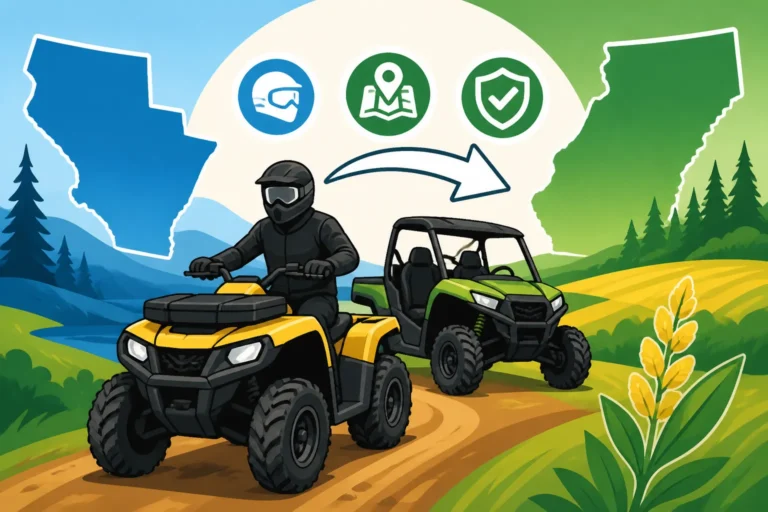
Now for the good news, and where the concept of an "escort" comes into play. While the general rule is 16, Saskatchewan's All Terrain Vehicles Act does provide a specific and very important exception for riders between 12 and 15 years old. This isn't a free-for-all, though. It's a conditional allowance that recognizes the desire for young people to participate while still prioritizing their safety. This exception essentially states that a person who is at least 12 years of age but less than 16 years of age can operate an ATV if they meet certain criteria.
The primary way this exception is met is by having an adult supervisor or "escort" with them. Alternatively, if they have successfully completed an approved ATV safety course, they can ride without that direct supervision. This gives families two clear pathways. So, when your 12-year-old is itching to hit the trails, know that there are legitimate ways to make it happen, provided you adhere strictly to these conditions. It's not about being denied; it's about being prepared and compliant. This exception is a lifeline for many families and is laid out clearly in [Saskatchewan's Exception for Riders 12 and Over] and elaborated further in [How a 12-Year-Old Can Ride With an Escort].
The Role of the "Escort" (Supervisor) for Young Riders
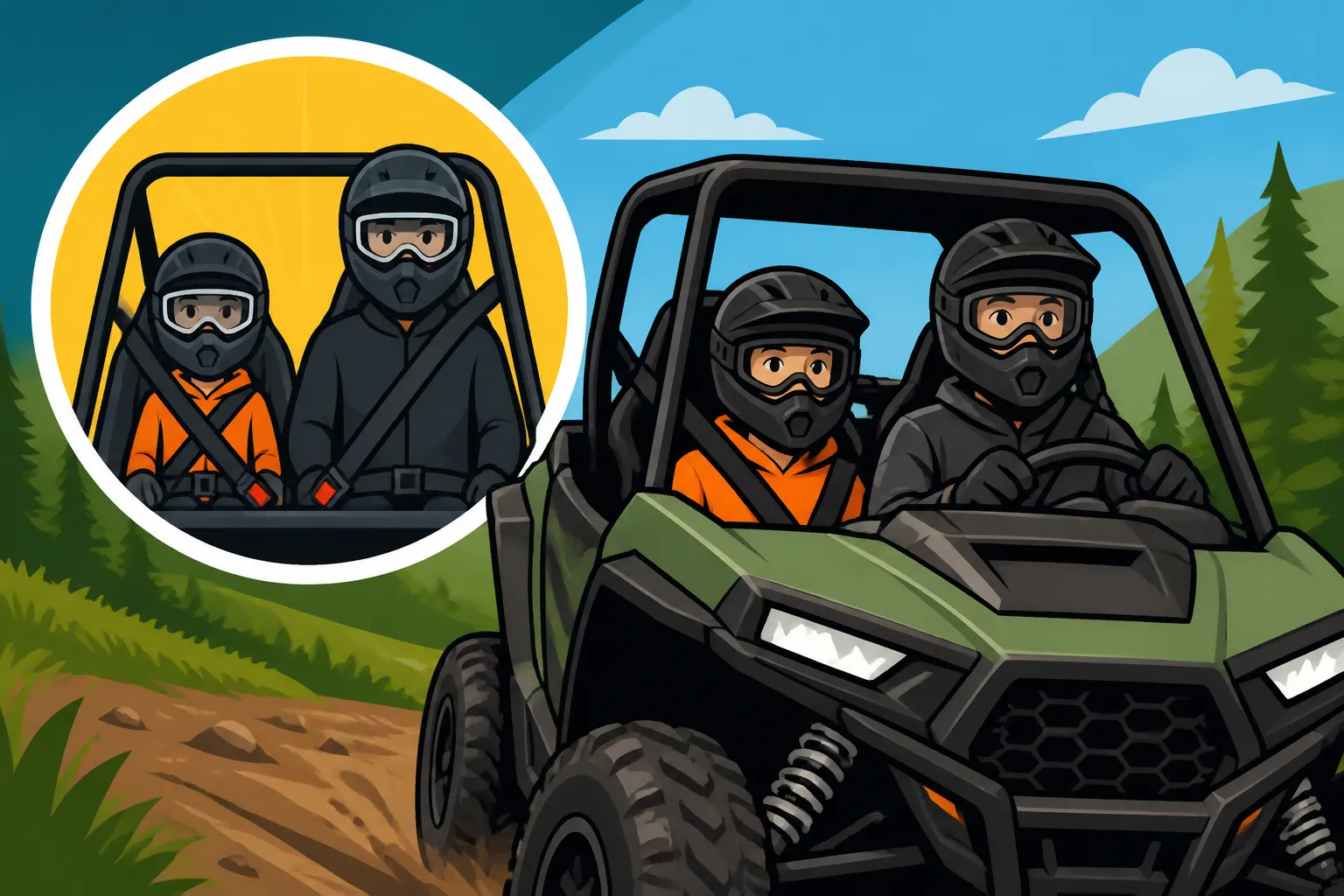
If your 12-to-15-year-old hasn't taken an approved safety course, then an adult supervisor, or "escort," becomes absolutely critical. This isn't just about having another adult present; the All Terrain Vehicles Act defines very specific requirements for who can be a supervisor and what their responsibilities are. It's a role with legal weight, not just a casual riding buddy.
Who Qualifies as a Supervisor?
The law is quite clear on who can act as a supervisor for a young ATV rider in Saskatchewan. It's not just any adult you pull off the street. To qualify as an "escort" or supervisor, an individual must meet three key criteria: they must be at least 18 years of age, they must hold a valid driver's licence, and perhaps most importantly, they must have held that driver's licence for a minimum of 365 days. You can find this specific requirement detailed in [The Supervisor Needs a Licence Held 365 Days]. This means that if you just got your driver's licence last month, even if you're 45 years old, you don't qualify to supervise a 12-year-old on an ATV.
Why these strict rules? The 365-day licence requirement, for instance, ensures that the supervisor has accumulated at least a year of driving experience, implying a greater understanding of road rules, traffic dynamics, and general vehicle operation. This experience is deemed essential for safely overseeing a younger, less experienced ATV operator. The "at least 18 years of age" rule correlates with legal adulthood and the capacity for adult responsibility. Essentially, the province wants to ensure that the person legally responsible for the child's safety on the ATV has sufficient experience and maturity to handle potential situations. This means Aunt Carol, who just turned 18 and got her licence, won't cut it, but Uncle Bob, who's been driving for decades, would be perfectly suited, assuming he understands the rules. [Saskatchewan's 365-Day Supervisor Rule] makes this abundantly clear.
The Supervisor's Responsibilities on the Trail
Beyond simply meeting the criteria, a supervisor carries significant legal and practical responsibilities. This is where it gets serious: the All Terrain Vehicles Act explicitly states that the supervisor is considered the operator of the ATV being ridden by the 12-to-15-year-old. This means that if the young rider breaks a rule – for example, exceeding a speed limit, riding in a prohibited area, or failing to wear proper safety gear – it is the supervisor who could face the fine or legal consequences. [The Act Treats the Supervisor as the Operator] isn't just a turn of phrase; it's a critical legal distinction.
This places a heavy burden on the supervisor to not only be present but to actively monitor and guide the young rider. They must ensure the child understands and follows all rules of operation, which include adhering to speed limits, riding only on designated trails or permitted areas, and ensuring the ATV is being operated safely. It also means they are responsible for ensuring the child wears the mandatory safety equipment, like an approved helmet and eye protection. Imagine you're riding with your child, and they veer off the trail into a prohibited zone. As the supervisor, you're on the hook for that. This isn't a time for the supervisor to be riding far ahead or lagging behind. They need to be close enough to communicate, intervene, and observe continuously. Having a well-maintained machine is also key, and equipping it with quality parts, perhaps from a brand like SuperATV, can contribute to its overall safety and reliability, giving both the supervisor and the young rider confidence on the trail.
The Approved Safety Course: An Alternative to Constant Supervision
While having a qualified supervisor is one pathway for a 12 to 15-year-old to ride an ATV, it's not the only one. Saskatchewan also recognizes the value of formal training, allowing young riders who complete an approved safety course to operate an ATV without the direct and constant supervision of an escort. This option empowers young riders with knowledge and skills directly.
What an Approved Safety Course Entails
An administrator-approved ATV safety course is more than just a quick lesson on how to start and stop. These courses are designed to instill a comprehensive understanding of safe ATV operation, covering a wide range of topics crucial for responsible riding. Typically, they include hands-on training for basic maneuvers like turning, stopping, climbing, and descending hills, as well as navigating various terrain types. Beyond the practical skills, these courses delve into essential theoretical knowledge. This includes understanding the All Terrain Vehicles Act itself, learning about the importance of proper safety gear, hazard awareness, environmental responsibility, and basic machine maintenance. The goal is to create a rider who is not only skilled but also knowledgeable about the rules and risks involved.
The certificate issued upon successful completion of such a course acts as proof that the young rider has demonstrated a foundational understanding of safe ATV practices. It's essentially a stamp of approval that they possess the necessary cognitive and practical skills to operate an ATV responsibly on their own, removing the need for an adult supervisor. This path offers a fantastic opportunity for young riders to gain independence and confidence, knowing they've been properly trained. [Which ATV Training Courses the Administrator Has Approved] outlines the specific programs that meet these provincial standards.
Finding and Completing a Certified Course
For parents looking to send their child down this route, finding an officially recognized and certified ATV safety course is paramount. You can't just take any course; it needs to be approved by the provincial administrator to be valid under the All Terrain Vehicles Act. Typically, these courses are offered by organizations dedicated to recreational safety, such as the Saskatchewan Safety Council or recognized ATV associations and clubs. These organizations often have a network of certified instructors across the province, making courses accessible in various communities.
It's always a good idea to check with the provincial government's recreation or environment department, or directly with recognized safety councils, for an up-to-date list of approved providers and upcoming course schedules. When enrolling, ensure the course explicitly states it's an "administrator-approved" program for ATV operation for youth. While participating in these courses, riders learn about preparing their machine for various conditions. Adding robust aftermarket accessories, such as those offered by SuperATV, like heavy-duty winches or cargo boxes, can complement these learned skills by enhancing a machine's utility and preparedness for real-world scenarios or emergencies that might arise on a trail. Completing such a course not only fulfils a legal requirement but also equips young riders with invaluable skills for a lifetime of safe enjoyment. This information is often available through organizations listed under [Saskatchewan Safety Course Providers] and is critical for [Saskatchewan Youth Certification Options].
Essential Gear and General Riding Rules for Young Riders
Whether your 12-year-old is riding with an escort or has completed a safety course, there are fundamental rules and pieces of equipment that are non-negotiable. These aren't suggestions; they are mandates designed to prevent serious injury and ensure a safe, enjoyable experience for everyone on the trail.
Mandatory Safety Equipment
No matter how experienced the young rider or how diligent the supervisor, certain safety equipment is always required. First and foremost is an approved helmet. This isn't just any helmet; it must be designed specifically for off-road use and meet recognized safety standards. This is critical for protecting the head from impacts. Similarly, eye protection is mandatory. This could be goggles, a face shield on the helmet, or even a specialized windshield on a UTV. The goal is to shield the eyes from dust, debris, branches, and insects that can impair vision and cause injury. Beyond the helmet and eye protection, sturdy footwear (preferably over-the-ankle boots), long pants, and long-sleeved shirts are also required. These items provide crucial protection against scrapes, bruises, and potential exhaust burns. Think of it this way: if your child takes a tumble, you want them to be as protected as possible.
Beyond the helmet, think about other protective equipment. Strong gloves, sturdy boots, and even protective add-ons for the machine itself, like full doors or windshields for a UTV, which SuperATV offers, can make a huge difference in deflecting branches or debris. The goal is always to minimize exposure and maximize protection. Failing to wear any of these items isn't just risky; it's also a violation of the Act and can lead to fines for the supervisor or the young rider if they are certified. For more details on these vital requirements, consult [Saskatchewan Helmet and Eye Protection Rules] and [Saskatchewan Helmet Standards Accepted].
General Rules of the Road (or Trail)
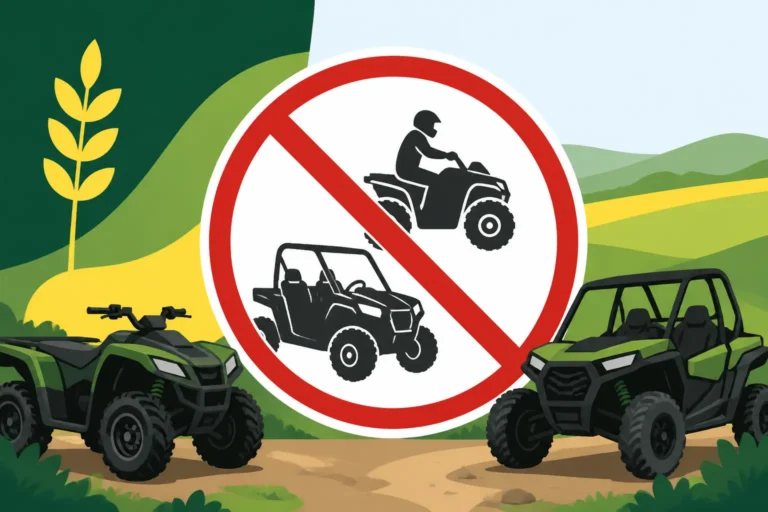
Even with proper supervision or certification, all riders, including 12-year-olds, must adhere to the general rules of operation outlined in the All Terrain Vehicles Act and any relevant municipal bylaws. One of the most critical rules, often overlooked, is the prohibition against carrying passengers on ATVs designed for a single operator. If the machine is not specifically designed to carry a passenger, then no one, not even a small child, should be riding on it with the operator. This is laid out clearly in [Saskatchewan Rules for a Child Passenger]. Many injuries occur when ATVs, designed for one rider, try to accommodate two, throwing off the machine's balance and stability.
Riders must also stick to designated trails and approved riding areas. Trespassing on private land is illegal and disrespectful to landowners. Speed limits must be observed, especially in areas with other users or potential hazards. Understanding the difference between public and private land access, and obtaining permission when needed, is also crucial. These are not just common courtesy rules; they are legal requirements that ensure the safety of all trail users and the preservation of the environment. Ignoring them can lead to serious consequences, including fines and the potential impoundment of the machine. Always ride responsibly and be mindful of your surroundings. Understanding [Saskatchewan Rules of Operation on a Trail] is paramount for any rider, regardless of age.
To help clarify the paths available for 12 to 15-year-old riders in Saskatchewan, here's a quick comparison:
| Requirement | Riding with a Supervisor (Escort) | Riding After Safety Course Completion |
|---|---|---|
| Age | 12-15 years old | 12-15 years old |
| Supervisor Present? | Yes, supervisor must be present and actively observing | No, direct supervisor not required |
| Supervisor Qual. (if applicable) | 18+ years old, valid driver's licence held for 365+ days | Not applicable |
| Safety Course Required? | No | Yes, administrator-approved ATV safety course certificate required |
| Legal Operator | Supervisor is legally considered the operator of the child's ATV | Young rider is the legal operator of their own ATV |
| Required Gear | Approved helmet, eye protection, sturdy footwear, long pants, long sleeves (for both) | Approved helmet, eye protection, sturdy footwear, long pants, long sleeves |
| Consequences for Violations | Supervisor is liable for violations committed by the young rider | Young rider is liable for their own violations |
Disclaimer
This article is for general informational purposes only and does not constitute professional advice. Laws, prices and regulations vary by location and change over time. Consult a qualified professional for guidance on your specific situation.