Surrendering a Municipal Plate When You Sell
Selling an ATV in Saskatchewan can sometimes feel like navigating a maze, especially when you're dealing with municipal plates. It's a common point of confusion for riders, both seasoned and new, because unlike a car or even a snowmobile, there's no central provincial registry for ATVs. So, if you've got a municipal plate on your quad and you're ready to sell, you're probably wondering what exactly you need to do with that little piece of plastic. This guide is here to walk you through the proper steps to surrender your municipal plate when you sell your ATV, ensuring a smooth process for both you and the new owner.
The Unique Nature of Saskatchewan ATV Plates
Let's clear the air right from the start: Saskatchewan doesn't have a provincial registration system for ATVs. I know, I know – it goes against what most of us are used to with other vehicles. This means there's [Saskatchewan Has No ATV Plate or Decal] issued by the province, nor is there a central database tracking ATV ownership. This often leaves people scratching their heads, wondering how ownership is verified or how rules are enforced.
Why Provincial Registration Isn't a Factor
The simple truth is that [Saskatchewan Does Not Register ATVs]. The provincial government, through [Saskatchewan's All Terrain Vehicles Act], focuses more on the safe operation of ATVs rather than their registration and titling. This means there's no provincial system to track who owns what ATV, unlike the process for cars, trucks, or even trailers. When it comes to quads, the province just never built that kind of registry. This fundamental difference is why you won't find a province-wide plate to begin with. Without a central system, things like ownership transfers rely entirely on other documents.
Compare this to snowmobiles, for instance. [Saskatchewan Registers Snowmobiles, Not ATVs], and you absolutely need to get that sled registered and plated with SGI. It’s a very different ballgame, which often adds to the confusion for riders who own both types of machines. Because [No Province-Wide Quad Plate Is Issued], municipalities often step in to fill the void, which brings us to the plates we're discussing today.
Understanding Municipal Plate Limitations
Since the province isn't involved, some cities, towns, and rural municipalities have created their own local permit or plate systems. These municipal plates, sometimes called permits, are designed to regulate ATV use within their specific geographic boundaries. They help fund local trail maintenance, enforcement, or simply identify legal operators. However, and this is crucial, these plates are almost always tied to the original owner and sometimes even to a specific machine within that municipality.
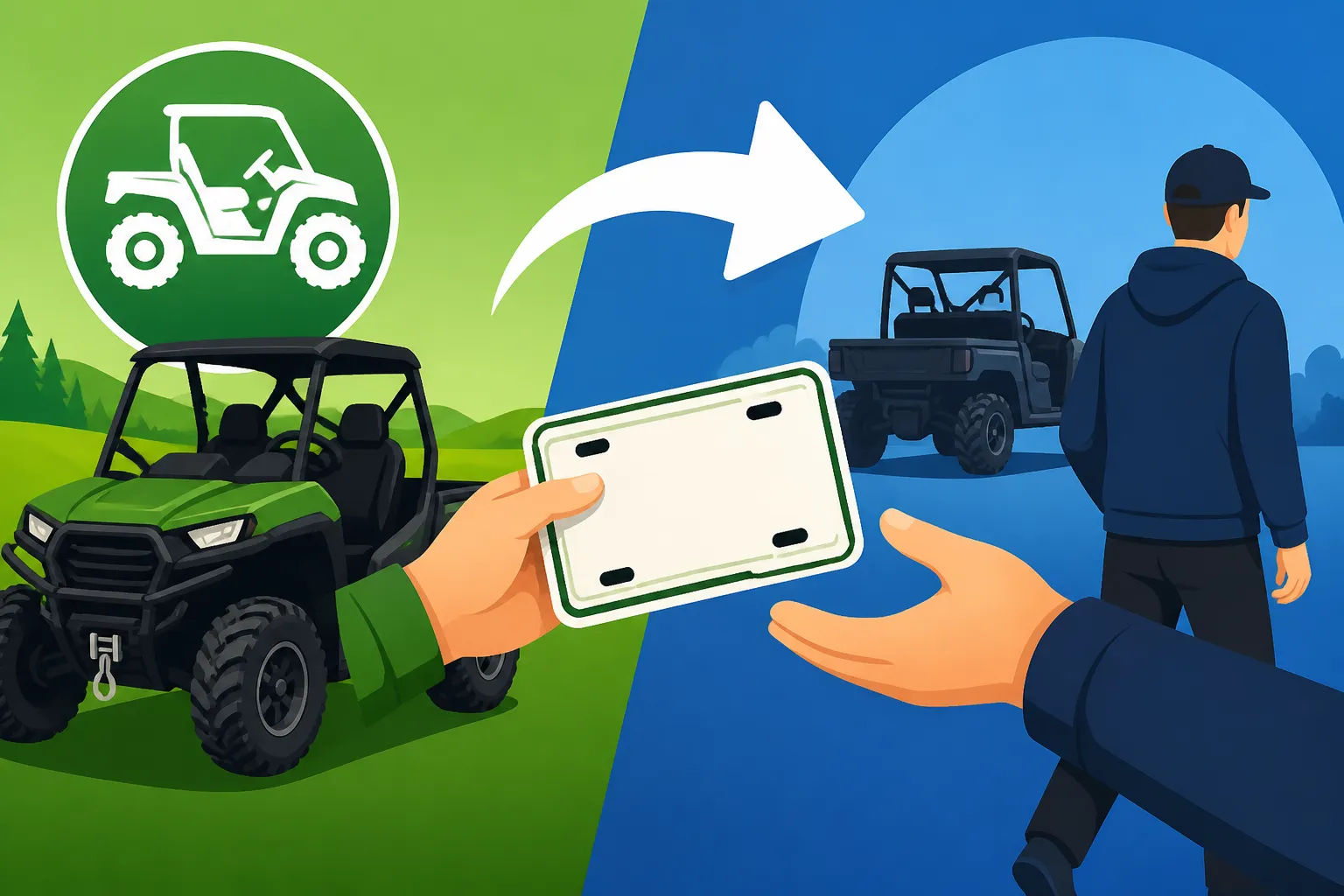
The biggest limitation you'll face when selling is that [Why a Municipal Plate Cannot Be Transferred]. These aren't like car plates that you can sign over. A municipal plate is essentially a permit granted to you, the individual, to operate your ATV within that specific municipal jurisdiction for a given period. When you sell the ATV, that permit no longer applies to you, nor can the new owner simply take over your permit. They need to apply for their own. This is a common sticking point, and it's essential to understand that your municipal plate is yours, not an intrinsic part of the ATV's identity that passes with the sale. Think of it more like a fishing license—it's for you, not the fishing rod.
The Process of Surrendering Your Municipal ATV Plate
So, you've found a buyer for your ATV, and you know you can't just hand over your municipal plate. The next logical step is to properly surrender it. This process is generally straightforward, but it's important to do it correctly to avoid any lingering responsibilities or confusion.
Locating Your Municipal Office
The first thing you need to do is identify the specific municipal office that issued your plate. Was it your local village office, a town hall, or a rural municipality (RM) office? This is where you'll need to go to surrender the physical plate and inform them of the sale. While the exact procedures might vary slightly from one municipality to another—some might have a specific form, others might just take the plate back over the counter—the core action remains the same. A quick phone call to their office before you make the trip can save you time and ensure you bring everything you need. They can also confirm any specific [Saskatchewan Municipal Bylaws on Roads] that might apply to your situation or the buyer's.
It's also worth noting that many smaller [Saskatchewan Rural Municipality Rules] might not even have a plate system. If you've been riding without a municipal plate because your area doesn't require one, then naturally, there's nothing to surrender! This step only applies if you actually obtained a plate from your local jurisdiction.
Necessary Documentation for Surrender
When you head to the municipal office, you should come prepared. Here's what you might need:
- The physical municipal plate: This is the most important item. They'll want it back to remove it from their system.
- Your identification: To verify you are the registered plate holder.
- The original plate permit/receipt: If you have the paperwork from when you initially obtained the plate, it can help streamline the process.
- Proof of sale (optional but helpful): While not always strictly required for surrendering the plate, having a copy of the bill of sale for the ATV can clarify why you're surrendering it. This proves the machine is no longer yours. A well-prepared bill of sale, perhaps using a template from a service like LawDepot, can serve this purpose nicely.
Once you surrender the plate, the municipality will typically remove your name and the ATV's details from their local permit registry. This ensures you're no longer associated with that plate or machine in their system. Don't forget to ask about potential refunds for any unused portion of the permit fee, although these are often minimal or non-existent, especially if the expiry date (like [Why Municipal Plates All Expire on April 30] in some areas) is close. If your plate was lost or stolen before you could surrender it, you would typically follow a process similar to [Reporting a Lost Quad Plate at the Village Office], informing the municipality so they can record it.
What the Buyer Needs to Know About Municipal Plates
As the seller, your responsibility ends with surrendering your plate and providing the new owner with a solid bill of sale. However, it's a good practice to inform the buyer about Saskatchewan's unique ATV rules, especially regarding municipal plates. This helps them prepare and ensures a smooth transition to their new machine.
A New Plate for the New Owner
One of the most common misconceptions buyers have is that they can simply take over your existing municipal plate. It's crucial to reiterate to them that this is not possible. The municipal plate is issued to an individual, not attached permanently to the machine as a transferable title. The new owner will need to apply for their own plate if they intend to ride in a municipality that requires one.
Advise your buyer to research [Which Municipalities Run Their Own Plate Scheme] and check the specific rules for where they plan to ride. If they live in or frequently ride within a municipality that has a plate system, they will need to visit that municipality's office to get their own. The process for them will be similar to how you initially obtained yours. You might even want to give them a heads-up on [What to Bring to Get Your First Quad Plate], like proof of ownership (their bill of sale from you!), identification, and the necessary fee. Some municipalities, like Candle Lake, might charge specific fees, as noted in [Saskatchewan Candle Lake Permit Fees].
Importance of a Clear Bill of Sale
Since there's no provincial registration or title for ATVs in Saskatchewan, the bill of sale is the single most important document for proving ownership. This isn't just a casual receipt; it's the official record of the transaction. For both your protection and the buyer's, you need a comprehensive and clear bill of sale.
Your bill of sale should contain specific details to make it legally sound. This includes the full names and contact information of both the seller and the buyer, a detailed description of the ATV (make, model, year, colour, and most importantly, the Vehicle Identification Number or VIN), the purchase price, the date of sale, and signatures from both parties. You can find excellent templates for these documents from reputable sources like LawDepot, which help ensure all necessary legal bases are covered. Having a clear record is vital for future insurance claims, proving ownership, or even dealing with potential theft. Remember, [Saskatchewan Bills of Sale Do the Work] where a provincial registration might otherwise. You want to make sure [What Your Bill of Sale Needs to Cover] is exhaustive. Creating a clear and legally sound bill of sale, perhaps leveraging a template from LawDepot, is your best bet to avoid headaches down the line.
Common Questions and Misconceptions
Dealing with municipal ATV plates in Saskatchewan can lead to a few head-scratchers, given the province's unique approach to ATV regulation. Let's tackle some of the most common questions and clear up any lingering confusion.
Can I Transfer My Plate to Another Machine?
This is a frequently asked question, and the answer is generally no. Just as you can't transfer your municipal plate to a new owner, you typically cannot transfer it to a different ATV, even if you're keeping the new machine yourself. Municipal plates are often tied not only to you but also to the specific machine's VIN that was listed on the initial application.
If you sell your old ATV and purchase a new one, you will almost certainly need to surrender the plate from the old machine and then apply for a brand new municipal plate for your new ATV. This new application will involve providing the details and VIN of your new machine. It might feel like a hassle, but it's part of how these local permit systems are structured. Think of it as starting fresh with each new quad you own within that jurisdiction.
What if the Municipality Doesn't Have a Plate Scheme?
This is a very common scenario across the vast expanse of Saskatchewan. Many [Saskatchewan Rural Municipality Rules] and even some smaller towns simply don't have their own ATV plate or permit schemes. If you've been riding in an area without such a system, then naturally, there's nothing to surrender when you sell your ATV. In this case, your focus should solely be on providing a thorough bill of sale to the buyer.
However, it's still good practice to inform the buyer of this fact. If they are moving the ATV to a municipality that does have a plate system, they will need to be aware of their obligation to obtain one in their new area. This highlights the patchwork nature of ATV regulations across the province, where rules can literally change as you cross municipal boundaries.
Financial Implications and Refunds
When you surrender your municipal plate, you might wonder if you're eligible for any kind of refund for the unused portion of the permit fee. While it's always worth asking your specific municipal office, often these refunds are either not offered or are very small, especially if you're near the annual expiry date. Many municipal plates have a set expiry, like April 30th for many in the Lakeland area (which also explains [Why Municipal Plates All Expire on April 30]).
The fees for municipal plates, such as [Saskatchewan Municipal Plate Costs], are generally quite modest compared to provincial vehicle registrations, and the administrative cost of processing partial refunds often outweighs the benefit. So, while it doesn't hurt to inquire, don't necessarily count on getting a significant amount back. The primary goal of surrendering the plate is to ensure you're no longer responsible for that permit and machine in that specific jurisdiction, not to recoup funds. The new owner will have to budget for their own municipal plate fees, which is typically a new, full charge for them.
Here's a quick overview of the key responsibilities for sellers and buyers regarding municipal plates:
| Aspect | Seller's Responsibility | Buyer's Responsibility |
|---|---|---|
| Municipal Plate | Surrender old plate to issuing municipality. | Apply for a new plate if required by their municipality. |
| Proof of Ownership | Provide a comprehensive bill of sale. | Obtain a comprehensive bill of sale from the seller. |
| Information Sharing | Inform buyer about non-transferability of plate. | Research local municipal ATV bylaws and plate requirements. |
| Legal Documents | Ensure bill of sale is accurate and complete (e.g., LawDepot). | Keep bill of sale safe as primary proof of ownership. |
A well-drafted bill of sale, easily found on platforms like LawDepot, protects both parties. It clearly establishes the change of ownership, which is paramount in a province without a centralized ATV registry. It's the paper trail that matters.
Disclaimer
This article is for general informational purposes only and does not constitute professional advice. Laws, prices and regulations vary by location and change over time. Consult a qualified professional for guidance on your specific situation.