Saskatchewan Bylaw Lookups Before You Ride
It's incredibly frustrating when you're trying to enjoy your ATV or UTV in Saskatchewan, only to realize that the rules aren't as clear-cut as they seem. Many riders assume that provincial laws are the only ones that matter, but local municipalities often have their own specific bylaws that can impact where and how you ride. This guide is here to unravel that confusion, showing you how to find and understand these crucial local rules before you hit the trails or grid roads.
Why Local Bylaws Matter More Than You Think in Saskatchewan
You've probably heard that Saskatchewan doesn't have a provincial registration system for ATVs, and that's true. [Saskatchewan Does Not Register ATVs]. This often leads riders to believe that as long as they follow the general rules in [Saskatchewan's All Terrain Vehicles Act], they're good to go anywhere. However, that's a common misconception that can lead to unexpected fines, or worse, cause you to trespass or ride unsafely in areas where local rules prohibit it. The province sets the broad framework, but it gives municipalities a lot of leeway to tailor regulations to their specific local needs and concerns.
Imagine planning a weekend trip to a new area, loading up your quad, and driving hours, only to discover a sign at the edge of town or a posted notice that explicitly forbids ATV use on ditches, streets, or even particular pathways. It's a deflating feeling, and it highlights why simply knowing the provincial act isn't enough. Local bylaws are designed to address the unique challenges and community standards of a specific area, whether it's noise control in residential zones, protecting sensitive environmental areas, or managing traffic flow on smaller roads. Ignoring them isn't just a risk of a ticket; it's a risk of ruining your day and potentially damaging your reputation as a responsible rider.
The Overlap with Provincial Law
The provincial All Terrain Vehicles Act provides a baseline for safe operation, covering things like age restrictions, helmet requirements, and general rules for ditch riding. For instance, the provincial act generally allows for riding in ditches, subject to certain conditions like the [Saskatchewan Ditch Riding and the 2-Metre Rule], which requires you to stay a safe distance from the travelled portion of the highway. However, a local municipality can step in and say, "Not in our ditches." This isn't an uncommon scenario, especially in more populated rural areas or villages where residents might have concerns about noise, dust, or safety near homes.
This overlap can be a real headache because it means you can be perfectly compliant with the provincial act, but still be breaking a local bylaw. The provincial act doesn't always supersede municipal bylaws; instead, it often works in conjunction with them, allowing municipalities to add more restrictive layers where they deem necessary. This is why a diligent approach to checking local rules is so important – what's permitted down the road in one rural municipality might be strictly prohibited in the next village over. It’s a patchwork, and understanding your specific patch is key to a trouble-free ride.
Understanding Municipal Authority
Saskatchewan is home to a vast array of municipalities, each with its own council and the authority to create bylaws. This includes rural municipalities (RMs), villages, towns, and cities. While cities often have more comprehensive traffic and noise bylaws that tend to restrict ATV use more heavily, even small villages and RMs are increasingly developing specific rules for off-road vehicles. These rules are often driven by local concerns like maintaining peace and quiet, ensuring public safety, or protecting sensitive ecosystems within their boundaries.
The specific powers granted to municipalities allow them to regulate everything from where you can ride a quad on local roads to specific times of day, or even requiring a local permit. Some municipalities have adopted specific plate schemes, which is why you'll see things like [Saskatchewan Municipal Plate Schemes] in places like the District of Lakeland or Candle Lake. These local initiatives demonstrate how diverse the regulatory landscape can be. It's not a one-size-fits-all situation across Saskatchewan, which means your homework before heading out is absolutely vital. Understanding that authority means respecting their right to set these rules, even if they differ from what you expect from provincial guidelines.
How to Find the Bylaws: Your Step-by-Step Guide
Given the fragmented nature of ATV and UTV regulations in Saskatchewan, actively seeking out local bylaws is your best defense against unexpected fines or confrontations. This isn't just about avoiding trouble; it's about being a responsible and respectful rider. Relying on hearsay or outdated information from a few years ago simply won't cut it. The good news is that most municipalities are becoming more accessible with their information, even if it sometimes takes a bit of digging.
The key is to be proactive and systematic in your search. Don't wait until you've loaded up your machine and arrived at your destination to start wondering about the rules. Make it a part of your planning process, just like checking the weather or trail conditions. A little effort upfront can save you a lot of grief and wasted time later on.
Starting Your Search: The Municipal Website
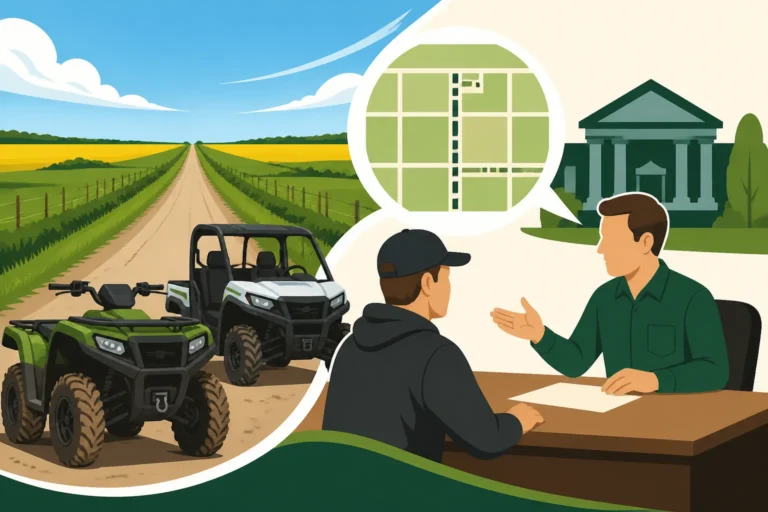
The first and often easiest place to start your bylaw lookup is the official website of the municipality you plan to visit. Most RMs, villages, towns, and cities maintain a website where they post important documents, including their bylaws. Look for sections typically labeled "Bylaws," "Council," "Administration," "Services," or even "Recreation." Keywords to search for on the site might include "ATV," "UTV," "all-terrain vehicle," "off-road vehicle," "traffic," "noise," "parks," or "recreation." Some sites have a search bar, which can be a huge time-saver.
However, be prepared for a bit of a treasure hunt. Some municipal websites, especially for smaller RMs or villages, can be quite basic or not updated frequently. Bylaws might be tucked away in obscure sections, or you might find older versions still online. You might even find them grouped under broader categories like "Traffic Bylaw" or "Nuisance Bylaw," which you'll then need to sift through to find sections specific to ATVs or UTVs. While it might take a few clicks, it's often the quickest way to get an initial overview of their specific rules. If you can't find anything, don't assume there are no rules; it just means it's time for step two.
Direct Contact: Calling the Municipal Office
If the website proves fruitless, or if you find conflicting or unclear information, your next best step is to directly contact the municipal office. This could be the RM office, village administration, or town hall. Be prepared with specific questions:
- "Are there any bylaws pertaining to ATV or UTV use within the municipality's boundaries?"
- "Are ATVs allowed on municipal roads or ditches?"
- "Are there any specific hours of operation or noise restrictions?"
- "Do I need a local permit or plate to ride here?" (Mentioning places like [Saskatchewan Candle Lake Permit Fees] can show you've done some basic research and understand the concept.)
- "Are there any designated trails or prohibited areas I should be aware of?"
When you call, speak to someone in administration or the bylaw enforcement officer, if one is available. They are usually the most informed about local regulations. Remember to be polite and patient. Sometimes the person answering the phone might not know the specifics offhand, but they can usually direct you to the right department or official. It's also a good idea to confirm the rules in writing if possible, such as asking for an email confirmation or a link to the specific bylaw document. This can provide valuable proof if you ever encounter an officer who might also be less familiar with a particular nuance of the local rules. Getting direct clarification helps you understand [Questions Worth Asking a Rural Municipality].
Local Knowledge: A Grain of Salt Approach
It's natural to chat with locals, ask at the general store, or consult with fellow riders who frequent an area. This "boots on the ground" knowledge can be valuable, offering insights into common riding areas, unwritten courtesies, or practical tips. However, it's crucial to take local knowledge with a significant grain of salt. While well-intentioned, information from locals can be outdated, based on personal interpretation, or simply incorrect. What one person thinks is allowed might be a long-standing local myth, or they might be referring to rules that apply to agricultural machinery rather than recreational use.
Never rely solely on anecdotal evidence. Always use it as a starting point to ask more pointed questions or to confirm information through official channels. For example, if a local tells you, "Oh yeah, everyone rides the main street here," that's your cue to ask the municipal office specifically about [Saskatchewan Municipal Prohibited Areas] or [Saskatchewan Municipal Speed Limits for Quads] on main thoroughfares. Treat local advice as helpful guidance for where to look, rather than definitive legal advice. The official bylaw document or a conversation with a municipal administrator is always the most reliable source.
What Specific Bylaws to Watch Out For
Once you start looking, you'll find that municipal bylaws concerning ATVs and UTVs tend to fall into a few common categories. Knowing what to specifically look for can streamline your search and help you understand the local riding environment more quickly. These categories often reflect common concerns within communities and are designed to balance recreational use with public safety and quality of life for residents.
It’s about more than just where you can ride; it’s also about how you ride, when you ride, and sometimes even what you need to display on your machine. Being aware of these areas allows you to quickly identify the critical information in a long bylaw document, ensuring you're covering all your bases.
Road and Ditch Riding Restrictions
Perhaps the most common area of municipal regulation for ATVs and UTVs revolves around access to public roads and ditches. While [Saskatchewan ATV Road Rules Explained] at the provincial level allow for certain uses (like crossing a highway or riding in a ditch under specific conditions), many municipalities choose to impose further restrictions. You might encounter:
- Outright bans on specific streets: Some towns might allow ATVs on certain unpaved roads but strictly prohibit them on main street or in residential areas.
- Time restrictions: Riding might be limited to certain hours of the day, particularly to reduce noise complaints in the evening or early morning.
- Speed limits: Beyond the provincial 80 km/h limit on certain public roads, municipalities can set lower speeds for ATVs on their local roads. For example, a village might impose a 30 km/h limit on all its municipal roads for off-road vehicles.
- Ditch access: Even if the province permits ditch riding, a municipal bylaw might explicitly prohibit it within their boundaries, citing safety concerns or damage to municipal property. This is a common point of confusion, so always double-check.
- Bridges and culverts: While provincial rules address crossing bridges, local bylaws might add specific stipulations or prohibitions for ATVs on municipal bridges.
It's important to look for explicit statements in bylaws regarding "all-terrain vehicles," "off-road vehicles," or "recreational vehicles" in relation to streets, roads, and ditches. If a bylaw doesn't mention them specifically, it's safer to assume a restriction until proven otherwise, especially in built-up areas.
Noise, Nuisance, and Environmental Concerns
Beyond where you can ride, municipalities are often concerned with the impact of ATV and UTV use on the local environment and the quality of life for their residents. This is where bylaws targeting "nuisance" or "noise" come into play.
- Noise Bylaws: Many municipalities have general noise bylaws that apply to all vehicles, including ATVs and UTVs. These bylaws usually define acceptable noise levels and hours of operation, especially in residential zones. This means even if you're riding legally, being excessively loud could still lead to a complaint and a fine. Some areas might even have specific decibel limits for off-road vehicles. Understanding [Saskatchewan Noise Complaints About Quads] can help you be a more considerate rider.
- Environmental Protection: Municipalities with lakes, rivers, or sensitive natural areas often have bylaws designed to protect these environments. This can include rules about riding near shorelines, through wetlands, or in designated conservation areas. For example, [Saskatchewan Beach and Lakeshore Rules] might prohibit ATVs within a certain distance of a lake to prevent erosion or disturbance to wildlife. These bylaws are crucial for preserving the natural beauty of Saskatchewan for everyone.
- Spark Arrestors and Fire Bans: While provincial regulations cover general fire safety, local bylaws might reiterate or add specific requirements for spark arrestors on machines or enforce local fire bans. During dry periods, local fire chiefs or municipal councils can issue bans that might supersede provincial guidelines for a specific area, closing off riding until conditions improve.
Responsible riding includes being mindful of your environmental footprint and your impact on local residents. Checking these types of bylaws helps ensure you're a good neighbor and steward of the land.
Municipal Plates and Permits
One of the most distinctive aspects of local ATV regulation in Saskatchewan is the existence of municipal plate or permit schemes. Since the province itself does not register ATVs, some forward-thinking municipalities have implemented their own systems to manage and often generate revenue for local trail maintenance or bylaw enforcement.
- The Concept: These are not provincial registrations but rather local permits that allow you to operate your ATV or UTV on specific municipal roads, trails, or designated areas within that municipality's jurisdiction. Think of them like a local fishing license for your quad.
- Examples: Popular recreational areas like the District of Lakeland and the Village of Candle Lake are well-known for requiring these local permits. [Saskatchewan Candle Lake Permit Fees] will give you an idea of the costs involved, and you'll typically need to visit the local municipal office to obtain one.
- What They Cover: These permits usually come with their own set of rules, including where the machine can be operated, speed limits, and even helmet requirements (though provincial helmet rules always apply). They often have an expiry date, usually annual, and are specific to the municipality that issues them. A permit from Candle Lake, for instance, won't be valid in the District of Lakeland.
- How to Get One: Generally, you'll need to visit the municipal office, provide proof of ownership (like a bill of sale), and show proof of insurance. Expect to pay a fee, which is often put back into local trail development or maintenance. The fees for these plates are generally modest, and you can learn more about what to expect with [Saskatchewan Municipal Plate Cost].
If you plan to ride frequently in a particular municipality that has such a scheme, obtaining a local plate or permit is non-negotiable. It's their way of keeping track of who is riding and ensuring that riders are contributing to the local infrastructure.
Here's a quick summary of common bylaw types and where you might find them:
| Bylaw Type | Common Areas of Focus | Where to Look (Keywords on Website/Questions for Office) |
|---|---|---|
| Road & Ditch Access | Prohibited streets, specific speed limits, hours of operation, ditch use. | "Traffic Bylaw," "ATV Bylaw," "Street Use," "Roads." |
| Noise & Nuisance | Decibel limits, quiet hours, residential area restrictions. | "Noise Bylaw," "Nuisance Bylaw," "Public Health." |
| Environmental Protection | Riding near lakeshores, wetlands, conservation areas. | "Environmental Bylaw," "Shoreline Protection," "Parks." |
| Local Permits/Plates | Requirements for local registration, fees, display. | "ATV Permit," "Recreation Bylaw," "Licensing." |
| Safety & Equipment (less common locally, but can exist) | Specific local helmet rules, lighting beyond provincial. | "Traffic Bylaw," "ATV Bylaw." |
Staying informed about local bylaws is more than just avoiding a ticket; it's about being a respectful and responsible member of the Saskatchewan riding community. The diverse landscape of municipal regulations means that what's legal in one spot might be a no-go just a few kilometers down the road. Take the time to do your homework, whether that's through online research or a friendly call to the municipal office. Your diligence ensures safer, more enjoyable rides for everyone and helps maintain access for ATVs and UTVs across our beautiful province.
Disclaimer
This article is for general informational purposes only and does not constitute professional advice. Laws, prices and regulations vary by location and change over time. Consult a qualified professional for guidance on your specific situation.