Saskatchewan Rules for a Visiting North Dakota Rider
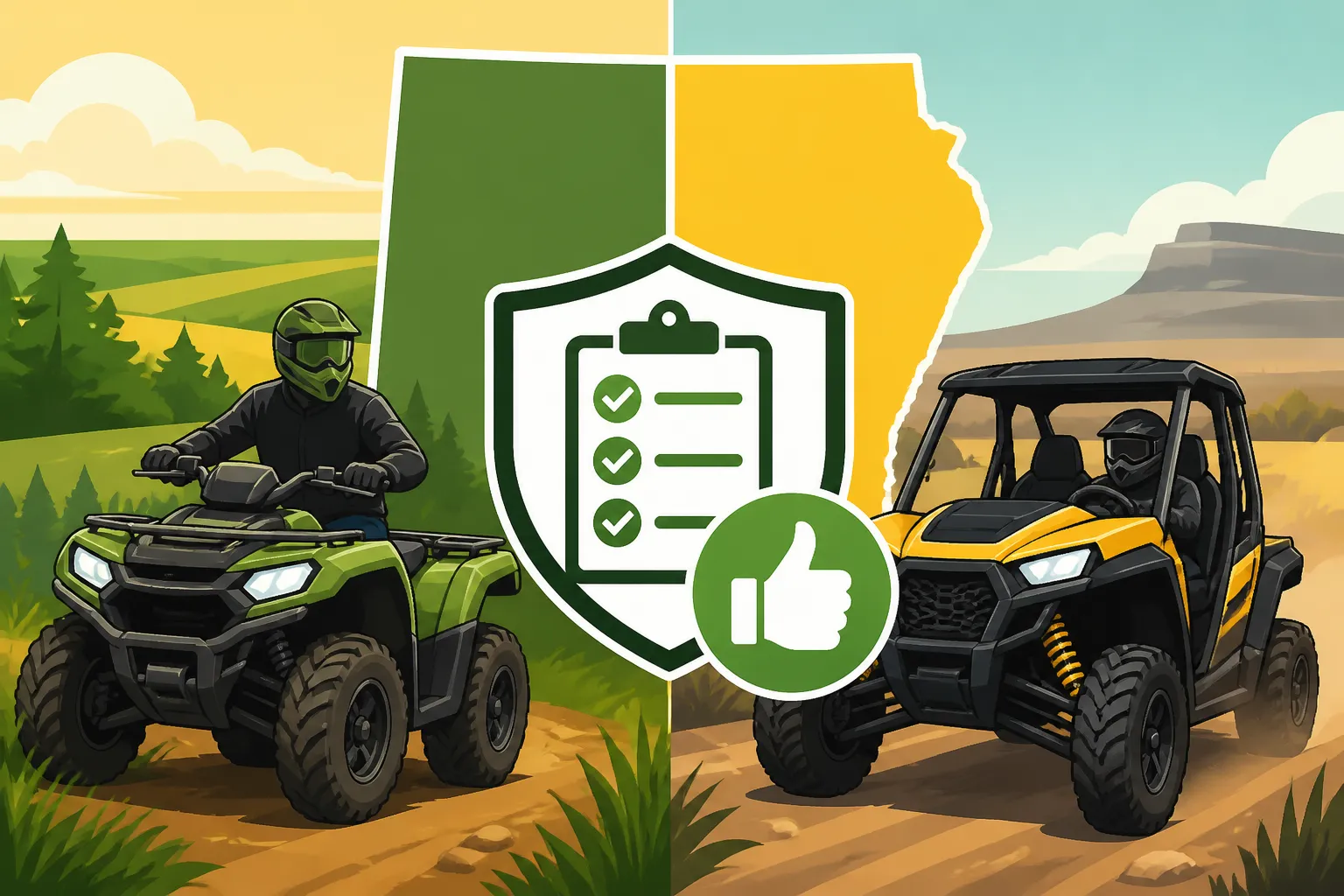
Heading north from North Dakota for an ATV or UTV adventure in Saskatchewan can feel like stepping into a different world, especially when it comes to the rules and regulations for your machine. Many riders from the United States arrive expecting a familiar provincial registration or plate system, only to find themselves utterly confused by Saskatchewan's unique approach. This guide is here to untangle that confusion, explaining exactly what a visiting North Dakota rider needs to know to enjoy the vast landscapes Saskatchewan offers without any unwelcome surprises or legal snags.
Understanding Saskatchewan's Unique Approach to ATVs
One of the biggest eye-openers for visitors from North Dakota is Saskatchewan's distinct stance on ATV and UTV registration. In many U.S. states, including North Dakota, some form of state registration, titling, or licensing is mandatory for off-highway vehicles, often accompanied by a physical plate or decal. You might be accustomed to carrying proof of that registration or a title certificate with you. Saskatchewan, however, operates under a different philosophy for most all-terrain vehicles.
Saskatchewan's No-Registration Policy for ATVs
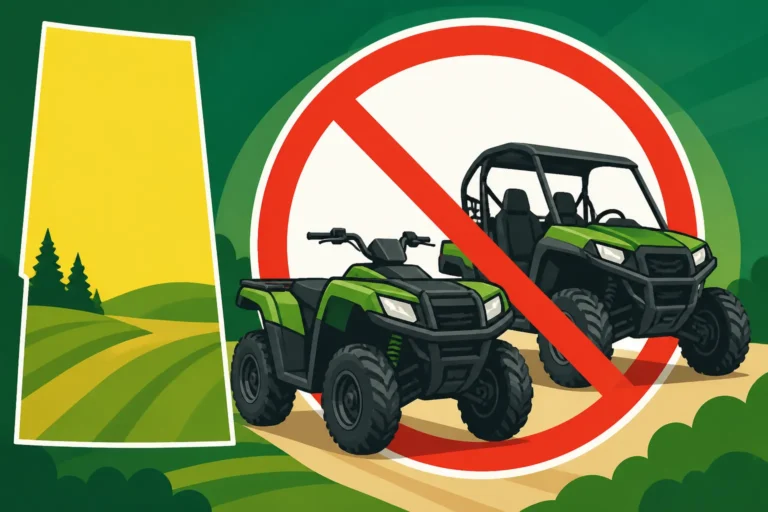
The first and most important thing to grasp is that the Province of Saskatchewan generally does not register ATVs or UTVs. This can be baffling for someone used to a state-run registry. There's no provincial database where your quad's VIN is recorded with your name, no provincial plate to affix, and no annual decal to renew. This doesn't mean ATVs are unregulated; it simply means the type of regulation is different. Many of the rules focus on the operator and how the machine is used, rather than on the machine itself as a registered entity. This means you won't be looking for a [Saskatchewan Does Not Register ATVs] office or worrying about a [Saskatchewan Has No ATV Plate or Decal] to buy.
This often leads to a moment of panic for new visitors: "But how do they know it's mine? What about theft?" In Saskatchewan, your primary proof of ownership for an ATV or UTV is your bill of sale. When you purchase a machine, whether new or used, that bill of sale acts as your legal document confirming you are the owner. This is particularly important because [Your Bill of Sale Stands In for a Registration]. It's essentially the closest thing you'll have to a title or registration document, and carrying it with you, or at least a copy, is highly advisable.
What About Snowmobiles? A Common Point of Confusion
To add to the potential confusion, while ATVs are generally not registered provincially, snowmobiles in Saskatchewan are. This is a critical distinction, and it's easy for visitors to assume that if one off-road vehicle type is registered, all must be. But that's not the case. Snowmobiles have their own provincial registration scheme, fees, and requirements, and you'll even find liability insurance bundled into their registration cost. This often leads to questions like [Saskatchewan Registers Snowmobiles, Not ATVs] or [Snowmobiles Must Be Registered Even Though Quads Are Not], so it's vital to remember that the rules for your quad or side-by-side are separate from those for a sled.
Because of these differences, a North Dakota rider might naturally compare [Saskatchewan Registration Compared to Montana] or other neighbouring jurisdictions, expecting a similar system. The key takeaway here is that Saskatchewan has deliberately chosen a different path for ATVs, emphasizing operator responsibility and localized municipal bylaws over a province-wide registration for the machines themselves.
Key Rules for Out-of-Province Riders: What You Need to Know
Even without provincial registration, riding an ATV or UTV in Saskatchewan comes with a set of important rules, especially for operators. These rules are primarily found in [Saskatchewan's All Terrain Vehicles Act] and its associated regulations, and they apply to everyone, including visitors from North Dakota. Familiarizing yourself with these is paramount to a safe and legal ride.
Age, Supervision, and Licensing Requirements
One of the most frequently asked questions for anyone new to Saskatchewan ATV rules revolves around who can actually operate a machine. The Act is quite clear:
- Minimum Age: Generally, you must be at least 16 years old to operate an ATV or UTV in Saskatchewan. This is a hard rule, and there are very few exceptions.
- Supervision for Youth: There is an exception for youth between 12 and 16 years of age. They can operate an ATV if they are directly supervised by an adult who is at least 18 years old and has held a valid driver's licence for at least 365 days. The supervisor must be riding with the youth and actively supervising their operation. This means a 12-year-old from North Dakota could ride in Saskatchewan, but only under [Saskatchewan Rules for a 12-Year-Old Rider] with a qualified adult. It’s critical to understand [The Supervisor Needs a Licence Held 365 Days].
- Driver's Licence: If you are 16 or older, you need a valid driver's licence to operate an ATV on any public land, including ditches, Crown land, or municipal trails. Your North Dakota driver's licence is valid here, but be sure to carry it with you.
Helmet, Eye Protection, and Other Safety Gear
Saskatchewan takes rider safety seriously, and that means mandatory safety gear. This isn't just a recommendation; it's a legal requirement:
- Helmets: Every operator and passenger on an ATV or UTV must wear an approved helmet. This isn't just any helmet; it needs to be one specifically designed for motor vehicle use and meet recognized safety standards (like DOT, Snell, ECE, or CSA). A bicycle helmet, for example, won't cut it. [Saskatchewan Helmet and Eye Protection Rules] details these requirements.
- Eye Protection: You must also wear eye protection. This can be goggles, a face shield on your helmet, or another shatter-resistant shield. If you're riding at night, tinted visors or goggles are generally prohibited for obvious safety reasons.
- Footwear and Clothing: While not specifically legislated, common sense and safety dictate that you should always wear appropriate footwear (boots that cover the ankles are best) and durable clothing (long pants and long sleeves) to protect yourself from brush, debris, and potential spills. A high-quality set of gear, perhaps from a brand like SuperATV, can make a huge difference in comfort and protection on the trail.
Insurance Requirements for All Riders
Even though ATVs aren't provincially registered, liability insurance is absolutely mandatory for operating an ATV or UTV in Saskatchewan. This is not optional. You must have at least $200,000 in third-party liability insurance coverage.
- Proof of Insurance: As a visiting North Dakota rider, you must carry proof of this insurance with you whenever you are operating your machine. A physical copy of your insurance card or policy declaration is best, as cell service can be spotty in many rural areas. An officer can ask to see this. [Saskatchewan Insurance Requirements for Riders] are non-negotiable.
- Out-of-Province Coverage: It's vital to confirm with your North Dakota insurance provider that your policy extends coverage to Saskatchewan, Canada, and that it meets or exceeds the minimum $200,000 liability. Do this before you cross the border.
Road and Ditch Riding Rules
This is often where North Dakota riders find the biggest differences compared to home. Saskatchewan has specific rules about where and how you can operate an ATV or UTV on public roads and ditches:
- Ditch Riding: Generally, you can ride in the ditch of a public highway in Saskatchewan, but there are strict conditions. You must ride as close as practicable to the right-hand side of the ditch, and no closer than two metres from the travelled portion of the highway. This is often referred to as [Saskatchewan Ditch Riding and the 2-Metre Rule]. This rule is designed to keep riders safely separated from vehicle traffic.
- Crossing Highways: If you need to cross a highway, you must come to a complete stop, yield to all traffic, cross at a right angle (the shortest route), and ensure all passengers dismount before crossing. You cannot ride along the travelled portion of a highway, except to cross.
- Municipal Bylaws: This is a big one: while the provincial Act allows for ditch riding, individual cities, towns, villages, and even rural municipalities (RMs) can, and often do, pass their own bylaws that either permit or prohibit ATV use on their roads, streets, or ditches. A municipality might allow limited use, like for accessing businesses, or prohibit it entirely. You absolutely need to check for [Saskatchewan Municipal Bylaws on Roads] for the specific area you plan to ride in. What's legal in one village might be illegal just a few kilometres down the road.
| Saskatchewan ATV Rule Category | What a North Dakota Rider Needs to Know | North Dakota Typical Expectation |
|---|---|---|
| Provincial Registration | Not required for ATVs/UTVs. Your bill of sale is proof of ownership. | Often required; plate/decal issued. |
| Proof of Ownership | Bill of sale. No provincial title issued. | Title or registration certificate. |
| Minimum Operator Age | 16 years, or 12-15 with a qualified supervisor. | Varies, but often 10-16 with varying restrictions. |
| Supervisor Requirements | 18+ years, valid driver's licence for 365+ days, actively supervising. | Varies by state; often a licensed adult. |
| Helmet Requirement | Mandatory for all operators and passengers. | Mandatory for youth; often optional for adults. |
| Eye Protection | Mandatory for all operators and passengers. | Often mandatory for youth; sometimes for adults. |
| Liability Insurance | Minimum $200,000 third-party liability is mandatory. | Often mandatory; minimums vary. |
| Ditch Riding | Generally permitted, 2m from travelled portion, unless prohibited by local bylaw. | Varies significantly; often prohibited or heavily restricted. |
| Road Crossing | Stop, yield, shortest route, passengers dismount. | Similar, but passenger dismounting may vary. |
| Municipal Plates/Permits | Some recreational municipalities require local permits. | Not typical for state-registered machines. |
Practical Considerations for Your Trip Across the Border
Getting your machine ready and understanding the logistical differences are key to a smooth trip from North Dakota to Saskatchewan. A little preparation goes a long way in avoiding fines or frustrating delays.
Required Documentation to Carry
Beyond your valid North Dakota driver's licence and proof of insurance, you should also carry your original bill of sale for your ATV or UTV. Remember, [How to Prove You Own an ATV in Saskatchewan] relies heavily on this document since there's no provincial registration. This is crucial for proving ownership if you're stopped by a peace officer, or in the unfortunate event of a theft. Having a clear record, especially if your machine has been customized with aftermarket parts from a company like SuperATV, can make identification easier.
It's also a good idea to have some form of identification that confirms your North Dakota residency, in case there are questions about your status as a visitor.
Machine Preparation and Equipment Checks
Before you cross the border, ensure your ATV or UTV is in good working order. Peace officers in Saskatchewan can conduct equipment checks. This includes ensuring your brakes, lights (headlights and taillights for night riding), and muffler are functioning correctly.
- Spark Arrestor: Your machine must be equipped with a spark arrestor that is in good working condition. This is a critical wildfire prevention measure. [Saskatchewan Spark Arrestor Guidance] emphasizes this.
- Lights: If you plan to ride half an hour after sunset or half an hour before sunrise, your machine must have at least one headlight and one taillight. [Saskatchewan Lighting Requirements on a Machine] are strictly enforced for night operation.
- Tires: Ensure your tires are in good shape, especially if you plan on tackling diverse terrain. From the muddy trails of the north to the ditches of the south, quality tires can make a world of difference. Many riders enhance their machines with robust tires and accessories from SuperATV to handle the prairie landscape.
Local Municipal Permits and Bylaws
While the province doesn't register ATVs, some highly popular recreational areas in Saskatchewan, particularly villages, towns, and rural municipalities that see a lot of ATV use, have implemented their own local permit or plate schemes. These are not provincial registrations, but local bylaws requiring you to obtain a permit or plate from that specific municipality to ride on their municipal land, roads, or trails.
For instance, the District of Lakeland and the Village of Candle Lake are two well-known examples of places that require such permits. [Saskatchewan Municipal Plate Costs] will vary, and these plates usually expire on a specific date, often April 30th. If you plan to ride in these specific areas, you will need to acquire their local permit. This is something to research for your specific destination before you arrive, as riding unpermitted where a local bylaw exists can lead to a fine. You might be accustomed to a single state permit, but here, it's about checking your specific destination.
Ensuring a Safe and Enjoyable Ride
Riding an ATV or UTV in Saskatchewan can be an incredible experience, offering vast open spaces, challenging trails, and stunning scenery. To make the most of your trip, consider these additional tips for safety and responsible riding.
Crown Land Access and Private Land Permission
Saskatchewan has extensive Crown land, which is publicly owned land. While much of it is accessible for recreational use, there are rules and restrictions you need to be aware of. Not all Crown land is open to ATVs, and some areas may have seasonal closures, especially during hunting seasons or high wildfire risk periods. It's crucial to check [Saskatchewan Crown Land Access Rules] for your intended riding area.
When it comes to private land, including agricultural fields, pastures, or even old lease roads, you must obtain explicit permission from the landowner before riding. [Saskatchewan Trespass Law for Riders] means that riding on private property without permission is illegal and can lead to fines and other legal issues. Never assume that unposted land is free to ride; always seek permission first. Ranchers and farmers often have livestock, crops, or delicate ecosystems they need to protect.
Wildfire Awareness and Prevention
Given Saskatchewan's dry climate, especially in the spring and summer, wildfires are a serious concern. As an ATV rider, you have a responsibility to prevent fires.
- Check Fire Bans: Always check for current fire bans in the region you plan to ride. [Saskatchewan Fire Bans That Close Riding] are strictly enforced, and riding an ATV in a banned area can result in significant fines. You can usually find this information through provincial government websites or local municipal offices.
- Machine Inspection: Regularly check your machine for any accumulated grass, leaves, or other combustible debris, especially around the exhaust system. This is where [Saskatchewan Combustible Material Checks] come into play. Clear it out frequently throughout your ride.
- Spark Arrestor: As mentioned, a functioning spark arrestor is a must.
Emergency Preparedness and Etiquette
Even if you're exploring the more accessible areas, it's wise to be prepared for the unexpected.
- Communication: Cell service can be spotty to non-existent in many remote areas of Saskatchewan. Consider carrying a satellite messenger or a two-way radio if you're venturing far off the beaten path. Let someone know your route and estimated return time.
- First Aid Kit: Always carry a well-stocked first aid kit, extra water, snacks, and tools for minor repairs. Products like sturdy storage boxes or emergency kits from SuperATV can be a great addition to your machine.
- Ride with a Buddy: Riding with at least one other person is always a good idea, especially in unfamiliar territory.
- Respect the Environment: Stay on designated trails, avoid sensitive ecosystems, and pack out everything you pack in. Leave no trace of your visit.
By understanding these nuances, a North Dakota rider can confidently and safely enjoy all the fantastic ATV and UTV experiences Saskatchewan has to offer, from the northern bush to the southern prairie trails. The key is knowing the rules are different, being prepared, and riding responsibly.
Disclaimer
This article is for general informational purposes only and does not constitute professional advice. Laws, prices and regulations vary by location and change over time. Consult a qualified professional for guidance on your specific situation.