Thirty Days in Default
There's nothing quite like the freedom of riding your ATV across Saskatchewan's incredible landscapes, but that feeling can vanish pretty quickly when you get slapped with a ticket. It's frustrating, often expensive, and frankly, easy to let slide, especially if you're busy. But ignoring that piece of paper, or simply forgetting about it, can lead to a much bigger headache: finding yourself "thirty days in default." This guide will walk you through what that phrase really means for ATV and UTV owners in Saskatchewan, the serious repercussions it can trigger, and how to avoid that stressful situation entirely.
The Weight of an Unpaid Fine: Understanding "Thirty Days in Default" for Saskatchewan ATV Riders
Let's be honest, nobody enjoys getting a ticket. Whether it's for speeding in your truck or a perceived infraction on your ATV, that slip of paper can feel like a punch to the gut. The initial shock of the fine amount, the inconvenience, and sometimes, the feeling of unfairness, can make you want to just toss it aside and forget about it. However, when it comes to ATV fines in Saskatchewan, forgetting about it is precisely the worst thing you can do. The provincial system is set up to escalate consequences swiftly, and "thirty days in default" is a critical turning point that can transform a simple fine into a much more complex and costly problem.
What "Default" Actually Means in the World of ATV Tickets
When you receive a ticket for an ATV infraction in Saskatchewan, you're typically given a certain period to respond. This response usually means either paying the fine as indicated or initiating a dispute process. To "default" simply means that you have failed to take either of these actions within the prescribed timeframe, which is often 30 days. It's not just about forgetting; it can also be about underestimating the system or thinking the problem will just go away. It won't. The moment you cross that threshold, the provincial court system flags your outstanding payment, and additional penalties and enforcement actions begin to kick in. It’s a very common trap for riders, especially those who only use their quads seasonally and might miss mail or simply forget about a ticket received months prior.
The frustration is understandable. You might have been enjoying a weekend outfitting your machine with some new accessories from SuperATV, thinking about improving your ride, only to have that good mood shattered by an officer. When you're out there, sometimes the rules can feel a bit ambiguous, or perhaps you genuinely didn't realize you were doing something wrong. But unfortunately, "I didn't know" isn't a valid defense for ignoring a fine, and it certainly won't stop the clock on that 30-day window.
Common Saskatchewan ATV Violations That Lead to Fines
So, what kind of infractions can land you with a ticket that eventually leads to "thirty days in default"? Saskatchewan has a clear set of rules for ATV and UTV operation, primarily laid out in [Saskatchewan's All Terrain Vehicles Act]. Many tickets stem from basic safety and operational requirements that, while seemingly straightforward, are often overlooked or misunderstood by riders.
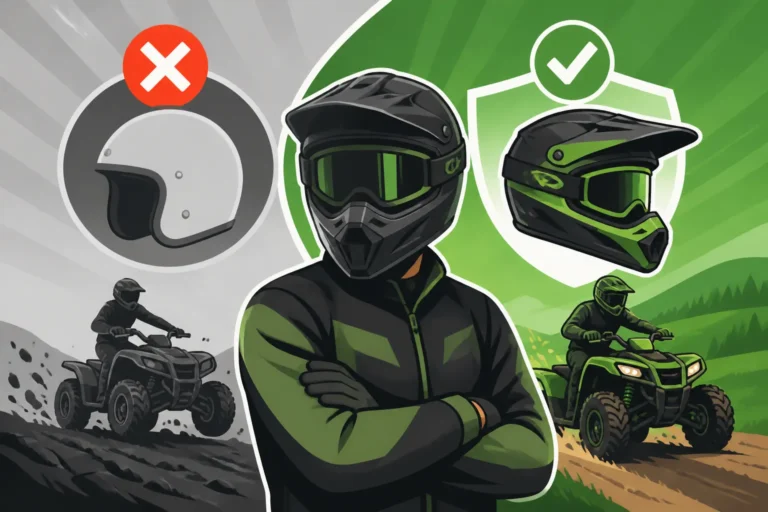
For example, failure to wear an approved helmet is a significant one. We've written about [Saskatchewan ATV Helmet Law] extensively because it's such a common point of contention and enforcement. Riders often forget their helmet, or wear one not compliant with the standards, only to find themselves facing a fine. Another frequent issue is related to age requirements. If you have a younger rider on the machine, you need to be aware of [Saskatchewan ATV Age Requirements] and the strict supervision rules. If a child under 12 is operating an ATV, or a youth between 12-16 is unsupervised when required, the adult responsible can face substantial fines.
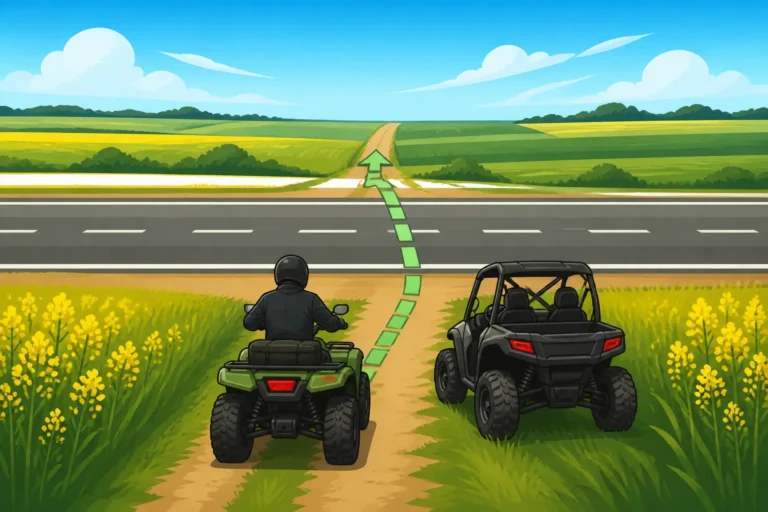
Then there are the rules about where you can ride. Ditch riding is a popular activity for many, but there are specific rules like [Saskatchewan Ditch Riding and the 2-Metre Rule] that govern how far you must stay from the travelled portion of a highway. Riding too close, or in prohibited areas, can easily lead to a ticket. Similarly, operating your machine after dark without proper illumination, as outlined in [Saskatchewan Lighting Rules at Night], is a surefire way to attract attention from law enforcement and receive a fine that will start that ominous 30-day countdown. Even something like not having your [Saskatchewan Insurance Proof on the Trail] handy can result in a fine. These fines might not seem like much individually, but they certainly add up, and ignoring them can lead to even bigger financial woes.
The Escalating Consequences: What Happens After Thirty Days in Saskatchewan
The 30-day mark isn't just an arbitrary date; it's a legal trigger point. Once you've defaulted on an ATV fine, the provincial system doesn't just forget about it. Instead, it starts to apply more pressure, and the cost of your initial mistake begins to compound. What might have started as a straightforward fine can quickly morph into a much more complex and frustrating legal battle, impacting not just your wallet but potentially your ability to drive or even register vehicles in the future.
Initial Fines and the Standard Payment Period
When you first receive an ATV ticket in Saskatchewan, you'll see the base fine amount clearly stated. Most often, you're given around 30 days to pay this amount or, if you believe you were wrongly ticketed, to formally dispute it in court. Many fines under the Act are designed to be a deterrent, and [Saskatchewan Fines Capped at $1,000] means that even a single serious infraction can hit your wallet hard. Paying within this initial period is always the simplest and least expensive option. You might grumble about it, but it typically closes the book on the matter, preventing any further hassle.
The system is designed to give you that grace period to get your affairs in order. It's not a trick, but a standard procedural step. Missing it isn't an oversight the system will forgive; it's a failure to comply with a legal order, and that's where the real trouble begins. It’s like ignoring a small crack in your windshield; eventually, it’s going to spiderweb into something much bigger and more expensive to fix.
The "Thirty Days in Default" Trigger and Its Immediate Aftermath
The moment that 30-day window closes without a payment or a formal dispute, your fine officially goes into default. This isn't a silent process; it triggers a series of escalating actions. First and foremost, you'll likely see additional charges piled onto your original fine. These can include late payment penalties, administrative fees, and even specific surcharges for defaulting. So, that $200 ticket could easily become $300 or more overnight, simply because you didn't act within the timeframe. On top of that, [Saskatchewan Court Costs for a Citation] can also be added, making the total amount significantly higher.
But it doesn't stop at just more money. The information about your defaulted fine is entered into the provincial system, making it visible to various government agencies. This can lead to a snowball effect where your ability to interact with other provincial services becomes hampered. It’s an incredibly frustrating experience for many, realizing that a seemingly minor ATV infraction has now become a bureaucratic nightmare, all because of a missed deadline. The weight of those compounding fees can be a genuine financial burden, especially if you have multiple tickets or a large initial fine.
Beyond Monetary Penalties: The Wider Implications of Default
The repercussions of defaulting on an ATV fine extend far beyond just an increased payment. One of the most common and impactful consequences is the potential for your driver's license to be suspended or withheld. Yes, even if the ATV fine isn't directly related to driving your car, unpaid provincial fines can lead to a hold on your driver's license renewal or even an immediate suspension. Imagine being unable to drive your truck to work, or to haul your ATV to your favourite riding spot because of an unpaid fine – it's a very real possibility in Saskatchewan. [Saskatchewan Disqualified Driver Offences] come with their own serious consequences, making it crucial to resolve any underlying issues.
Furthermore, defaulting on fines can sometimes impact other provincial services, such as vehicle registration. While ATVs themselves aren't registered province-wide in Saskatchewan, issues with your driver's license or outstanding provincial debts can certainly affect your ability to register other vehicles you own, like your car or truck. In some cases, the government may even initiate collection actions to recover the defaulted funds, which could eventually impact your credit rating. It's a clear message from the province: take these infractions seriously, or face compounding difficulties. This is also where [Saskatchewan Owner Liability Rules] can come into play; if you own the machine and allowed someone to operate it unsafely, you might find yourself on the hook for their fines, which then, of course, can default.
Strategies for Dealing with an ATV Fine in Saskatchewan (and Avoiding Default)
The good news is that understanding the "thirty days in default" rule means you can proactively prevent yourself from falling into this trap. While getting a ticket is never fun, there are clear steps you can take to manage the situation effectively, whether you choose to pay or dispute the fine. The key, as with many things in life, is to act swiftly and decisively.
Options When You Receive an ATV Ticket
When that ticket lands in your hands, take a deep breath. You have a few immediate options, and choosing the right one for your situation is crucial.
First, and often the simplest, is to pay the fine promptly. If you know you were in the wrong, or if the fine is small enough that the hassle of disputing it isn't worth your time, paying it quickly is the best way to close the chapter. Don't procrastinate; make that payment as soon as you can within the initial 30-day window. This avoids all the potential headaches of default and lets you get back to enjoying your machine, perhaps even looking at some new protective gear from SuperATV to prevent future incidents.
Second, if you genuinely believe the ticket was issued in error, or if you have a valid defense, you have the right to dispute the ticket. This means formally requesting a court date to present your case. This is where knowing the specifics of the law, like [Disputing a Ticket Written Under the Act], becomes invaluable. If you decide to dispute, it's vital to follow the instructions on the ticket carefully and submit your request within the designated timeframe. Simply ignoring the ticket and hoping it goes away is not disputing it; it's defaulting. If you miss that window to dispute, your opportunity might be gone forever.
Finally, if you're facing a significant fine and genuinely can't afford to pay it all at once, you might be able to seek an extension or payment arrangement. This isn't always an option, and it depends on the specific court or issuing authority, but it's worth exploring before you default. Contact the provincial court office listed on your ticket to inquire about possibilities. They might be able to guide you on how to make a formal request. The important takeaway here is to act before the 30-day mark; once you're in default, your options become much more limited and less flexible.
What to Do If You've Already Passed the Thirty-Day Mark
If you're reading this and suddenly realizing that you've already blown past the 30-day mark, don't panic, but do recognize the urgency of the situation. While it's certainly more complicated now, it's not impossible to resolve. The key is to take immediate steps to mitigate further damage.
Your very first action should be to contact the Provincial Court or the relevant authority (often listed on the ticket, or you can find general contact information for Saskatchewan courts online). Explain your situation as honestly as possible. They will be able to tell you the exact amount owing, including any added fees and penalties, and inform you of any enforcement actions already underway, such as a license suspension notice.
In some cases, especially if it's your first offense or if you have a compelling reason for the delay, you might be able to negotiate a payment plan or request a hearing to explain the circumstances of your default. However, be prepared for additional fees and less flexibility, as the court system now has the upper hand. The goal here is to get back into compliance and prevent any further escalation, such as collections or more severe license sanctions. This process will undoubtedly add stress and complexity to your life, reinforcing why acting quickly initially is always the better path.
Preventative Measures: Riding Smart to Avoid Fines in the First Place
The absolute best way to deal with "thirty days in default" is to ensure you never get a ticket in the first place. This might sound obvious, but for many ATV and UTV riders, a little knowledge and some proactive habits can go a long way in keeping you out of trouble and letting you enjoy the vast wilderness of Saskatchewan without worrying about legal woes.
Knowing the Rules: Your Best Defense
Ignorance of the law is never a valid defense, but it's a common reason riders find themselves facing fines. Saskatchewan has specific regulations for ATV and UTV operation, and taking the time to understand them is your first and most important step. Don't just assume the rules are the same as for snowmobiles or other vehicles; they often differ significantly.
A great starting point is familiarizing yourself with [Saskatchewan's All Terrain Vehicles Act]. This is the foundational legislation, and understanding its general principles will make you a much more informed and responsible rider. Beyond provincial law, many municipalities also have their own bylaws governing ATV use. Before you head out, especially if you're exploring a new area, it’s always a good idea to check [Saskatchewan Bylaw Lookups Before You Ride]. You might find that what’s perfectly fine in one rural municipality is strictly prohibited in another.
For those who enjoy riding on Crown land, there are also specific rules and sometimes administrator orders to be aware of. Consulting [Saskatchewan Crown Land Access Rules] will help you understand where you can legally ride and if any permits or permissions are required. Furthermore, consider investing in a youth certification course if you have young riders. While not always mandatory for adults, understanding these rules benefits everyone. Being informed means you can confidently enjoy your ride, whether you're traversing a field or navigating a trail.
Responsible Riding Habits and Equipment Checks
Beyond knowing the rules, embedding responsible riding habits into your routine can drastically reduce your chances of getting a ticket. Before every ride, conduct a quick inspection of your machine. Are your lights working, especially if there's any chance you'll be riding near dusk or after dark? Does your machine have a functional spark arrestor, as required by [Saskatchewan Spark Arrestor Guidance], which is crucial for preventing wildfires? Checking these small details can save you from a major fine and a potential "thirty days in default" situation.
If you're riding with younger family members, always ensure that [Saskatchewan's 365-Day Supervisor Rule] is being followed. The supervisor is legally considered the operator, so their license status and experience are vital. This rule is designed for safety, and ignoring it can lead to very serious consequences. Moreover, always carry the necessary paperwork with you. This includes proof of ownership, like your bill of sale, which serves as your [Saskatchewan Proof of Ownership on the Trail]. And, as mentioned earlier, always have [Saskatchewan Insurance Proof on the Trail] readily available, as officers can ask for it at any time.
Finally, think about how you're kitting out your machine. While aftermarket parts from companies like SuperATV can enhance performance and utility, make sure any modifications, especially to lights, exhaust, or other safety features, still comply with provincial regulations. Keeping these things in mind, combined with a commitment to safe and legal riding, will not only help you avoid tickets but also ensure you have a more enjoyable and worry-free experience out on the trails and fields of Saskatchewan.
| Action Item | Timeline / Deadline | Potential Consequences of Default (After 30 Days) |
|---|---|---|
| Receive ATV Ticket | Day 0 | Initial fine amount |
| Pay Fine or Dispute | Within 30 days | Resolution of fine, no further penalties |
| Default Occurs | After 30 days | Added late fees, administrative charges |
| Potential License Actions | Varies (often soon after) | Driver's license suspension or non-renewal |
| Potential Vehicle Registration Issues | Varies | Inability to register other vehicles |
| Debt Collection / Court Action | Further into default | Collections, potential credit impact, court costs |
Disclaimer
This article is for general informational purposes only and does not constitute professional advice. Laws, prices and regulations vary by location and change over time. Consult a qualified professional for guidance on your specific situation.