Staying at the Scene
There are few things as unsettling for an off-road enthusiast as finding yourself involved in an ATV or UTV accident. The immediate shock, the concern for injuries, and the sudden chaos can make it incredibly difficult to think clearly about what you need to do next. This guide is here to walk you through the essential steps and legal obligations you have in Saskatchewan if you're ever in the unfortunate position of being involved in an ATV or UTV accident, focusing specifically on your duty to stay at the scene and what that truly entails.
The Immediate Aftermath: What to Do First
When an accident happens, especially unexpectedly, it’s natural for your mind to race. The adrenaline kicks in, and it can be hard to focus. But taking a moment to gather yourself and prioritize certain actions can make a huge difference, both for safety and for any subsequent legal or insurance processes.
Prioritizing Safety and Assessing Injuries
Your absolute first priority after any incident is the safety of everyone involved, including yourself. Before you do anything else, pause, take a deep breath, and quickly assess the situation. Are you injured? Can you move safely? Look around at others involved. Do they appear injured?
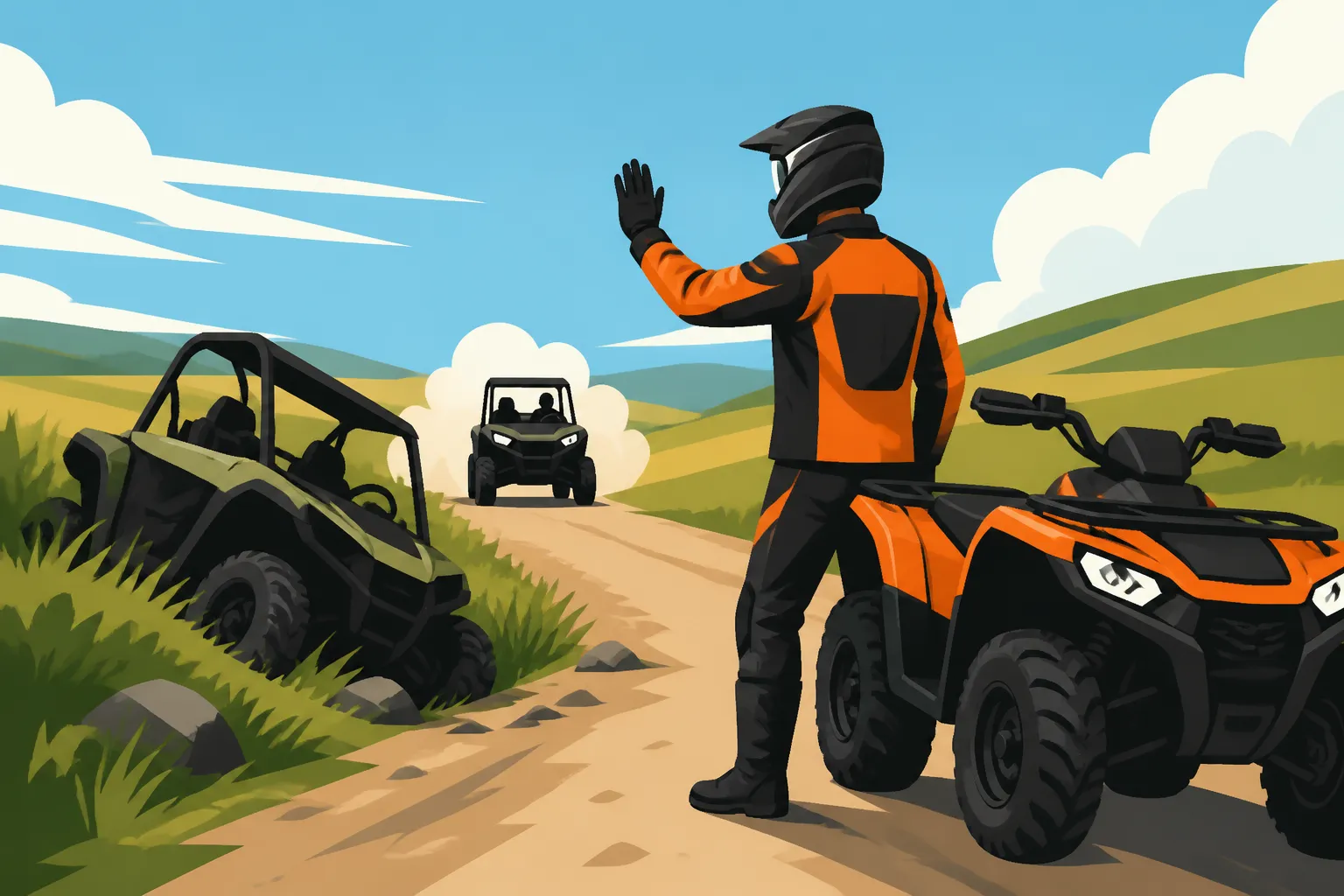
If you are able, the safest thing to do is move yourself and any uninjured passengers to a place of immediate safety, away from potential hazards like moving traffic or unstable machines. Sometimes, this might mean carefully moving off the trail or road to a shoulder or a clear area. However, it’s crucial to remember a cardinal rule: never move an injured person unless their immediate environment poses a greater threat to life or limb. If someone is clearly hurt, especially with head, neck, or back pain, assume a spinal injury and keep them still. Call for emergency medical assistance immediately. Every second counts, and providing clear, concise information to emergency responders about your location and the nature of injuries is critical. It's a stressful moment, but trying to remain calm and methodical can prevent further harm.
Securing the Scene and Preventing Further Harm
Once immediate safety and injury assessment are underway, the next step is to secure the scene to prevent any further incidents. This often involves taking simple but effective actions. Start by turning off the engines of any involved ATVs or UTVs. This eliminates the risk of accidental acceleration or further damage if the machine is unstable.
If the accident happened on or near a public road or trail where other vehicles might be passing, you need to make the scene as visible as possible. If you carry any safety triangles, flares, or even bright reflective vests, deploy them to warn oncoming traffic. Sometimes, aftermarket accessories from brands like SuperATV include features like bright LED lights that, even if damaged, might offer some visibility if they can still be activated. Blocking off the area, if safe to do so, ensures that other riders or drivers don't accidentally become part of the accident scene themselves. Think about what a responder would see coming down the trail or road and try to make the area safe and obvious.
Fulfilling Your Legal Obligations in Saskatchewan
Saskatchewan has clear expectations for what riders must do in the event of an ATV or UTV accident. These aren't just good manners; they are legal duties designed to protect everyone. Understanding these obligations is crucial to avoid further complications.
The Duty to Stay and Render Assistance
In Saskatchewan, if you are involved in an accident with an ATV or UTV, whether it's with another vehicle, a pedestrian, an animal, or even property, you have a legal duty to remain at the scene. This isn't just a suggestion; it’s enshrined in law, specifically within the province's legislation governing off-road vehicles. Fleeing the scene of an accident, often called a "hit and run," carries serious penalties, including significant fines, potential licence suspension, and even jail time, depending on the severity of the incident.
Your duty to stay also includes the responsibility to "render assistance." This doesn't necessarily mean performing complex medical procedures; it means doing what you reasonably can to help. This could involve calling 911 for emergency services, staying with an injured person until help arrives, or simply offering comfort and reassurance. If property is damaged and the owner isn't present, leaving your contact information at the scene is part of this duty. Even if you feel the accident was minor, or you believe you weren't at fault, your legal obligation to remain at the scene and offer aid stands. This crucial step is often the first thing authorities will investigate if an accident is reported. For more details on what officers might ask for, see [Carrying Papers on a Grid Road].
Exchanging Information with Other Parties
Once the immediate safety and assistance steps are underway, if other parties are involved and able, you must exchange information. This is standard procedure in any accident. You should gather:
- Names and Contact Information: Get the full names, phone numbers, and addresses of all other operators and any witnesses.
- Vehicle Information: Collect the make, model, year, and vehicle identification number (VIN) of all involved ATVs or UTVs. While Saskatchewan doesn't register ATVs, documenting the VIN is still crucial for identification and insurance purposes. See [Saskatchewan Has No ATV Plate or Decal] for more context.
- Insurance Details: Obtain the insurance company name and policy number from other operators. Even though there's no provincial registration for ATVs, riders are still required to carry liability insurance. [Saskatchewan Insurance Requirements for Riders] explains this in detail.
- Operator's Licence Information: Ask for the driver's licence number of any other operators.
It's equally important to provide your own information to them. Do not admit fault or make any statements that could be interpreted as an admission of guilt. Stick to the facts and exchange the necessary details. If you're involved in an accident, your insurance company will handle the liability assessment.
Reporting the Accident to Authorities
Knowing when to report an ATV or UTV accident to the police or RCMP in Saskatchewan is critical. Generally, if an accident involves:
- Injury or Death: Any accident resulting in bodily injury or fatality to any person must be reported immediately.
- Significant Property Damage: If the damage to property (including your own machine, another vehicle, or external property like fences or signs) appears to exceed a certain monetary threshold (which can vary, so it's always safer to err on the side of caution), it needs to be reported.
- Public Land or Crown Land Involvement: Accidents on public roads, provincial parks, or Crown land often have specific reporting requirements, especially if they involve environmental damage or infrastructure.
- Unattended Property Damage: If you damage property and the owner isn't present, you must report it to the nearest police detachment.
When reporting, be prepared to provide all the information you gathered at the scene. The police will create an accident report, which is vital for insurance claims and any potential legal proceedings. The sooner you report an incident that meets these criteria, the better. Delaying a report can sometimes lead to complications or even imply an attempt to conceal information. You can learn more about these duties in [Saskatchewan Accident Reporting Duties].
Documenting the Scene for Your Protection
In the age of smartphones, documenting an accident scene is easier than ever, and it's one of the most powerful things you can do to protect yourself. Detailed documentation can be invaluable for insurance claims and legal defense.
Gathering Evidence with Photos and Notes
Your phone is your best friend after an accident. Take as many photos and videos as you can, from various angles and distances. Don't just focus on the damage; capture the broader context of the scene.
- Overall Scene: Take wide shots showing the position of all machines, vehicles, and people involved in relation to the environment (e.g., trail, ditch, road, trees, signs).
- Damage: Get close-up photos of all damage to your ATV/UTV, other vehicles, and any property. Don't forget to photograph specific components, even aftermarket parts like a SuperATV heavy-duty tie rod or a custom bumper that might have absorbed impact.
- Environmental Factors: Photograph skid marks, debris on the ground, road or trail conditions (potholes, mud, gravel, ice), weather conditions (sunny, rainy, foggy), and any relevant signage.
- Injuries: If injuries are visible, and the injured party permits, photograph them.
Beyond photos, make detailed notes while the scene is fresh in your mind. Write down the exact date, time, and location of the accident. Describe the sequence of events as you remember them. Note down weather conditions, visibility, and any other factors that you believe contributed. These contemporaneous notes can be incredibly helpful later on when memories start to fade or become muddled.
Witness Information and Statements
Witnesses can provide unbiased accounts of what happened, which can be critical if there are conflicting stories about the accident. Always make an effort to find and speak with anyone who saw the incident occur.
When you approach a witness, do so calmly and respectfully. Ask if they saw what happened and if they would be willing to provide their contact information. Get their full name, phone number, and email address. If they are willing, ask if they can briefly describe what they observed. Write down their account immediately, in their own words if possible, and note the time you spoke with them. Do not try to coach them or influence their statement. Just record what they say. Even if their account seems minor at the time, it could become important later. If they seem hesitant, just getting their contact information is a win, as your insurance company or legal counsel can follow up with them later.
What Happens Next: Insurance and Follow-Up
The immediate aftermath of an accident is just the beginning. The steps you take in the days and weeks that follow are just as important for resolving claims and ensuring you meet all legal requirements.
Notifying Your Insurance Provider
As soon as reasonably possible after the accident, you need to contact your ATV or UTV insurance provider. Even if the damage seems minor or you don't think you're at fault, a prompt report is always advisable. Many policies have clauses requiring timely notification of incidents. Delaying could potentially jeopardize your claim.
When you call your insurer, be prepared to provide all the information you gathered at the scene: names, contact details, machine information, police report numbers (if applicable), and your detailed notes and photos. Your insurer will guide you through the claims process, explaining what further documentation they need and how they will proceed with damage assessment and liability determination. Remember, your insurer is there to help you navigate this process, but they can only do so effectively with accurate and complete information. Having a robust policy is key, and it’s important to understand your coverage, especially in a province where there is no provincial registration. For more information on this, check out [Saskatchewan Insurance Claims Without a Plate].
Understanding Potential Penalties and Liabilities
Being involved in an ATV or UTV accident in Saskatchewan can unfortunately come with a range of potential penalties and liabilities, depending on the specifics of the incident. If you are found to be in violation of the All Terrain Vehicles Act, you could face fines, which can be capped at $1,000 under the Act, plus court costs. More serious infractions, especially those involving impaired operation or causing serious injury, can lead to much harsher consequences under other provincial statutes or the Criminal Code of Canada. You can read more about [Saskatchewan Fines Capped at $1,000].
Beyond direct penalties, there's the aspect of civil liability. If you are found at fault for an accident that causes injury or property damage to another party, you could be held financially responsible for their losses. This is where your liability insurance comes into play, as it's designed to cover these costs up to your policy limits. However, if damages exceed your coverage, you could be personally liable for the difference. It's also important to understand [Saskatchewan Owner Liability Rules] if someone else was operating your machine. Always ensure your machine is in good working order, perhaps even considering quality replacement parts from companies like SuperATV for critical components, to reduce the risk of mechanical failure contributing to an accident. Prevention, through safe operation and a well-maintained machine, is always the best defense against these potential repercussions.
Here's a quick reference table to help you remember the crucial steps after an ATV or UTV accident in Saskatchewan:
| Step | Description |
|---|---|
| 1. Prioritize Safety | Move to a safe location if possible. Assess yourself and others for injuries. Do not move injured individuals unless absolutely necessary. Call 911 immediately for severe injuries. |
| 2. Secure the Scene | Turn off all engines. Use safety markers (if available) to warn others of the accident location. |
| 3. Stay at the Scene | Remain at the accident location until police arrive or all necessary information has been exchanged. Do not flee. |
| 4. Render Assistance | Provide reasonable aid to injured parties, which includes calling for emergency services. |
| 5. Exchange Information | Gather names, contact details, insurance information, and machine VINs from all involved parties and witnesses. Provide your own information. |
| 6. Report to Authorities | Contact police or RCMP if there are injuries, significant property damage, or if you hit unattended property. |
| 7. Document Everything | Take photos/videos of the scene, damage, and environmental factors. Write down detailed notes about the incident. |
| 8. Notify Your Insurer | Contact your ATV/UTV insurance provider as soon as possible to report the accident and initiate a claim. |
Disclaimer
This article is for general informational purposes only and does not constitute professional advice. Laws, prices and regulations vary by location and change over time. Consult a qualified professional for guidance on your specific situation.