Financing an Unregistered Machine in Saskatchewan
It’s a common moment of confusion for many off-road enthusiasts in Saskatchewan: you’ve found the perfect ATV or UTV, you’re ready to hit the trails or tackle farm chores, and then the question of financing comes up, often quickly followed by the head-scratcher of registration. Unlike cars or even snowmobiles, ATVs don't have a provincial registration system here, which can make securing a loan feel like navigating uncharted territory. This guide will walk you through the ins and outs of financing an unregistered ATV or UTV in Saskatchewan, explaining what lenders look for and how you can prepare to make the process as smooth as possible.
The Saskatchewan Reality of ATV Registration
One of the biggest hurdles, and frankly, sources of bewilderment for ATV owners in Saskatchewan, is the absence of a provincial registration system for these machines. You'd think that something as common as an all-terrain vehicle would have a clear, province-wide process, but that's simply not the case. Many riders moving from other provinces or even just getting into the sport for the first time are surprised to learn that there isn't a central database or a provincial plate to acquire. This fact fundamentally shapes how you approach ownership, proof, and yes, financing.
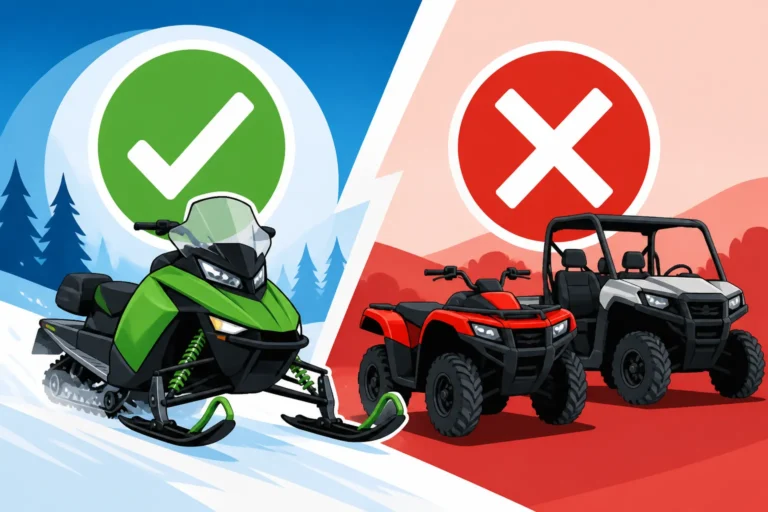
For context, snowmobiles in Saskatchewan do have a provincial registration process, complete with fees and mandatory insurance bundled into that registration. This often leads to confusion, as people naturally assume ATVs would fall under a similar system. But no, your quad or side-by-side exists in a kind of administrative limbo when it comes to a provincial record. This isn't necessarily a bad thing, as it can simplify some aspects of ownership, but it undeniably complicates others, especially when a lender needs to secure their interest in a financed asset. Without a provincial paper trail, the onus shifts to other forms of documentation to establish ownership and protect a financial institution's investment.
No Provincial Registry Means No Provincial Title
Because there's no central registry for ATVs in Saskatchewan, there's also no formal "title" document issued by the province, unlike what you'd see for a car, truck, or even land. When you buy a vehicle that is registered and titled, the title document often serves as a crucial piece of collateral for a lender. It's a provincial acknowledgment of who legally owns the vehicle, and it can be held by the lender until the loan is paid off, providing a clear mechanism for them to secure their interest. With ATVs, this standard avenue simply doesn't exist.
This lack of a provincial title means that proof of ownership falls entirely on private documentation. For years, residents have navigated this by relying on other means to establish who truly owns a machine. It's a system built on trust and diligent record-keeping between private parties and, where applicable, reputable dealers. When it comes to financing, this reality means that lenders need to get creative and rely on more traditional contractual methods to secure their investment, focusing heavily on a comprehensive paper trail and other legal safeguards rather than a government-issued certificate. To learn more about this, check out our article on [Saskatchewan Has No Title to Transfer].
How Bills of Sale Fill the Gap
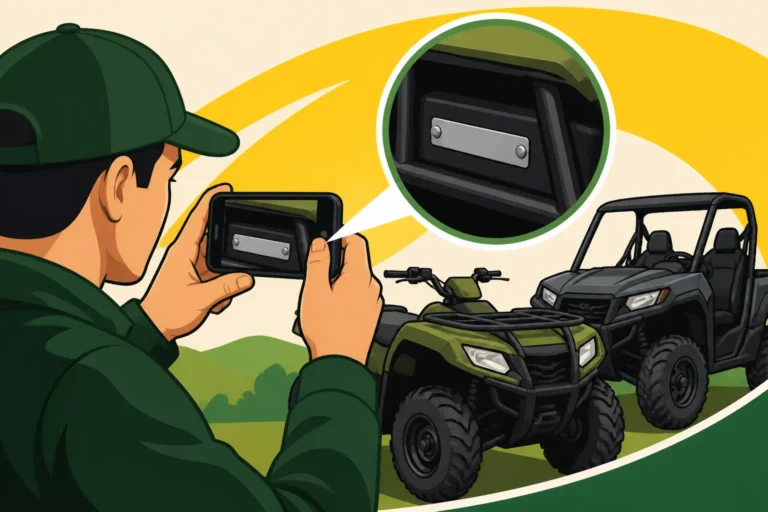
In the absence of a provincial title, the bill of sale becomes the absolute cornerstone of proving ownership for an ATV or UTV in Saskatchewan. This document isn't just a receipt; it's a legally binding contract that transfers ownership from one party to another. For both the buyer and any potential lender, a well-drafted bill of sale is paramount. It should clearly identify the buyer and seller, the specific machine being sold (including make, model, year, and crucially, the Vehicle Identification Number or VIN), the purchase price, and the date of the transaction. Without it, you truly have no official proof that the machine is yours.
When you're looking to finance an ATV, lenders will scrutinize this document. They need to be absolutely certain that you are the rightful owner (or will be upon purchase) and that there are no encumbrances or prior claims on the machine. A complete and accurate bill of sale not only establishes your ownership but also provides the basis for recording a lien against the machine if you're taking out a loan. This document essentially stands in for what a title would normally provide in other provinces or for other types of vehicles, acting as the primary legal record. You can find more details on this in [Saskatchewan Bills of Sale Do the Work].
How Lenders View Unregistered Assets
It’s fair to say that from a lender’s perspective, an unregistered asset like an ATV presents a unique set of challenges. Banks and credit unions are in the business of managing risk, and a key part of that is ensuring they have a clear path to recover their investment if a borrower defaults on a loan. When an asset has no provincial registration or title, that clear path can sometimes appear a little foggier, but it’s far from impossible to navigate. They understand the local reality, but they also have protocols they need to follow.
The core issue for lenders is the concept of collateral. For a car loan, the vehicle itself serves as collateral, and the lender can register a lien against its title. This publicly recorded lien ensures that if you stop making payments, the lender has a legal right to repossess the vehicle and sell it to recoup their losses. With an unregistered ATV, that traditional lien registration process is absent. This doesn't mean lenders won't finance ATVs, but it does mean they'll likely require different safeguards or look at your overall financial profile more closely.
The Challenge of Securing a Loan
The primary challenge for lenders when financing an unregistered ATV in Saskatchewan is securing their interest in the machine. Without a provincial registry to record a lien, they can't simply file a document with a government body to officially stake their claim against the ATV itself. This adds a layer of complexity compared to, say, financing a new truck where the process is straightforward. Lenders are wary of situations where they might not be able to easily identify or repossess an asset if a borrower defaults, especially if that asset could be sold to another party without their knowledge.
However, financial institutions in Saskatchewan are well aware of this provincial anomaly. They’ve developed alternative methods to protect their investments. These often involve more robust contractual agreements, ensuring the loan agreement explicitly grants them a security interest in the ATV. They might also leverage other forms of collateral or rely more heavily on the borrower's creditworthiness and overall financial stability. It means they're not just looking at the ATV, but at the whole picture of you as a borrower, making your financial history and reliability even more critical. Our article on [Securing a Loan Against a Quad With No Plate] delves deeper into these aspects.
Lender Requirements for Off-Road Vehicles
When seeking financing for an ATV or UTV, even if it's unregistered, lenders will still have specific requirements to fulfill their due diligence. Beyond the standard credit check and income verification, they will put a significant emphasis on documentation that establishes ownership and value. This includes a detailed bill of sale, often requiring the VIN to be clearly stated and verified. They might also request proof of insurance, as this protects their investment against theft, damage, or liability, ensuring that if something happens to the machine, its value is covered.
Furthermore, some lenders might require a Personal Property Security Act (PPSA) search even for an unregistered machine. While there's no provincial registration for the ATV itself, liens can still be registered against individuals or specific property. This search helps the lender confirm that there are no existing claims or encumbrances on the ATV from previous owners or other creditors. This due diligence is crucial for them to feel confident in lending money against an asset that lacks the usual governmental paper trail.
Financing Options Beyond Traditional Loans
Even if traditional secured loans for unregistered ATVs seem challenging, there are still several viable financing avenues. Many consumers in Saskatchewan successfully purchase ATVs using a variety of financial products. For instance, dealer financing is often a popular choice. Dealerships frequently have established relationships with multiple lenders who are accustomed to financing ATVs, understanding the nuances of provincial rules. These lenders have already developed processes to secure their interests through means other than a provincial title.
Another common option is a personal loan or line of credit from a bank or credit union. While these might not be explicitly tied to the ATV as collateral in the same way a car loan is, they provide the funds needed for the purchase. The interest rates and terms for these products will depend on your credit score and financial history. Similarly, many credit unions are often very community-focused and knowledgeable about local realities, sometimes offering more flexible options for members looking to finance recreational vehicles. Manufacturer financing promotions are also common, especially during off-peak seasons, providing competitive rates through the dealer channel. For more on this, consider reading [Using a Credit Union Loan for a Quad Purchase] or [Financing a Quad Through a Saskatoon Dealer].
Documentation and Process for Financing
The key to successfully financing an unregistered ATV in Saskatchewan truly boils down to thorough documentation and understanding the process. Since there isn't a central registry to fall back on, every piece of paper you have becomes critical evidence of ownership and value. Being well-prepared with all the necessary documents can significantly streamline your application and build confidence with potential lenders.
It's not just about having a bill of sale; it's about having a good bill of sale. It's about ensuring all serial numbers match, that payment details are clear, and that the transaction is undeniably legitimate. This diligence protects you as the buyer, and it gives the lender the assurances they need that they're making a sound investment in your ability to repay the loan secured by that specific piece of equipment.
Essential Paperwork for a Loan Application
When you’re preparing to apply for financing for your ATV or UTV, gathering the right paperwork upfront can save you a lot of back-and-forth. The absolute most crucial document, as we’ve discussed, is the bill of sale. It needs to be comprehensive, clearly stating the full legal names of both buyer and seller, the complete VIN (Vehicle Identification Number), make, model, year, and the agreed-upon purchase price. If you’re buying from a private seller, you might consider using a template from a service like LawDepot to ensure all necessary legal elements are included.
Beyond the bill of sale, you’ll want to have proof of insurance ready. Lenders often require comprehensive coverage, as this protects their asset against theft or damage. Additionally, be prepared to provide standard financial documentation such as recent pay stubs, employment verification, and possibly bank statements. If you’re trading in another vehicle, ensure you have all its related paperwork as well. For a deeper dive into what you need, refer to [Saskatchewan ATV Paperwork for a Buyer].
The Role of Personal Property Security Act PPSA Searches
Even without a provincial ATV registration, the Personal Property Security Act (PPSA) plays a vital role in protecting lenders’ interests and giving buyers peace of mind. The PPSA registry allows individuals and corporations to register a security interest (a lien) against personal property, which includes ATVs and UTVs. While the ATV itself doesn't have a registration, a lien can still be placed against it or against the borrower.
Before financing, your lender will almost certainly conduct a PPSA search against the ATV’s VIN and potentially against the seller’s name (if buying privately). This search reveals if there are any existing liens or security interests against the specific machine or if the previous owner has any outstanding debts secured by their personal property that could include the ATV. A clean PPSA search is critical for a lender to feel confident that they will have the primary claim on the asset should you default, making it an indispensable part of the financing process in Saskatchewan. For more on this, you can look into [Saskatchewan Liens on an Unregistered Machine].
Dealer vs. Private Sale Financing Differences
The source of your ATV purchase—whether from a reputable dealer or a private seller—can significantly impact the financing process. When you buy from a dealer, they often act as a one-stop shop for financing. They have established relationships with multiple lending institutions, making the application process smoother. These lenders are accustomed to the unique situation of financing unregistered ATVs in Saskatchewan and have their own internal procedures for securing their loans. Dealers also handle much of the paperwork, including ensuring the bill of sale is correct and submitting the necessary documentation to the lender. They can often provide competitive financing rates, and sometimes offer manufacturer-specific incentives.
Buying from a private seller, however, places more responsibility on you. You'll need to secure your own financing, typically through a personal loan or line of credit from your bank or credit union. You'll also be responsible for drafting a robust bill of sale (consider using a template from a service like LawDepot for accuracy), conducting the PPSA search yourself (or ensuring your lender does), and verifying the machine's condition and history. While private sales might offer more negotiation room on price, they require a more proactive and informed approach to financing and paperwork.
Mitigating Risk for Both Parties
When financing an unregistered ATV in Saskatchewan, both the lender and the borrower are looking to protect their interests. For the borrower, it's about getting the best terms and ensuring the purchase is secure. For the lender, it's about minimizing the risk associated with an asset that doesn't have a provincial title. By understanding and implementing key strategies, you can make the transaction safer and more appealing for everyone involved.
Think of it as building a strong case for your loan. The more clearly you can demonstrate the machine's value, your commitment to repayment, and the legal safeguards in place, the more confident a lender will be. This ultimately benefits you through better rates and a smoother approval process.
The Importance of Comprehensive Insurance
For any ATV owner, and especially for those financing their machine, comprehensive insurance is not just a good idea—it's often a mandatory requirement from lenders. Without a provincial registration that might include basic liability, getting a standalone policy is crucial. Lenders insist on insurance because it directly protects their investment. If the ATV is stolen, damaged in an accident, or otherwise rendered unusable, your insurance policy ensures that the financial value of the machine is covered, allowing the loan to be repaid.
While Saskatchewan law requires a minimum amount of liability insurance for ATV operation (often $200,000 in third-party liability), your lender will likely require additional coverage for collision and comprehensive risks. This means protection against things like theft, fire, vandalism, or damage from striking an animal. Having this coverage in place before you even apply for the loan demonstrates responsibility and provides a critical layer of security for the financing institution. It shows them you're serious about protecting the asset that secures their loan. To better understand your obligations, look into [Saskatchewan Insurance Requirements for Riders].
Dealer Support and Warranties
Purchasing an ATV or UTV from an authorized dealer often comes with inherent advantages that can ease the financing process and mitigate risk for both parties. Dealers typically sell new machines (or certified used ones) that come with manufacturer warranties. These warranties provide a layer of protection against mechanical breakdowns, ensuring that the machine maintains its value and operational status, which is a significant plus for lenders. If the ATV breaks down shortly after purchase, a warranty prevents a scenario where the borrower is stuck with loan payments for a non-functional machine.
Beyond warranties, dealers often offer after-sales support, including service and parts. This ongoing support ensures the ATV can be properly maintained, extending its lifespan and retaining its value. Furthermore, dealers are experienced in all the necessary paperwork, from crafting a detailed bill of sale to handling any PPSA searches if required by their associated lenders. Their established credibility and expertise can make the financing process for an unregistered machine feel much more secure and straightforward than a private transaction. You can find more about the documentation dealers provide in [Saskatchewan Dealer Paperwork at Delivery].
When a Bill of Sale Needs More Detail
While a basic bill of sale is essential, for financing an unregistered ATV in Saskatchewan, a more detailed and robust document can provide significant reassurance to lenders. Beyond the standard information like VIN, make, model, and price, a comprehensive bill of sale should include specific clauses that address potential ambiguities. For instance, it should clearly state that the machine is sold "free and clear" of all liens and encumbrances. For private sales, it's also wise to include language regarding the "as-is" condition of the sale or any express warranties being made by the seller.
Adding details like the odometer reading (if applicable), any known defects disclosed by the seller, and signatures of witnesses can further strengthen the document's legal standing. If you’re involved in a private sale, consider using a professionally drafted template, perhaps from a legal document service like LawDepot, to ensure all critical details and legal protections are included. This level of detail provides an extra layer of assurance to the lender that the transaction is legitimate and that their security interest, even without a provincial title, is as well-protected as possible.
Disclaimer
This article is for general informational purposes only and does not constitute professional advice. Laws, prices and regulations vary by location and change over time. Consult a qualified professional for guidance on your specific situation.