Riding the Edge to Reach a Bridge
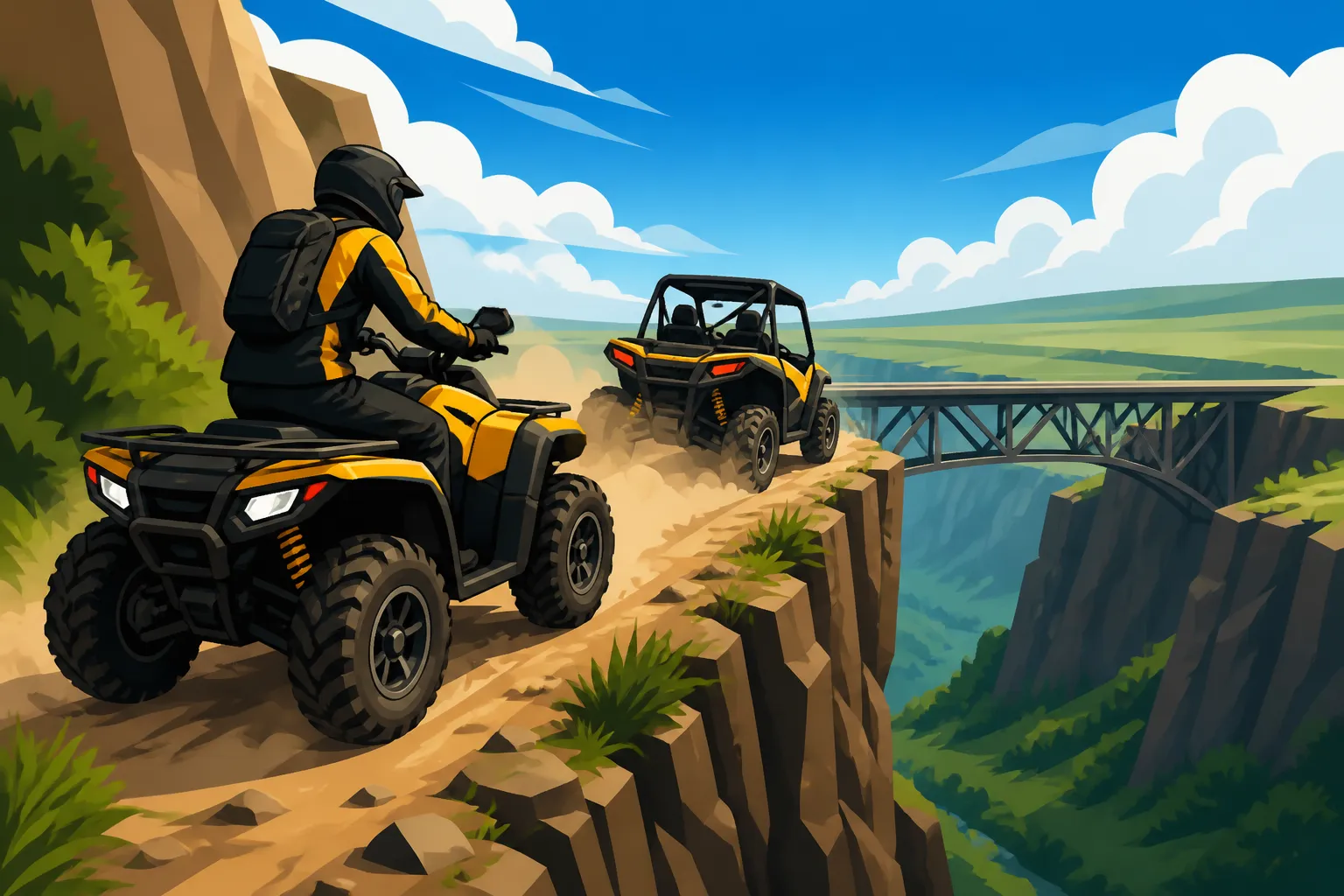
Riding an ATV or UTV in Saskatchewan offers unparalleled freedom and access to the vast, beautiful landscapes of the prairies and parklands. However, the joy of the open trail can quickly turn to frustration and confusion when you encounter one of the most common obstacles in rural areas: a bridge. You're riding along a ditch, following all the rules, and suddenly, that ditch disappears, forcing you onto a bridge approach or the travelled portion of a highway. This guide is here to unravel the complexities of navigating these situations, helping you understand how to legally and safely "ride the edge to reach a bridge" in Saskatchewan.
The General Rules for ATVs on Public Roads in Saskatchewan
It’s no secret that Saskatchewan's rules for ATVs and UTVs on public roads can feel like a patchwork quilt, with provincial regulations, municipal bylaws, and common sense all vying for your attention. The key is understanding the baseline rules before you even think about a bridge.
The Ditch Riding Exemption and Its Limits
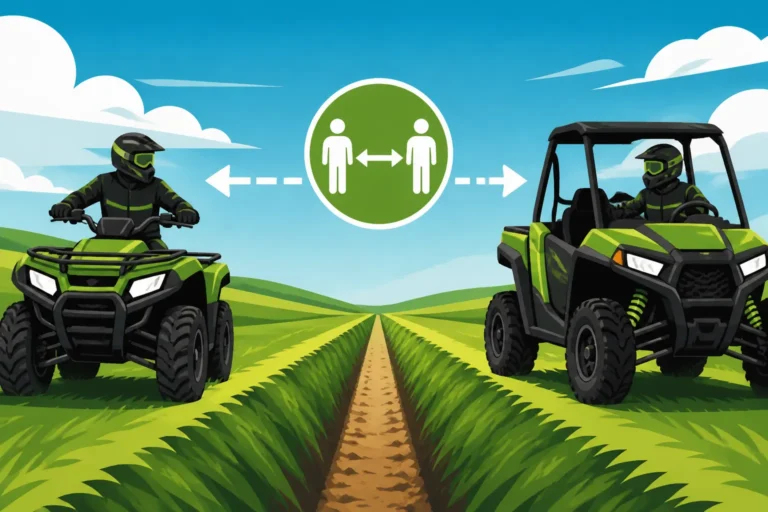
One of the most valuable provisions for ATV and UTV riders in Saskatchewan is the ability to operate in ditches adjacent to public highways. This "ditch riding" is a lifeline for many, allowing access to remote areas, hunting grounds, or simply connecting trail sections without having to trailer your machine every time. The general provincial rule, as laid out in [Saskatchewan Ditch Riding and the 2-Metre Rule], dictates that you must ride at least two metres from the travelled portion of the highway. This is often easier said than done, especially when ditches narrow, are filled with water, or are obstructed by fences or agricultural equipment. Many riders find themselves constantly trying to judge that two-metre distance, keenly aware that a peace officer could be around the next bend. It's a constant mental calculation, trying to stay legal while still making progress.
The intent behind this rule is safety – to keep off-road vehicles (ORVs) a safe distance from faster-moving traffic. However, the reality on the ground is that not all ditches are created equal. Some are wide and well-defined, offering ample space. Others are barely a scrape in the earth, funneling you dangerously close to the asphalt. This variability is a huge source of frustration for riders who genuinely want to follow the rules but find the physical landscape often works against them. It’s a delicate dance, balancing legal compliance with practical navigation, and it's particularly challenging when you're headed towards a structure like a bridge where the ditch literally runs out.
When a Bridge Becomes a Road Crossing
When you encounter a bridge, the situation changes significantly. A bridge, by its very nature, is an integral part of the highway it carries. It's designed for vehicle traffic, not for off-road ditch riding. This means that the moment the ditch you're riding in merges with the bridge approach or the bridge deck itself, you are no longer operating under the typical "ditch riding" exemption. You are, in effect, on the highway. This transition can be abrupt and jarring, especially on older bridges or those without clear signage. It’s a point where many riders feel exposed, suddenly on paved or gravel road surface they've been trying to avoid, often with highway speed limits and traffic roaring past.
This is a critical distinction that many riders overlook or simply don't understand. The smooth transition from a dirt ditch to a bridge's gravel or asphalt approach marks a shift in the legal rules governing your operation. You move from the relative freedom of the ditch to the stricter regulations of [Saskatchewan Crossings Require Passengers to Dismount] and other highway operation rules. This can be particularly confusing when the bridge is part of a grid road with less traffic, as the perceived risk might be lower, but the legal standing remains the same. The act considers these structures part of the highway, and you need to adjust your mindset and operation accordingly.
Navigating Bridges and Obstacles: Specific Regulations
So, what exactly are you supposed to do when that ditch runs out and you're faced with a bridge? Saskatchewan's Act provides some specific guidance, even if it feels counterintuitive at times.
The "Shortest Route" Rule for Crossings
When you find yourself needing to cross a highway, which includes traversing a bridge, the provincial rules state that you must do so by the shortest, most direct route practicable. This isn't just a suggestion; it's a requirement designed to minimize the time an ORV spends in the flow of highway traffic. For a bridge, this often means that as the ditch ends and the bridge approach begins, you are expected to make a perpendicular crossing if possible, directly across the bridge, rather than riding along the shoulder for an extended period. [Saskatchewan Crossings by the Shortest Route] outlines this principle.
The challenge here is often practical. "Shortest route" implies a swift, decisive movement, but what if visibility is poor, or traffic is heavy? What if the ditch you're riding forces you onto the bridge approach at an awkward angle, making a truly "shortest route" crossing difficult or unsafe? This is where rider discretion and caution become paramount. You might have to pull over, wait for a safe gap in traffic, and then execute your crossing. This can be particularly frustrating when you're simply trying to get from one section of a ditch to another, and the bridge is merely an interruption. Equipping your machine with robust visibility flags, good lighting (especially if using aftermarket accessories from a brand like SuperATV), and mirrors can significantly enhance safety during these maneuvers, allowing you to see and be seen.
Dismounting and Other Safety Protocols
Beyond the shortest route, there are other crucial safety protocols that riders often forget, especially when crossing a bridge. Perhaps the most significant is the rule regarding passengers. If you have a passenger on your ATV or UTV, they are legally required to dismount before you cross any public highway, which includes a bridge. They must walk across, and then re-board once you have safely completed the crossing on the other side. This rule is clearly stated in [Saskatchewan Crossings Require Passengers to Dismount] and is in place to reduce the risk to passengers during what is considered the most hazardous part of operating an ORV near traffic.
While seemingly inconvenient, this rule is rooted in safety. The instability of an ORV, combined with the often-uneven surface of a bridge approach and the potential for fast-moving highway traffic, makes carrying a passenger across a highway more perilous. Beyond dismounting, riders themselves should exercise extreme caution. This means reducing speed, actively scanning for traffic in both directions, and being prepared to yield to all other vehicles. Your machine's brakes, suspension, and steering need to be in top condition for these moments, and if you've upgraded with heavy-duty components from a company like SuperATV, you'll have an added layer of confidence in your machine's handling capabilities when it matters most. Always assume other drivers may not see you, and ride defensively.
Practical Strategies for Bridge Navigation
Knowing the rules is one thing, but actually implementing them safely on Saskatchewan's varied terrain is another. Riders often develop their own strategies, but some universal best practices can help.
Planning Your Route to Avoid Issues
The best way to deal with a tricky bridge crossing is often to avoid it altogether. Before you even load up your machine, take some time to plan your route. Modern technology makes this much easier than it used to be. Use online maps to identify potential obstacles like bridges and areas where ditches might narrow or disappear. Look for alternative routes that might involve less highway exposure or provide safer, designated crossing points. If you're exploring a new area, talking to local riders or consulting local recreational maps (if available) can offer invaluable insights into tricky spots.
For example, a quick check of a satellite map might reveal that a long, winding ditch section leads directly to a wide, busy bridge with no safe shoulder. In contrast, another route, perhaps slightly longer or requiring a detour through a less-traveled area, might offer a culvert under the road or a quiet gravel road intersection that allows for a much safer crossing. Remember that [Saskatchewan Municipal Bylaws on Roads] can also impact your route choices, as some municipalities might have specific restrictions on ORV use, even in ditches. Being prepared and knowing what lies ahead can save you a lot of stress and potential legal trouble, and help you focus on the enjoyment of the ride itself.
Equipment and Preparedness for Road and Bridge Encounters
Your machine's setup and your personal preparedness play a huge role in safely navigating bridges and road sections. Visibility is paramount. Ensure your ATV or UTV has working headlights, tail lights, and brake lights. Consider adding aftermarket LED light bars or additional reflective elements, especially if you anticipate riding near dawn, dusk, or in adverse weather. A brightly coloured flag mounted on a whip can also make a significant difference, especially in areas with tall crops or rolling terrain where visibility might be limited for other drivers.
Beyond visibility, consider your tires. If you frequently find yourself needing to ride short stretches on paved or hard-packed gravel bridge decks, a tire with a more aggressive lug pattern might wear quickly or offer less traction than a tire designed for varied terrain, like those offered by companies such as SuperATV. Maintain your brakes and steering system meticulously. Lastly, always carry your proof of insurance, a valid driver's license (if required for the area and your age), and any other relevant documentation. An officer can request to see these papers, especially if they observe you operating near a highway or crossing a bridge. [Saskatchewan Insurance Proof on the Trail] is clear about this requirement.
Municipal Bylaws and Local Variations
While the province sets the baseline, local jurisdictions in Saskatchewan often have their own specific rules, which can add another layer of complexity to ATV operation.
How Local Bylaws Can Change the Rules
It's a common misconception that provincial rules are the only ones you need to worry about. In reality, many rural municipalities (RMs), towns, and villages have enacted their own bylaws concerning ATV and UTV operation within their boundaries. These bylaws can either open up more opportunities for riders or impose further restrictions beyond what the province mandates. For instance, some municipalities might specifically designate certain roads or road allowances where ORVs are permitted, while others might completely prohibit them from municipal roads, even if they're not provincial highways.
This local variation means that a legal crossing strategy in one RM might be illegal just a few kilometres down the road in another. This is why it's crucial to check local regulations for any area you plan to ride in. [Saskatchewan Rural Municipalities and Plates] offers a glimpse into how some communities actively manage ORV use, sometimes even requiring local permits or plates. Failing to check these local rules can lead to unexpected fines or confrontations with local law enforcement. It's a bit of extra homework, but it's far better than getting a ticket or, worse, being involved in an accident because you weren't aware of local specificities.
When to Seek Direct Permission or Guidance
When in doubt, it's always best to seek direct clarification. If you're unsure about the legality of a specific bridge crossing or a section of a road allowance, don't hesitate to reach out to the local rural municipality office or even the local RCMP detachment. They are there to provide guidance and ensure public safety. Explaining your intended route and specific concerns can often get you the definitive answer you need. Similarly, if you plan to ride across private land to bypass a tricky bridge, ensure you have explicit, written permission from the landowner. [Saskatchewan Private Land Exemptions] generally apply to operation on your own land, not that of others.
Being a responsible and proactive rider not only helps you stay out of trouble but also fosters positive relationships between the riding community and local residents and authorities. Many municipalities are open to working with riders to find safe solutions, especially if it helps connect trails or access recreational areas. They might be able to suggest alternative routes, clarify ambiguous rules, or even consider creating designated crossing points in the future. Remember, we're all sharing the landscape, and a bit of communication can go a long way in ensuring everyone's safety and enjoyment.
Here's a quick summary of bridge crossing requirements:
| Aspect of Crossing | Provincial Rule | Practical Consideration | Safety Tip |
|---|---|---|---|
| Location | Bridge is part of the highway | Ditch riding ends at bridge approach | Assume highway rules apply; be extra vigilant |
| Path | Shortest, most direct route practicable | Minimize time on travelled portion; plan your approach | Prioritize visibility and safety over speed; wait for clear traffic |
| Passengers | Must dismount and walk across | Inconvenient but non-negotiable for safety | Ensure passenger understands the rule; communicate clearly before approaching the bridge |
| Speed | Reduce to safe speed | Adjust for traffic, bridge surface, and visibility | Be prepared to stop or yield; maintain control at all times |
| Visibility | Adequate lighting (if applicable) | Add flags, reflective gear, and aftermarket lighting (e.g., from SuperATV) | Ensure you can see and be seen; avoid riding in poor conditions if possible |
| Local Bylaws | Can add restrictions or specific designations | Check municipal websites or contact local offices before riding | ignorance of a bylaw is no excuse; local rules often dictate fines |
| Equipment | Maintain brakes, steering, and tires | Consider all-terrain tires and durable components | Regular maintenance prevents breakdowns and improves handling in critical moments |
| Documentation | Carry proof of insurance, license | Keep documents accessible and protected from elements | An officer may request these at any time, especially during road interactions |
Disclaimer
This article is for general informational purposes only and does not constitute professional advice. Laws, prices and regulations vary by location and change over time. Consult a qualified professional for guidance on your specific situation.