Saskatchewan Machines Washed Before a Park Ride
A quad that looks clean after a quick ride can still carry mud, seeds, and plant fragments in its tires, skid plates, or trailer. That creates an avoidable headache when you arrive at a Saskatchewan park and discover the machine needs another wash. This guide explains how to clean and check your ATV or UTV before a park ride, what to pack, and how to avoid common trailhead delays.
Why wash your ATV or UTV before a Saskatchewan park ride
Mud can travel farther than it looks
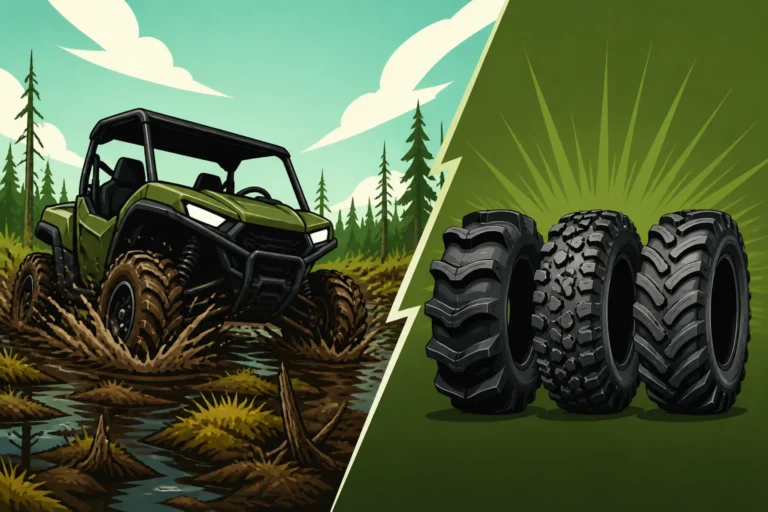
A machine does not have to be caked in mud to carry debris. Seeds and small plant fragments can cling to tire treads, fenders, footwells, suspension parts, and the underside of a skid plate. Damp soil can remain tucked behind a wheel or caught around a winch cable even when the body panels look spotless.
That matters when you ride in more than one area. A quad used on a muddy farm trail, a roadside ditch, or a bush route may pick up material that you do not want to carry into another landscape. Cleaning before you leave home is a simple way to reduce that transfer and avoid arriving at the trailhead with a machine that needs extra attention.
A wash also makes it easier to spot problems that a layer of dirt can hide. You may notice a loose cable, damaged boot, leaking fluid, or a buildup of grass near a hot component while cleaning. Those checks are especially useful before a longer ride, when a minor issue can become an inconvenient breakdown.
A clean machine can make arrival less stressful
Park trips often involve more than riding. You may have a trailer to unload, permits or forms to sort out, passengers to organize, and a group waiting to start. If staff or posted guidance require machines to be clean, discovering that expectation after you have arrived can mean searching for a wash area, delaying your group, or reconsidering your plans.
Requirements can differ by location and may change with conditions or park direction. Treat the pre-ride wash as good preparation, but do not assume that one cleaning routine satisfies every park’s rules. Review [Saskatchewan Park Regulations for Machines](Saskatchewan Park Regulations for Machines) and check the official information for the park you plan to visit before loading.
The goal is not to make a machine look showroom-ready. It is to remove visible soil and plant material from the areas most likely to hold it, then check for anything that could come loose or cause trouble on the ride. That practical standard is more useful than spending an hour polishing plastic while neglecting the tires, frame, and undercarriage.
Washing supports better trail habits
Responsible riding includes thinking about what a machine carries from one place to another. Washing between riding areas is one part of that habit, alongside staying on permitted routes, respecting closures, and leaving vegetation and wildlife undisturbed.
If the ride is in a provincial park, confirm where machines may travel and whether the route is open before setting out. [Saskatchewan Parks With Designated Trails Only](Saskatchewan Parks With Designated Trails Only) is a useful reminder that permission to enter a park does not necessarily mean every road, path, or open-looking area is available to machines.
A quick plan helps connect the wash to the rest of your trip: clean the machine at home, inspect it, secure it on the trailer, and check the park’s current directions before departure. For a broader look at route and closure preparation, see [Saskatchewan Trail Conditions Before You Haul](Saskatchewan Trail Conditions Before You Haul). That small routine can prevent a rushed decision at the entrance or a disappointing turn-around after a long drive.
How to clean a quad or side-by-side before loading
Start with the areas that trap debris
Before reaching for a hose, remove loose grass, branches, and clumps of mud by hand. Pay particular attention to tire treads, wheel wells, suspension arms, floorboards, footwells, the underside of fenders, and the front and rear of skid plates. On a side-by-side, also check around the cab steps, cargo bed, and lower body panels.
Look closely around the radiator area without forcing debris deeper into the cooling fins. Grass and mud can collect there, but careless spraying can bend fins or push material into places that are harder to clean. Check the winch, bumper corners, hitch, and any guards or racks as well. A small seed head can be easy to miss when you are focused on the larger mud patches.
Use a flashlight if you are working in a dim garage or cleaning late in the day. Turning the front wheels from side to side can expose dirt behind them. If you have just finished a ride, let hot components cool before washing and follow the machine manufacturer’s guidance on cleaning and water exposure.
Use water and tools with care
A garden hose, soft brush, and plastic scraper are often enough for ordinary trail dirt. Let water loosen dried mud before brushing it away; scraping aggressively can damage plastic, paint, or protective coatings. For stubborn material, work patiently in small areas rather than aiming a concentrated stream at every part of the machine.
If you use a pressure washer, keep the spray away from electrical connectors, seals, bearings, suspension joints, dashboard controls, and other sensitive areas. A high-pressure stream can force water or grit into places that ordinary rinsing would not reach. Avoid spraying directly into the radiator fins, and use the machine maker’s cleaning instructions where available.
After washing, look again for material that has shifted rather than disappeared. Mud can move from a fender to a frame rail or collect behind a guard. A second inspection is worth the extra minute, especially if you are traveling from a muddy area to a cleaner, drier park trail.
Do not forget the trailer and riding gear
The ATV or UTV may be clean while the trailer still carries clumps of soil, seeds, and plant debris. Check the deck, ramps, wheel wells, tie-down points, and any storage compartments where muddy straps or tools have been placed. If a machine has been loaded while wet, debris can fall onto the trailer during the drive.
Boots, gloves, shovels, recovery straps, and floor mats can also carry mud. Shake out or clean gear before packing it away, and avoid placing freshly cleaned items back onto a dirty trailer deck. If you carry a pressure washer or cleaning tools, secure them so they cannot shift during travel.
This is also a good time to check tie-downs and the machine’s overall condition. A strap covered in mud may be harder to inspect for wear, while a loose tool can become a hazard on the road. Cleaning is most useful when it is part of a complete departure check rather than a last-minute cosmetic rinse.
| Area to check | What may be caught there | Practical check |
|---|---|---|
| Tires and wheel wells | Mud, seeds, grass | Rotate or inspect each wheel and clear tread grooves |
| Undercarriage and skid plates | Packed soil, plant fragments | Use a light and look along the frame and guards |
| Radiator area | Grass, leaves, mud | Remove debris gently without bending fins |
| Footwells and floorboards | Soil, vegetation, loose items | Brush out corners and check drain openings |
| Winch and hitch | Mud, grass, tangled material | Inspect the cable, fairlead, receiver, and nearby guards |
| Trailer and ramps | Soil, seeds, mud from tires | Sweep the deck and clean ramps before loading |
| Boots and equipment | Mud on soles, tools, straps | Clean or isolate dirty gear before packing |
Build a pre-ride cleaning routine that works
Make a repeatable checklist
A checklist keeps the wash from becoming an open-ended chore. Start with the tires and wheel wells, then move to the undercarriage, body panels, radiator area, footwells, winch, and trailer. Finish by checking your gear and looking over the machine once more from front to back.
The order matters because debris often drops from higher areas as you work. If you clean the trailer first and then rinse a muddy machine above it, you have created the job twice. Clean the machine before loading, sweep the trailer afterward, and keep dirty equipment separate from clean equipment.
You can keep a short checklist in your phone or in the tow vehicle. A map app such as onX Offroad can help you keep ride notes and organize trip planning, but use the park’s official notices for current access directions, closures, and requirements. A private route note should never be treated as proof that a trail is open or authorized.
Plan for mud before you leave home
If you know the machine has been used in wet or muddy conditions, give yourself time to clean it the evening before the trip. Washing in the dark or in a rush makes it easier to miss debris under a fender or leave mud in a tire groove. A headlamp can help, but daylight and a calm pace make the inspection easier.
For a group ride, ask everyone to arrive with clean machines rather than relying on one person to supervise a wash at the park. This is particularly helpful when several households are meeting at a trailhead. One dirty machine can slow down the whole group if it needs attention before the ride can proceed.
If your machine is stored outdoors, check it again before loading. Windblown grass, dried mud, or debris from a storage area may have collected around the tires and lower panels since the last wash. A brief final inspection is faster than assuming the machine stayed clean overnight.
Keep a simple cleaning kit with your riding supplies
A few basic items can handle small touch-ups: a soft brush, work gloves, a plastic scraper, a small flashlight, and a bag for muddy gear. You may also want a towel for wiping controls and a separate brush for the trailer. Keep tools secured so they do not move around while you are towing.
Do not count on being able to wash at the destination. Facilities, access, and instructions differ, and a park may not have a suitable wash area available where you expect one. Before you travel, check the park’s own information and consider whether your route includes a practical place to deal with mud after the ride.
If you use onX Offroad or another mapping tool to save a route, add a note about your planned cleaning stop or departure checklist. That can be helpful for a multi-day trip when the group is moving between areas. Still, confirm local instructions directly before riding; a saved route can remain on a screen even when conditions or access have changed.
Check park rules, permits, and route conditions
Confirm the park’s machine rules before departure
Do not assume that rules are identical across Saskatchewan parks. Designated routes, seasonal access, required forms, and machine-use directions can vary. Review the park’s official information before you load, and contact the appropriate park office if a rule is unclear.
Cleaning does not replace a permit, an acknowledgement form, or any other requirement that applies to the destination. Start with [How to Get a Saskatchewan Park Trail Permit](How to Get a Saskatchewan Park Trail Permit), then confirm whether the specific park requires an additional step. The general availability of a permit does not mean that every park or trail has identical conditions.
A clean machine also does not make an unauthorized route acceptable. Check trail signs at the site, follow closures, and keep to routes designated for machine use. If a trail is closed or you cannot confirm that it is open to your machine, choose another route rather than relying on an old map or a friend’s memory.
Treat permits and forms as separate from cleaning
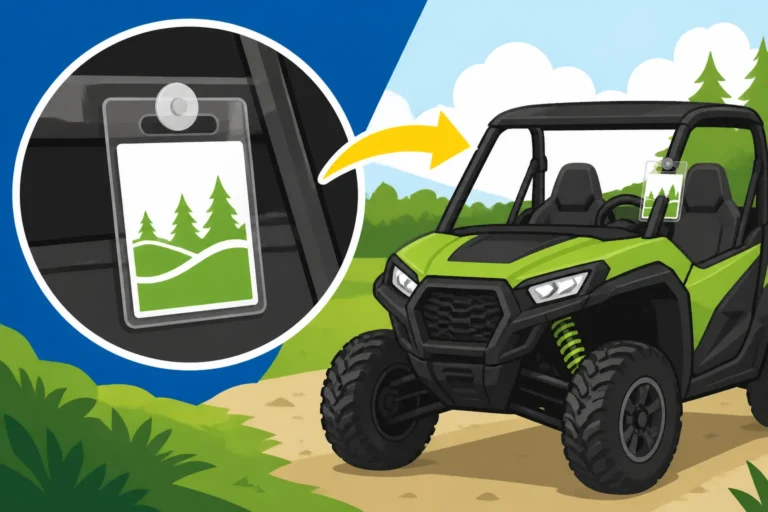
Some riders focus on washing and then realize at the entrance that they have not completed the required paperwork. Keep permits, acknowledgement forms, and insurance information together in a place that is easy to reach. If the park provides instructions about displaying a permit or carrying proof, follow those instructions rather than improvising at the trailhead.
The park-use process may include more than a permit. [Saskatchewan Park Use Acknowledgement Forms](Saskatchewan Park Use Acknowledgement Forms) can help you identify a separate step to check before leaving. Keep digital records accessible, but consider carrying a backup if your phone battery, signal, or screen becomes an issue.
For context on park permits, see [Saskatchewan Park Trail Permits Are Free](Saskatchewan Park Trail Permits Are Free) and [Saskatchewan Park Trail Permit Cost](Saskatchewan Park Trail Permit Cost). These topics do not replace checking the park’s own directions for the specific ride you are planning. Confirm the details before departure, especially when you are taking a visitor, a youth rider, or a group that has not used that park before.
Verify access close to the day of your ride
Trail and park access can be affected by weather, maintenance, wildfire conditions, or other closures. A route that was open during a previous visit may not be available on your next trip. Check close to departure, and make a backup plan so the group is not left improvising after arriving.
onX Offroad may be useful for keeping a personal route plan or viewing your saved notes, but a map is only one planning tool. Check official park and land-management information for access rules and closures. If you are unsure whether a road or trail is designated for ATV or UTV use, ask the relevant office rather than treating an unmarked route as permission.
Wildfire-related access deserves its own check during fire season. Review [Saskatchewan Wildfire Closures and Riding](Saskatchewan Wildfire Closures and Riding) before hauling, and follow any posted or official restrictions. A machine that is clean, fueled, and ready to go still needs to stay off a route that has been closed.
Common mistakes that make a park trip harder
Washing only the visible body panels
A clean-looking hood can create a false sense of readiness. Mud and seeds commonly remain in places that are out of sight, including behind guards, under the floorboards, around suspension components, and along frame rails. If you only wipe the plastics, you may miss the material that matters most.
Build the wash around inspection rather than appearance. Get low enough to look under the machine safely, use a light where needed, and check the tire grooves. If you cannot reach a packed area without forcing a tool or putting yourself under an unsupported machine, use a safer method or get help instead of taking a risk.
It is also easy to forget the trailer because attention is fixed on the ATV or UTV. A quick sweep and inspection of the ramps can catch debris that would otherwise be carried to the next location. If you have finished a muddy ride and are not heading straight home, clean the machine and trailer before the next park trip where practical. See [Washing Mud Off a Quad Before the Next Park](Washing Mud Off a Quad Before the Next Park) for a related cleaning checklist.
Relying on a wash at the destination
Arriving with the intention of finding a hose can put the group in a difficult spot. A wash area may not be available, may not be intended for machine cleaning, or may not be accessible when you arrive. Even if you find a suitable place, handling the wash after unloading can delay the ride and create a mess near parking or staging areas.
The safer approach is to clean at home or at another appropriate location before loading. If the machine becomes muddy during the trip, do not assume that you can simply rinse it at the park. Check the park’s instructions and use a suitable location that does not create runoff or inconvenience other visitors.
A simple contingency plan helps: carry a brush and scraper for small amounts of debris, but do not depend on them to remove a machine’s worth of packed mud. If conditions are very wet, consider whether the ride should be postponed or moved to a route that is open and appropriate for those conditions.
Assuming yesterday’s information still applies
A saved map, old social media post, or memory from last season may not reflect current access. The route can be affected by a closure, a changed trail designation, weather damage, or a local instruction. Before you leave, check current park information and then pay attention to signs when you arrive.
Keep your trip notes practical. Record where you parked, what route you intended to follow, and any questions you need to confirm with the park office. If you use onX Offroad to store personal waypoints, label them as planning notes rather than official permissions. A clear distinction helps prevent confusion when several riders are navigating from different devices.
Finally, do not let a clean machine create a sense that every other preparation is complete. Check the machine’s condition, required documents, insurance proof, route access, weather, and fire restrictions. Washing is one small, useful part of a responsible park ride—not a substitute for the rest of the planning.
A practical pre-ride sequence
Use this order to keep the process straightforward:
- Check the official park information for machine access, designated trails, permits, forms, and closures.
- Wash the ATV or UTV before loading, focusing on tires, wheel wells, the undercarriage, footwells, and hidden debris-catching areas.
- Clean the trailer deck, ramps, and gear that touched mud or vegetation.
- Inspect the machine after washing for loose parts, visible damage, leaks, and debris near the cooling system.
- Pack your permit information, acknowledgement forms, insurance details, and basic cleaning tools.
- Recheck access and wildfire information close to departure.
- At the park, follow posted directions and stay on routes open to your machine.
A clean machine is easier to inspect, simpler to prepare, and less likely to bring unwanted debris from one riding area to another. Give the wash enough time, check the less-visible spots, and verify the destination’s rules before you hitch up. That combination makes the start of the ride calmer—and leaves more of the day for riding rather than sorting out avoidable problems.
Disclaimer
This article is for general informational purposes only and does not constitute professional advice. Laws, prices and regulations vary by location and change over time. Consult a qualified professional for guidance on your specific situation.