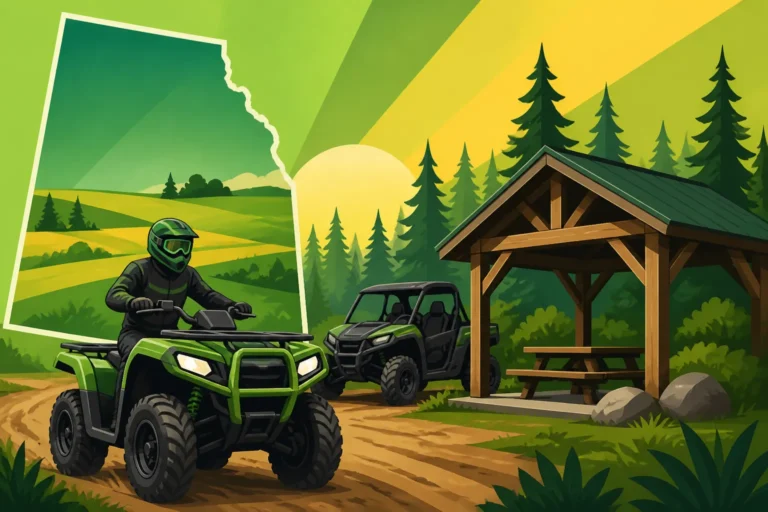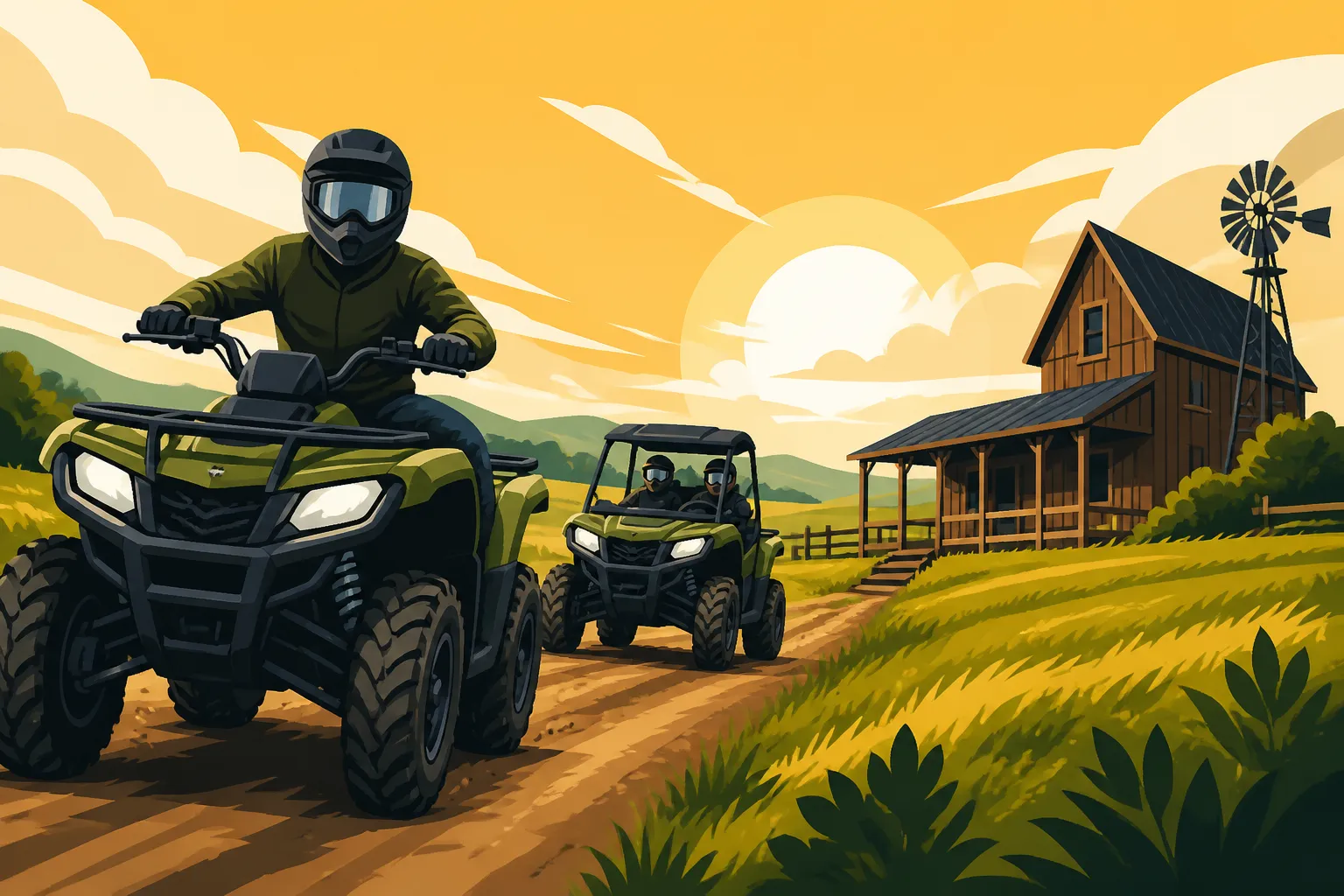
Guided ATV Tours at the Historic Reesor Ranch
A visit to the Historic Reesor Ranch can make for a memorable ride, but it is easy to confuse a guided ranch tour with permission to ride anywhere in Cypress Hills. This guide explains what to confirm before booking, how private ranch access differs from public land, what to bring, and how to plan safely without assuming every nearby trail is open to ATVs.
What to know about guided ATV tours at the Historic Reesor Ranch
A ranch tour is not the same as riding in the park
The Historic Reesor Ranch is in the Cypress Hills region, where the landscape can make it tempting to keep riding beyond a tour route. But access depends on who manages the land and what permission applies. A guided outing arranged through the ranch is different from taking your own machine onto a nearby trail, park road, Crown land area, or grazing lease.
That difference matters because Cypress Hills has restrictions on ATV use in its provincial park areas. Don’t assume a tour’s location means you can ride your personal ATV wherever you see a track or open gate nearby. Read Why Cypress Hills Says No to Quads and Both Cypress Hills Blocks Are Closed to Quads before planning independent riding in the area. A guided ranch experience and a public trail ride are separate activities with separate access rules.
When you contact the ranch, ask where the tour operates and whether the route remains on ranch land. If you’re considering bringing your own machine, ask directly whether that is allowed and what written permission or arrangements are needed. A “yes” to joining a guided tour doesn’t automatically mean a “yes” to riding your own ATV on the property before or after it.
Confirm the details before you make the drive
Tour schedules, availability, age requirements, machine arrangements, and weather plans can change. Contact the ranch directly for the details that apply to the date you want. Ask whether the tour is guided on a ranch-owned machine or whether riders need to bring equipment, and confirm what protective gear is supplied or required. Don’t assume that every rider can share one machine or that passengers are allowed.
It is also worth asking how the outing works from start to finish. Find out where to check in, how early to arrive, what footwear and clothing are suitable, and whether the route is appropriate for someone with little ATV experience. If someone in your group has mobility limitations, a medical concern, or a strong fear of heights or uneven terrain, mention it when you enquire rather than discovering a mismatch at the trailhead.
The ranch’s tour page or direct booking conversation is the best place to confirm current arrangements. The guide Guided ATV Tours at the Historic Reesor Ranch can help you understand the experience, but treat the ranch as the authority for practical details such as dates, group size, and what to bring.
How to plan your visit around land access and local rules
Separate ranch permission from public-land permission
In Saskatchewan, land access is not a blanket permission that follows you from one parcel to the next. A ranch operator may authorize a guided ride on a particular route while nearby land is privately held, occupied Crown land, a grazing lease, or part of a protected area. Each can have different access conditions. For a broader overview, read Saskatchewan Crown Land Access Rules and Saskatchewan Grazing Lease Permission.
This is especially important if you’re travelling with your own ATV and hoping to extend your day. A gravel road, pipeline cut, worn track, or open-looking field is not proof that riding is permitted. Ask the landholder or relevant land manager before entering, and stay within the boundaries and directions you’re given. If a route crosses more than one land type, confirm access for each section rather than relying on a single conversation.
Navigation apps can help you keep track of where you are, but a map does not grant permission. Some riders use onX Offroad to review routes and location information before a trip. Treat it as a planning aid: check the map carefully, compare it with local signs and instructions, and confirm access with the ranch or land manager. If your phone signal drops, an app’s usefulness may depend on the map area and offline features you have prepared in advance.
Check local conditions before you travel
The Cypress Hills area can feel different from the open prairie roads you may be used to. Weather, rain, wind, and seasonal restrictions can affect road and trail conditions. Before towing a machine a long distance, check Saskatchewan Trail Conditions Before You Haul and ask the ranch whether the tour is expected to run as planned. A route that was manageable in dry conditions may be slippery, rutted, or unsuitable after rain.
Fire restrictions are another reason to check ahead, particularly during dry periods. Saskatchewan has seasonal wildfire rules for riders, and restrictions can affect where or how you travel. Review Saskatchewan Wildfire Season Rules for Riders and confirm whether any local closures or fire-related instructions apply to your destination. Don’t rely on an old social media post or a map screenshot from a previous season.
A simple pre-trip check can prevent a frustrating day: confirm the tour time and meeting place, ask about current weather and route conditions, check road access for your tow vehicle, and make sure you understand where you may park or unload. onX Offroad may help you orient yourself on the way to the area, but use current directions from the ranch for the final approach. Private entrances and local roads can be easy to mistake when you’re focused on a navigation screen.
| Question to settle before the trip | Why it matters | Who to ask |
|---|---|---|
| Is the tour available on the date you want? | Tour schedules and conditions can change | Historic Reesor Ranch |
| Is the ride guided on a ranch machine or on your own ATV? | Equipment and access arrangements differ | Historic Reesor Ranch |
| What age, passenger, or experience requirements apply? | Rider eligibility and machine setup matter | Historic Reesor Ranch |
| What gear should you bring? | Clothing and protective equipment affect comfort and safety | Historic Reesor Ranch |
| Can you ride independently on nearby land? | Tour permission does not establish wider access | Ranch or relevant land manager |
| Are fire restrictions or closures in effect? | Seasonal rules may change where riding is allowed | Local authorities and land manager |
What to bring and how to prepare for the ride
Dress for changing weather and protective needs
Even on a guided outing, an ATV ride can expose you to dust, wind, sun, and quick changes in temperature. Dress in layers that won’t flap or catch on equipment, and choose sturdy footwear suited to the ranch’s advice. Bring water and any personal medication you may need. If the ranch specifies gear, follow those instructions rather than assuming that ordinary road-riding clothing is enough.
Ask in advance whether a helmet is provided and whether you may bring your own. Saskatchewan’s helmet rules and equipment expectations are worth reviewing in Saskatchewan ATV Helmet Law. A helmet should fit securely and be intended for the type of activity; a loose or damaged helmet is not a useful substitute for proper protection. Also ask about eye protection, especially if you wear prescription glasses or contact lenses.
The same preparation matters for passengers. Don’t assume a passenger can ride on every ATV. Saskatchewan rules restrict passengers to machines designed for them, and a child’s age or size may affect whether a particular machine is appropriate. Confirm the ranch’s policy and review the relevant provincial rules before arriving with a young rider. A guided tour should feel manageable, not like a last-minute negotiation over who can safely ride.
Know what insurance and emergency planning to ask about
Before you ride, clarify what insurance arrangements apply to the tour and what responsibility remains with you. If you are bringing your own machine, ask your insurer whether your policy covers the intended use and location. Read Saskatchewan ATV Insurance Requirements for a general overview, then confirm the details with your broker. Do not assume that a tour operator’s coverage automatically protects a visitor’s personally owned ATV or covers every type of loss.
It’s also sensible to ask what the guide’s communication and emergency plan looks like. You do not need to turn a relaxed ranch outing into an expedition checklist, but it’s reasonable to know how the group stays together, what happens if someone feels unwell, and how the guide handles a mechanical problem. Let the guide know if you have a condition that could affect riding, and follow their directions about speed, spacing, and stopping.
For personal navigation, onX Offroad can be one tool for understanding your general position, but don’t treat a phone app as an emergency plan or an authorization map. Check that your phone is charged, consider carrying a backup power source, and keep the ranch’s contact details accessible. Follow the guide’s route and instructions even if an app appears to show another track nearby.
Making the outing enjoyable without creating access problems
Choose the right expectations for your group
A guided ATV tour is often a good fit for visitors who want a structured ride and local direction without having to plan an independent route. It can also suit a mixed-experience group because questions about the route and riding pace can be raised with the guide beforehand. Still, “guided” does not necessarily mean the ride is effortless or suitable for every person. Ask about terrain, duration, group expectations, and any physical demands before booking.
If your group includes a first-time rider, be honest about that when you enquire. A beginner may need more time to get comfortable with the controls and stopping distances. Likewise, a confident rider who is used to fast, technical trails should understand that a guided ranch ride may emphasize safety, scenery, or the guide’s pace rather than speed. Matching the outing to the group’s expectations helps avoid disappointment.
Plan a little breathing room around the tour rather than trying to squeeze it between a long drive and another tightly scheduled activity. Check where you can park, whether there is a suitable place to eat before or after, and how much time you need to secure a trailer. The ranch can clarify what facilities are available; don’t assume that services, fuel, or food are immediately nearby just because the destination is a visitor attraction.
Leave nearby trails and property boundaries alone unless access is clear
One of the easiest mistakes is seeing an appealing track and assuming it continues the experience. It may lead onto private land, a protected area, a grazing lease, or a route closed to motorized recreation. Stop and check rather than following it. Posted signs, gates, and instructions from the guide or landholder should be treated seriously, even when the track looks well used.
If you’re using onX Offroad to explore the area, use it to ask better questions, not to make the final decision about access. A line on a screen can be outdated, incomplete, or unrelated to ATV permission. Confirm the route with the landholder, observe signs on site, and stay on the route you have been authorized to use. When in doubt, turn around and ask.
That approach protects the land and helps preserve good relationships between riders, ranchers, and local communities. It also keeps a pleasant guided outing from turning into a trespass complaint or a difficult roadside conversation. The best plan is straightforward: book directly with the ranch, follow the guide, confirm rules before riding beyond the tour, and check local conditions close to your travel date.
Disclaimer
This article is for general informational purposes only and does not constitute professional advice. Laws, prices and regulations vary by location and change over time. Consult a qualified professional for guidance on your specific situation.